Category: the how-to

brewing, equipment, buying guides, & product reviews

  • How to Take Care of Your Espresso Machine

    How to take care of your espresso machine so it’ll love you back.


    If you’ve ever pulled a shot that tasted… off—thin, sour, strangely bitter—and thought, “It can’t be the beans… right?”—there’s a good chance your espresso machine is trying to tell you something.

    At The Coffee Collect, we believe great coffee starts long before the cup hits the counter. It begins with clean equipment, thoughtful care, and a little daily attention. Your espresso machine works hard for you—steaming milk, pumping water at high pressure, waking you up before the rest of the house is even stirring. Taking care of it isn’t glamorous, but it’s one of the most important habits you can build as a coffee lover.

    Let’s walk through exactly how to maintain your espresso machine, why descaling matters, and how different machines require different routines—plus where you can grab a reliable cleaner or descaler to make the whole process easier.
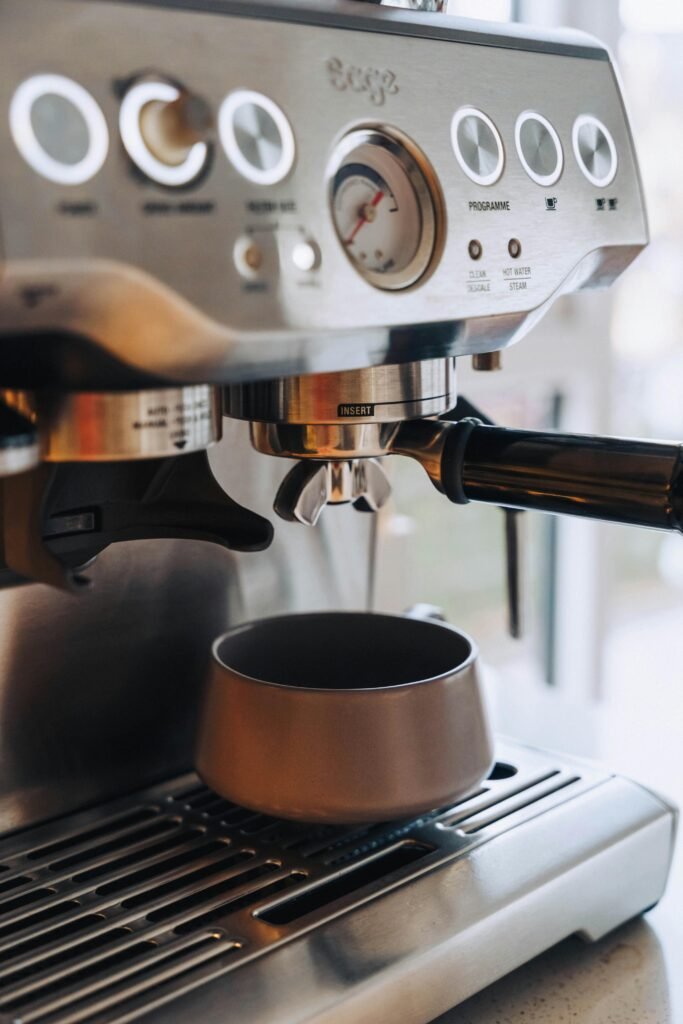
    Close-up of a modern espresso machine making a fresh coffee shot indoors.

    Why Espresso Machine Maintenance Actually Matters

    Espresso machines deal with three things constantly:

    • Heat
    • Pressure
    • Minerals from water

    Over time, coffee oils build up in your group head and portafilter. Minerals (especially calcium and magnesium) settle inside your boiler and tubing. Milk residue sneaks into steam wands. If left alone, all of this leads to:

    • Bitter or dull-tasting espresso
    • Weak steam pressure
    • Clogged valves and lines
    • Temperature instability
    • Expensive repairs down the road ($$$)

    A well-maintained machine doesn’t just last longer—it brews better coffee, every single day.


    Daily, Weekly, and Monthly Espresso Machine Care

    Think of maintenance like brushing your teeth versus going to the dentist. Some things happen every day. Others are scheduled tune-ups.

    Daily Tasks (5 Minutes That Matter)

    After each session:

    • Flush the group head – Run water for a few seconds to rinse away coffee residue.
    • Wipe the steam wand immediately – Then purge steam for 2–3 seconds.
    • Rinse the portafilter and basket – Coffee oils turn rancid quickly.
    • Empty the drip tray – Standing water grows bacteria fast.

    These tiny habits keep buildup from becoming a bigger problem.


    Weekly Cleaning

    Once a week, go a little deeper:

    • Soak portafilter baskets and metal parts in espresso cleaner.
    • Scrub the group head gasket with a group brush.
    • Clean the shower screen.
    • Wipe down the exterior—because beautiful machines deserve to stay beautiful.

    If your machine has a backflush function, this is also when you’ll run a detergent cleaning cycle (check your manual first).


    Descaling: What It Is and Why It’s Essential

    Descaling is one of the most misunderstood—but critical—parts of espresso machine care.

    What Is Descaling?

    Descaling removes mineral deposits (limescale) left behind by water as it heats inside your machine. Even filtered water contains minerals, and over time they coat your boiler and internal pipes.

    Why It Matters

    Limescale causes:

    • Slower heat-up times
    • Reduced water flow
    • Poor extraction
    • Loud pump noises
    • Premature failure of heating elements

    In other words: scale is the silent espresso killer.


    How Often Should You Descale?

    It depends on:

    • Your water hardness
    • How often you brew
    • Whether you use filtered or softened water

    General rule of thumb:

    • Hard water: every 1–2 months
    • Moderate water: every 3 months
    • Soft/filtered water: every 3–6 months

    Many newer machines will actually tell you when it’s time—another reason to read and trust your manual.


    When you’re ready to descale, using a product made specifically for espresso machines is crucial—vinegar can damage seals and leave behind flavors.

    Look for cleaners that are:

    • Manufacturer-approved
    • Safe for boilers and seals
    • Odorless and residue-free
    • Easy to rinse out

    Different Espresso Machines = Different Maintenance

    Not all machines are created equal—and neither are their cleaning routines.

    Semi-Automatic & Prosumer Machines

    These usually require:

    • Manual backflushing
    • Regular descaling
    • Gasket replacements every year or two
    • Shower screen cleaning

    You’re more hands-on, but that’s part of the joy.


    Super-Automatic Machines

    These often feature:

    • Built-in cleaning programs
    • Automatic rinse cycles
    • Cartridge water filters
    • On-screen descaling alerts

    They’re convenient—but you still need to follow their specific steps exactly.


    Lever Machines

    Old-school and beautiful, but:

    • Sensitive to scale
    • Often require gentler descaling
    • Manual lubrication of seals

    Treat them like heirloom equipment—slow and intentional.


    Dailing In Espresso: A Step-by-Step Guide


    Read Your Espresso Machine Manual (Seriously)

    We know. Nobody wants to read the manual.

    But here’s the truth: your manufacturer knows your machine better than anyone else.

    Your manual tells you:

    • Whether you can backflush
    • What cleaners are safe
    • How to run a descale cycle
    • Which parts to remove
    • Warranty-safe procedures

    Some brands even void warranties if the wrong chemicals are used. Five minutes with the manual can save hundreds in repairs.

    Pro tip from The Coffee Collect: bookmark the PDF version on your phone—you’ll thank yourself later.


    Water: The Secret Ingredient You Might Be Ignoring

    If you’re constantly battling scale, the issue might not be your cleaning schedule—it’s your water.

    Consider:

    • Using filtered water
    • Installing a machine-compatible softener
    • Testing your tap water hardness

    Better water = better espresso and less maintenance.


    Caring for your espresso machine is an act of hospitality—to yourself and to everyone who drinks coffee in your home.

    It’s wiping the steam wand when you’re half asleep.
    It’s running that cleaning cycle instead of skipping it.
    It’s choosing longevity over convenience.

    Because the best cups of coffee are made on machines that are respected.

    If you’re looking for an easy way to start, a good cleaner and descaler make all the difference:

    take care of what you care about <3

    (this doesn’t just apply to your espresso machine)

    -the coffee collect.
  • Beginner Espresso Setup: What to Buy First

    Beginner Espresso Setup: What to Buy First

    Getting into espresso can feel overwhelming. Between shiny machines, endless grinders, and conflicting advice online, it’s easy to think you need thousands of dollars just to pull a decent shot. The truth? You don’t.

    If you’re just starting out, the key is buying the right things in the right order. This beginner espresso setup guide breaks down what actually matters first—so you can make great espresso at home without overspending or upgrading too soon.


    What You Actually Need for Espresso at Home

    A beginner espresso setup comes down to four essentials:

    1. A capable espresso machine
    2. A quality burr grinder
    3. A few basic tools (that usually come with an espresso machine)
    4. Fresh coffee beans

    Everything else is optional (at least for now).

    Let’s walk through what to buy first—and why.


    1. A Burr Grinder (Yes, Before the Espresso Machine)

    If there’s one mistake beginners make, it’s spending most of their budget on an espresso machine while ignoring the grinder.

    Your grinder matters more than your machine.

    Espresso requires very fine, very consistent grounds. Blade grinders won’t cut it, and cheap burr grinders often can’t grind fine enough or consistently enough for espresso.

    What to Look for in a Grinder

    • Burr grinder (not blade)
    • Espresso-capable grind range
    • Consistent particle size
    • Stepless or micro-adjustments (a bonus)

    💡 If your espresso tastes sour, bitter, or inconsistent—your grinder is often the reason.

    A good grinder will grow with you, even if you upgrade your espresso machine later.

    I’ll link some great burr grinders below so it’s easy for you to see if they’re the right fit for you!


    2. An Espresso Machine That Fits Your Skill Level

    Once you have a capable grinder, it’s time to choose your espresso machine. As a beginner, you don’t need a commercial-level machine—but you do want something reliable and forgiving.

    Beginner-Friendly Espresso Machine Features

    • Stable brewing temperature
    • Semi-automatic machines for consistency and control
    • Easy workflow
    • Good community support and tutorials

    Here are some of my recommended espresso machines for beginner home baristas (all budget-friendly!) :


    3. Essential Espresso Tools (Keep It Simple)

    You don’t need a drawer full of tools to start—just a few basics that make a big difference. Oftentimes these tools will conveniently come with your espresso machine.

    Must-Have Espresso Accessories

    Start small. Master the basics first. You can always add tools as your skills improve.


    4. Fresh Coffee Beans (This One’s Non-Negotiable)

    Even the best espresso setup can’t fix stale coffee.

    What Beans Are Best for Beginners?

    • Freshly roasted (within 2–4 weeks)
    • Medium to medium-dark roast
    • Espresso-friendly blends or single origins labeled for espresso

    Buying from a local roaster—or a trusted online roaster—will instantly improve your results more than any upgrade.


    What You Don’t Need (Yet)

    It’s tempting to buy everything at once, but beginners can skip:

    Learn the fundamentals first. Mastering grind size, dose, and yield will take you further than expensive gear.

    This approach gives you better espresso now and saves money long-term by reducing unnecessary upgrades.


    Start Simple, Brew Better

    Espresso doesn’t have to be intimidating—or expensive. A thoughtful beginner espresso setup focuses on quality, consistency, and learning, not perfection.

    Start with a solid grinder, choose a machine that fits your lifestyle, keep your tools simple, and always use fresh coffee. From there, your skills—and setup—will naturally grow.

    If you’re just beginning your espresso journey, welcome. You’re exactly where you should be ☕

    -the coffee collect.

  • The Best Espresso Machines for Coffee Enthusiasts Ready To Level Up

    At a certain point in your coffee journey, your espresso machine starts to feel less like a tool and more like a limitation.

    If you’ve mastered your basics, dialed in your grind, and find yourself chasing better texture, richer flavor, and more control — it might be time to level up. This guide is for coffee enthusiasts who are ready to move beyond entry-level machines and invest in espresso equipment that grows with their skills.

    With that being said, these espresso machines are best suited for home baristas who are ready to invest time and effort into learning their equipment. They’re ideal for those who enjoy experimenting, dialing in their shots, and continually refining their craft.


    Why Upgrade Your Espresso Machine?

    Upgrading your espresso machine isn’t just about price — it’s about capability. A higher-level machine typically offers:

    • Better temperature stability for consistent extraction
    • Stronger steam power for silky milk texture
    • Higher build quality for long-term use
    • More manual control to refine your technique

    These machines assume you’re ready to be involved — and that’s a good thing.


    Common Espresso Machine Terms Explained

    When you start shopping for higher-end espresso machines, product descriptions can feel overwhelming fast. Here’s a breakdown of some common terms you’ll see.

    OPV (Overpressure Valve)

    The OPV regulates the maximum pressure that reaches the coffee puck during extraction. This prevents over-extraction and bitterness, giving you more control over shot quality.

    PID (Proportional–Integral–Derivative Controller)

    A PID controls water temperature with high precision. Instead of fluctuating up and down, it keeps brewing temperatures stable, leading to more consistent and repeatable espresso shots.

    Dual Boiler

    A dual boiler machine has two separate boilers: one for brewing espresso and one for steaming milk. This allows you to pull shots and steam milk at the same time with excellent temperature stability.

    Heat Exchanger (HX)

    Heat exchanger machines use a single boiler but route fresh water through a heated tube for brewing. They offer strong steam power and a faster workflow than single-boiler machines, though they require a bit more technique to manage temperatures

    Thermoblock / Thermocoil

    These systems heat water on demand rather than storing it in a boiler. They warm up quickly and are common in compact or entry-level machines, but typically offer less temperature stability than boiler-based systems.

    E61 Group Head

    A classic, heavy group head design known for excellent thermal stability. E61 machines take longer to heat up, but reward patience with consistent extraction and a traditional espresso experience.

    58mm Portafilter

    This is the industry standard portafilter size used in most commercial cafés. It offers better accessory compatibility and more even extraction compared to smaller portafilters.

    Pre-Infusion

    Pre-infusion gently wets the coffee puck before full pressure is applied. This helps reduce channeling and can improve shot balance and clarity.


    Best Espresso Machines for Coffee Enthusiasts

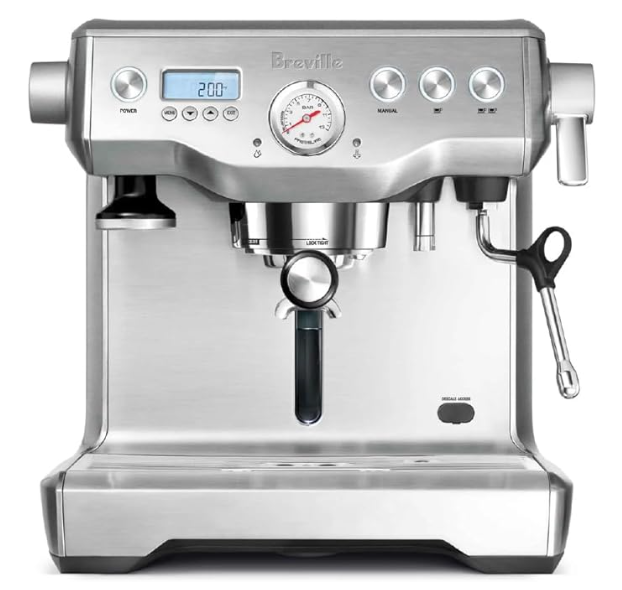
    Breville Dual Boiler

    The Breville Dual Boiler is a favorite among serious home baristas — and for good reason. Its dual boiler system allows you to pull shots and steam milk simultaneously while maintaining extremely stable temperatures.

    Why we love it:

    • Dual stainless steel boilers
    • PID temperature control
    • Commercial-style 58mm portafilter
    • Excellent value for its feature set

    This is an ideal choice if you love experimenting with extraction variables and want repeatable results shot after shot.

    breville dual boiler espresso machine for home baristas

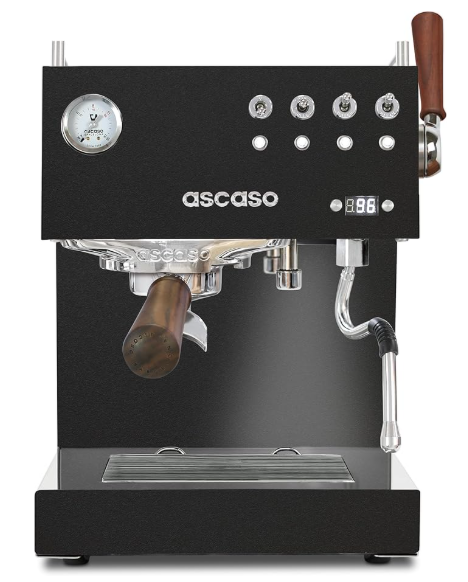
    Ascaso Steel Duo PID

    The Ascaso Steel Duo PID offers a sleek, contemporary take on home espresso machines, pairing thoughtful design with impressive performance. Its dual thermoblock system allows you to brew and steam at the same time while heating up significantly faster than traditional boiler machines.

    Standout features:

    • Dual thermoblock system for simultaneous brewing and steaming
    • PID temperature control for precise, consistent shots
    • Fast heat-up time compared to boiler-based machines
    • Compact, modern stainless steel design

    This machine is a great fit for coffee enthusiasts who want high-level performance, minimal wait time, and a clean, modern look on their counter. Available in black, stainless steel, and white.

    ascaso steel duo pid for home barsitas

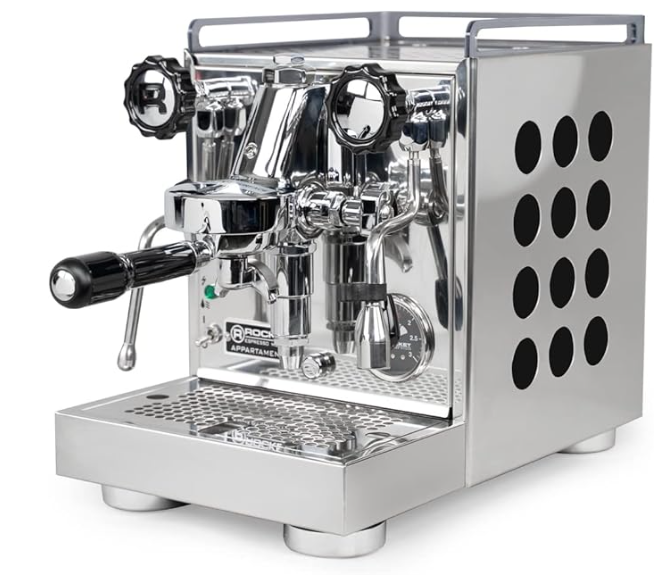
    Rocket Appartamento

    The Rocket Appartamento is compact, stunning, and incredibly capable. Designed for smaller kitchens without compromising performance, it’s often chosen by home baristas who want café presence on their counter.

    Why it stands out:

    • Hand-built in Italy
    • Heat exchanger system
    • Strong steam pressure
    • Iconic Rocket design

    It’s a machine that makes espresso and makes a statement.

    ROCKET APPARTAMENTO HOME BARISTA ESPRESSO MACHINE

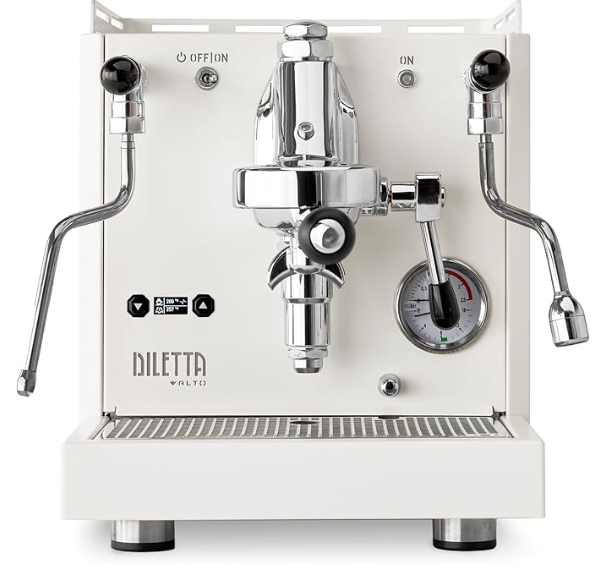
    Diletta Alto Espresso Machine

    The Diletta Alto Espresso Machine combines a dual boiler system, PID temperature control, shot timer, and adjustable OPV to give home baristas full control over their espresso experience. Its white finish adds a modern aesthetic to your kitchen while delivering café-quality shots.

    Top features:

    • Dual boiler system for simultaneous brewing and steaming
    • PID temperature control for precision
    • Shot timer for consistent extraction
    • Adjustable overpressure valve (OPV)
    • Elegant white design suitable for home counters

    This machine is perfect for coffee enthusiasts who want complete control, premium performance, and a visually appealing machine.

    DILETTA ALTO HOME ESPRESSO MACHINE

    Linea Micra

    The La Marzocco Linea Micra is a compact, high-end espresso machine designed to bring the reliability and quality of commercial machines into your home. With dual boilers and precise temperature control, it allows for simultaneous brewing and steaming, ideal for those who want full control over their espresso shots.

    Top features:

    • Dual boiler system for brewing and steaming at the same time
    • PID temperature control for precise, repeatable shots
    • Commercial-quality steam wand for silky milk
    • Compact, sleek design for home kitchens
    • Built with La Marzocco’s renowned reliability and craftsmanship

    The Linea Micra is perfect for enthusiasts who are ready to invest in top-tier performance and want a machine that will last for years while delivering café-quality espresso at home. However, it is a bit pricier than the others listed.


    Steps for Buying the Right Espresso Machine


    How to Choose the Best Espresso Machine for You

    Before clicking “add to cart,” ask yourself:

    • Am I willing to learn and dial in consistently?
    • How much control do I want over brewing variables?
    • Do I value aesthetics as much as performance?
    • Will this machine fit my space?

    There’s no single “best” espresso machine — only the one that fits your personal routine, space, and goals.


    Final Thoughts

    Leveling up your espresso machine is about more than better coffee — it’s about deepening your relationship with the craft. The machines on this list reward curiosity, patience, and passion, making them perfect companions for the next stage of your coffee journey.

    If you’re ready to invest in quality, learn your equipment, and savor every shot, any of these espresso machines will serve you beautifully.

    We’d love to see your home espresso machine set-up! Tag us on Instagram @the.coffee.collect!

    Happy brewing!

    -the coffee collect.

  • Geimori T38 Review

    Portable, pro-grade performance for coffee lovers anywhere

    Transparency Note: Wirsh kindly sent me the Geimori T38 grinder to test and review.


    The Geimori T38

    The Geimori T38 positions itself as a true pro‑grade portable coffee grinder—a bold claim in a market crowded with travel grinders. I’ve been using the T38 in everyday brewing, travel scenarios, and across multiple brew methods to see how it really performs.

    This review covers who this grinder is for (and who it’s not), real‑world performance, pros and cons, and whether it’s actually worth adding to your coffee setup.

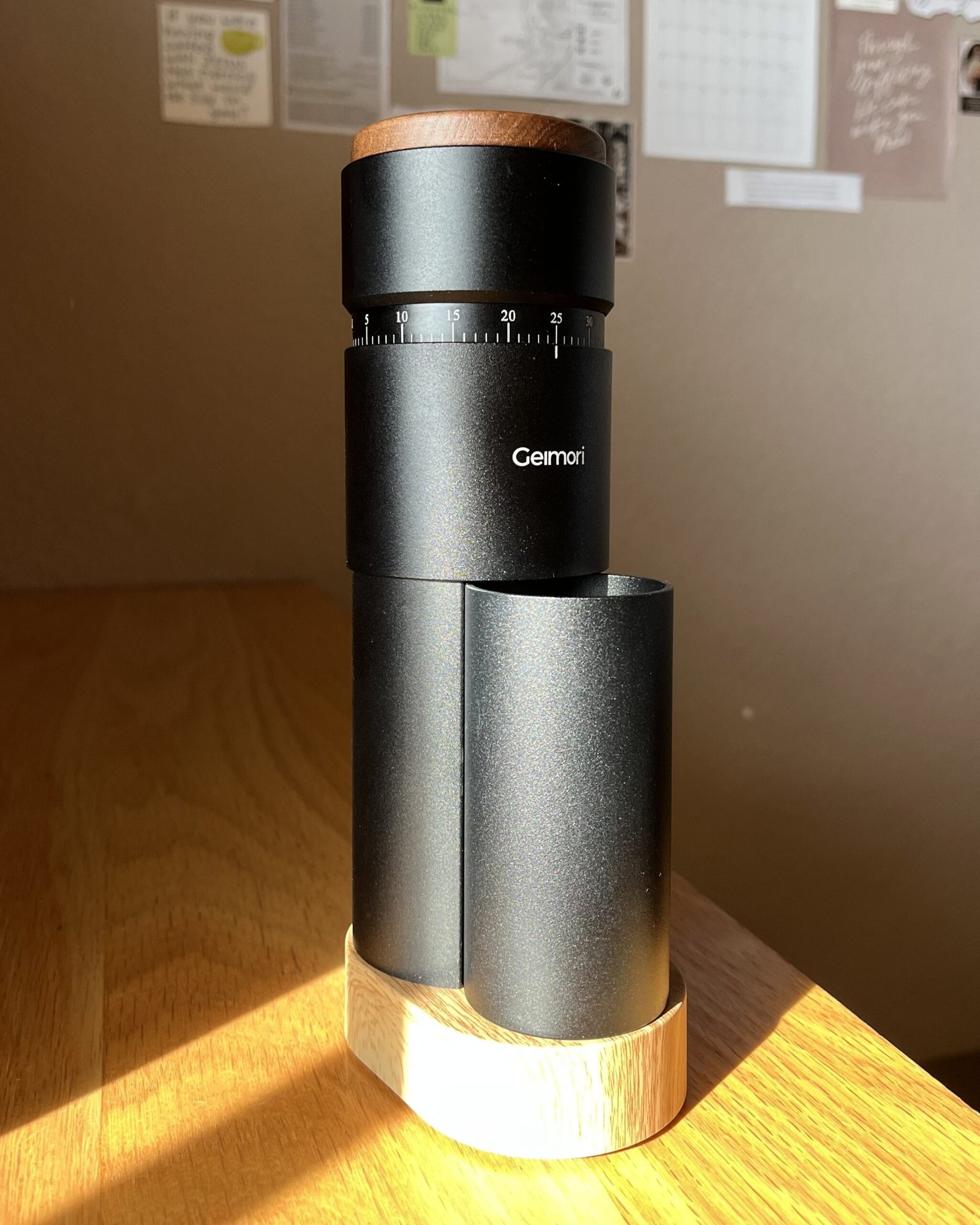
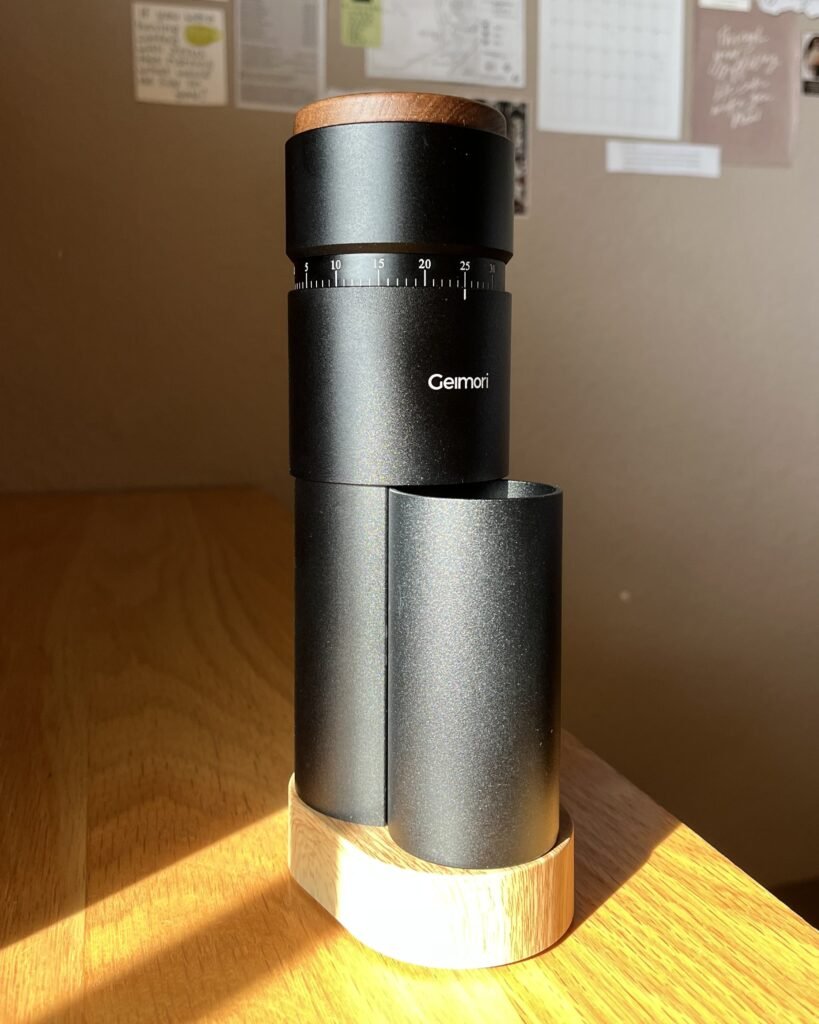
    Geimori T38 Grinder, portable grinder

    At a Glance

    • Size: 7.3 inches tall (it’s small!)
    • Burrs: 38 mm stainless steel conical burrs
    • Adjustment: 80 settings allowing for 0.01mm microadjustments
    • Battery: 3600 mAh rechargeable battery
    • Charging: USB‑C
    • Power: Cordless electric
    • Best for: Espresso, pour‑over, drip, travel brewing, limited spaces

    What Is the Geimori T38?

    The Geimori T38 is a cordless electric burr grinder designed for coffee drinkers who want high‑quality grinding without being tied to a countertop or power outlet. Unlike many portable grinders that feel like a compromise, the T38 aims to deliver serious grind quality in a compact, travel‑friendly form.

    With 38 mm conical burrs, stepless grind adjustment, and a large rechargeable battery, it’s built to handle everything from daily home brewing to weekend camping trips.


    Unboxing & First Impressions

    Right away, the T38 feels intentional. The build is solid, the components feel well‑made, and nothing about it feels cheap or disposable. This is not a grinder that feels like an afterthought—it feels designed for long‑term use.

    Setup is simple, intuitive, and beginner‑friendly, which makes it approachable even if you’re newer to grinding fresh coffee at home.


    Design & Build Quality

    The Geimori T38 strikes a strong balance between durability and portability.

    • Compact & travel‑ready: Easy to pack, easy to store, and doesn’t take up unnecessary counter space.
    • Sustainable and durable construction: The T38 is designed without plastic and is constructed with aluminum alloy and SUS420 stainless steel.
    • Aesthetics: The T38 comes in white, silver, or black, and is topped off with the accented lid made from solid walnut wood.
    • Easy maintenance: Low retention and removable parts make cleaning quick and painless—especially helpful if you rotate beans often.

    Performance & Daily Use

    Grind Quality

    For a portable electric grinder, the T38 delivers impressively consistent results. The stepless grind adjustment allows for precise control, making it easy to dial in for different brew methods.

    Battery Life & Charging

    The 3600 mAh battery is a standout feature. In regular use, I was able to go many days—and several brew sessions—without needing to recharge.

    Wirsh claims “the T38 delivers up to 15 grams of coffee 80+ doses on a single charge” — and I don’t doubt it.

    USB‑C charging makes it convenient and future‑proof, especially for travel when you don’t want to pack extra cables.

    Noise & Speed

    The grinder isn’t silent, but it’s honestly the quietest grinder I’ve ever owned. 

    Grind speed varies depending on the setting, with finer grinds and bigger doses taking longer. The motor was observed as very consistent and reliable for each grinding period.

    When grinding for espresso, it took about a minute for 9 grams of beans to be ground and about a minute and a half for 18 grams. Of course the timing will vary depending on the characteristics of your beans, so make sure to have fun and experiment to find out what works best for you and your preferred coffee beans.

    Digital Display

    There is a digital display right above the power button, making it easy to check the grinder’s battery percentage with a single click of the power button.

    When you begin grinding (two clicks of the power button), the display switches to a grind timer. This small feature makes a big difference in daily brewing, helping you dial in more easily and repeat grind times for more consistent results cup after cup.

    Cleanliness

    One thing I really appreciate about the Geimori T38 is how clean it is to use—especially for a portable electric grinder. The low-retention design means very little coffee is left behind after grinding, which helps keep flavors from mixing when you switch beans.

    The grounds fall neatly into the magnetic catch cup with minimal mess, and I rarely notice stray fines on the counter. When it comes time to clean, the grinder is easy to disassemble without tools, making it simple to brush out residual grounds and keep everything fresh.


    Real‑World Use

    Home Brewing

    In a home setup, the T38 works well as a daily driver—especially if counter space is limited. It’s quick to grab, easy to adjust, and simple to store when not in use.

    Travel & On‑the‑Go

    This is where the T38 really shines. Whether you’re traveling, camping, or brewing away from home, it delivers fresh‑ground coffee without the hassle of manual grinding or searching for an outlet.

    Wirsh also offers a portable travel bag for separate purchase, which would be a great investment when you need something to transport with.


    Who This Grinder Is For

    • Coffee lovers who value freshly ground coffee anywhere
    • Travelers, campers, and van‑life brewers
    • Home brewers with limited counter space
    • Anyone wanting electric convenience without sacrificing quality

    Who It’s Not For

    • Baristas chasing absolute espresso perfection with high‑end machines
    • Those who only brew at home and prefer large, dedicated grinders
    • Anyone who regularly needs to grind large doses or keep up with continual high demand
    • Anyone looking for the cheapest possible grinder (though it’s worth noting that when I was writing this post, the grinder was 50% off, so deals do happen!)

    Pros & Cons

    Pros

    • High‑quality, durable build
    • Consistent grind performance across brew methods
    • Long‑lasting battery with USB‑C charging
    • Stepless adjustment for precision
    • Truly portable and practical

    Cons

    • Not a full replacement for premium espresso grinders
    • Finer grind settings take more time
    • Higher price than manual travel grinders

    Use code COFFEECOLLECT10 for an exclusive 10% off on your purchase!

    I love being able to share deals like this with our coffee community — enjoy! 🙂


    Final Thoughts

    The Geimori T38 successfully delivers what it promises: pro‑grade performance in a portable, cordless design. It’s not trying to replace a top‑tier café grinder—and it doesn’t need to. Instead, it fills an important gap for coffee lovers who want quality, flexibility, and freedom in how and where they brew.

    If you want a grinder that can keep up with your daily routines and also your adventures, the Geimori T38 is a strong, well‑rounded choice that I feel comfortable recommending.

    Catch me using this grinder during my daily routines and adventures on Instagram @the.coffee.collect!

    -the coffee collect.

  • The Art of Coffee Roasting: Light vs. Medium vs. Dark

    The Art of Coffee Roasting: Light vs. Medium vs. Dark


    Coffee roasting is where science meets artistry. It’s the transformative moment when green coffee beans are turned into the aromatic, complex beans we know and love. Understanding roast levels helps you choose coffee that fits your taste, brewing method, and even the mood you’re in.

    In this guide, we’re breaking down light vs. medium vs. dark coffee roasts, what makes each unique, and how to decide which one belongs in your cup.


    What is Coffee Roasting?

    Coffee roasting is the process of applying heat to green coffee beans to unlock their flavors, aromas, and textures. As beans roast, they go through chemical changes—like the Maillard reaction and caramelization—that create hundreds of flavor compounds.

    Roast level is determined primarily by time and temperature, not by the type of bean itself.

    Contrary to popular belief, dark roasts do not necessarily have more caffeine, and light roasts aren’t “weaker”—they’re just different.

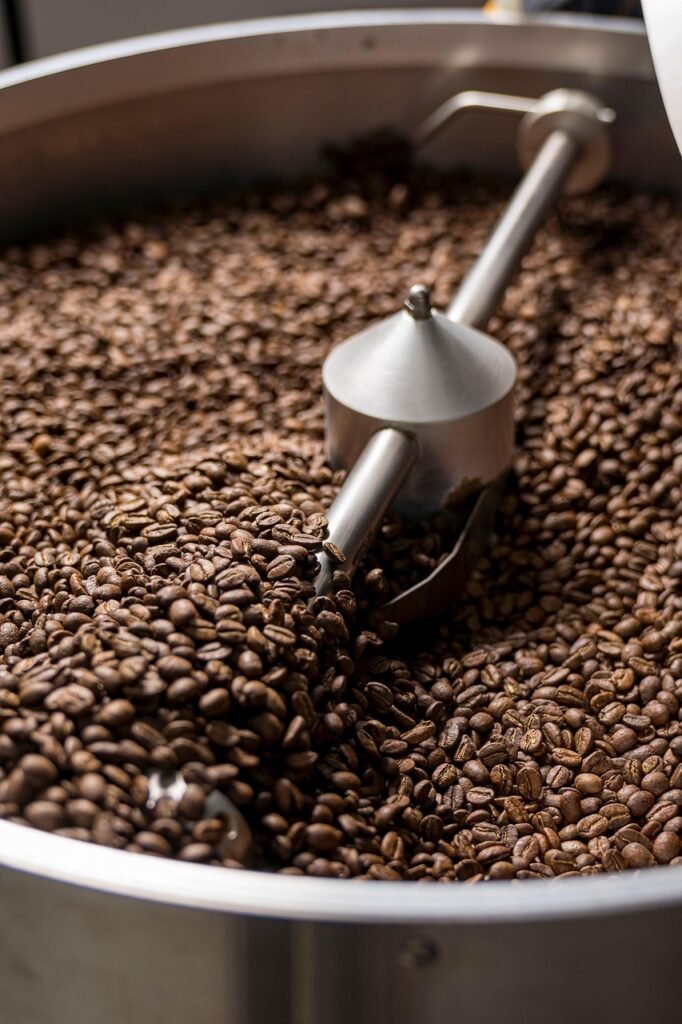
    coffee, coffee roasting, coffee roaster, roasted coffee, coffee beans, coffee roasting machine, process, closeup, coffee, coffee, coffee, coffee, coffee, coffee roasting, coffee roasting, coffee roaster, coffee beans, coffee beans, coffee beans

    Coffee Brewing Equipment Defined


    Light Roast Coffee

    Light roasts are roasted for the shortest amount of time, typically stopped shortly after the “first crack” (when beans expand and crack audibly).

    Flavor Profile:

    • Bright acidity
    • Fruity, floral, or citrus notes
    • Pronounced origin characteristics

    Body & Appearance:

    • Light brown color
    • No surface oils (dryer appearance)
    • Lighter body

    Best For:

    • Pour-over
    • Drip coffee
    • Tasting single-origin beans

    Light roasts highlight the natural character of the coffee bean and the region it comes from. If you love nuanced flavors and enjoy coffee tasting like berries, stone fruit, or tea, light roast is a beautiful place to start.


    Medium Roast Coffee

    Medium roasts strike a balance between origin flavor and roast development. They’re roasted longer than light roasts but stopped before oils rise to the surface.

    Flavor Profile:

    • Balanced acidity
    • Notes of caramel, chocolate, and nuts
    • Smooth and approachable

    Body & Appearance:

    • Medium brown color
    • Minimal oil
    • Medium body

    Best For:

    • Drip coffee
    • French press
    • Espresso (especially when using for milk-based drinks)

    Medium roasts are often the most crowd-pleasing. They offer depth without bitterness and are a great daily driver if you enjoy a well-rounded, comforting cup.


    Dark Roast Coffee

    Dark roasts are roasted well past the second crack, resulting in bold, smoky flavors and visible oils on the bean surface.

    Flavor Profile:

    • Low acidity
    • Bitter-sweet, smoky, or toasted notes
    • Flavors driven by the roast rather than origin

    Body & Appearance:

    • Dark brown to nearly black
    • Shiny, oily surface
    • Full body

    Best For:

    • Espresso
    • Moka pot
    • Cold brew

    Dark roasts are rich and intense, often associated with traditional espresso and classic diner coffee. If you love boldness and a lingering finish, dark roast delivers that familiar, grounding experience.


    A Glimpse Into a Coffee Roaster’s Work

    It would be unfair if we did all this talk about roast-level without mentioning the work that goes into it.

    Behind every roast is a roaster making thoughtful decisions in just minutes. They’re listening for cracks, watching color changes, adjusting heat, and thinking ahead—asking what flavors to highlight and how best to honor the bean’s origin.

    Much of their work happens quietly and repeatedly: testing batches, tasting, adjusting by seconds or degrees, and responding to factors most people never notice, like humidity or bean density. Roasting isn’t about forcing flavor, but carefully revealing what’s already there.

    When we understand this, roast levels become more than labels—they become the result of intention, patience, and craft.


    Which Roast Level Is Right for You?

    Choosing a roast level isn’t about right or wrong—it’s about preference and intention.

    • Love bright, complex flavors? Try light roast.
    • Want balance and versatility? Medium roast is your go-to.
    • Crave bold, smoky depth? Dark roast has your name on it.

    Your brewing method, milk preferences, and even the season can influence what roast feels best. Coffee is meant to be explored—there’s freedom in experimenting.


    Roasting is a craft that requires precision, patience, and creativity. Each roast level tells a different story, revealing how heat shapes flavor and how small choices make a big difference. When we understand roast levels, we can more fully recognize and appreciate the artistry and labor that shape each roast.

    What’s your current go-to roast? We’d love to know!

    Don’t forget to join our coffee community on Instagram @the.coffee.collect!

    -the coffee collect.

  • Geimori T38 Plus Grinder Review

    Geimori T38 Plus Grinder Review

    Geimori T38 Plus Grinder Review: My Honest Experience

    Transparency Note: Wirsh kindly sent me the Geimori T38 Plus grinder to test and review.


    ✨ Exclusive Discount for The Coffee Collect Community

    Wirsh generously offered an exclusive code for our readers!
    Use COFFEECOLLECT30 for $30 off the Geimori T38 Plus Grinder — bringing it down to $149.99, the lowest price ever offered for this grinder!

    I love being able to share deals like this with our coffee community — enjoy! 🙂


    Why This Grinder Caught My Attention

    Coffee is one of the ways I slow down and create moments of stillness, creativity, and connection.

    When Wirsh reached out and offered to send me their Geimori T38 Plus grinder to test, I was very excited—especially because I had heard good things about its burr design and grind consistency. After using the Geimori T38 Plus for a few weeks, I’m sharing my honest thoughts in hopes that it can help the greater coffee community and anyone considering this grinder. (Spoiler alert: It’s a great grinder.)


    First Impressions: Unboxing & Design

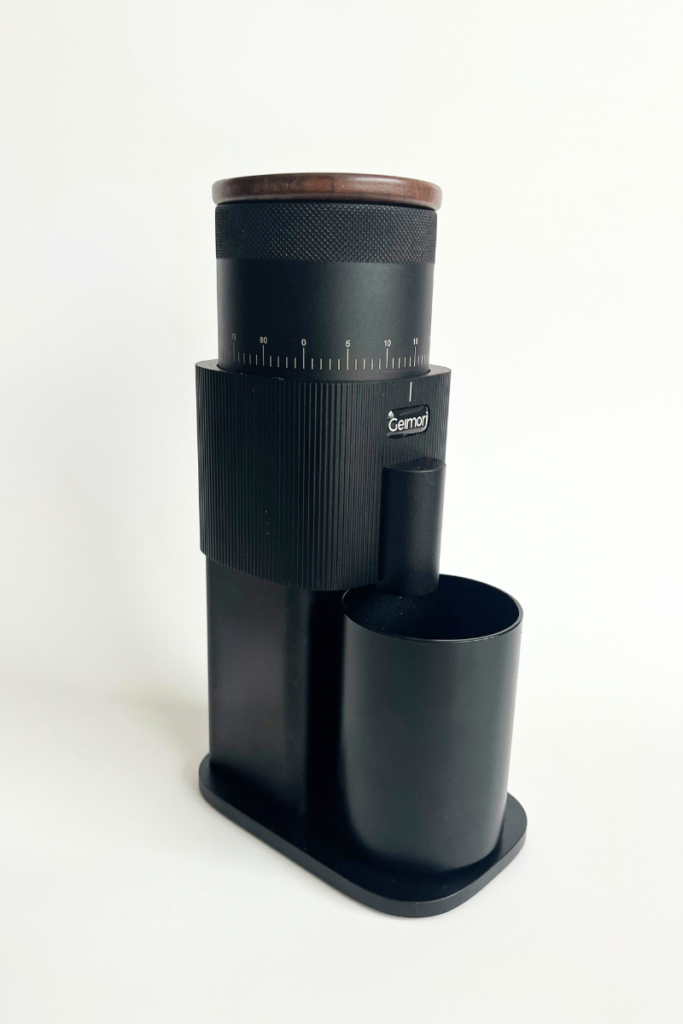
    Right out of the box, the Geimori T38 Plus feels premium. The aluminum build gives it a durable, premium feel, and the wooden accents add a warm, intentional touch that looks beautiful on any coffee bar.

    The design is compact, which is extremely appreciated by someone like me who has limited space. It was noticeable that the power cord plug is fairly large. This didn’t cause a problem for me, but it may be difficult for those who have crowded outlet spaces.

    One thing I appreciated immediately is that the grinder is completely plastic-free, which not only adds to its durability and premium feel but also aligns with a more sustainable and long-lasting coffee setup.

    geimori T38 Plus grinder

    Setup

    If you’re like me, it’s always slightly frustrating when a product you receive makes you go through a long and complicated setup process before you can actually use the product. 

    Thankfully, the Geimori T38 Plus requires very little setup. The process is as simple as plugging it in, turning the dial to your desired grind size, and then pressing one button before you have quality freshly ground coffee.


    Performance Review: The Honest Breakdown

    Grind Quality & Consistency

    The Precision 38mm 6-Axis Conical burrs provide a clean, consistent grind that allows for you to craft a consistent flavor extraction when brewing. Even on coarser settings for cold brew, the particles stayed uniform without random boulders.

    Speed & Noise

    It grinds at a moderate speed—not the fastest, not the slowest. Noise level is also moderate. Not whisper-quiet, not overly loud. Personally, the sound doesn’t bother me at all.

    Ease of Use

    The grind dial is intuitive, and switching from medium to fine is smooth and accurate. There’s truly no learning curve.

    To start grinding, there is one button–the power button. 

    Retention & Cleanliness

    The zero-retention design shines. What you put in is almost exactly what you get out, which allows for much more control and precision in your brewing routine.

    The anti-static tech also makes cleanup minimal. The magnetic dosing cup seems to catch all of the coffee grounds. Out of all of my brewing equipment, the Geimori T38 Plus definitely wins for being the cleanest.

    Note: One thing I noticed while using is that sometimes a few beans remain in the hopper instead of feeding fully into the burrs. A gentle tap on the side of the grinder helps them fall through so everything gets ground. Not a dealbreaker, but worth mentioning.


    Steps for Buying the Right Espresso Machine


    Pros & Cons Overview

    Pros

    • Single-dose design
    • Consistent grind quality
    • Compact footprint
    • Plastic-free build
    • Durable, attractive design
    • Low retention
    • Simple operation
    • Cleanliness

    Cons

    • Slightly higher price point for beginners
    • Noise level is average—not loud, but not silent
    • Occasionally requires tapping the grinder to ensure all beans enter the burrs
    • The power cord plug is fairly large and may be difficult to use in tight or crowded outlet spaces

    Who This Grinder Is Best For

    This grinder is ideal for:

    • Home baristas wanting to level up their daily brews
    • Home baristas with limited space
    • Anyone who values design + functionality
    • Medium to advanced coffee drinkers looking to fine-tune and experiment with their coffee methods
    • Baristas wanting to take their grinder on the go (make sure to check out the T38 if this is you! click HERE)

    It may not be perfect for:

    • Beginners wanting a budget grinder (keep an eye out for when the Geimori T38 Plus goes on sale!)
    • Anyone grinding large batches daily
    • Those needing a grinder for continuous commercial use

    Would I Recommend It?

    Yes—especially if you’re someone who values quality and consistency in your daily cup. The Geimori T38 Plus brings together craftsmanship, simplicity, and performance in a way that feels intentional. It quickly earned a spot in my coffee routine.

    Have a special $30 off when you use code: COFFEECOLLECT30

    (This is the biggest discount the Geimori T38 Plus has ever had, making it only $149.99!!)

    Not exactly what you’re looking for? I recommend exploring the other quality products Wirsh offers for elevating your coffee setup!


    Coffee has a beautiful way of bringing people together, sparking conversation, and creating community. Tools that make the brewing process smoother help make space for those moments of connection, and the T38 Plus is one I feel confident recommending.

    Catch me using this grinder on Instagram @the.coffee.collect

    -the coffee collect.