Category: the how-to

brewing, equipment, buying guides, & product reviews

  • Steps for Buying the Right Espresso Machine

    Steps for Buying the Right Espresso Machine


    Buying an Espresso Machine That Actually Fits You

    Let’s be honest, buying an espresso machine can feel overwhelming.

    Between the endless specs, pressure bars, milk frothers, and boiler types, it’s easy to wonder if you’ll ever find the “right” one.

    Maybe you’ve scrolled through dozens of options only to feel more confused than when you started. I’ve been there, trust me.

    Or maybe you’ve already bought one that didn’t quite meet your expectations—too bulky, too slow, too complicated, or just not giving that café-level taste you were hoping for.

    We get it.

    Espresso machines aren’t one-size-fits-all, and choosing the right one shouldn’t feel like a gamble.

    Your espresso machine should match you—your lifestyle, your space, and your coffee goals.

    That’s why we’re breaking down the key steps to help you make an informed, confident decision. By understanding what you actually need (and what you don’t), you’ll not only save money, but you’ll set yourself up for the kind of daily coffee experience you’ll look forward to.
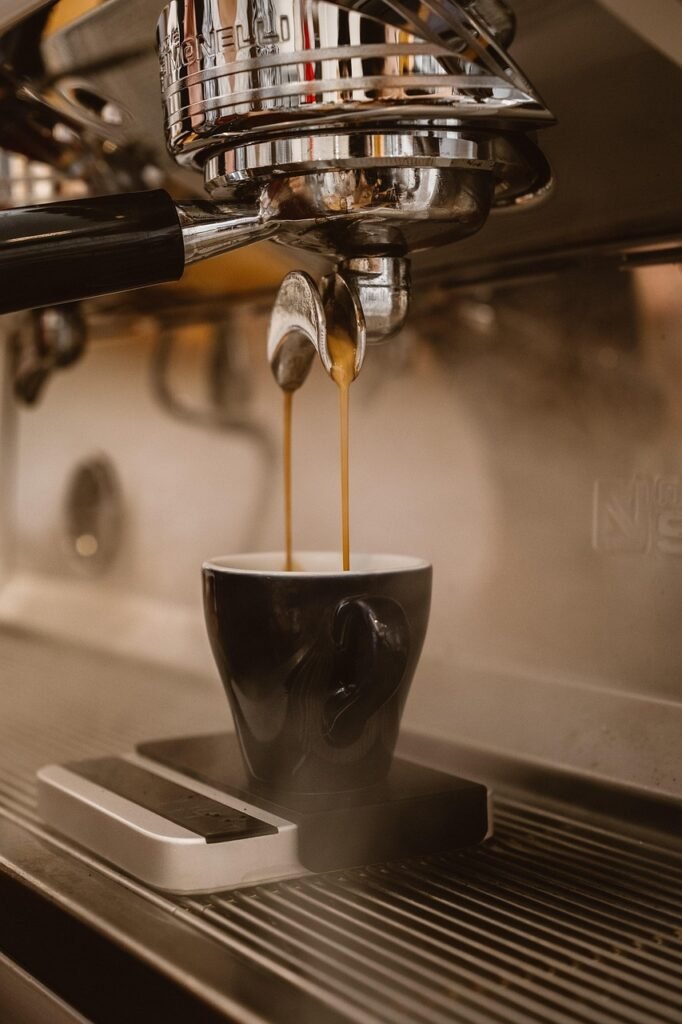
    coffee, espresso, caffeine, morning, machine, drink, flavor, aromatic, espresso, espresso, espresso, espresso, espresso, caffeine

    Step 1: Know What You’ll Be Demanding from Your Machine

    Before you even look at brands or models, ask yourself:

    • How often will I use it?
    • Do I mostly drink espresso, or do I love milk-based drinks like lattes and cappuccinos?
    • Do I want full control over the brewing process, or something more automatic?
    • How much counter space do I have?

    Your answers will shape everything else. Someone brewing two shots a day has very different needs than someone serving up a coffee for each person in the household every morning.

    The more you know about what you’ll demand from your machine, the better you can narrow down your options.


    Step 2: Understand Espresso Machine Types

    There are several main types of espresso machines, and each fits a different kind of user:

    • Manual machines: Great for coffee purists who enjoy total control. But they require skill, patience, and experimentation—every shot is a craft.
    • Semi-automatic machines: Perfect balance between control and convenience. You still grind, tamp, and start the shot, but the machine handles pressure and timing.
    • Automatic or super-automatic machines: Ideal for busy mornings. These do almost everything for you, from grinding beans to frothing milk.
    • Pod machines: Fast, clean, and consistent, but less customizable and more expensive per shot over time.

    Step 3: Think About Size and Design

    Counter space is precious, especially in small apartments or those itty bitty dorm rooms.

    Before you fall in love with a machine online, check the dimensions and consider where it will live in your kitchen.

    Compact models can still pack a punch, but they often have smaller water tanks or less powerful steam wands. Larger machines may handle multiple drinks at once but could dominate your countertop. Always balance aesthetic and functionality before you buy.


    Step 4: Learn About Boilers and Thermoblocks

    Boilers are the heart of any espresso machine. They control water temperature and steam pressure. There are a few types worth knowing:

    • Single boiler: Heats water for brewing and steaming, but not at the same time. This means that you cannot pull an espresso shot while steaming milk simultaneously. Affordable and compact, but slower if you make hot, milk-based drinks often.
    • Heat exchange (HX): Uses one boiler but allows you to brew and steam simultaneously by channeling water through a heat exchanger. A great middle ground.
    • Dual boiler: Has one dedicated boiler for brewing and another for steaming. Ideal for advanced home baristas who want precision and speed. These are usually larger and pricier.
    • Thermoblock systems: Instead of using a traditional boiler, these heat water on demand as it passes through a metal block. They’re efficient, compact, and heat up quickly—perfect for beginners or those short on space. However, they may struggle to maintain consistent temperature for back-to-back shots compared to dual boilers

    Step 5: Check Voltage and Power Requirements

    In the U.S., most home espresso machines are designed for 120 volts, which is standard for kitchen outlets. Higher-end, commercial-style machines may require 220 volts, which means special wiring or outlets.

    Always confirm before buying—nothing’s worse than unboxing your dream espresso machine only to realize it won’t plug in…


    The Best Burr Coffee Grinders


    Step 6: Consider the Features That Actually Matter

    It’s easy to get caught up in fancy terms and shiny buttons. Instead, focus on what will actually improve your daily coffee experience:

    • Built-in grinder: Convenient and space-saving. This is ideal if you will only be brewing espresso. However, if you like to freshly grind your coffee beans for different brewing methods like french press or cold brew, you may want to invest in a separate grinder that has more grind size settings.
    • PID (Proportional-Integral-Derivative) temperature control: A system that regulates water temperature very precisely, keeping it stable for consistent shots and preventing over- or under-extraction. Some machines have a PID while others do not; it is more common in higher-end and semi-automatic or dual-boiler machines. It is important if you value consistency, precision, and want more control over espresso quality, but less critical for casual or beginner use.
    • Steam wand quality: Essential if you love milk-based drinks. It allows you to create smooth microfoam for lattes and cappuccinos, which improves drink texture and flavor. There is a learning curve to using a steam wand, but with practice it becomes fun and rewarding once you start nailing the latte art 😉
    • Pressure bars: 9 bars is standard for proper espresso extraction. Don’t fall for marketing hype claiming 15 or 20 bars automatically means better coffee. Espresso machines rated 9, 15, or 20 bars can all make quality espresso, so this shouldn’t be a deciding factor.
    • Ease of cleaning: A huge factor for long-term happiness. Customer reviews often give honest remarks on the upkeep an espresso machine may require, so I recommend you check those out before making a purchase.

    Step 7: Balance Budget and Longevity

    Espresso machines can range from under $200 to way over $2,000. While higher price often means better build quality and features, it’s more important to find something that fits your current needs—and that you’ll actually use. A smaller, reliable beginner-friendly machine can be a better investment than an expensive one that collects dust.


    Step 8: Compare and Choose the Right Fit

    Now that you know what to look for, here are a few machines we recommend based on different needs (linked below for easy access):

    • Best for Everyday Home Use: Breville Barista Express — combines an integrated grinder, precise espresso extraction, and manual controls for an all-in-one, barista-style experience.
    • Best for Aspiring Baristas: Gaggia Classic Pro — excellent control and long-lasting quality.
    • Best for Advanced Home Baristas: Rancilio Silvia Pro or Ascaso Steel DUO Espresso Machine — both offer exceptional control and craftsmanship. The Rancilio Silvia Pro features dual boilers for powerful, simultaneous brewing and steaming, while the Ascaso Steel DUO offers PID temperature control, dual thermoblocks, and volumetric controls for precision brewing.

    Each of these machines fits a different kind of coffee lifestyle—what matters most is finding the one that fits yours. Make sure to explore the different features of a machine before purchasing.


    Final Thoughts

    Choosing the right espresso machine isn’t about finding the most expensive or popular one—it’s about understanding what you need from it. Once you identify your habits, preferences, and expectations, the right choice becomes much clearer.

    So, take a moment to think about what you’ll truly demand from your machine, and when you do finally bring it home, you’ll be ready to pull shots that fit your taste, your rhythm, and your everyday life.

    Reach out if you have any more advice, comments or concerns. We’d love to hear from you.

    Coffee creates community.

    -the coffee collect.
  • Understanding Coffee Body: The Science of Mouthfeel

    Understanding Coffee Body: The Science of Mouthfeel


    What Does “Body” Mean in Coffee?

    When you first start learning about coffee tasting, you might hear people ask, “What does body mean in coffee?”

    It’s a great question — and one that goes far beyond flavor. In coffee, body refers to the mouthfeel, or the physical sensation of the brew on your tongue. Some coffees feel light and tea-like, while others are rich, dense, and creamy.

    When someone describes a coffee as light-bodied or full-bodied, they’re not talking about flavor — they’re describing texture.

    ☕ Think of it like milk:

    • Light-bodied coffee = skim milk
    • Medium-bodied coffee = 2% milk
    • Full-bodied coffee = whole milk or cream

    Body gives coffee its presence. It’s what makes one brew feel refreshing and airy, and another feel velvety and indulgent.

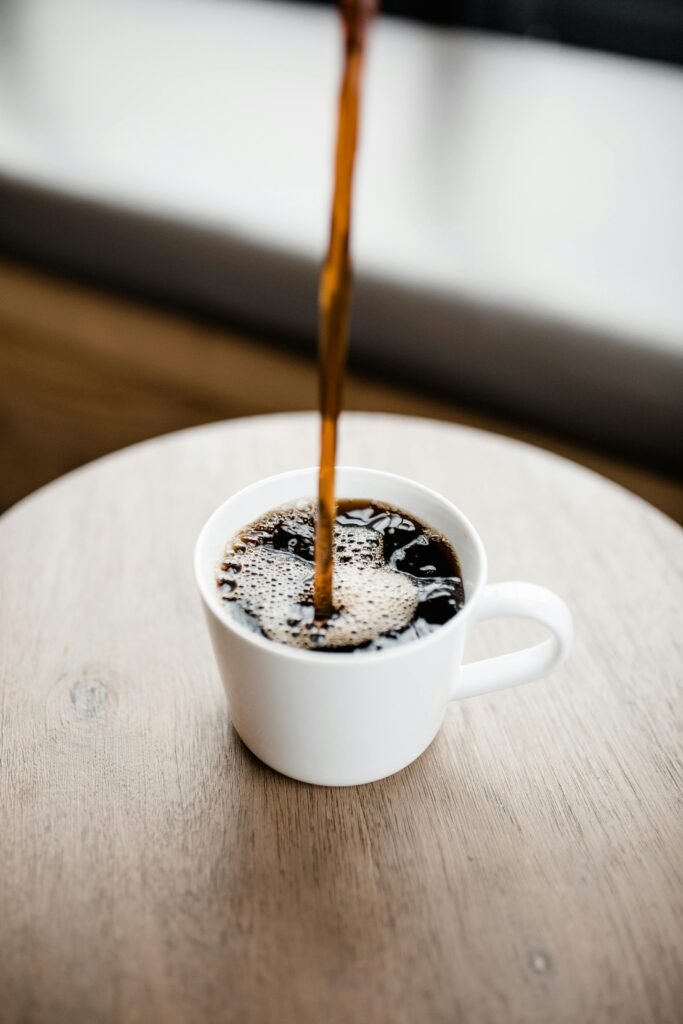
    Steaming black coffee being poured into a white ceramic mug on a wooden table.

    The Science Behind Coffee Body

    Here’s where chemistry meets your morning cup.

    When you brew coffee, hot water extracts a mix of soluble compounds (things that dissolve in water) and insoluble compounds (things that don’t). Together, these influence how “thick” or “thin” your coffee feels.

    The key players are:

    • Lipids (coffee oils):
      These natural oils — about 15–17% of Arabica beans by dry weight — add richness and smoothness. More oils = heavier mouthfeel.
      (Fun fact: paper filters remove most of these oils, which is why pour-overs taste cleaner than French press.)
    • Polysaccharides (complex sugars):
      Long-chain carbohydrates like galactomannans and arabinogalactans dissolve partially in water and add viscosity — that subtle thickness you feel on your tongue.
    • Melanoidins:
      These are dark brown compounds formed during the Maillard reaction (the same process that browns bread or sears steak). Melanoidins make coffee feel dense and coating, while also contributing to its deep aroma and color.

    🧠 In short: Coffee’s body comes down to chemistry — how much of these oils, sugars, and compounds make it into your cup.


    Understanding Coffee Acidity


    How Processing Affects Body

    Not all beans are created equal — how they’re processed after harvest has a major impact on texture.

    Processing MethodTypical BodyExplanation
    Washed (Wet Process)LightBeans are washed clean of fruit before drying. This makes for a crisp, bright cup with a lighter body.
    Natural (Dry Process)HeavyThe coffee dries with the fruit still attached, infusing more sugars and oils — resulting in a syrupy, full-bodied brew.
    Honey ProcessMediumSome of the fruit mucilage is left on during drying. This balances sweetness with a smooth, medium body.

    💡 Side note: “Honey process” doesn’t actually involve honey — the name refers to the sticky, golden texture of the coffee pulp!


    How Origin and Altitude Play a Role

    • High-altitude coffees (like Ethiopian or Kenyan) develop more acidity and lighter body — crisp, clean, and tea-like.
    • Low-altitude coffees (like Brazilian or Sumatran) tend to have heavier body — smooth, nutty, and chocolate-forward.

    That’s why Ethiopian coffees often taste like a bright fruit tea, while Sumatran coffees feel rich and earthy.


    How Brewing Method Changes the Mouthfeel

    Different brew methods extract different compounds, which changes how the coffee feels in your mouth.

    Brew MethodBody LevelWhy
    EspressoHeavyHigh pressure pulls out oils and solids quickly, creating a rich, dense crema.
    French PressHeavyMetal filters allow oils and fine particles to pass through — think silky, round texture.
    Pour-over (V60, Chemex)Light to MediumPaper filters trap oils and sediment for a clean, crisp cup.
    Cold BrewMedium to HeavyLong steeping time extracts sugars and oils, giving a smooth, velvety finish.

    🧪 Coffee chemistry tip: If your coffee feels too “thin,” try using a coarser grind, a metal filter, or a longer brew time to extract more body.


    How to Taste and Describe Body

    Next time you sip, focus on the texture, not just the flavor:

    • Does it feel light and watery, or dense and coating?
    • Does it linger, or disappear quickly?
    • Does it feel silky, syrupy, or tea-like?

    Professional coffee cuppers (testers) actually score “body” as part of the SCA (Specialty Coffee Association) evaluation system — it’s considered just as important as aroma, acidity, and flavor.


    Examples of Coffee Body in Action

    Body TypeFeels LikeCommon Coffee Examples
    LightClean, tea-likeWashed Ethiopian, Kenyan AA
    MediumSmooth, balancedCosta Rican or Guatemalan washed
    Heavy / FullCreamy, syrupy, lingeringSumatran, Brazilian natural, espresso

    In Summary: The Beauty of Body

    The body of your coffee is where science meets sensation. It’s the chemistry of oils, sugars, and roasting reactions expressed as texture and weight — the feel of flavor.

    Light-bodied coffees dance. Full-bodied coffees linger.

    And knowing the difference helps you brew better and become the cupping expert you’ve always aspired to be.


    Written with love (and plenty of caffeine) by

    -the coffee collect.


    Come join our coffee community on Instagram @the.coffee.collect!


  • 5 Common Coffee Brewing Mistakes You Might Be Making

    5 Common Coffee Brewing Mistakes You Might Be Making

    If you’ve ever taken that first sip of your morning cup and thought, “Hmm… something’s off,” you’re not alone. Brewing coffee is both an art and a science—and sometimes even the most passionate coffee lovers make small mistakes that affect the taste in a big way. The good news? These common errors are easy to fix once you know what to look for.

    At thecoffeecollect.com/, we believe coffee should be a joyful ritual, not a frustrating guessing game. Let’s walk through five common coffee brewing mistakes (and how to fix them) so your next cup is your best yet.


    1. Using Pre-Ground Coffee

    Pre-ground coffee might be convenient, but it loses its freshness quickly after grinding. This means you’re missing out on the bold flavors and aromas that make coffee shine.

    The Fix:
    Grind your beans just before brewing. A burr grinder gives you control over consistency and freshness. Using a burr grinder elevates your coffee routine. Trust me, once you start using freshly ground coffee every morning you won’t be able to go back.

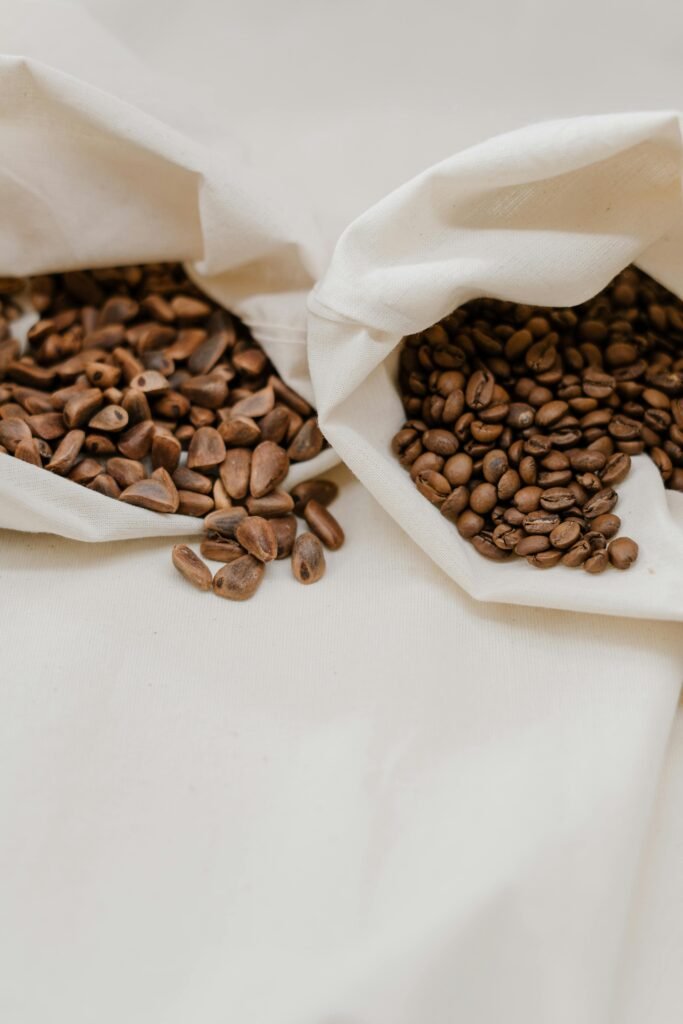
    Organic coffee beans displayed in natural cloth bags, emphasizing sustainability.

    2. Ignoring Grind Size

    Grind size plays a huge role in flavor. Using the wrong grind for your brewing method often leads to under-extraction (sour taste) or over-extraction (bitter taste).

    The Fix:

    • Match your grind size to your brewing method for balanced flavor.
    • Check out our Coffee Grind Size Guide for simple instruction

    Click to Read: The Best Burr Coffee Grinders


    3. Brewing with Old or Stale Beans

    Coffee doesn’t last forever. If your beans have been sitting open on the counter for weeks, you’re probably drinking dull, flat coffee.

    The Fix:
    Buy freshly roasted beans in small batches and store them in an airtight container away from light and heat. Bonus tip: Skip the fridge or freezer—it can mess with the oils that give coffee its flavor.


    4. Using Tap Water Without Thinking Twice

    Coffee is 98% water, so the water you use matters. Tap water that’s too hard, too soft, or has a strong taste can ruin your brew.

    The Fix:
    Simply use the water that tastes the best to you 😉


    5. Not Experimenting with Brew Methods

    Falling into the same coffee routine every day can keep you from discovering the unique flavors and methods that the coffee world has to offer. Each brew method—French press, pour-over, espresso, AeroPress, cold brew—brings out different notes.

    The Fix:
    Switch things up! Try your favorite beans in a new method and pay attention to the flavor differences. Coffee isn’t one-size-fits-all; experimenting helps you find what you truly love.

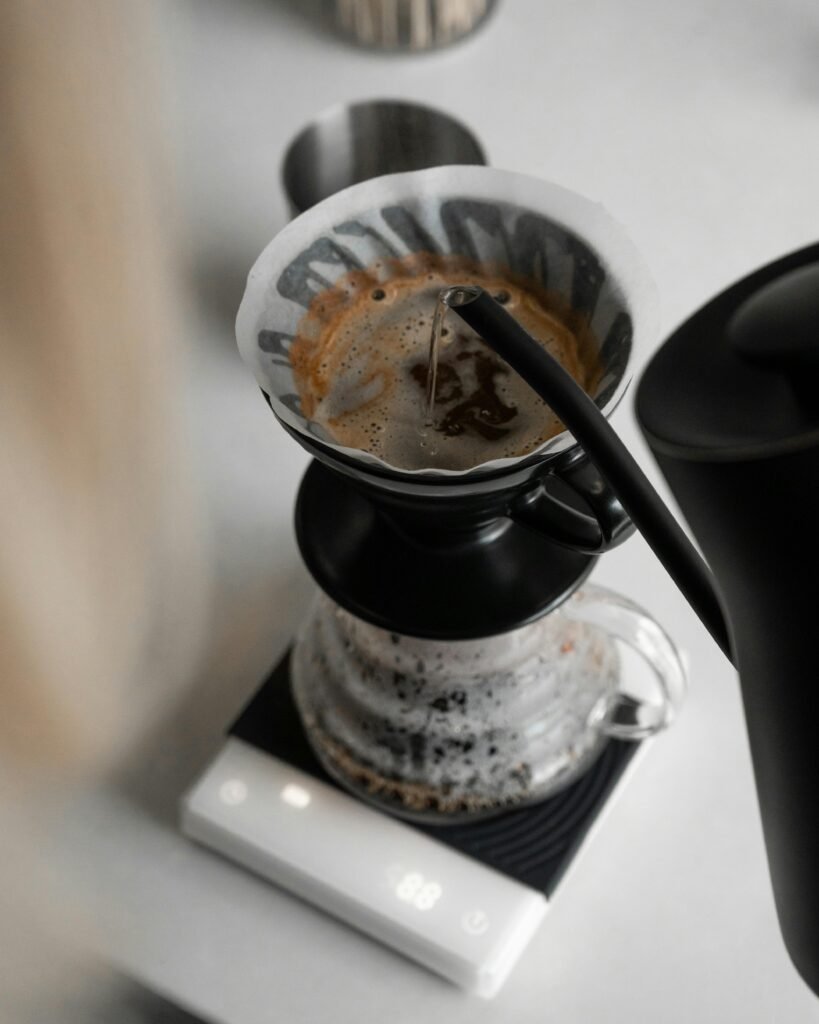
    Close-up of a precision pour over coffee brewing process with a kettle and scale.

    Brew Better, Sip Happier

    Making small adjustments to your coffee routine can completely transform your morning ritual. Whether it’s grinding fresh, experimenting with new brew methods, or simply upgrading your water, these fixes help you unlock richer, smoother, and more balanced flavors in every cup.

    We’re here to help you celebrate the art and science of coffee—without the guesswork. So, the next time you brew, keep these tips in mind and enjoy the difference in your cup.

    What’s the biggest coffee brewing mistake you’ve made and how did you fix it? We’d love to hear your story!

    Don’t forget to join the coffee community on Instagram @the.coffee.collect!

    -the coffee collect.


  • Understanding Coffee Acidity | A Simple Explanation

    Understanding Coffee Acidity | A Simple Explanation


    What Is Coffee Acidity?

    In coffee terms, “acidity” is about the bright, lively flavors that make a coffee taste vibrant. Think of it like the crispness in a fresh apple or the tang in a ripe berry.

    Acidity is essentially the personality of your coffee. It adds depth, balance, and character. Without it, coffee can taste flat or dull. Specialty coffees love to show off their acidity because it turns every cup into a mini adventure.


    Different Types of Acidity in Coffee:

    Common types you might taste as you develop your coffee palate:

    • Phosphoric – tropical fruit sweetness
    • Citric – lemon, orange, grapefruit
    • Malic – green apple, pear
    • Tartaric – grape, wine-like
    • Acetic – light vinegar-like tang (can be pleasant in small amounts)
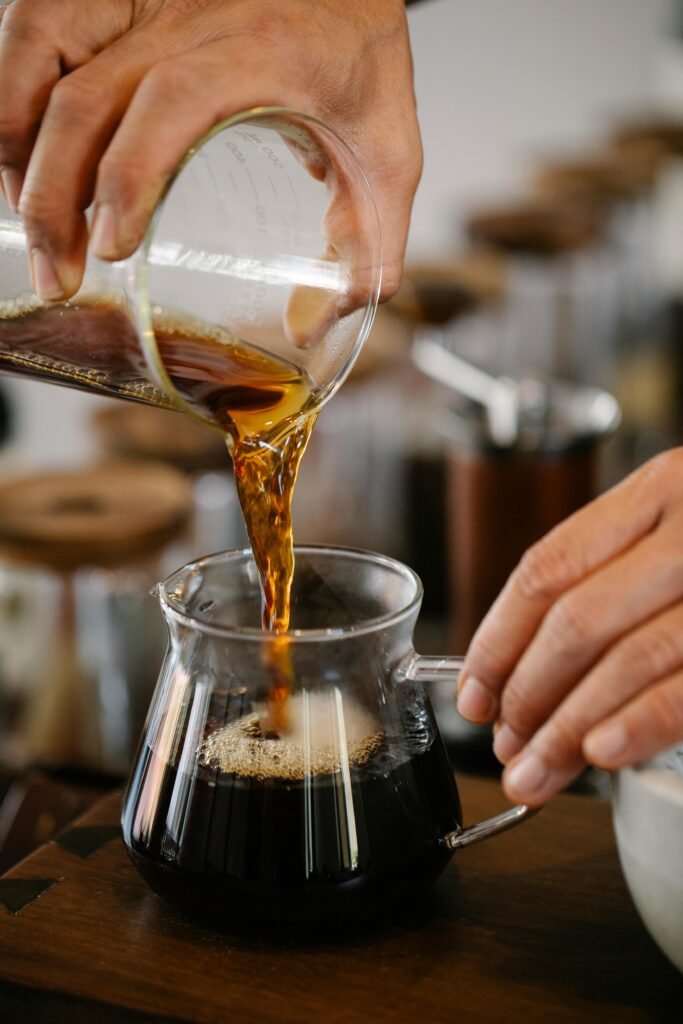
    Crop unrecognizable male barista pouring freshly brewed aromatic coffee from glass measuring pitcher into hot at counter

    What Affects Coffee’s Acidity?

    • Origin: Ethiopian coffees tend to be bright and floral; Brazilian coffees often have lower acidity and more chocolate notes.
    • Processing Method: Washed coffees often have higher perceived acidity; natural processed coffees can have softer, fruitier acidity.
    • Roast Level: Light roasts usually preserve acidity; darker roasts mellow it out.
    • Brew Method: Pour-over can highlight acidity, while French press tends to smooth it.

    Siphon Coffee Makers


    How to Choose the Right Level of Acidity for You

    Love fruity, lively coffee? Go for light-roast African beans. Prefer smooth and mellow? Medium or dark roasts from Latin America or Asia will make you happy. Want a little bit of both? Blends that combine different origins are your best friend.


    Is Coffee Acidity Bad for You?

    In most cases, coffee’s acidity is a positive flavor trait and not harmful. However, for people with sensitive stomachs, acid reflux, or digestive conditions, it can sometimes cause discomfort.

    Coffee’s pH is usually around 4.5–6, which makes it mildly acidic compared to water. If you find coffee irritating, try:

    • Choosing low-acid coffees from origins like Brazil or Sumatra. Lucy Jo’s Coffee Organic Mellow Belly Low Acid Blend is our recommendation, its smooth, flavorful, and gentle on the tummy.
    • Opting for cold brew, which is naturally less acidic.
    • Adding milk or a dairy alternative to help neutralize acidity.
    • Using immersion brewing methods like French press instead of methods that highlight acidity, such as certain pour-over techniques (like V60 or Chemex) or bright espresso extractions.

    Just like people, coffee has its own unique personality. Some are bright and lively, others are calm and mellow — and that’s what makes sharing coffee such a joy.

    Don’t forget to join our coffee community on Instagram @the.coffee.collect!

    -the coffee collect.

  • What Is Blonde Espresso? A Simple Explanation

    What Is Blonde Espresso? A Simple Explanation

    Have you ever spotted “blonde espresso” on a café menu and thought, Wait… is this coffee trying to go platinum blonde? Jokes aside, it does sound a little mysterious. Does it taste different? Does it have less caffeine? Is it just another trendy buzzword? The good news is that blonde espresso is less complicated than it sounds—it’s simply a fun twist on the espresso you already know and love. Let’s break it down so you’ll feel like the most informed coffee friend in the group chat.

    First things first: espresso describes a brewing method—high-pressure, quick extraction—but it’s still coffee. All espressos are coffee, but not all coffee is espresso. Meanwhile, “blonde” refers to the roast level of the beans used—not a special category but usually a lighter, golden‑brown roast with brighter, sweeter flavor.


    Roast Categories & Why They Matter

    Here are the four most-common roast categories:

    • Light roast – the bubbly extrovert; golden brown, bright, and acidic.
    • Medium roast – the balanced friend; steady, approachable, easy to love.
    • Medium-dark roast – the one with a little sass; deeper color, fuller body, bold.
    • Dark roast – the mysterious one in the corner; shiny, smoky, and strong.

    Blonde espresso is espresso made from the lighter‑roast personality. That means instead of the brooding, smoky flavor of dark espresso, you get something smoother, sweeter, and a little more playful.

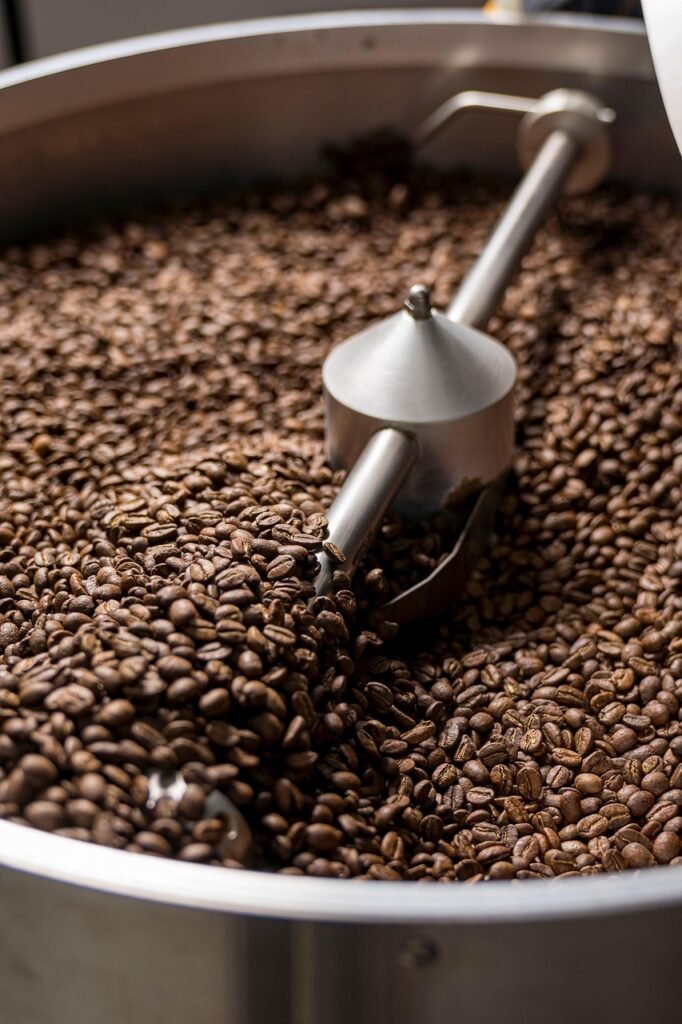
    coffee, coffee roasting, coffee roaster, roasted coffee, coffee beans, coffee roasting machine, process, closeup, coffee, coffee, coffee, coffee, coffee, coffee roasting, coffee roasting, coffee roaster, coffee beans, coffee beans, coffee beans

    So, What Is Blonde Espresso… Really?

    In simple terms: a blonde espresso is a marketing label for espresso pulled from lightly roasted beans. It’s not a new brewing method—just a different roast profile that gives you a brighter, slightly sweeter experience.


    Where, Why, and When Did Blonde Espresso Become Popular?

    Blonde espresso hit the big stage in the late 2010s when Starbucks introduced it as a gentler, smoother option for everyday drinkers. The timing was perfect: coffee culture was shifting toward lighter roasts, highlighting more of the bean’s natural flavors. Suddenly, those who thought espresso was “too strong” had a friendlier entry point, and blonde espresso became the star of iced lattes everywhere.


    Brewing at Home: How to Make Blonde Espresso

    Brewing a blonde espresso at home isn’t rocket science—it’s just as simple (and fun!) as brewing regular espresso:

    A cozy cappuccino glows in the warm sunset light on a wooden table, inviting relaxation.

    Take Note

    Don’t let the word “light” fool you—light roasts often have more caffeine than dark roasts. So blonde espresso is smooth in flavor but mighty in energy. Your morning wake‑up call just got an upgrade.


    Quick Comparison

    FeatureBlonde Espresso (Light Roast)Traditional Espresso (Dark Roast)
    Flavor ProfileBright, smooth, subtly sweetBold, smoky, rich and often more bitter
    Caffeine ContentOften slightly higherSlightly lower
    Aroma & AcidityMore origin flavor, higher acidityDeep, roast-forward, lower acidity

    Blonde espresso isn’t some secret, intimidating coffee code. It’s just espresso—made lighter, brighter, and a little sweeter. If you’ve been curious, now’s the perfect time to order it on your next café run or brew it at home. Who knows? It might just become your new coffee crush.

    Let us know your thoughts on blonde espresso!

    Don’t forget to follow us on Instagram @the.coffee.collect!

    -the coffee collect.

  • Fall Coffee Bar Ideas: How to Create a Cozy Autumn Coffee Station at Home

    Fall Coffee Bar Ideas: How to Create a Cozy Autumn Coffee Station at Home

    Fall Coffee Bar Ideas: How to Create a Cozy Autumn Coffee Station at Home

    When the leaves turn golden and the mornings carry that crisp, sweater-weather air, it’s time to bring a little autumn magic into your home — starting with your coffee bar.

    Picture this: you’ve packed away the summer pastels, the air smells faintly of cinnamon, and there’s a brand‑new pumpkin mug just waiting to be filled.

    This is your invitation to turn that coffee corner into a little slice of autumn — warm, cozy, and brimming with seasonal charm.


    1. Add Seasonal Fall Decor

    Fall coffee bar decor is all about texture and warmth. Think a warm autumn color palette: burnt orange, golden yellow, deep burgundy, and rich browns. Use these colors in table runners, wall art, or small accents like coasters and napkins. Even swapping your coffee bar backdrop with a seasonal wreath or garland can instantly make the space feel autumn-ready.

    • Mini pumpkins (click HERE to buy)
    • A rustic wooden tray for your syrups and sweeteners (click HERE to buy)
    • A Pumpkin Spice Candle — the perfect smell to pair with the perfect taste of your pumpkin spice lattes! (click HERE to buy)
    • Fall Coasters (click HERE to buy)
    • Autumn Napkins (click HERE to buy)
    pumpkin spice candle

    These small touches will give your coffee station that “pumpkin patch meets coffeehouse” feel. Always keep an eye out for these things at thrift stores!


    2. Showcase Your Fall Coffee Mugs

    One of the easiest ways to bring fall charm is with seasonal glasses and mugs. Think plaid patterns, pumpkin prints, or mugs with cozy sayings like “Hello Pumpkin” or “Sweater Weather.” Display them on hooks, open shelves, or a tiered tray for a functional yet decorative touch.

    Here are some of our favorites below:


    3. Stock Up on Fall Coffee Syrups & Flavors

    No fall coffee bar is complete without the flavors that define the season:

    Pro tip: Keep your syrups in labeled glass bottles for a clean, café-inspired look.


    Pumpkin Cream Cold Brew


    4. Include Seasonal Coffee & Tea Options

    Rotate in fall-inspired coffee blends like a Spiced Apple Pie or a Frosted Pumpkin Roll coffee. If you have tea lovers in your home, add chai tea and spiced apple blends for an autumn alternative.


    5. Layer in Cozy Textures

    A fall coffee bar should invite you to linger. Add a soft throw blanket draped over a nearby chair, gather the books on your fall reading list, and add a basket with autumn flowers. Texture makes the space feel lived-in and warm.

    Warm and inviting interior scene featuring a cozy mug and open book on a blanket.

    Bringing It All Together

    Your cozy autumn coffee station should be a gathering point. It’s where you and a friend can linger over maple lattes, where family members stop by for a quick chat while pouring a fresh cup, and where neighbors feel welcome to pull up a chair. With warm colors, inviting textures, and flavors that taste like fall in a cup, your coffee corner becomes a little hub of connection.

    So light that cinnamon candle, pour two mugs of pumpkin spice lattes, and let the conversations flow as easily as the coffee.

    We’d love to see your cozy fall coffee bar!

    Tag us on Instagram @the.coffee.collect to share with the coffee community!

    -the coffee collect.