Tag: Coffee

  • The Best Valentine’s Day Coffee Recipes | 2025

    The Best Valentine’s Day Coffee Recipes | 2025

    The Best Valentine’s Day Coffee Recipes | 2025

    One of the most beautiful things about coffee is how it brings people together—it’s almost like a love language of its own. That’s what makes coffee the perfect for Valentine’s Day, or love in general.

    Planning a first date? Coffee. Surprising your spouse with a gourmet breakfast in bed? Coffee. Hosting a fun Galentine’s gathering? Coffee. Always coffee.

    This Valentine’s Day, let’s celebrate love through the love language of coffee. We’ve collected some delicious Valentine’s Day coffee recipes to help you brew up some love.


    “True love is not found in the grand gestures, but in the daily acts of kindness and compassion we show to one another.” – St. Valentine

    1. Rose-Infused Mocha

    A floral and chocolatey delight, this rose-infused mocha is both elegant and decadent.

    Rose infused mocha with dried rose petals on top as a garnish
    Ingredients:
    • 1 shot of espresso (or ½ cup strong brewed coffee)
    • 1 cup milk of choice
    • 1 tbsp cocoa powder
    • 1 tbsp rose syrup
    • ½ tsp vanilla extract
    • Whipped cream and dried rose petals for garnish
    Instructions:
    1. Heat or steam the milk and whisk in cocoa powder until smooth.
    2. Brew espresso and mix it with the rose syrup and vanilla extract.
    3. Pour the chocolate milk over the espresso mixture and stir well.
    4. Top with whipped cream and sprinkle with dried rose petals.
    5. Serve in a Valentine’s mug and enjoy!

    For Valentine’s Day Coffee Mugs, click HERE


    2. Strawberry Sweetheart Latte

    This latte combines the natural sweetness of strawberries with the boldness of coffee and can be enjoyed hot or cold.
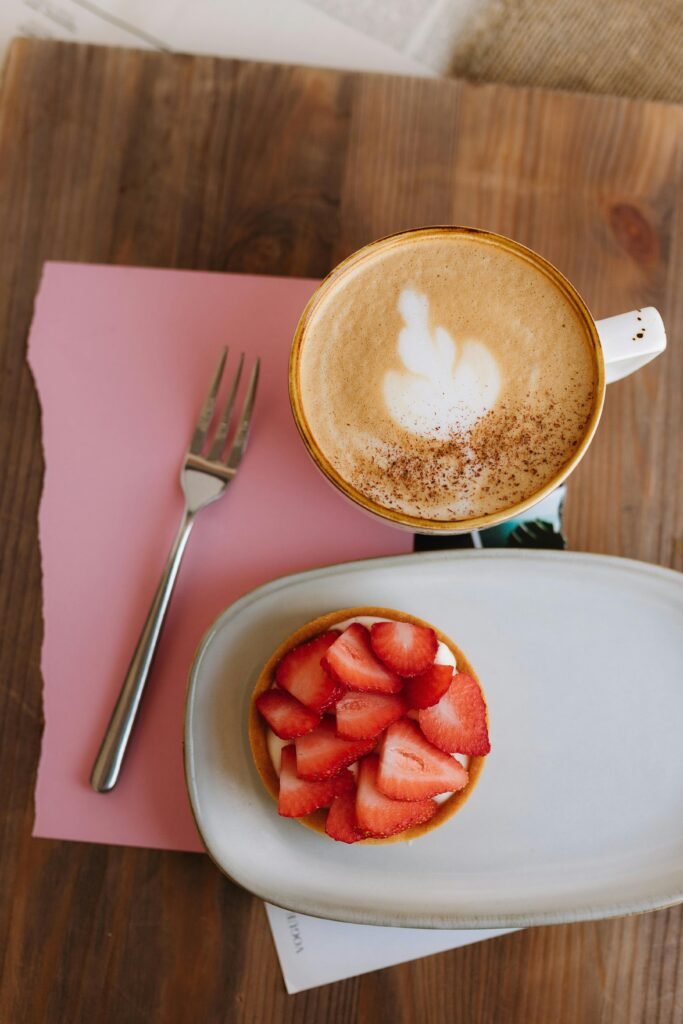
    Delicious cappuccino with latte art served with a fresh strawberry tart.
    Ingredients:
    • 1 shot of espresso
    • 1 cup milk of choice
    • 2 tbsp strawberry purée (or 2 pumps strawberry syrup)
    • 1 tbsp honey or sweetener of choice
    • Whipped cream and fresh heart-shaped strawberry slices for garnish
    Instructions:
    1. Hot latte: steam the milk and blend in the strawberry purée and honey. Iced latte: Drizzle strawberry purée around a glass for extra effect and fill with heart-shaped ice. Mix the milk, strawberry purée, and honey until well combined and pour over ice.
    2. Hot latte: Brew your espresso and pour it into a serving cup. Iced latte: Brew your espresso and pour it over your iced milk.
    3. Hot latte: Slowly add the strawberry-infused milk to create a smooth layer.
    4. Top with whipped cream and garnish with fresh, heart-shaped strawberry slices and enjoy!

    3. Chocolate Raspberry Affogato

    Affogato is the perfect dessert-style coffee for finishing a romantic evening.
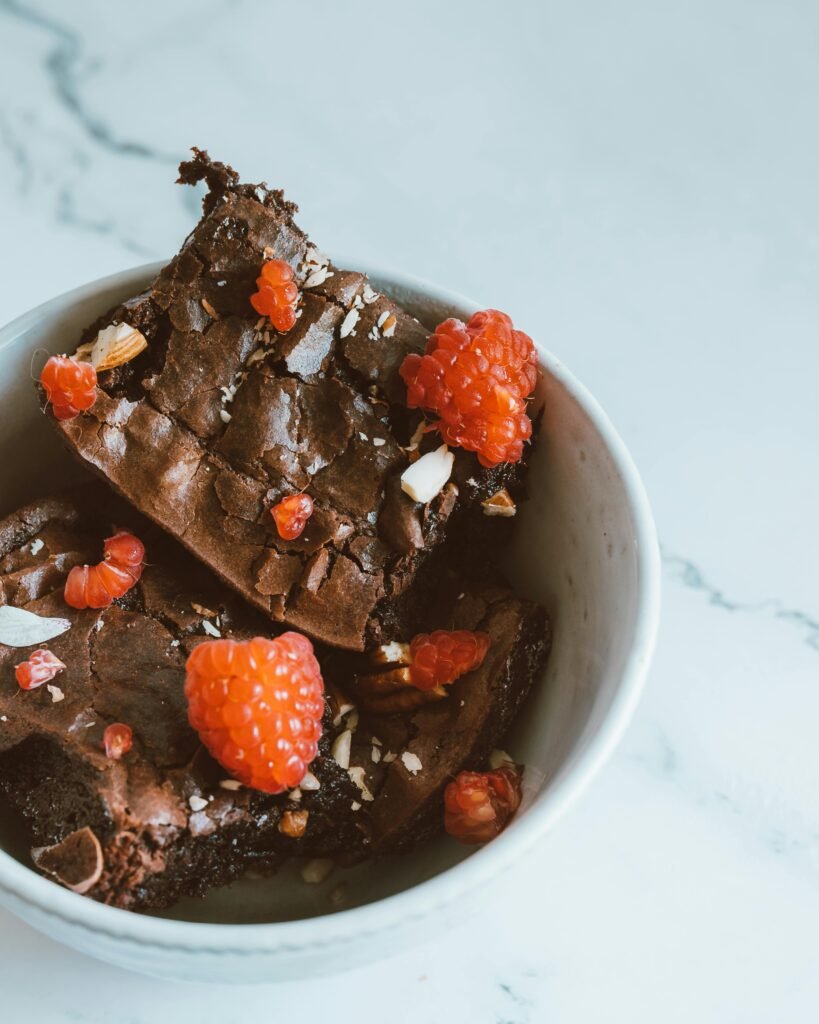
    Close-up of chocolate brownies topped with fresh raspberries in a bowl.
    Ingredients:
    • 1 scoop raspberry gelato or ice cream
    • 1 shot of hot espresso
    • 1 tbsp dark chocolate shavings
    • Fresh raspberries for garnish
    Instructions:
    1. Place a scoop of raspberry gelato in a small Valentine’s serving glass.
    2. Brew your espresso and immediately pour the hot espresso over the gelato.
    3. Sprinkle with dark chocolate shavings and garnish with fresh raspberries.
    4. Serve immediately and enjoy the delightful contrast of hot espresso and cold gelato in a traditional affogato.

    Click Here to Read: St. Patrick’s Day Coffee Recipes


    4. Pink Vanilla Cardamom Cappuccino

    A fragrant and subtly spiced cappuccino for those who love warm, comforting flavors. Goes perfect with a bouquet of flowers!

    A close-up of a creamy latte in a pink cup with soft pink roses on a laptop.
    Ingredients:
    • 1 shot of espresso
    • 1 cup milk
    • Red/pink food coloring or red/pink food coloring powder (optional but recommended for pink effect!)
    • ½ tsp vanilla extract
    • ¼ tsp ground cardamom
    • Honey or sugar to taste (optional)
    • Cinnamon for garnish
    Instructions:
    1. Brew your espresso and stir in vanilla extract, ground cardamom, and an optional addition of honey or sugar to taste.
    2. Combine food coloring or food coloring powder with milk and froth the milk until light and airy. A traditional cappuccino should have equal parts espresso, steamed milk, and foam, so that ratio is your aim when steaming.
    3. Gently pour the pink frothed milk over the espresso.
    4. Sprinkle cinnamon on top for a garnish and enjoy!

    5. Cherry Amaretto Cold Brew with Sweet Pink Cold Foam

    A sophisticated and refreshing coffee drink with a hint of almond and cherry.
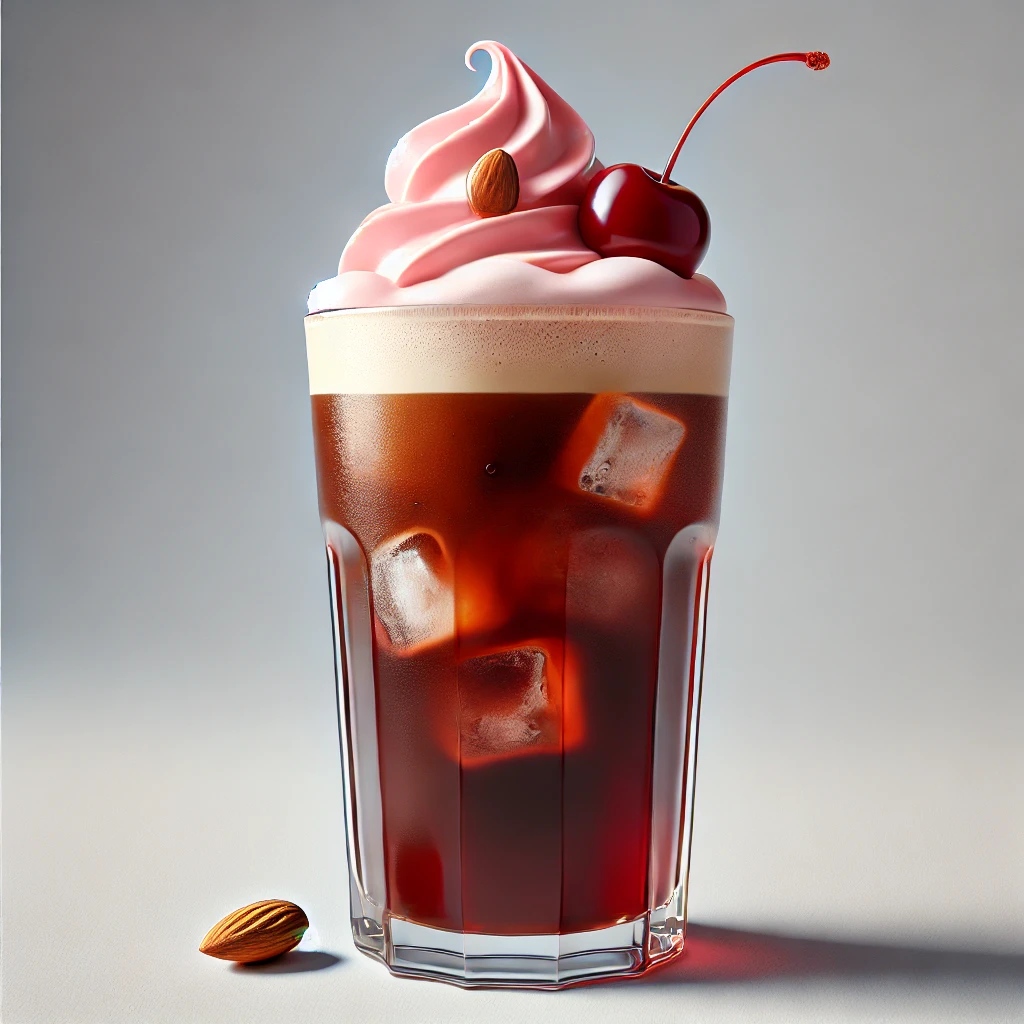
    A cherry amaretto cold brew with pink cold foam and a cherry on top for a garnish
    Ingredients:
    Instructions:
    1. Pour the cold brew coffee into a glass and stir in the cherry syrup and amaretto.
    2. Add festive heart-shaped ice cubes, leaving room for the pink cold foam.
    3. Froth milk, sugar, and red food coloring together with a hand frother or french press until you have a thick pink cold foam.
    4. Top the cold brew with pink cold foam and dark chocolate shavings and enjoy!

    For heart-shaped ice cubes, click HERE


    Valentine’s Day is all about love, and what better way to express it than through a lovingly crafted coffee? Try one (or all!) of these Valentine’s Day coffees and let us know which recipe you loved most. Tag us on Instagram @the.coffee.collect to get featured and show the coffee community your creation! Happy Valentine’s Day coffee lovers!

    “let all that you do be done in love”

    -1 corinthians 16:14

    -the coffee collect.
  • The Ultimate Guide to Frothing Milk Without a Machine

    The Ultimate Guide to Frothing Milk Without a Machine

    The Ultimate Guide to Frothing Milk Without a Machine

    A rich, creamy froth can elevate a homemade latte, cappuccino, or flat white to a professional level. But what if you don’t own an espresso machine with a steam wand? Don’t worry—there are several ways to froth milk at home without expensive equipment. This guide will walk you through five simple methods so you can create café-quality froth with tools you likely already have in your kitchen.


    Before You Begin

    Here are some specific tips that will lay the foundation for you.

    • The best milk for frothing depends on the texture and stability you want in your foam. Whole milk (3.25% fat) is ideal for a creamy, rich foam with good stability, making it perfect for lattes and cappuccinos. 2% milk also froths well, producing a slightly lighter texture while maintaining good microfoam. Skim milk creates the largest and airiest foam due to its higher protein content, but it lacks creaminess. For plant-based options, oat milk (barista editions) is one of the best choices due to its ability to produce a smooth, stable foam. Soy milk also froths well but can curdle if not heated properly, while almond milk tends to create a lighter, less stable foam. The key is to use fresh, cold milk and avoid overheating to achieve the best froth.
    • Always start with warm (not boiling) milk for the best results. The perfect temperature will be between 140°F and 155°F. Use a thermometer the first few times and after some practice you will be able to tell when it’s at the right temperature without the thermometer.
    • Start with about 6 to 8 ounces of milk for a standard latte or cappuccino. Milk expands as air is incorporated in the frothing process, so remember to allow enough room for proper aeration.
    • After frothing, swirl and tap the milk container gently on a countertop to break down bubbles before pouring. Large bubbles in frothed milk are undesirable because they create an airy, unstable foam rather than a smooth, creamy texture. Lots of practice and the proper techniques are needed to allow you to control aeration during frothing.
    • Pour frothed milk immediately to maintain texture and consistency.
    • Frothing milk is an art that takes time and experimentation to achieve your personal desired results. Be patient and have fun with the process!
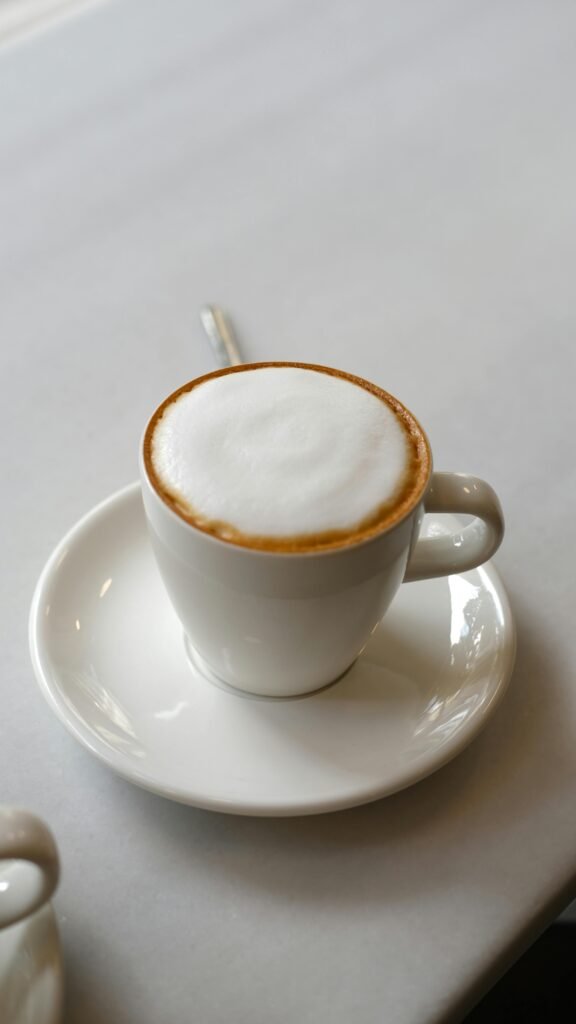
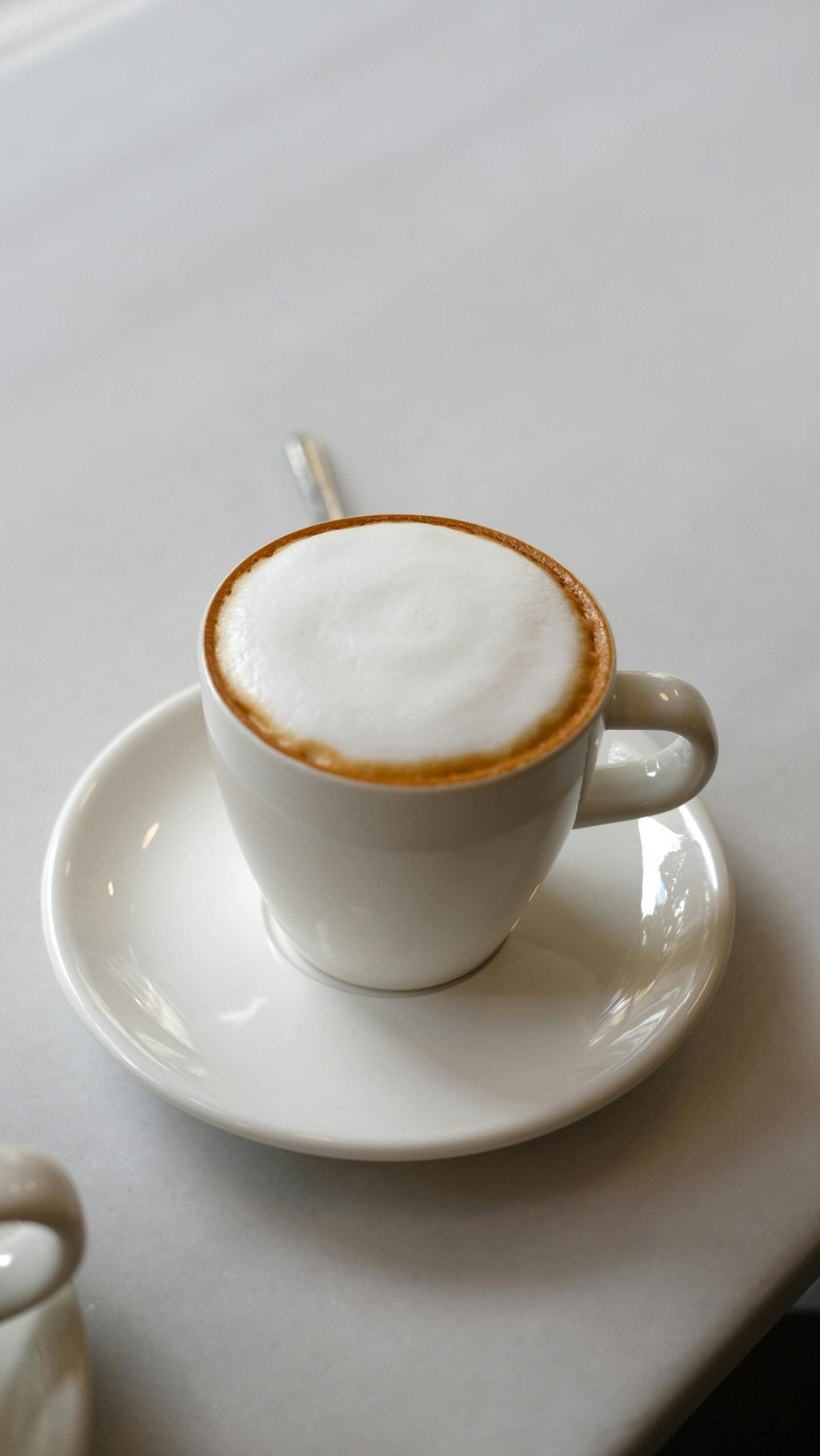
    A steaming cup of cappuccino with frothy milk in a white porcelain cup on a saucer.

    1. Shake It in a Jar

    This is the simplest method and requires only a jar with a lid. A mason jar works perfectly. The downside is that the foam produced by the jar method may not be as silky or stable as other methods.

    • Pour warm milk (not too hot, around 145°F) into a jar, filling it no more than halfway.
    • Secure the lid and shake vigorously for about 30–60 seconds.
    • Let the foam settle for a moment and gently tap the jar on the counter to get rid of any large bubbles. Then pour or spoon it onto your coffee.

    2. Whisk It by Hand

    A simple kitchen whisk can do wonders, and my best guess is that you have one conveniently sitting in your kitchen drawer already. This method produces slightly more refined foam than shaking, but it takes effort and can be inconsistent.

    • Heat your milk to about 145°F.
    • Using a balloon whisk, beat the milk vigorously in a back-and-forth motion until frothy.

    3. Use a French Press

    This method creates a surprisingly fine-textured foam similar to a steam wand. It does require a French press and can be messy.

    • Heat milk to about 145°F.
    • Pour warm milk into a clean French press.
    • Pump the plunger up and down rapidly until the milk doubles in volume and achieves a creamy texture.

    4. Blend It

    An immersion blender or countertop blender can aerate milk effectively and produce stable, thick foam. This method can create large bubbles if over-blended, so you must be careful. Cleanup is more involved and more counterspace is needed.

    • Warm your milk to about 145°F and pour it into a deep container.
    • Blend for 15–30 seconds until foamy.

    5. Use a Handheld Milk Frother

    A handheld frother is an affordable and effective tool. It’s easy, efficient, and gives excellent results. This method requires a small investment in a frother.

    • Heat the milk to about 145°F. And pour it into a frothing cup.
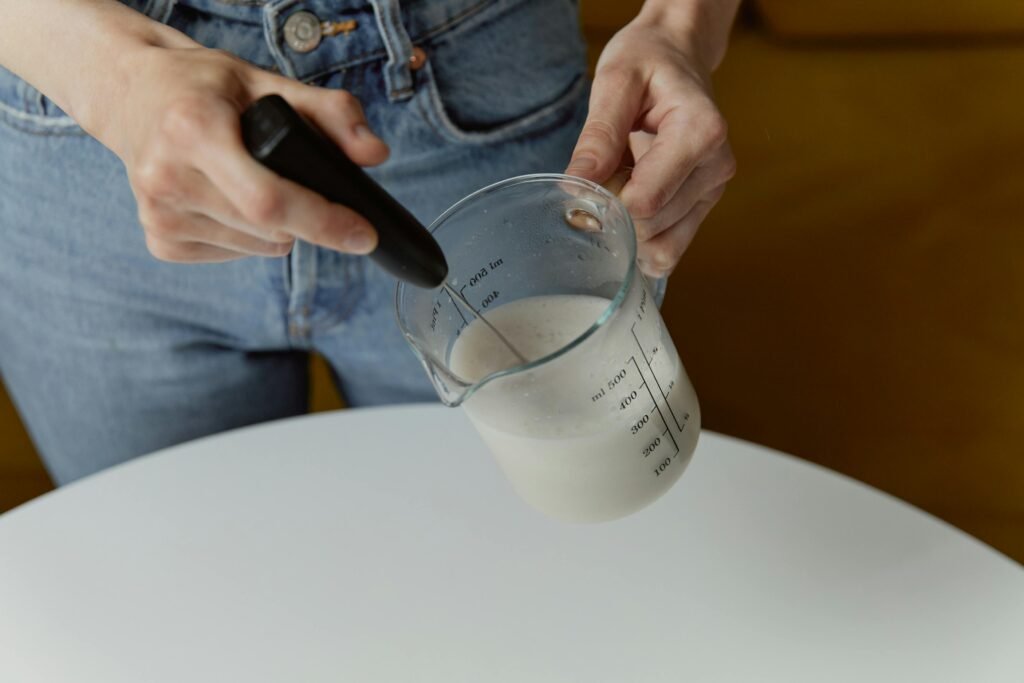
    • Insert the frother just below the surface and turn it on, moving it in circles and keeping it under the surface to create a whirlpool.
    • Froth until you achieve the desired consistency.
    A person frothing milk with a handheld whisk in a transparent measuring cup, showcasing food preparation.

    -the coffee collect.

  • The Truth About Paper Coffee Cups: A Plastic Lined Reality

    The Truth About Paper Coffee Cups: A Plastic Lined Reality

    The Truth About Paper Coffee Cups: A Plastic Lined Reality

    At first glance, paper coffee cups appear to be a great eco-friendly choice. However, the reality is more complex and rather alarming. Due to greenwashing campaigns, much of the world has fallen victim to the belief that paper cups are eco-friendly alternatives, but what remains hidden is that most disposable paper cups are lined with a type of plastic that have led scientists to pose environmental and health concerns.


    The Hidden Plastic in Paper Cups

    By nature, paper is not waterproof and contact with a liquid should eventually cause paper to lose its form. Because of this, we know that something has to be added to paper coffee cups in order for them to fulfill their job of being a cup. This “something” is a thin layer of plastic called polyethylene plastic, which is added to make paper cups waterproof and able to retain their shape.

    While this design seems practical, it complicates health implications and recycling efforts.

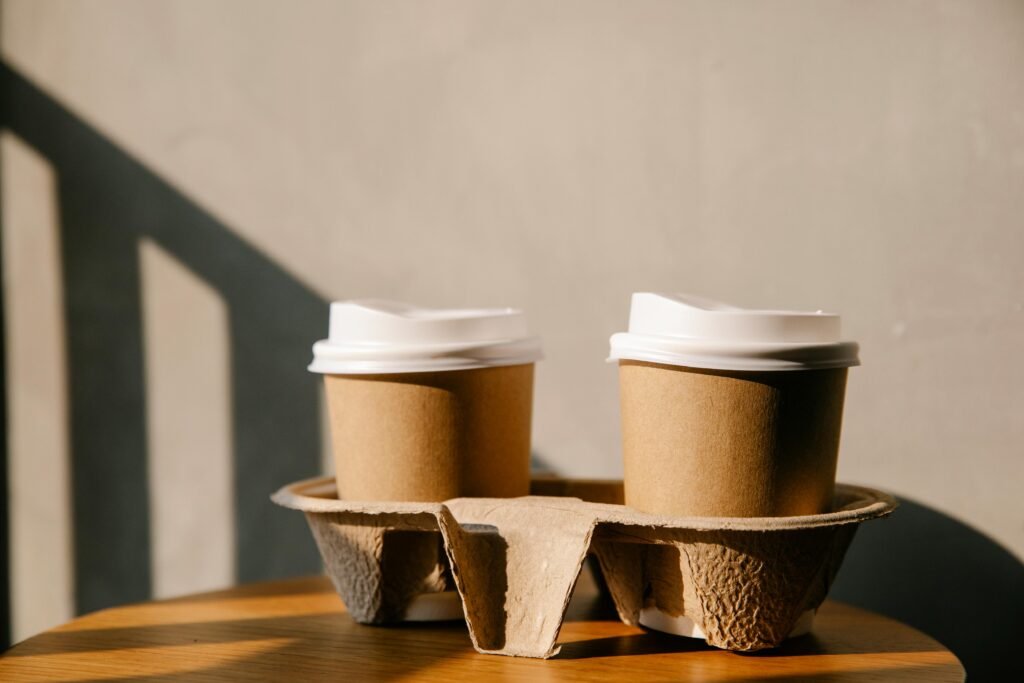
    Two disposable coffee cups on a table with soft sunlight creating shadows, emphasizing eco-friendly packaging.

    Health Implications

    Recent studies have raised concerns about the health effects of polyethylene-lined cups. When exposed to hot liquids, these linings start degrading instantly, releasing microplastics and other harmful substances into the beverage. Research published in Environmental Science & Technology found that common single-use consumer plastic products, including polyethylene-lined paper coffee cups, can release trillions of sub-100 nm nanoparticles per liter into water during normal use. If you compare the number of these particles to the number of cells in the human body, the ratio is about one plastic particle for every seven cells in your body.

    These particles are small enough that your cells could potentially absorb them, which raises concerns about their impact on human health. The results of ingesting microplastics and nanoplastics—like those released from polyethylene-lined paper cups—is still being studied, but researchers have identified several potential health risks including Cellular Damage & Inflammation, Chemical Exposure, Digestive & Gut Health Issues, Potential for Long-Term Accumulation, and Links to Chronic Diseases.


    Recycling Efforts for Paper Coffee Cups

    Although paper cups are often marketed as recyclable, the reality is more complicated. The polyethylene lining is tightly bonded to the paper, making it difficult to separate the materials. Most standard recycling facilities aren’t equipped to process these mixed materials, meaning the majority of paper cups end up in landfills or incinerators instead of being properly recycled.

    Even in places where specialized recycling facilities exist, the process is expensive and inefficient. A 2017 study by the UK-based Paper Cup Recovery and Recycling Group (PCRRG) found that while 2.5 billion paper cups were used in the UK each year, only 1 in 400 were being properly recycled due to these technical challenges. Because most paper coffee cups don’t get recycled, they often break down in landfills or the environment, where they release microplastics and chemical pollutants over time and can contaminate the natural ecosystem.

    Always Recycle

    Although the recycling process for paper coffee cups is complicated, it is still doable. In fact, the technology and infrastructure to expand paper cup recycling is evolving rapidly and there are approximately 40 mills in North America that properly recycle paper cups. However, even if a paper cup is recyclable after use, it is still important to be aware of the possible health effects to your body that we previously discussed.


    Industry Responses

    The coffee industry is actively seeking solutions to this issue.

    For instance, Starbucks has reintroduced ceramic mugs and glassware for in-store orders and is offering free refills for certain beverages to encourage reusable options.

    Additionally, some cities are implementing reusable cup programs. Petaluma, California, launched a city-wide initiative where customers can use and return reusable cups at participating cafes, aiming to reduce single-use cup waste.


    The Answer is Reusable Cups

    Reusable coffee cups are a powerful solution to the polyethylene plastic that threatens our health and our planet. Using a personal reusable cup made from safe materials eliminates the risk of ingesting microplastics and harmful chemicals that can leach from disposable cup linings. By investing in a reusable cup, you reduce the demand for wasteful, plastic-lined cups and help decrease the amount of plastic waste entering our landfills and oceans. Additionally, many coffee shops offer discounts to customers who bring their own cups, leading to savings that build up over time.

    Click Here to Read: Easy Ways to Make Your Coffee Routine More Sustainable


    We value the health of the coffee-loving community and the health of the earth where we grow our coffee.

    Let’s be a community of stewards.

    -the coffee collect.

  • How to Make Authentic Turkish Coffee: A Beginner’s Guide

    How to Make Authentic Turkish Coffee: A Beginner’s Guide

    How to Make Authentic Turkish Coffee: A Beginner’s Guide

    We’ve made a beginners-friendly guide for making authentic Turkish coffee; one of the world’s oldest and most traditional coffee-brewing methods.


    What is Turkish Coffee?

    Turkish coffee originated in the Ottoman Empire in the 16th century. Since then, it has since become a cultural staple in many countries, including Turkey, Greece, and throughout the Middle East and Balkans.

    Unlike other brewing methods, Turkish coffee uses ultra-finely ground coffee beans, resulting in a powder-like consistency. The coffee is brewed unfiltered in a special pot called a cezve or ibrik and served directly in small cups, allowing the grounds to settle at the bottom. This unfiltered preparation produces a bold, robust flavor that is meant to be intense and gritty. The coffee is often sweetened during brewing and served alongside a glass of water and a sweet treat like Turkish delight.

    Close-up of a traditional Turkish coffee set featuring a copper pot and a sweet treat.


    What You’ll Need

    1. Cezve / Ibrik: This is the small pot that is key to make authentic Turkish coffee. It has a long handle, wide bottom, and narrow neck, which allows for the coffee to heat up evenly and produce a rich and smooth flavor.
    2. Coffee Scale: A scale will enable you to get the perfect ratio every time.
    3. Finely Ground Turkish Coffee: The coffee grounds must have an extra-fine, powder-like consistency–it should be finer than espresso grounds! Freshly grinding your beans is always the best choice for the most flavorful outcome. Make sure your grinder is on the finest setting! However, if you do not have a grinder, there are options to buy pre-ground Turkish coffee.
    4. Cold Water: The water should be cold to start, and it should be water that actually tastes good on its own.
    5. Sugar or Spices (Optional): It is not uncommon for sugar to be added during the brewing process for Turkish coffee. Depending on your taste, you can add sugar or other spices, like cinnamon, during the brewing process to achieve a specific flavor. It is also important to note that milk or cream is never added to Turkish coffee.
    6. Heat Source: You will need a gas burner or stove for this process.
    7. Small Coffee Cups: This coffee is served in small cups, similar to espresso cups.

    How to Make Affogato at Home: A Simple Dessert Coffee Recipe


    Step-by-Step Instructions

    1. Pre-heat

    • Turn your stove or gas burner on to a low heat.

    2. Measure Your Ingredients

    Turkish coffee uses a 1:9 ratio, but is usually not precisely measured. Here are some measuring guidelines:

    • Use 1 heaping teaspoon of Turkish coffee per serving.
    • Measure 60-90 ml of cold water per serving.

    3. Add Sugar (Optional)

    Turkish coffee is sweetened during brewing, not after. Because of the drink’s natural bitterness, sugar is commonly added, but it is not necessary.

    • No sugar: Sade
    • Low sugar: Az şekerli (½ teaspoon per cup)
    • Medium sugar: Orta şekerli (1 teaspoon per cup)
    • Sweet: Şekerli (1½ – 2 teaspoons per cup)

    4. Mix the Ingredients

    • Combine the cold water, coffee, and sugar (if using) in the cezve. Stir well before heating.

    5. Heat Gently

    • Place the cezve on low heat. Do not stir while brewing to allow the coffee grounds to settle.
    • Watch closely as the coffee starts to foam but avoid letting it boil. Little bubbles are okay, but if it starts to boil, gently pull the cezve and hold it a few inches above the heat source.

    6. Catch the Foam

    • After a couple minutes, you want to see the foam rising to the top of the cezve. Once the foam reaches the very top, remove the cezve from the heat.
    • Spoon the foam into each cup—this is a hallmark of Turkish coffee.

    7. Repeat Heating

    • Return the cezve to the heat to produce more foam. Remove it before boiling again. Repeat 2-3 times for richer foam.

    8. Pour and Serve

    • Serve without stirring and pair with a glass of water.
    • Carefully pour the coffee into small Turkish coffee cups. Do not filter the grounds out. Let it rest for about two minutes to finish brewing and to allow the grounds to settle.
    • Do not add any sweetener at this point; authentic Turkish coffee is sweetened during the brewing phase only.

    9. Enjoy

    • The small cup of water served with Turkish coffee is meant to be a palate cleanser and should be drank as you wait for the coffee to cool and the grounds to settle.
    • As you sip on your coffee, the grounds should remain on the bottom, and you should not drink them.
    • To balance its bold flavor, pair the coffee with traditional Turkish delight!
    An elegant setup of Turkish coffee with porcelain cups by a window.

    Tag us on Instagram @the.coffee.collect to share your Turkish coffee experience with the coffee community!

    Remember, the best way to enjoy coffee is surrounded by friends 🙂

    -the coffee collect.

  • Easy Homemade Cold Brew Coffee Recipe (Step-by-Step Guide)

    Easy Homemade Cold Brew Coffee Recipe (Step-by-Step Guide)

    Easy Homemade Cold Brew Coffee Recipe (Step-by-Step Guide)

    Are you looking for a smooth, refreshing way to enjoy coffee, even on the hottest days? Meet cold brew—a low-acid, naturally sweet coffee that’s incredibly easy to make at home.


    What Is Cold Brew Coffee?

    Cold brew coffee results from a brewing method that involves steeping coarsely ground coffee beans in cold or room-temperature water for an extended period, typically 12-24 hours. Unlike traditional hot brewing, which uses heat to extract flavors, cold brewing relies on time, resulting in a smoother, less acidic, and naturally sweeter coffee concentrate.

    This method has gained massive popularity worldwide, especially among coffee enthusiasts seeking a refreshing and versatile drink that can be customized to their taste. In fact, cold brew coffee sales have surged by over 370% in the past five years! It’s no wonder major coffee chains like Starbucks and Dunkin’ have embraced cold brew as a staple on their menus. Coffee lovers are drawn to its rich flavor, adaptability, and the ability to make it at home without any fancy equipment. Plus, it’s a favorite among iced coffee drinkers who want a bolder, less watered-down taste.

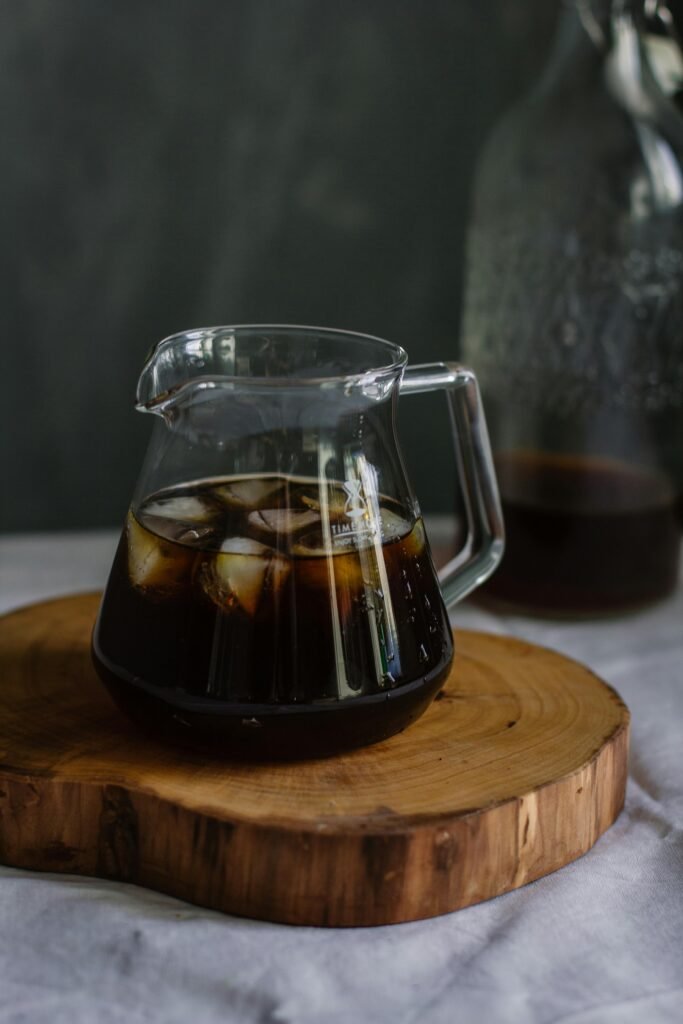
    A glass pitcher filled with cold brew coffee on a round wooden board, creating a refreshing still life setup.

    Why Should You Drink Cold Brew Coffee?

    Here are a few reasons to give cold brew a try:

    • Lower Acidity: If regular coffee upsets your stomach, cold brew’s lower acidity makes it gentler on your digestive system.
    • Rich, Smooth Flavor: Cold brewing brings out the coffee’s natural sweetness while minimizing bitterness.
    • Versatility: Cold brew concentrate can be enjoyed straight, diluted with water, milk, or used in creative recipes.
    • Convenience: Brew a batch once, and enjoy delicious coffee for up to 10 days.
    • Perfect for Hot Days: A chilled glass of cold brew is a refreshing way to stay cool while getting your caffeine fix.

    How to Make Cold Brew Coffee at Home

    Making cold brew at home is incredibly simple, and just one batch can last you days. Here’s our step-by-step guide:

    What You Need:

    • 1 cup of coarsely ground coffee (about 85g). Bizzy is our recommended choice because they specialize in cold brew coffee grounds and offer a smooth, well-balanced flavor profile crafted from sustainably sourced, 100% organic Arabica beans.
    • 4 cups of cold or room-temperature water
    • A large jar, pitcher, or cold brew maker
    • A fine mesh strainer or cheesecloth (not necessary if you have a cold brew maker)
    • A stirring spoon
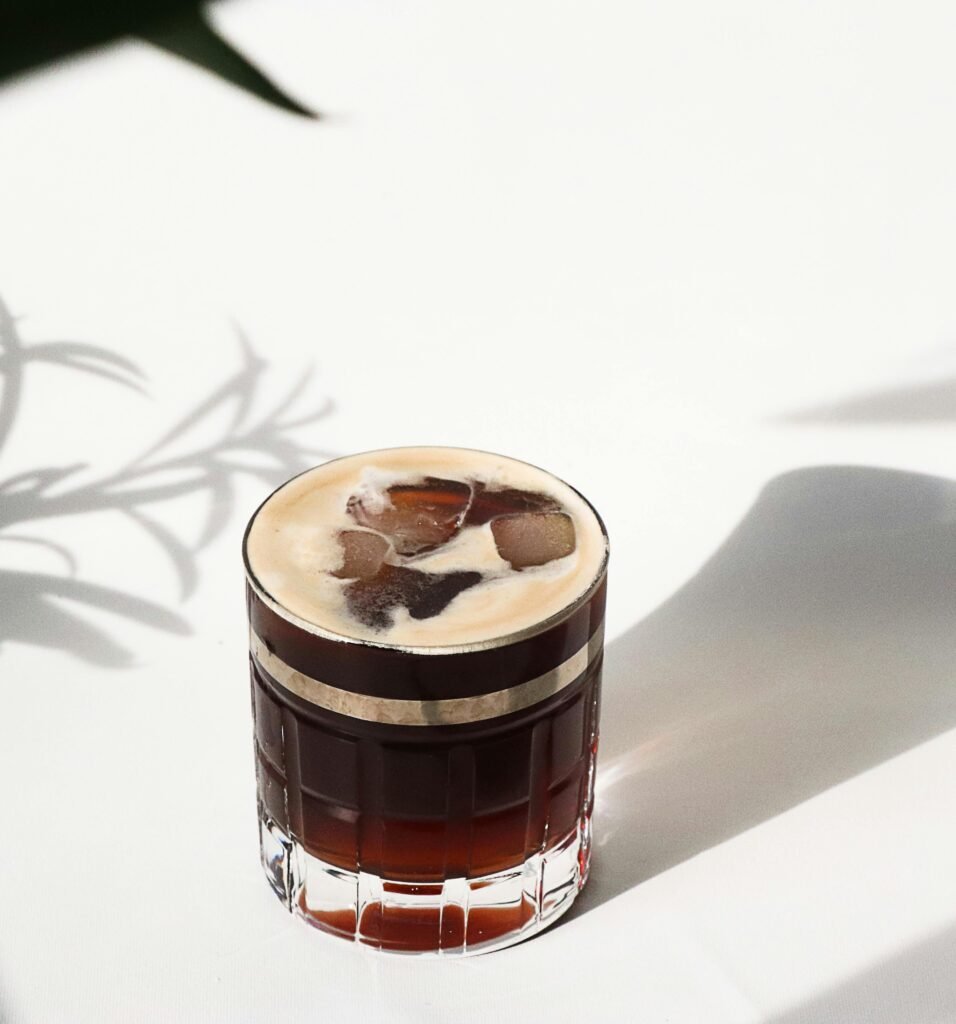
    A close-up of cold brew coffee in a glass on a bright, sunny day with artistic shadows.

    Instructions:

    1. Choose Your Coffee
    2. Grind the Beans (If not already ground)
      • Use a burr grinder to achieve a coarse grind, similar to breadcrumbs. Grinds that are too fine can make the brew cloudy.
    3. Combine Coffee and Water
      • Add the coffee grounds to your jar, pitcher, or cold brew maker. Pour in the water and stir gently to ensure all grounds are saturated.
    4. Steep
      • Cover the container and let it steep in the fridge or at room temperature for 12-24 hours. The longer it steeps, the stronger the flavor, so personalize it according to your own preferences.
    5. Strain the Coffee
      • After steeping, place a fine mesh strainer or cheesecloth over a second container and slowly pour the coffee through it to remove the grounds. Discard the grounds responsibly (we recommend composting them!)
    6. Dilute and Enjoy
      • Cold brew concentrate is potent, and some enjoy it black. However, you can dilute it with water, milk, creamer, or a preferred sweetener if you so wish. Serve over ice and enjoy!
    7. Store Extra
      • Unless it is consumed right away, cold brew should be refrigerated as soon as possible after brewing. Undiluted cold brew can last up to 10 days when refrigerated, which is a big time saver! To add functionality, store your extra cold brew in a pitcher that is ready to pour when cold brew calls your name.

    Fun Cold Brew Tips & Flavor Ideas

    Take your cold brew to the next level with these fun tips:

    • Sweeten Smartly: Add sweeteners like simple syrup, honey, or flavored syrups to your cold brew instead of granulated sugar. We recommend that you do not sweeten the whole cold brew batch, instead, sweeten only the cold brew you will be consuming that day.
    • Spice It Up: Experiment with flavors like cinnamon, vanilla, or nutmeg during the steeping process.
    • Try Infusions: Add orange peels, mint leaves, or a dash of cocoa nibs for unique flavor profiles.
    • Make Ice Cubes: Freeze cold brew in ice cube trays to avoid watering down your cold brew drink, or any iced coffee drink for the matter.
    • Explore Trends: Because of cold brew’s rising popularity, coffee shops have embraced exciting cold brew flavors on their menus. Follow along with these trends for creative inspiration.
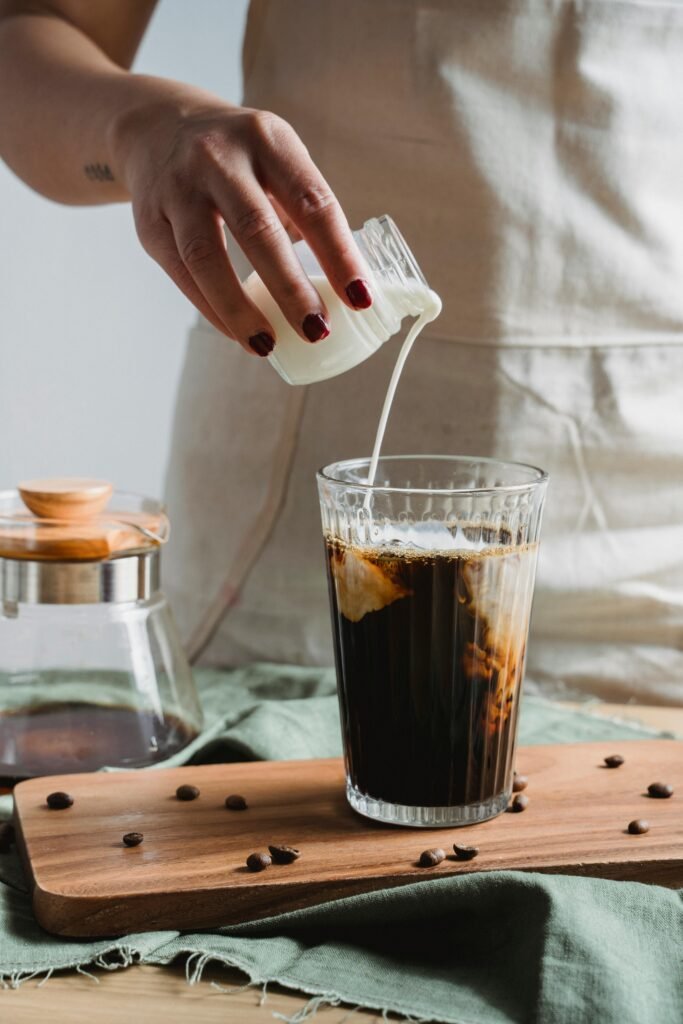
    A person pours milk into a glass of cold brew coffee, surrounded by coffee beans, creating a captivating swirl.

    Tag us on Instagram @the.coffee.collect to share your coffee creations with the coffee community!

    happy cold brewing!

    -the coffee collect.

  • 10 Unique Flavored Coffees to Try in 2025

    10 Unique Flavored Coffees to Try in 2025

    10 Unique Flavored Coffees to Try in 2025

    Coffee lovers, rejoice! 2025 is shaping up to be an exciting year for adventurous palates. We’ve collected 10 unique flavored coffees that deserve a spot on your menu or your must-try list this year. Explore these flavors at local coffee shops or DIY them at home.


    1. Maple Bacon Coffee

    Sweet and savory lovers, unite! Maple bacon coffee blends the comforting sweetness of maple syrup with the smoky, salty essence of bacon. Perfect for a morning pick-me-up that feels like breakfast in a cup, this flavor pairs wonderfully with a hearty breakfast or a maple-glazed doughnut.


    2. Lavender Latte

    Floral, aromatic, and soothing, the lavender latte is a sensory delight. Lavender’s calming properties make this a fantastic option for those looking to unwind while still enjoying their caffeine fix. Add a splash of honey or vanilla for extra sweetness and a hint of decadence. If you’d like extra presentation points, add a few dried lavender flowers on top of your latte for the finishing touch.

    Hands holding a latte with lavender and an open book. Perfect cozy setting for relaxation.

    3. Whiskey Barrel-Aged Coffee

    This robust and complex coffee is crafted by aging beans in whiskey barrels, imparting subtle notes of oak, vanilla, and caramel. It’s non-alcoholic but carries the essence of a fine whiskey, making it an ideal treat for those who enjoy a little sophistication in their cup. You can source whiskey barrel-aged coffees from artisan roasting companies like Cooper’s Cask Coffee.


    4. Orange Blossom Honey Coffee

    Infused with the delicate sweetness of orange blossom and honey, this coffee is a delightful blend of citrusy floral notes and rich, smooth coffee. It’s perfect for those who crave a light, fragrant twist to their daily brew.


    5. Rose Cardamom Latte

    Elegant and refreshing, rose cardamom lattes balance floral notes with the warm, slightly citrusy spice of cardamom. This unique pairing is ideal for cold weather or as an afternoon indulgence. Add a few dried rose petals on top of your latte art for a finishing touch.

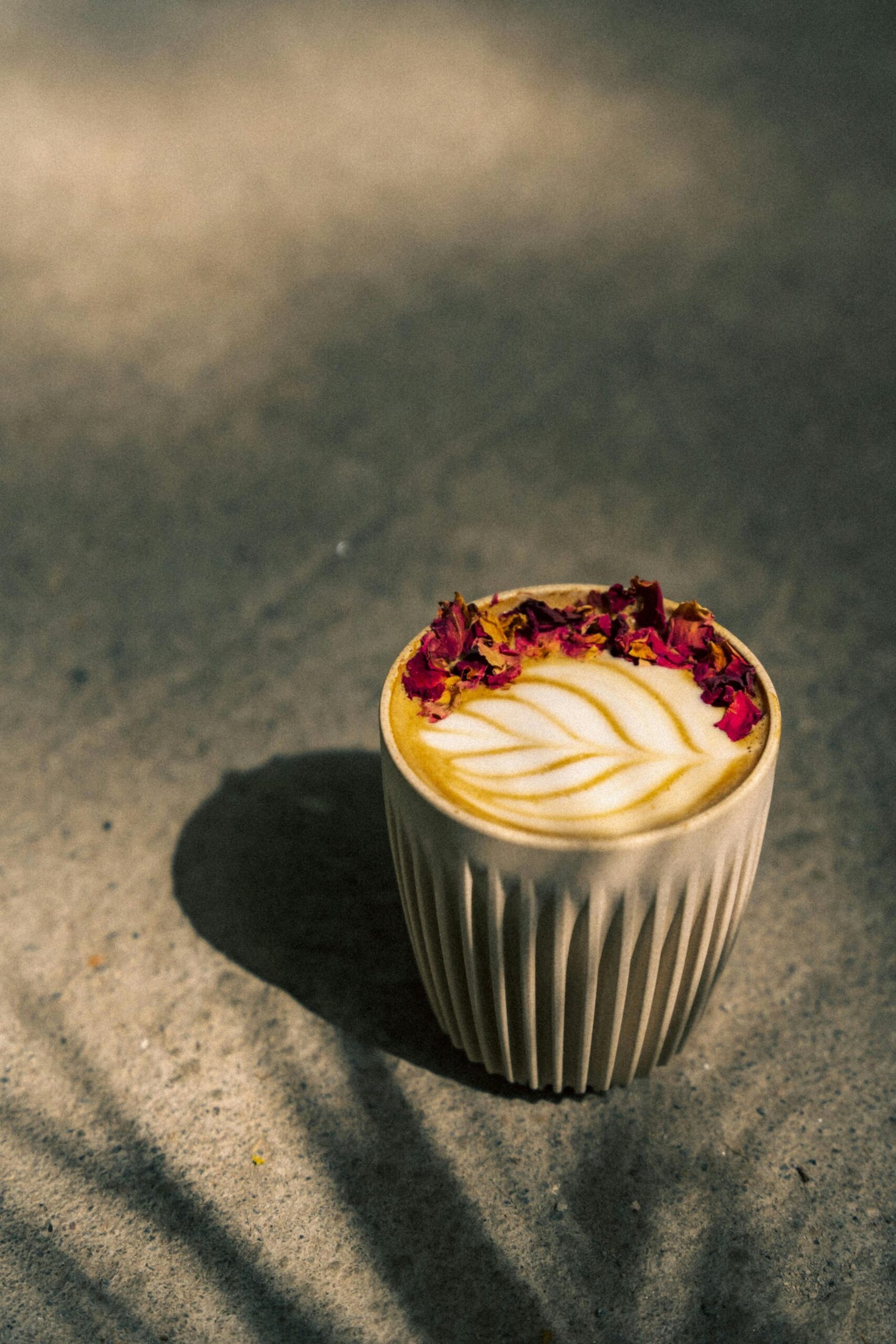
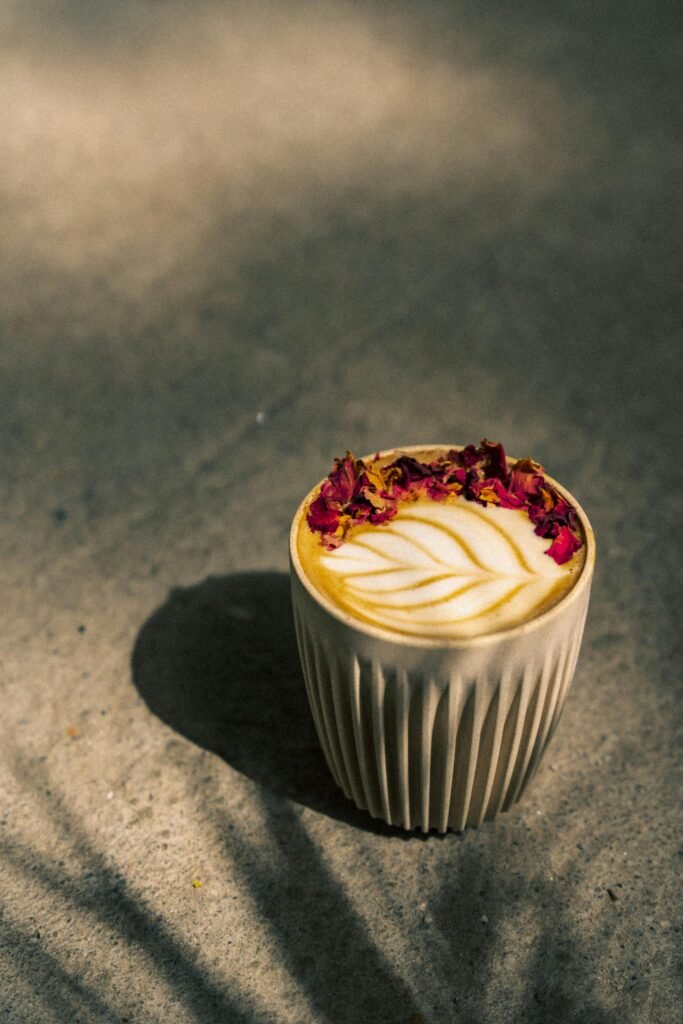
    A latte with latte art and rose petals set on a textured surface, captured in natural light.

    6. Smoked Butterscotch Coffee

    Rich and decadent, smoked butterscotch coffee combines the sweet, buttery flavor of butterscotch with a hint of smokiness. It’s perfect for those chilly mornings when you want something cozy and indulgent in your mug.


    7. Chili Chocolate Espresso

    This sounds like an interesting combination, doesn’t it? Spice things up with chili chocolate espresso! This daring blend combines the boldness of espresso with the rich sweetness of chocolate and a kick of chili heat. It’s an excellent choice for those who like a little adventure in their coffee experience.


    8. Pistachio Vanilla Cappuccino

    Nutty, creamy, and subtly sweet, pistachio vanilla cappuccino offers a delightful twist on a classic cappuccino. The pistachio adds a unique richness, while the vanilla provides a comforting sweetness. Enjoy it hot or iced and paired with a flaky croissant to make the perfect morning treat.


    9. Blueberry Cobbler Latte

    Enjoy the taste of dessert in your cup with a blueberry cobbler latte. This blend captures the essence of juicy home-grown blueberries and a buttery crumble topping. It’s a delightful way to satisfy your sweet tooth and add some fun creativity to your coffee routine.

    Close-up of fresh organic blueberries in cardboard trays at a market, showcasing their vibrant blue color and ripe appearance.

    10. Black Sesame Latte

    Earthy and nutty, the black sesame latte is a rising star in the coffee world. This unique flavor offers a creamy texture with a slightly savory profile, making it a great option for those who prefer less sugary drinks. It’s a taste of elegance with an Asian-inspired twist.


    Go ahead, step out of your coffee comfort zone, and discover a world of unique flavors!

    Tag us on Instagram @the.coffee.collect to share your thoughts and recipes with the coffee community!

    -the coffee collect.