Tag: Coffee

  • The Best Coffee Storage Containers

    The Best Coffee Storage Containers

    The Best Coffee Storage Containers

    You might think your coffee beans are fine sitting in the bag they came in, but what if I told you that improper storage is quietly robbing your coffee of its rich aroma and bold flavor? The truth is, exposure to air, moisture, heat, and light can make your beans stale faster than you realize. But don’t worry—there’s a simple fix. By choosing the right storage container, you can keep your coffee fresh and delicious for longer. In this guide, we’ll uncover the best ways to store your beans and review the best coffee storage containers to ensure every cup you brew is as flavorful as possible.


    Why Proper Coffee Storage Matters

    Coffee beans are sensitive to air, moisture, heat, and light. Exposure to these elements can cause them to lose their flavor quickly (AKA coffee beans are a little high maintenance). Here’s why:

    • Air: Oxygen degrades coffee oils and accelerates staleness.
    • Moisture: Beans can absorb moisture, leading to mold and loss of quality.
    • Heat: High temperatures speed up the aging process of coffee.
    • Light: UV rays break down organic compounds in coffee, leading to loss of flavor.

    To keep your beans fresh for as long as possible, they need to be stored in an airtight, cool, dark environment. That’s where a good coffee storage container comes in…


    Best Coffee Storage Containers Reviewed!


    1. Fellow Atmos Vacuum Canister

    Best for Maximum Freshness!

    The Fellow Atmos Vacuum Canister is a favorite among coffee aficionados. It features an integrated vacuum pump that removes oxygen from the container, keeping beans fresher for longer.

    • Pros:
      • Vacuum-sealed to reduce oxygen exposure
      • Available in multiple sizes and colors
      • Durable stainless steel or glass options
    • Cons:
      • More expensive than other options
      • Requires manual vacuuming

    This is a great investment that will upgrade your coffee routine!
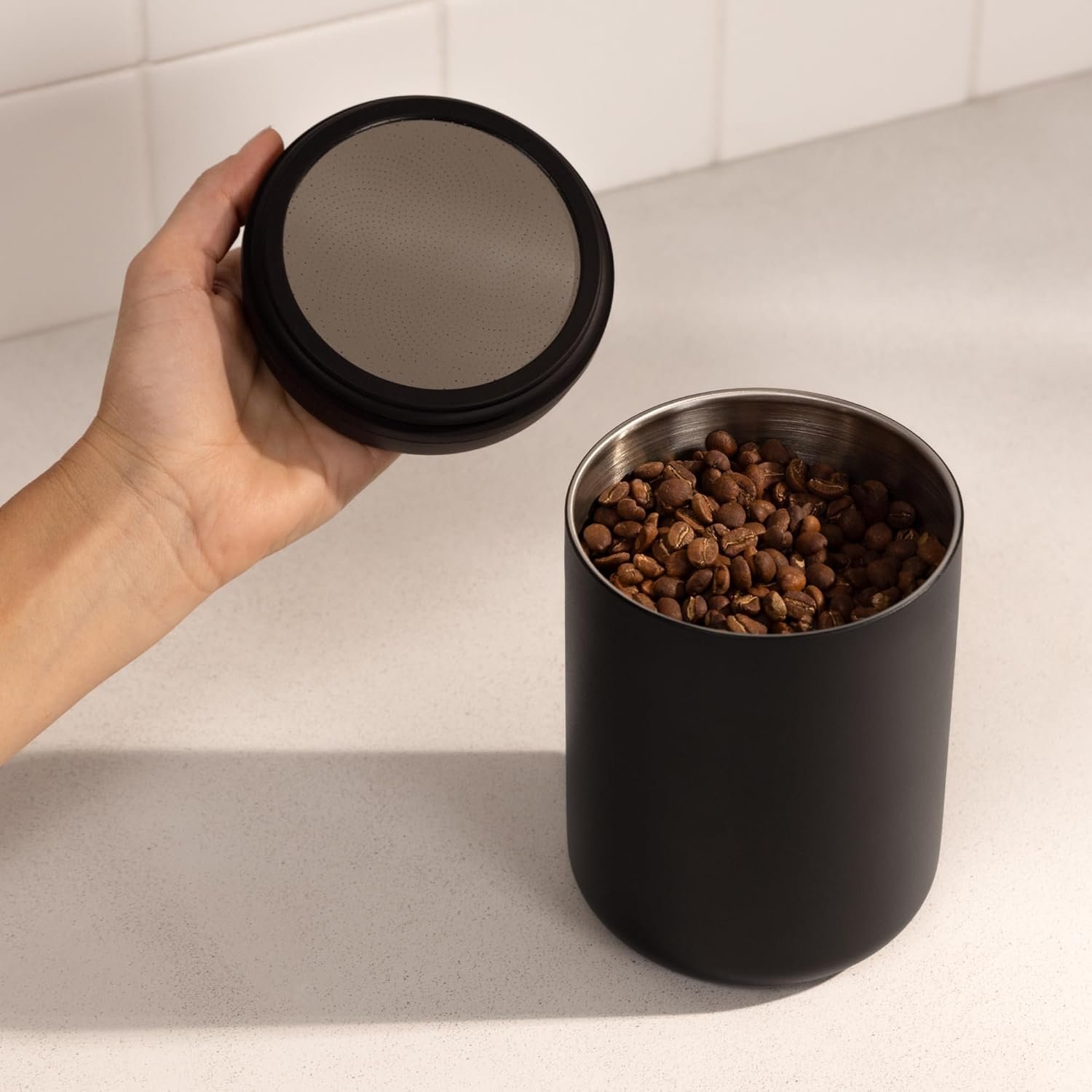
    Vacuum sealed coffee canister

    2. Airscape Coffee Storage Canister

    Best for Design and Functionality!

    The Airscape Canister features a unique inner lid that pushes air out as you close it, ensuring a tight seal.

    • Pros:
      • Strong airtight seal
      • Available in different materials (stainless steel, ceramic, plastic)
      • Available in different colors
      • Sturdy and stackable
      • BPA-free
    • Cons:
      • Inner lid can be tricky to use
      • Bulkier than some other options

    Proving its value, this product has high reviews on Amazon!
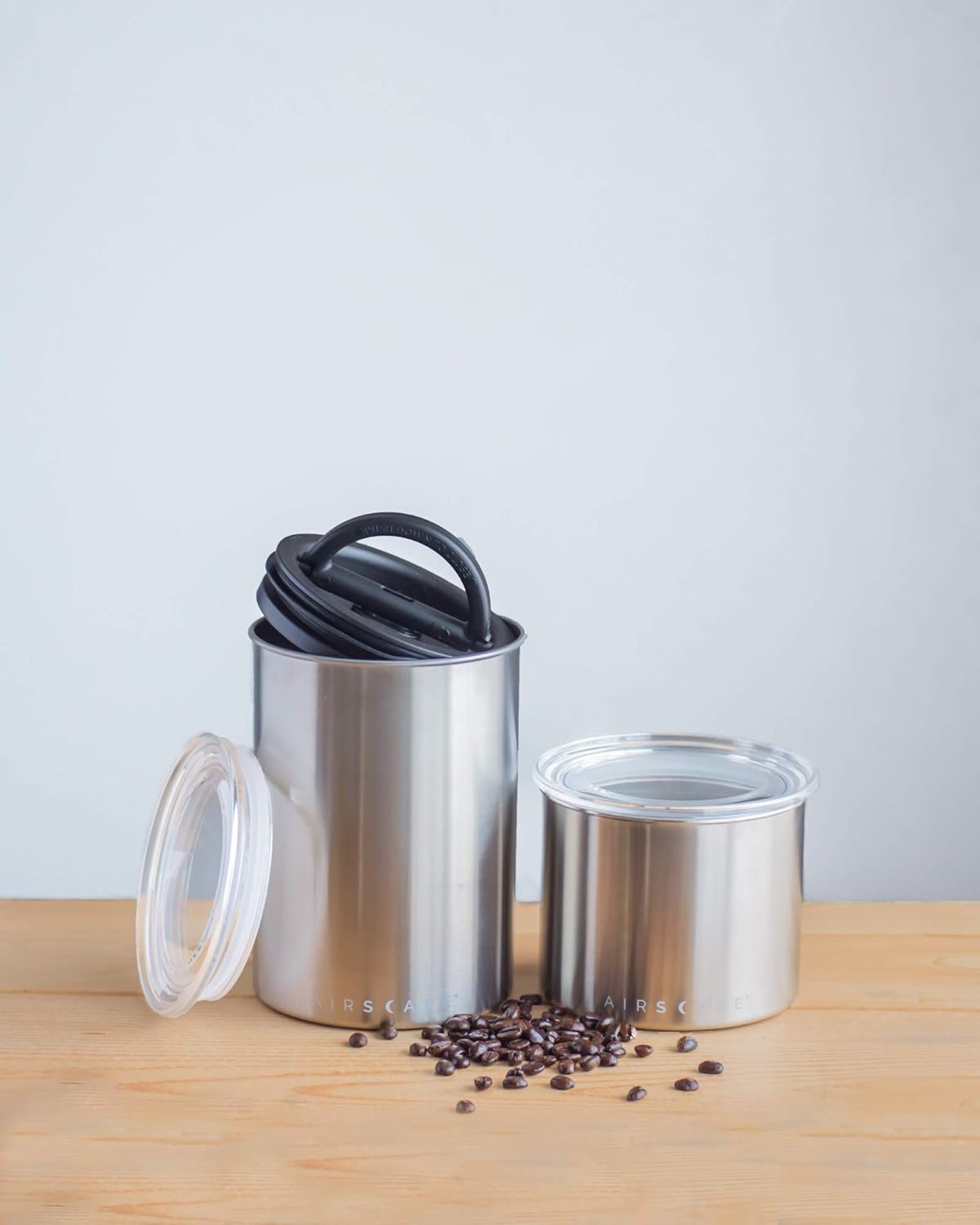
    Coffee storage canister

    3. Coffee Gator Stainless Steel Canister

    Best for Budget-Friendly Freshness

    he Coffee Gator Canister includes a CO2 release valve, which helps preserve coffee while preventing unwanted air from entering.

    • Pros:
      • Affordable
      • Date tracker to monitor freshness
      • Built-in CO2 vent
      • You can buy in packs of two (allows you to keep your different kinds of beans separate yet fresh)
    • Cons:
      • Bulkier than glass options
      • Not completely vacuum-sealed

    This investment will surely upgrade your coffee routine!
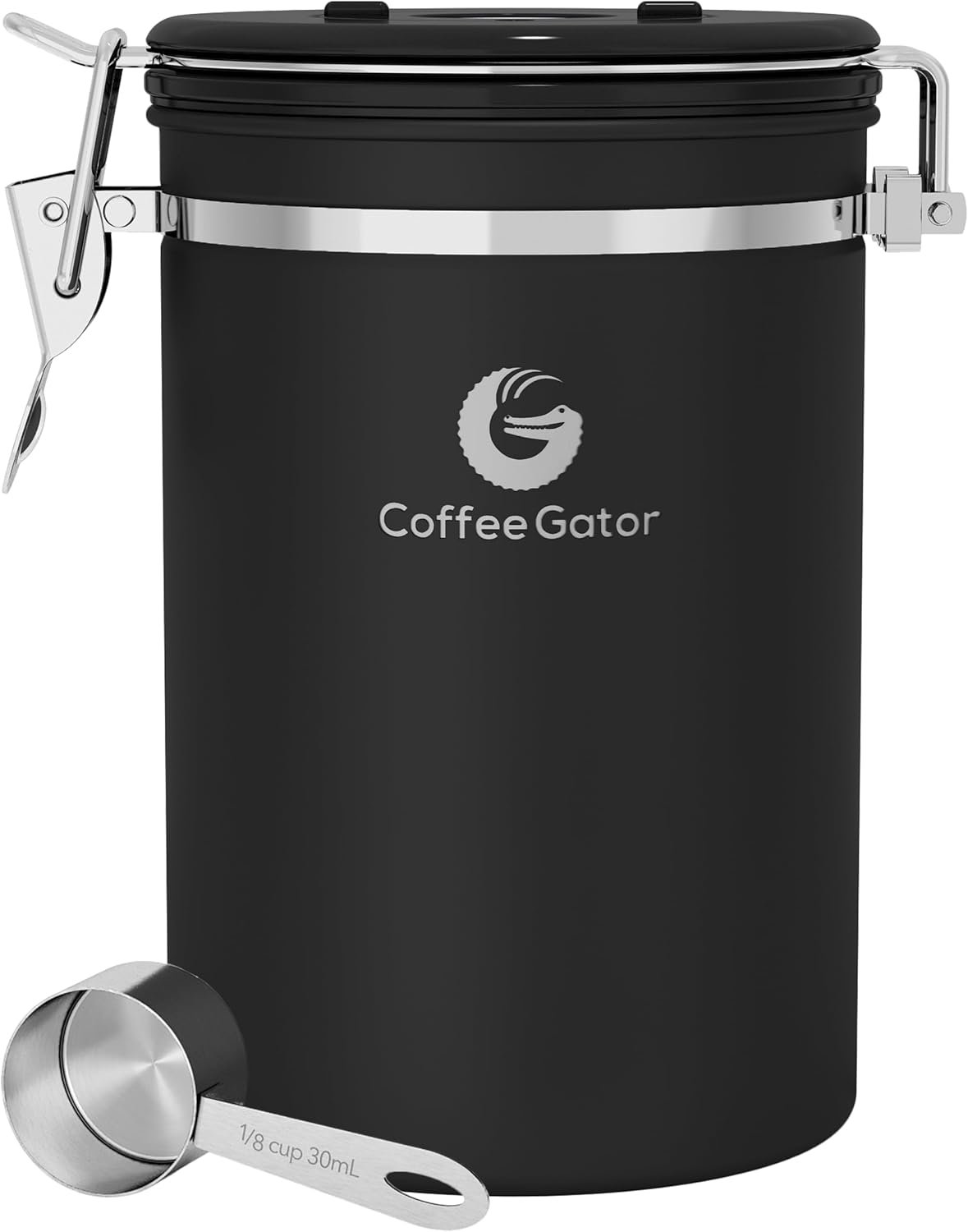
    Coffee storage canister

    4. OXO Good Grips POP Container

    Best for Easy Access

    OXO’s POP containers are known for their one-touch airtight seal, making them convenient for daily use.

    • Pros:
      • Easy to use
      • Stackable and space-saving
      • BPA-free plastic
      • Come in many different sizes
    • Cons:
      • Not vacuum-sealed
      • Not as durable as metal or glass containers

    OXO containers are not only great for your coffee beans, but the 10 pack would be perfect for all your coffee bar ingredients!
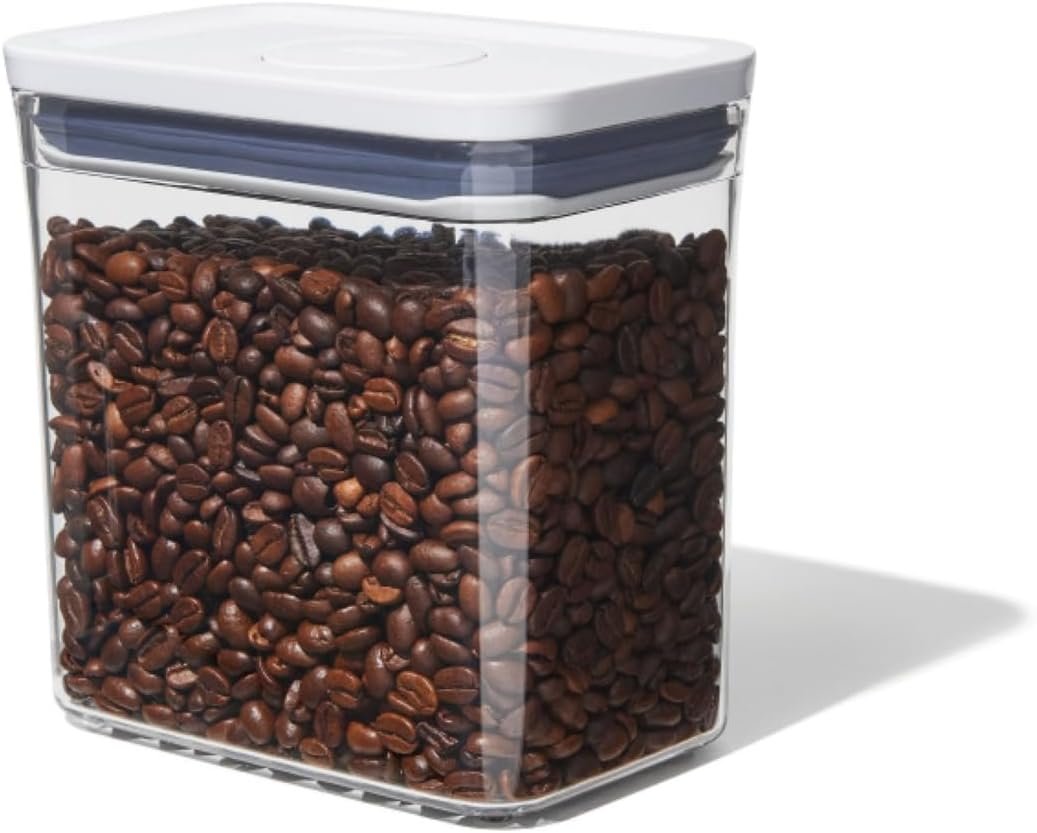
    Coffee storage canister

    Tips for Storing Coffee Beans at Home

    • Keep beans in an airtight container: Always opt for a sealed storage option to minimize oxygen exposure for both ground coffee and whole coffee beans.
    • Store in a cool, dark place: Avoid direct sunlight and heat sources like the oven.
    • Don’t refrigerate or freeze: While freezing can work for long-term storage, frequent temperature changes can cause condensation, leading to moisture issues.
    • Buy only what you need: Purchasing smaller amounts of fresh coffee more frequently helps maintain peak flavor.

    Coffee beans are a little high maintenance, so choosing the best coffee storage containers can make a huge difference in preserving the flavor and quality of your beans. Whether you opt for the Fellow Atmos for maximum freshness, the budget-friendly Coffee Gator, or the easy-access OXO POP, investing in a quality container is key to enjoying a fresh cup of coffee every time. It is also the perfect gift for your coffee-loving friend!

    What’s your favorite way to store coffee beans? Let us know!

    Tag us on Instagram @the.coffee.collect in order to get featured and show the coffee community your storage set-up!

    -the coffee collect.
  • Home Coffee Bar Ideas for Apartments & Tiny Kitchens

    Home Coffee Bar Ideas for Apartments & Tiny Kitchens

    Home Coffee Bar Ideas for Apartments & Tiny Kitchens

    Many coffee lovers dream of a dedicated coffee station but feel restricted by small spaces. The good news? You don’t need a large space to create a stylish and functional home coffee bar. With a little creativity, the right equipment, and smart organization, you can transform even the tiniest corner into your personal café. Here’s how:


    1. Choose the Right Location

    Even in a small apartment, you can carve out a coffee nook in places like:

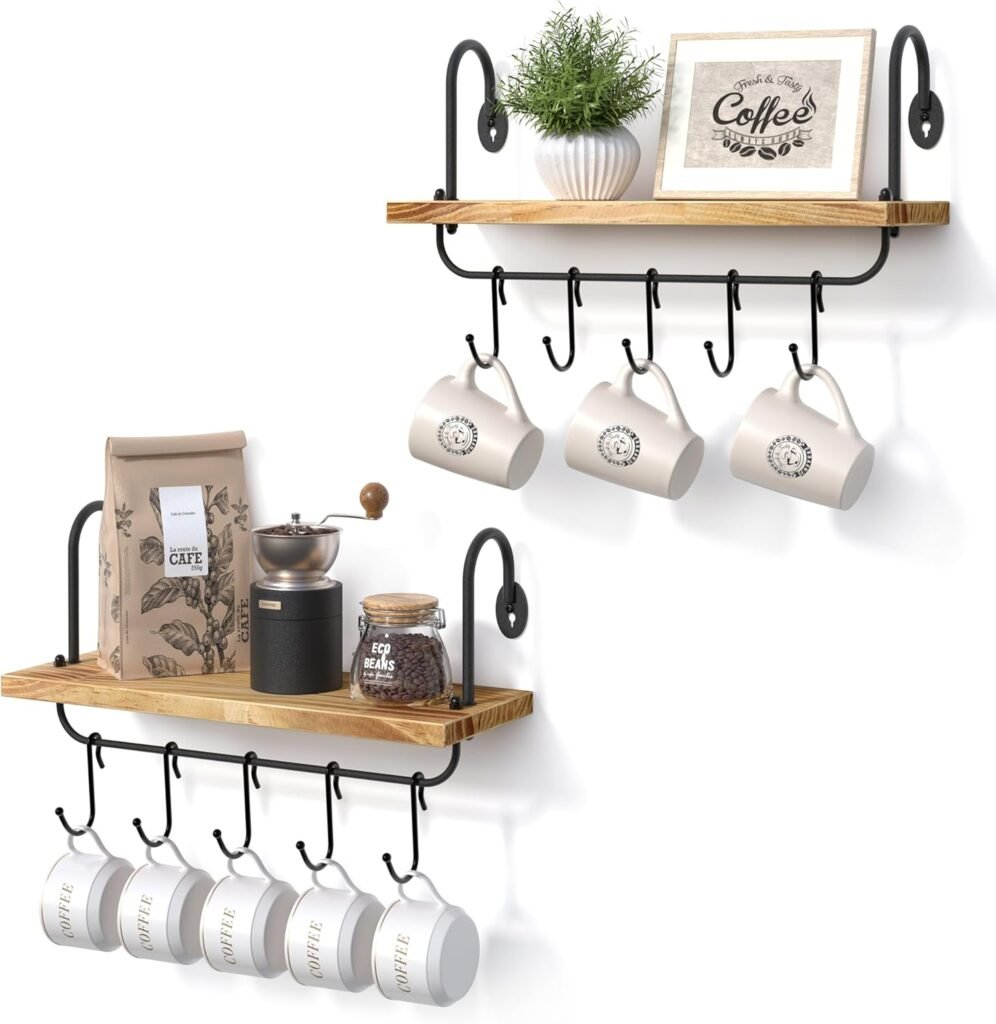
    • A wall-mounted shelf to maximize vertical space
    • A small section of your kitchen counter
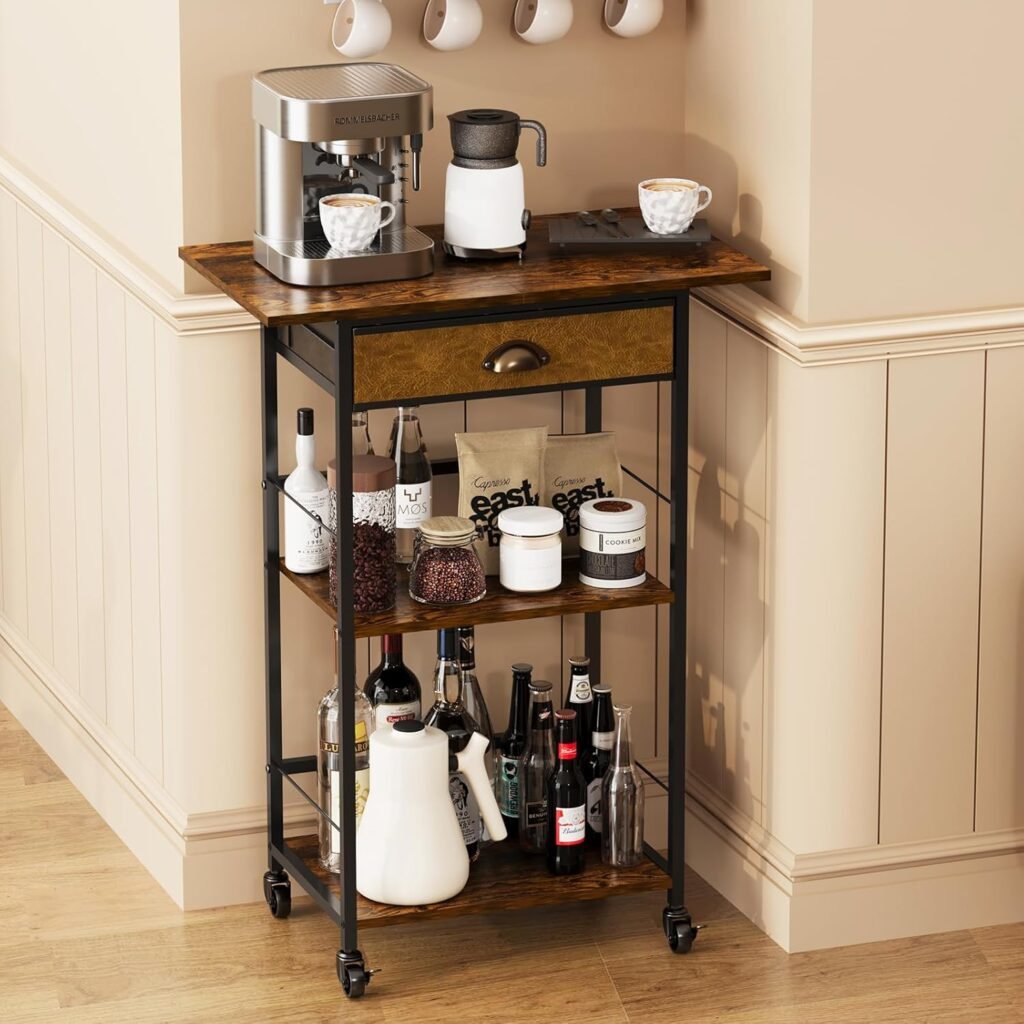
    • If counter space is scarce, a rolling coffee cart is a game-changer! You can move it around as needed, and it can double as a serving station when guests come over.
    • A small stationary stand will work as well. Amazon has many styles to choose from, making it easy to find one that matches your personal style and needs.
    • A repurposed bookshelf

    2. Invest in Space-Saving Coffee Equipment

    When counter space is limited, choose compact and multi-functional coffee makers. Some great options include:


    Click Here to Read: Easy Homemade Cold Brew Coffee Recipe (Step-by-Step Guide)


    3. Optimize Storage with Smart Solutions

    Efficient storage is key to keeping your coffee bar tidy and functional:


    4. Keep It Organized Yet Stylish

    A well-organized coffee bar enhances both function and aesthetics. Try these:


    5. Be Creative!

    Having a small kitchen doesn’t mean you have to compromise on your coffee experience. With these space-saving ideas and your own touch of creativity, you’ll have everything you need to create your favorite drinks in your own home daily.

    Snap a picture of your small home coffee bar ideas and tag us on Instagram @the.coffee.collect in order to get featured and inspire others in the coffee community!

    -the coffee collect.


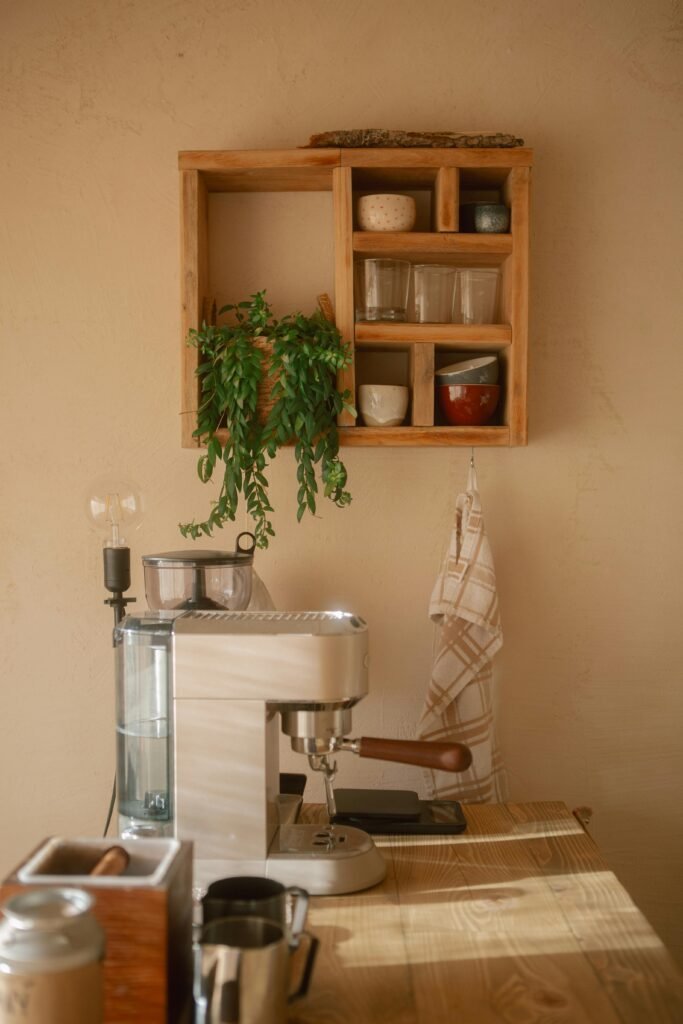
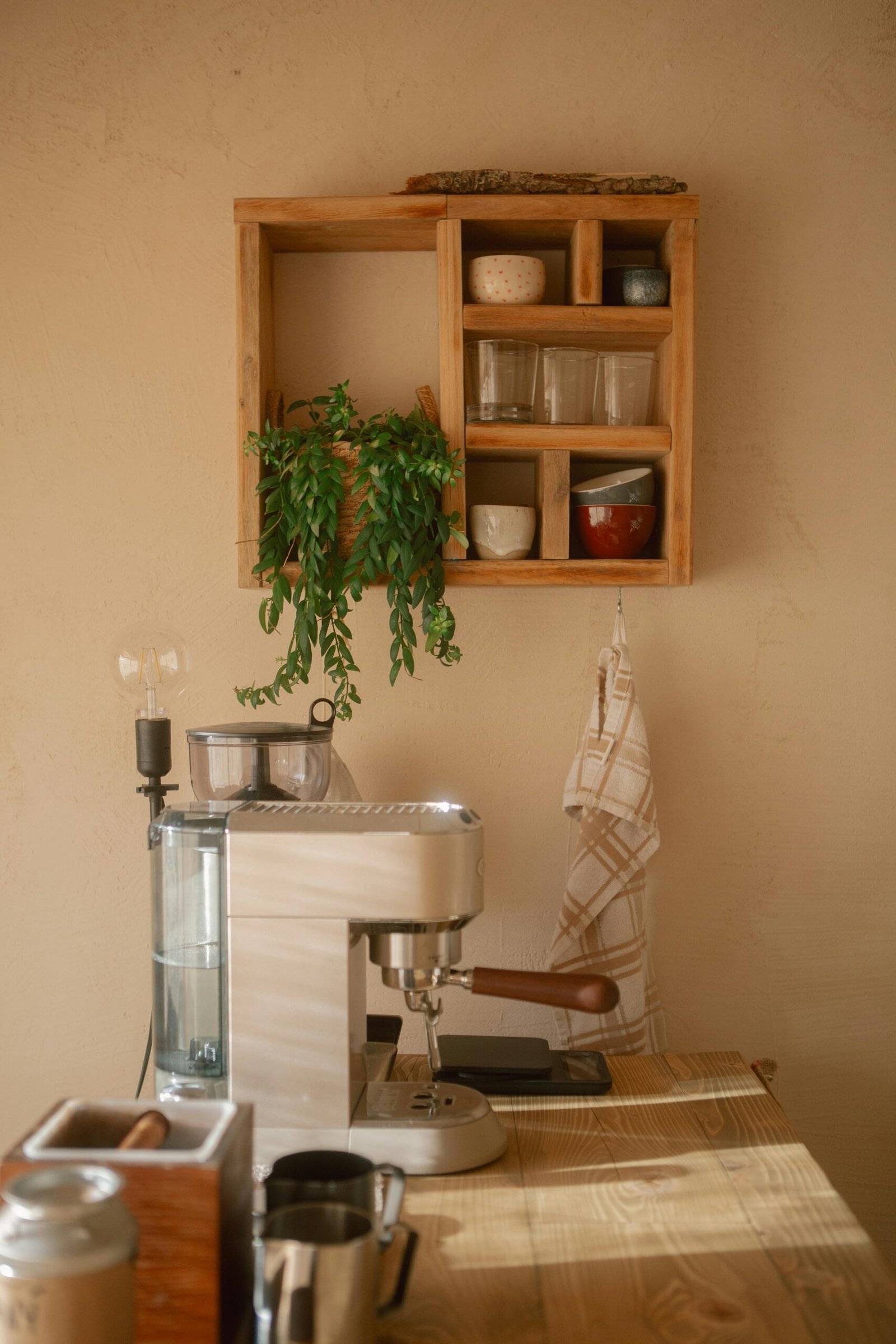
    Elegant coffee setup in a minimalist home kitchen with wooden shelves and greenery.
  • Coffee & Creativity: How a Simple Cup Inspires Big Ideas

    Coffee & Creativity: How a Simple Cup Inspires Big Ideas

    Coffee & Creativity: How a Simple Cup Inspires Big Ideas

    A foundation belief at The Coffee Collect is the idea that coffee has a way of naturally bringing people together. People gathered together in coffee shops opens the door for creativity, inspiration, and even life-changing ideas. Whether its authors drafting novels, entrepreneurs sketching out their next venture, or friends having deep discussions over a fresh brew, cafés have long been spaces where innovation happens.

    But why do coffee shops spark so much creativity? And how can we embrace this culture to fuel our own ideas, projects, and even faith journeys?


    A Tradition of Big Ideas Over Coffee

    Have you ever found yourself lost in thought over a cup of coffee? Maybe you’ve had an inspiring conversation or a breakthrough idea while sitting in your favorite café? Perhaps this is no coincidence as coffee is an invitation to slow down, reflect, and create.

    Throughout history, coffeehouses have been gathering places for thinkers and dreamers. In the Enlightenment era, European coffeehouses were known as “penny universities” because, for the cheap price of a cup of coffee, you could engage in stimulating discussions on philosophy, politics, and art.

    Fast forward to today, and the tradition continues. J.K. Rowling wrote early drafts of Harry Potter in an Edinburgh café. Pablo Picasso and Ernest Hemingway were regulars at Parisian spots like Les Deux Magots. Modern entrepreneurs, like the founders of Instagram, mapped out their ideas over coffee. Even many aspects of The Coffee Collect have been crafted in coffee shops 😉

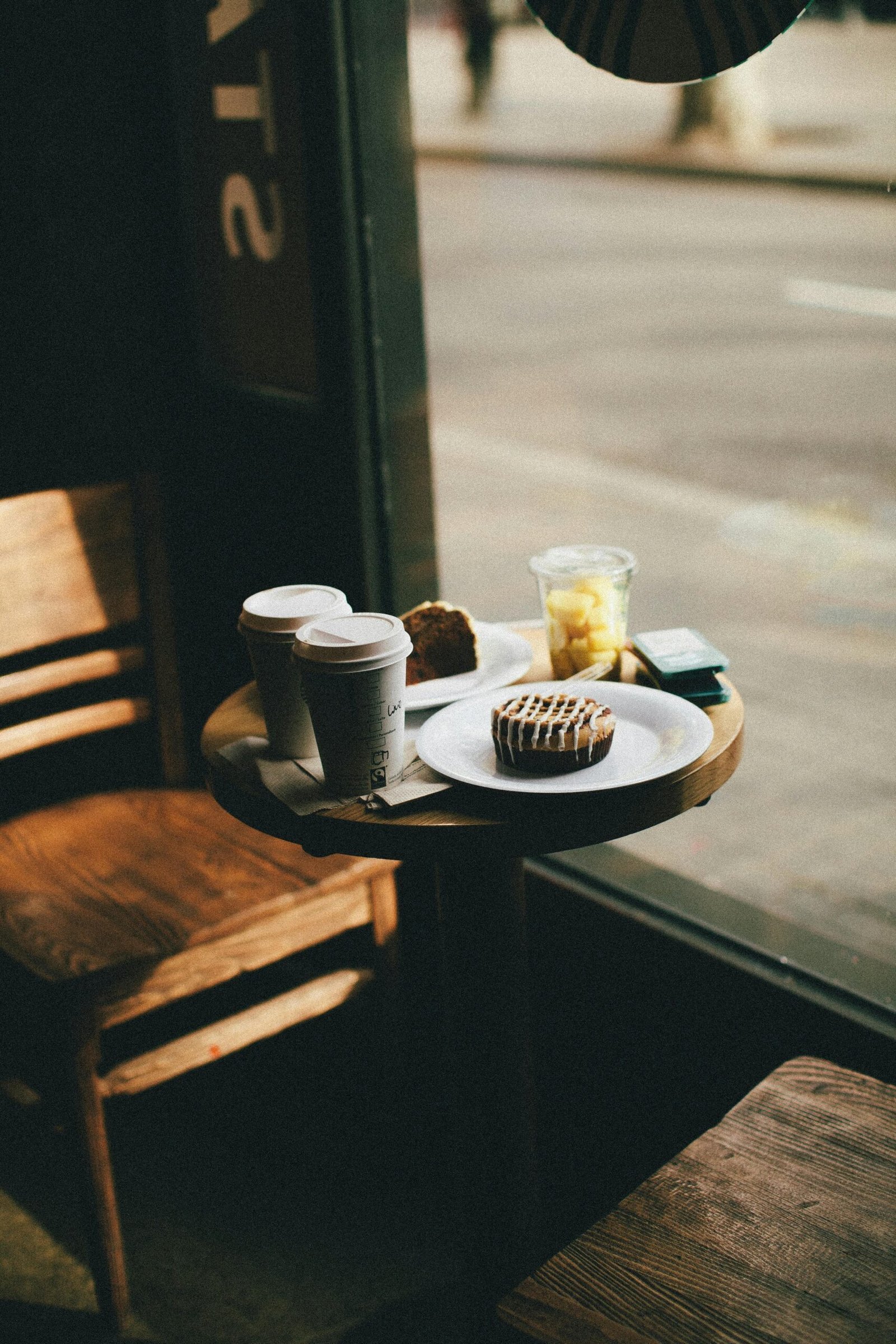
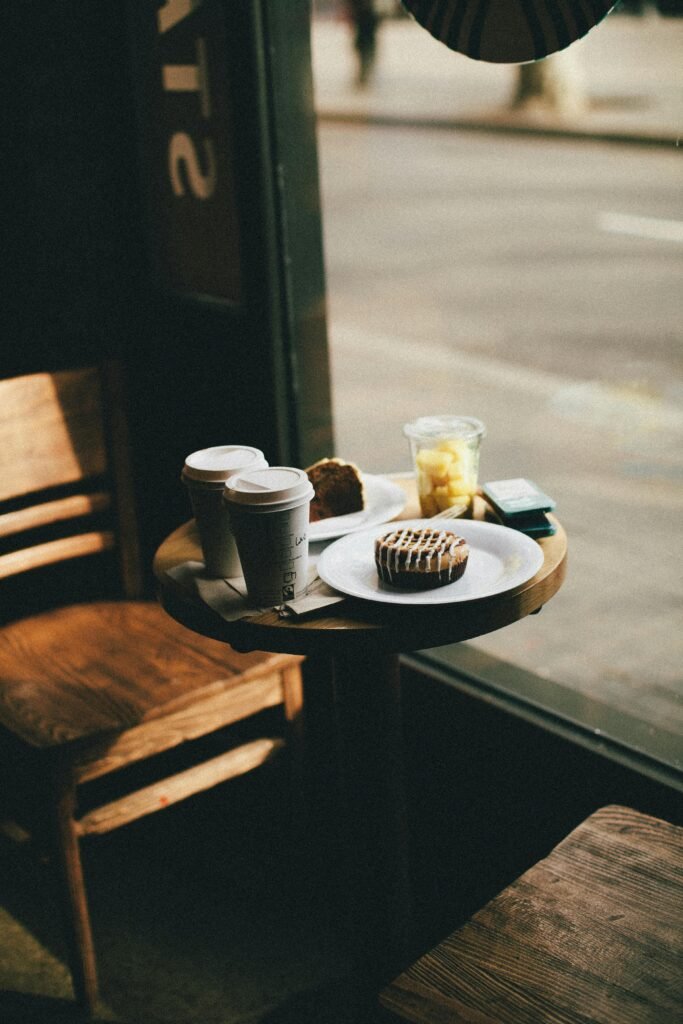
    Warm lighting in a modern café with coffee, pastries, and wooden furniture by the window.

    Why Coffee Shops Inspire Creativity

    What makes coffee shops such great idea labs?

    The Perfect Level of Buzz – Studies show that moderate background noise (like the hum of conversation and clinking cups) can actually enhance creativity. It’s enough stimulation to keep your brain engaged but not distracted. Many coffee shop goers can confirm this “zoned-in” state-of-mind.

    The Ritual of the Brew – There’s something about the process of ordering, waiting, and sipping coffee that encourages mindfulness and focus. The act itself can help reset your thoughts and spark fresh ideas. It is also very possible to achieve this mindset at home through your personal coffee routine.

    The Power of Caffeine – Scientifically, caffeine boosts cognitive function and supports problem-solving. A 2020 study published in Consciousness and Cognition found that moderate caffeine intake enhances problem-solving and alertness, two key ingredients for creativity (Zabelina & Silvia, 2020). It’s a great idea to utilize this power and have business meetings in coffee shop atmospheres!


    Click Here to Read: Home Coffee Bar Ideas for Apartments and Tiny Kitchens


    Coffee, Creativity, and Faith

    For many, coffee shops are not just spaces for work but places for deeper reflection. They can be modern-day gathering places for faith-based discussions, journaling, or moments of quiet prayer. Some of the best conversations about purpose, calling, and creativity happen over a simple cup of coffee.

    Jesus Himself often used meals and gatherings as opportunities for teaching and connection. There’s something sacred about coming together, breaking bread—or in this case, sharing coffee—and exchanging thoughts that shape who we are.


    How to Make the Most of Café Creativity

    1. Switch up your routine. If you usually work or reflect at home, try heading to a coffee shop and see how the change in environment sparks fresh ideas.
    2. Bring a journal. Write down thoughts, prayers, or creative inspirations while enjoying your brew. You never know when a great idea will strike.
    3. Invite someone to coffee. Whether it’s for brainstorming, faith discussions, or simply catching up, some of the best ideas happen in conversation.
    4. Use the moment to recharge. Sometimes, the best creativity comes when we step away from screens, sip coffee slowly, and allow space for new ideas to emerge.
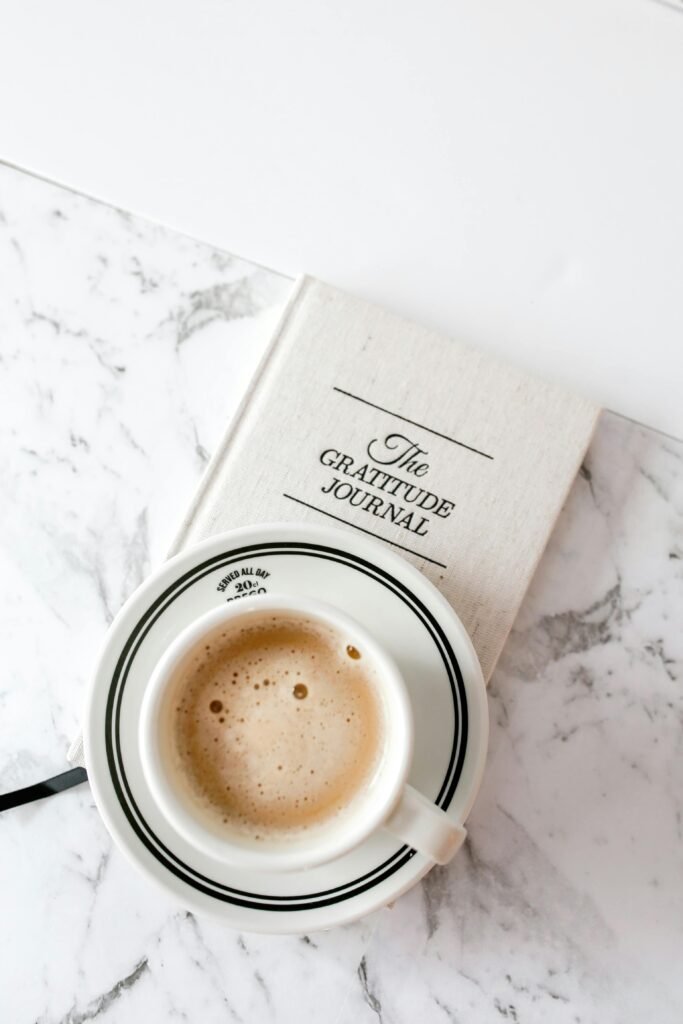
    A cup of coffee rests on a gratitude journal against a marble backdrop, capturing peaceful moments.

    From Enlightenment thinkers to modern entrepreneurs, coffee has fueled some of the world’s most powerful ideas. But the beauty of coffee culture isn’t just in the big, world-changing moments, it’s in the everyday ones. It’s in the quiet reflection, the deep conversations, and the small sparks of inspiration that can turn into something incredible.

    It’s amazing how the world begins to change through the eyes of a cup of coffee

    Donna A. Favors

    Next time you’re in a coffee shop, take a moment to pause. Breathe in the aroma, soak in the atmosphere, say a prayer, and let creativity brew.

    -the coffee collect.

  • Blueberry Coffee Syrup Recipe

    Blueberry Coffee Syrup Recipe

    Blueberry Coffee Syrup Recipe

    Syrups are a great way to experiment and practice your coffee artistry, and many are easy to make at home. Here’s a simple delicious recipe for homemade Blueberry Coffee Syrup that will add a fruity and slightly tart twist to your coffee drinks:


    Ingredients:

    • 1 cup fresh or frozen blueberries
    • 1 cup sugar (adjust to taste)
    • 1/2 cup of good quality water
    • 1 tablespoon lemon juice (optional, to brighten the flavor)
    • 1 teaspoon vanilla extract (optional, for extra depth)
    Macro shot of fresh blueberries on wood. Perfect for healthy food concepts.

    Instructions:

    1. In a saucepan, add the blueberries and sugar. Use a fork or potato masher to mash the blueberries slightly, releasing some juice.
    2. Pour in the water and bring the mixture to a gentle simmer over medium heat. Stir occasionally, allowing the sugar to dissolve and the blueberries to break down into a syrupy consistency.
    3. Let the mixture simmer for about 10-15 minutes, stirring often. The syrup should thicken slightly and become more concentrated. You can adjust the cooking time based on how thick you want the syrup to be.
    4. Strain (Optional). If you prefer a smooth syrup, strain the blueberry mixture through a fine mesh strainer or cheesecloth to remove the solids.
    5. Add Lemon Juice and Vanilla (Optional). For a little extra brightness, stir in the lemon juice or add vanilla extract for a subtle flavor boost.
    6. Let the syrup cool to room temperature. Transfer it to a clean jar or bottle and store it in the refrigerator for up to two weeks.

    Get Creative!

    Add 1-2 tablespoons of blueberry syrup to your coffee, espresso, or cold brew for a fruity twist. To emphasize the “blue” in blueberry, add some blue food coloring to your milk of choice. Here is a collection of great blueberry coffee recipes to get you brewing…

    Hot Coffee Drinks:
    • Blueberry Mocha – Espresso, blueberry syrup, steamed milk, and chocolate for a rich, berry-infused mocha.
    • Blueberry Latte – Espresso, blueberry syrup, and steamed milk, topped with a sprinkle of cinnamon or nutmeg.
    • Blueberry Cappuccino – A classic cappuccino with a hint of blueberry syrup for a unique twist.
    • Blueberry Honey Cortado – Espresso mixed with blueberry syrup and a touch of honey, balanced with equal parts steamed milk.
    • Blueberry Affogato – A scoop of vanilla ice cream topped with a shot of espresso and a drizzle of blueberry syrup.
    Cold Coffee Drinks:
    • Iced Blueberry Latte – Espresso, blueberry syrup, and milk served over ice for a smooth, refreshing treat.
    • Blueberry Cold Brew – Cold brew coffee sweetened with blueberry syrup and served with a splash of cream or oat milk.
    • Blueberry Sweet Cream Cold Brew – Cold brew topped with homemade sweet cream infused with blueberry syrup.
    • Blueberry Coffee Soda – Espresso, blueberry syrup, and sparkling water for a lightly effervescent, fruity coffee experience.
    • Blueberry Espresso Tonic – Espresso, blueberry syrup, tonic water, and a twist of lemon for a bright, citrusy refreshment.

    Enjoy your homemade Blueberry Coffee Syrup and tag us on Instagram @the.coffee.collect to get featured and show the coffee community your creation!

    Would you like more syrup recipes to try? Let us know!

    -the coffee collect.

  • Nitro Coffee: What It Is and Why It’s So Popular

    Nitro Coffee: What It Is and Why It’s So Popular

    Nitro Coffee: What It Is and Why It’s So Popular

    One innovation that has taken the coffee world by storm is nitro coffee. With its smooth texture, rich taste, and appeal to craftsmanship, nitro coffee has become a favorite among coffee enthusiasts. But what exactly is nitro coffee, and why has it gained so much popularity? Let’s explore this unique brew and its rise to fame…


    What Is Nitro Coffee?

    Nitro coffee is cold brew coffee that has been infused with nitrogen gas. This process gives it a creamy mouthfeel and a cascading effect similar to a draft beer, making it both visually and texturally appealing. Unlike traditional iced coffee, it is served straight from a tap, often without ice, preserving its velvety texture and deep flavor.

    The nitrogen infusion creates tiny bubbles that give nitro coffee its signature smoothness and naturally sweet taste, eliminating the need for added sugar or milk. This makes it a great option for those looking to enjoy a rich, full-bodied coffee experience with fewer calories.

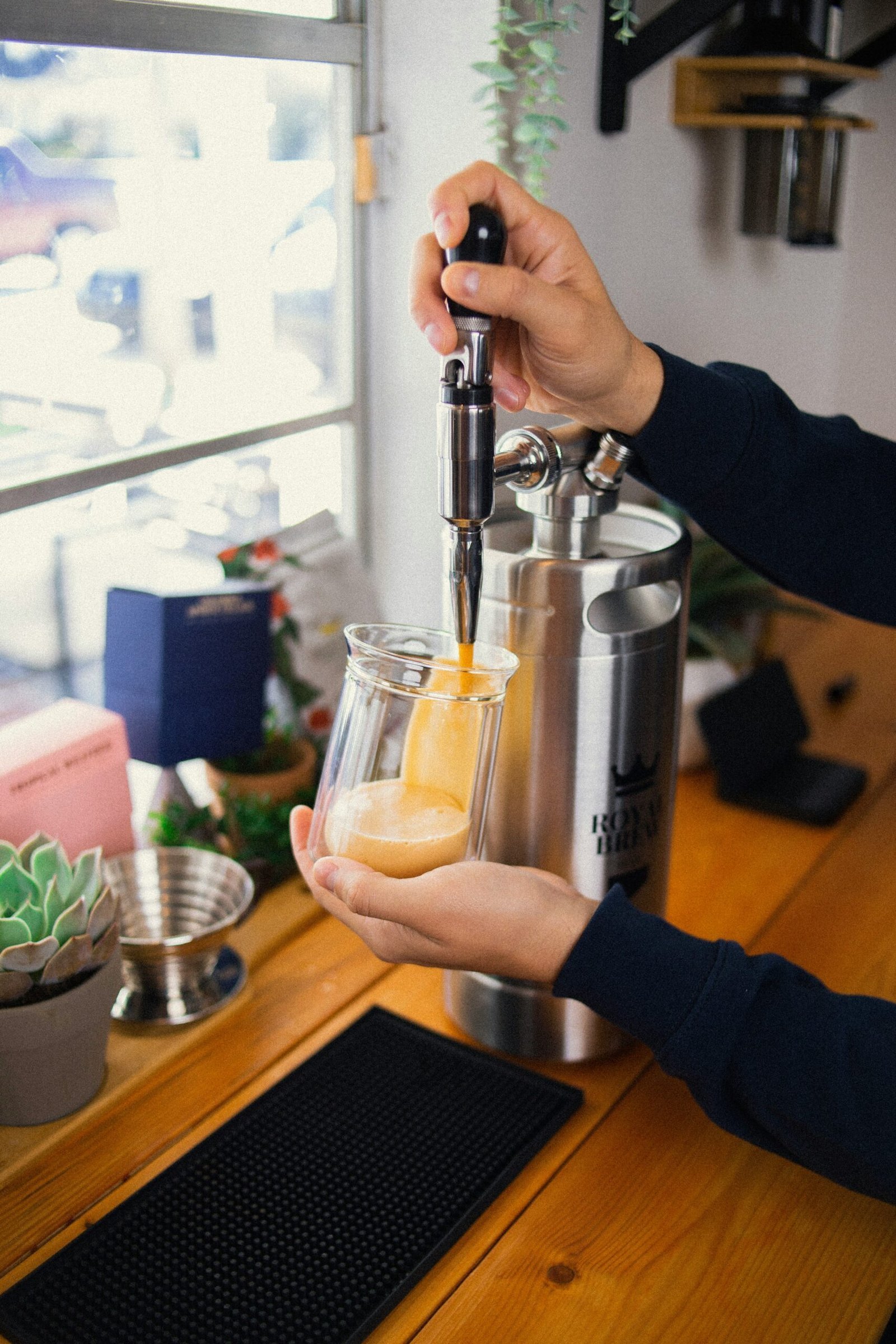
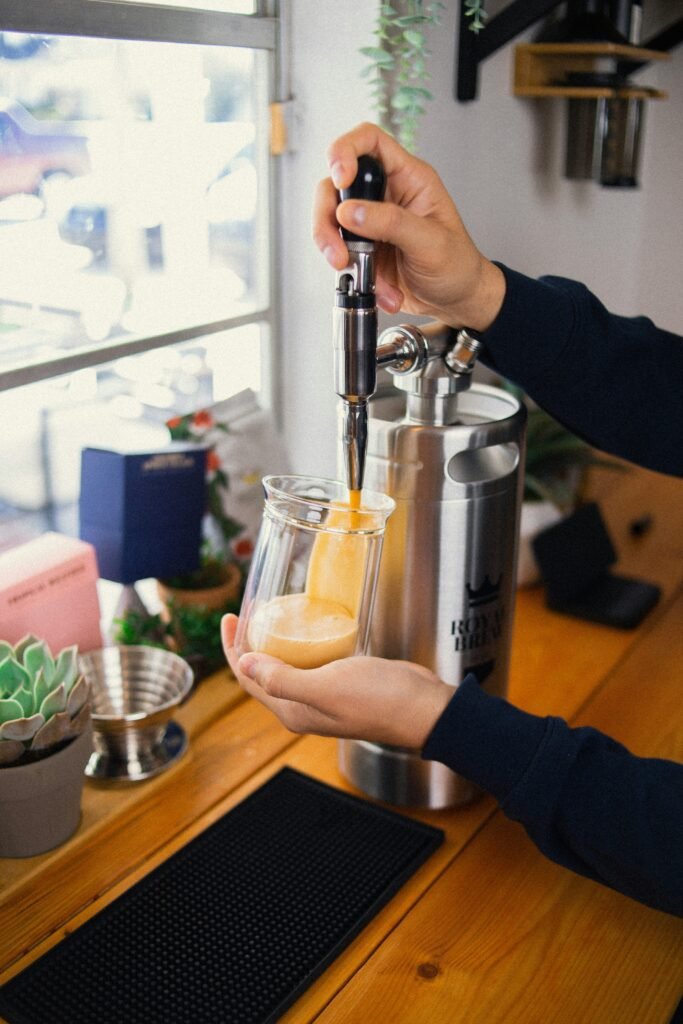
    Someone pouring nitro cold brew coffee from a keg dispenser

    The Origins of Nitro Coffee

    Nitro coffee is a newer innovation that emerged in the early 2010s as a twist on cold brew. The exact origin of the concept is unclear, but around this time craft beer breweries in the U.S. were using nitrogen to give their stouts a creamy texture, inspiring coffee professionals to apply the same concept to cold brew. The creativity and experimentation of the world’s community of baristas and breweries resulted in a nitrogen infusion that creates a smoother, more visually appealing iced coffee alternative.

    The first commercial appearance of nitro coffee is widely attributed to Cuvee Coffee, a specialty coffee roaster based in Austin, Texas, which introduced nitro cold brew on tap in 2012. The idea quickly caught on, with coffee shops across the country adopting the trend. By 2015, major chains like Starbucks and Stumptown had launched their own versions, bringing nitro coffee into the mainstream. Its popularity continues to grow, with canned nitro coffee now available in grocery stores and online marketplaces.


    Click Here to Read: The Rise of Ready-to-Drink (RTD) Coffee Beverages


    Why Is It So Popular?

    Nitro coffee has captured the attention of coffee lovers’ tastebuds for its silky, creamy texture, enhanced natural flavors with chocolatey, nutty, or caramel-like notes, and its visually stunning cascading effect. Its naturally sweet taste means there’s no need for added sugar, and its higher caffeine content from cold brew concentrate makes it a bold and awakening, yet smooth choice. Plus, since it’s served without ice, it maintains its full-bodied flavor without dilution.

    Beyond its taste and texture, nitro coffee also appeals to those who appreciate coffee craftsmanship. It provides baristas, home brewers, and coffee shops with an opportunity to experiment and showcase their skills in a creative and innovative way.


    Where Can You Get Nitro Coffee?

    Nitro coffee is widely available at specialty coffee shops, major chains like Starbucks, and even in convenient canned form at grocery stores or gas stations.

    Or, imagine pouring your own velvety smooth nitro coffee at home, controlling every aspect of the flavor, and enjoying a rich, frothy pour any time you crave it. That is why some coffee enthusiasts are making their own at home. With simple home equipment, you can add your own unique touch, save money, and elevate your coffee routine to the next level. For this you’ll need equipment such as the nitrogen charger and keg system pictured, or a nitro cold brew dispenser kit.


    Specialty Recipes

    Want to give nitro coffee a try? Here are some specialty nitro coffee recipes you can order at your local coffee shop or try making at home!

    • Nitro Vanilla Sweet Cream Coffee – Nitro cold brew with vanilla sweet cream for a smooth, subtly sweet flavor.
    • Nitro Mocha Coffee – Nitro cold brew infused with chocolate syrup or cocoa powder for a rich, chocolaty twist.
    • Spiced Nitro Coffee – Nitro cold brew with cinnamon, nutmeg, and maple syrup for a warm, aromatic touch.
    • Nitro Coconut Cold Brew – A tropical take featuring nitro cold brew and creamy coconut milk.
    • Nitro Espresso Martini (Alcoholic) – A coffee cocktail combining nitro cold brew, espresso, coffee liqueur, and vodka.


    With its creamy texture, naturally sweet taste, high caffeine content, and stunning presentation, it’s no wonder that coffee lovers everywhere are embracing this innovative nitro coffee brew. Whether you grab a nitro coffee from your local café or experiment with making it at home, this unique drink is definitely worth a try.

    Have you tried nitro coffee? What are your thoughts? Let us know!

    Tag us on Instagram @the.coffee.collect to share with the coffee community!

    -the coffee collect.

  • How to Read a Coffee Label: Origin, Roast, and More

    How to Read a Coffee Label: Origin, Roast, and More

    How to Read a Coffee Label: Origin, Roast, and More

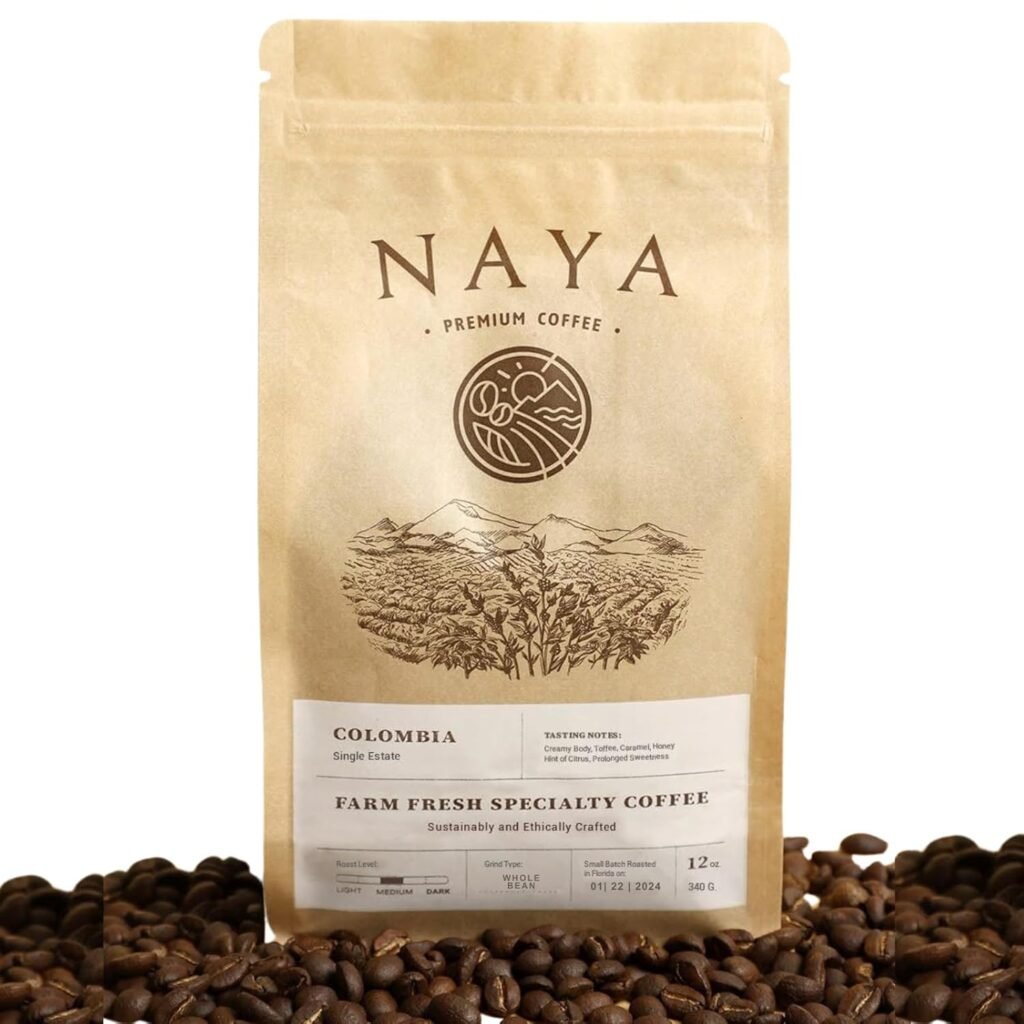
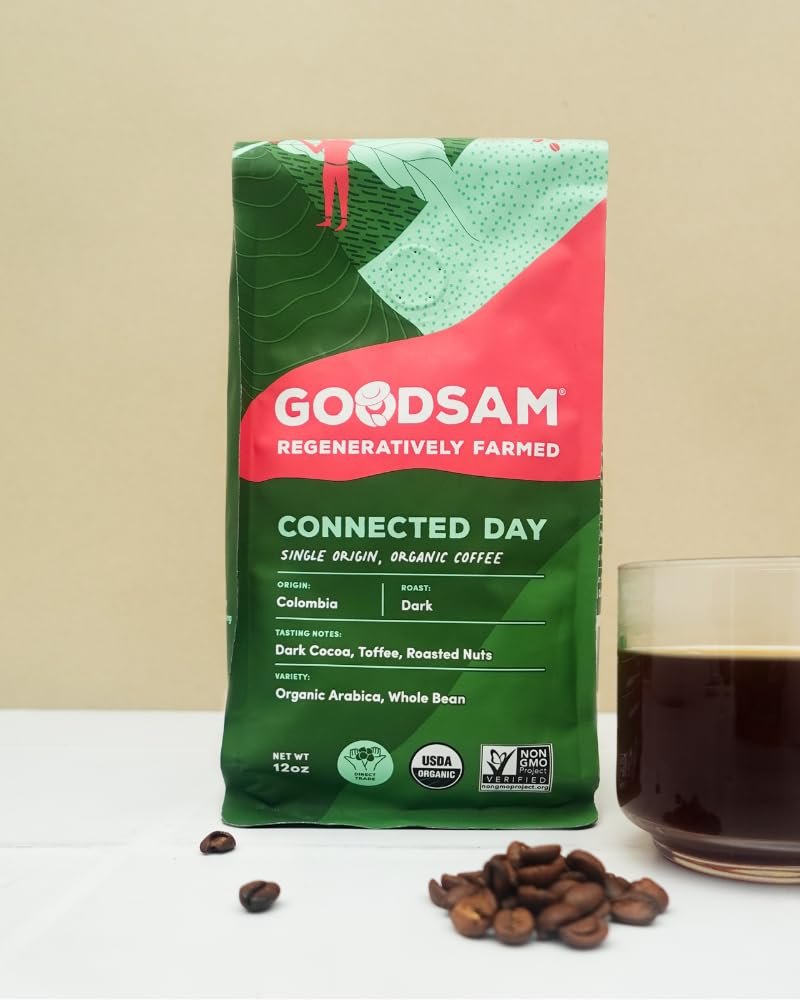
    Learning how to interpret a coffee label ensures you choose a coffee that aligns with your taste preferences and brewing style. A well-detailed label should tell the story behind the coffee and provide insight into the coffee’s flavor profile, origin, processing method, and more. Here’s what you need to know…


    Coffee Origin

    The origin of the coffee significantly impacts its flavor. Labels often indicate the country, region, and even the specific farm where the beans were grown. Coffee roasters will source their coffee from specific origins in order to create blends with specific tastes. Sometimes coffee blends are made up of a compilation of coffee from different origins, in order to create a balanced flavor. Or there are single-origin coffees which highlight the characteristics of a specific region.

    Almost all coffee beans originate from countries in the Coffee Bean Belt, which lies in between the Topic of Cancer and Capricorn. Here are some of the most common origins and what they might mean when it comes to taste:

    • Ethiopia – Fruity, floral, tea-like qualities
    • Colombia – Balanced, nutty, with caramel sweetness
    • Brazil – Chocolatey, nutty, low acidity
    • Kenya – Bright acidity, berry and citrus notes
    • Sumatra – Earthy, full-bodied, low acidity

    Roast Level On a Coffee Label

    A coffee’s “roast level” refers to how long the coffee beans were roasted, which in turn communicates the flavor profile of the coffee. Roast level should always be displayed on a coffee label as it plays a crucial role in the coffee’s taste and aroma. Understanding what the different roast levels mean will guide you to picking the right one according to your flavor profile. Here’s a quick guide:

    • Light Roast – A light roast has a light brown flavor, and the beans appear dry. The flavor profile retains more acidity, fruitiness, and origin flavors.
    • Medium Roast – Medium roasts are a medium brown and may appear dry or slightly oily. The flavor profile has a balanced sweetness, acidity, and body.
    • Dark Roast – Dark roasts appear dark brown to black with oily surfaces. They usually have a bold, smoky, chocolatey, and all-around deeper flavor profile.

    Processing Method

    The way coffee is processed after harvest affects its final taste. Processing methods vary based on factors such as climate and end objectives, and each method creates a unique flavor. Here are some common methods that might be on the coffee label and a simple rundown on what they communicate:

    • Washed (Wet Process) – Beans are fermented and washed to remove fruit before drying | Clean, bright flavors with high clarity
    • Natural (Dry Process) – Whole cherries are dried with the fruit still intact, then hulled | Fruity, sweet, heavier body
    • Honey Process – Some fruit pulp is left on the bean while drying, giving a sticky, honey-like texture | Balanced sweetness, moderate acidity, syrupy body

    Elevation

    Coffee labels sometimes list the elevation at which the beans were grown. The highest altitudes reach around 5,000 ft / 1,500 m and the lowest are around 2,000 ft / 600 m. Generally, the higher the altitude, the slower the coffee cherry matures, leading to denser beans with more complex flavors and acidity. Lower elevations produce heavier-bodied, milder coffees. If you love bright, fruity flavors, go for high-altitude coffee. If you prefer rich, chocolatey notes, try lower-grown beans


    Coffee Grind Size Guide


    Roast Date & Freshness

    Always look for the roast date instead of an expiration date on a coffee label. Freshly roasted coffee (within 2–4 weeks of roasting) delivers the best flavors. However, allowing coffee to rest for a few days post-roast can improve extraction and balance.


    Certifications & Ethical Sourcing

    Coffee labels may include certifications like:

    • Organic – Grown without synthetic pesticides or fertilizers.
    • Fair Trade – Supports fair wages and ethical farming practices.
    • Rainforest Alliance – Promotes sustainability and environmental conservation.
    • Direct Trade – A relationship-focused approach where roasters buy directly from farmers.

    These indicate sustainable and ethical sourcing practices and, while not a direct indicator of quality, these certifications align with responsible coffee lover choices.

    Flavor Notes

    Flavor notes (e.g., “chocolate, citrus, caramel”) describe the perceived flavors, not added ingredients. They give an idea of what to expect but don’t indicate artificial flavoring.


    The next time you pick up a bag of coffee beans, take a moment to decode the label and learn the story behind it all!

    Tag us on Instagram @the.coffee.collect to share your favorite coffee roasts and blends with the coffee community!

    -the coffee collect.