Category: the how-to

brewing, equipment, buying guides, & product reviews

  • Easy Homemade Cold Brew Coffee Recipe (Step-by-Step Guide)

    Easy Homemade Cold Brew Coffee Recipe (Step-by-Step Guide)

    Easy Homemade Cold Brew Coffee Recipe (Step-by-Step Guide)

    Are you looking for a smooth, refreshing way to enjoy coffee, even on the hottest days? Meet cold brew—a low-acid, naturally sweet coffee that’s incredibly easy to make at home.


    What Is Cold Brew Coffee?

    Cold brew coffee results from a brewing method that involves steeping coarsely ground coffee beans in cold or room-temperature water for an extended period, typically 12-24 hours. Unlike traditional hot brewing, which uses heat to extract flavors, cold brewing relies on time, resulting in a smoother, less acidic, and naturally sweeter coffee concentrate.

    This method has gained massive popularity worldwide, especially among coffee enthusiasts seeking a refreshing and versatile drink that can be customized to their taste. In fact, cold brew coffee sales have surged by over 370% in the past five years! It’s no wonder major coffee chains like Starbucks and Dunkin’ have embraced cold brew as a staple on their menus. Coffee lovers are drawn to its rich flavor, adaptability, and the ability to make it at home without any fancy equipment. Plus, it’s a favorite among iced coffee drinkers who want a bolder, less watered-down taste.
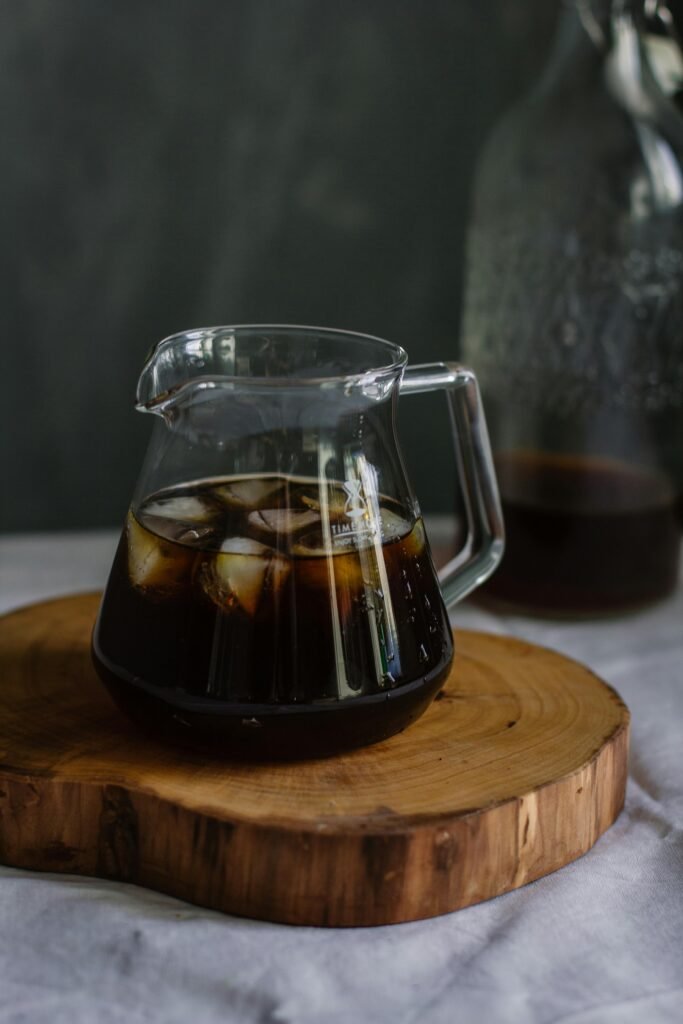
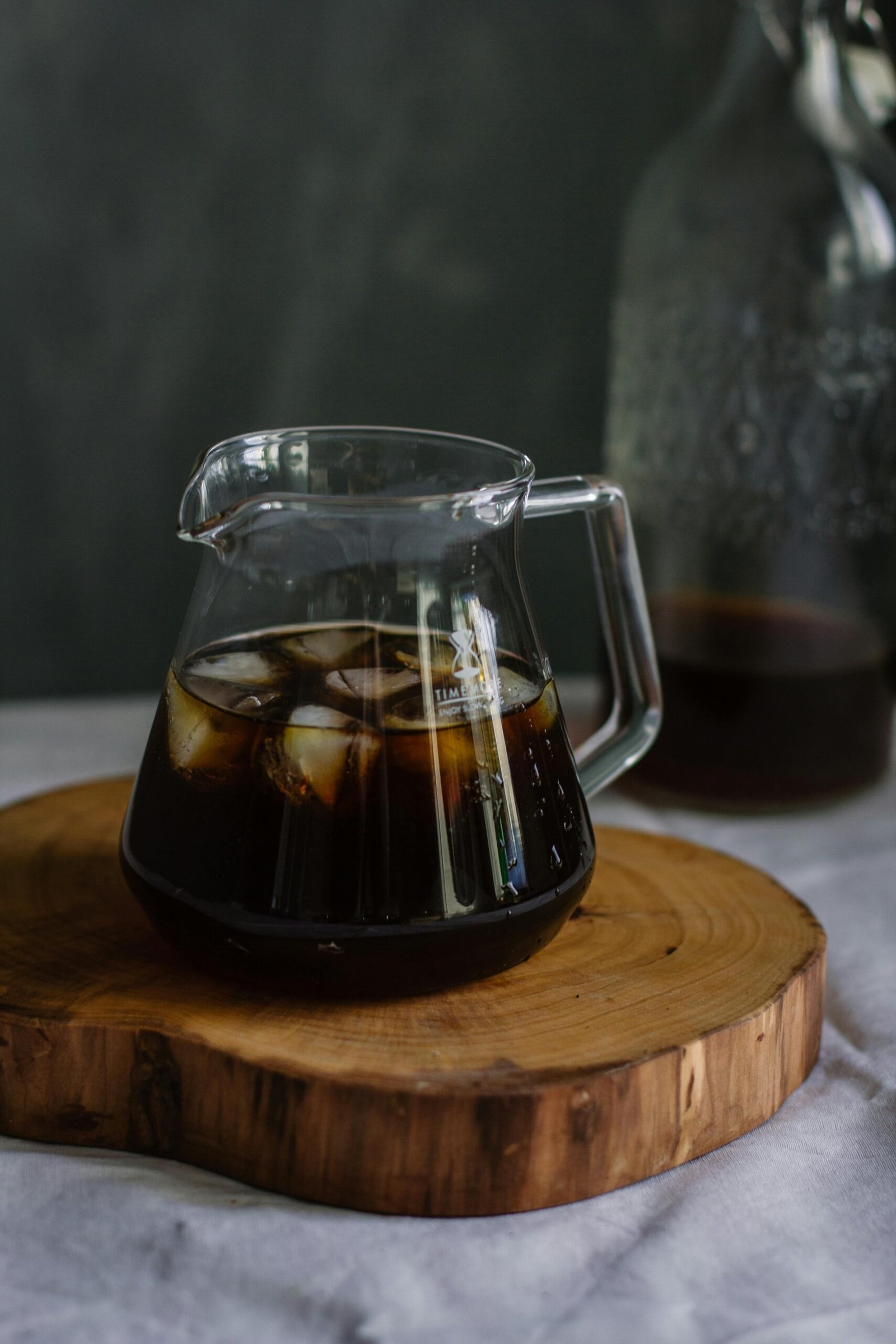
    A glass pitcher filled with cold brew coffee on a round wooden board, creating a refreshing still life setup.

    Why Should You Drink Cold Brew Coffee?

    Here are a few reasons to give cold brew a try:

    • Lower Acidity: If regular coffee upsets your stomach, cold brew’s lower acidity makes it gentler on your digestive system.
    • Rich, Smooth Flavor: Cold brewing brings out the coffee’s natural sweetness while minimizing bitterness.
    • Versatility: Cold brew concentrate can be enjoyed straight, diluted with water, milk, or used in creative recipes.
    • Convenience: Brew a batch once, and enjoy delicious coffee for up to 10 days.
    • Perfect for Hot Days: A chilled glass of cold brew is a refreshing way to stay cool while getting your caffeine fix.

    How to Make Cold Brew Coffee at Home

    Making cold brew at home is incredibly simple, and just one batch can last you days. Here’s our step-by-step guide:

    What You Need:

    • 1 cup of coarsely ground coffee (about 85g). Bizzy is our recommended choice because they specialize in cold brew coffee grounds and offer a smooth, well-balanced flavor profile crafted from sustainably sourced, 100% organic Arabica beans.
    • 4 cups of cold or room-temperature water
    • A large jar, pitcher, or cold brew maker
    • A fine mesh strainer or cheesecloth (not necessary if you have a cold brew maker)
    • A stirring spoon
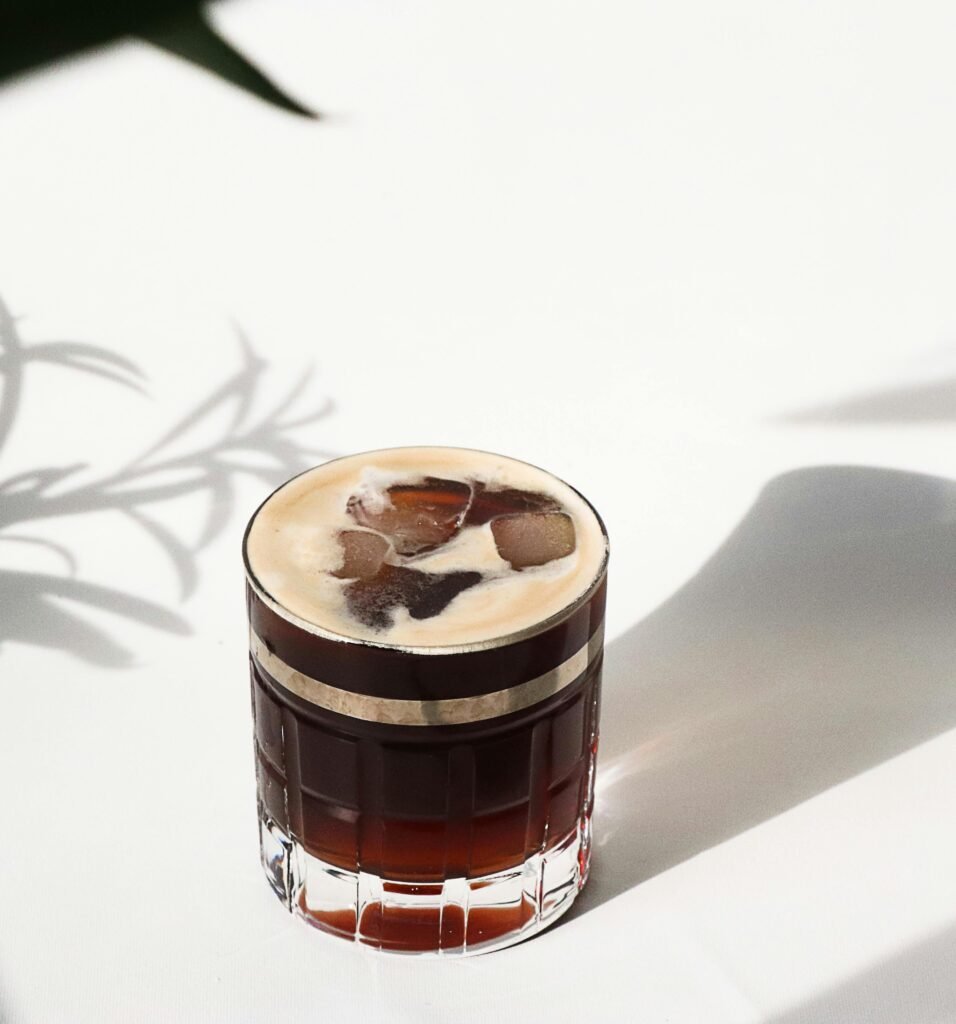
    A close-up of cold brew coffee in a glass on a bright, sunny day with artistic shadows.

    Instructions:

    1. Choose Your Coffee
    2. Grind the Beans (If not already ground)
      • Use a burr grinder to achieve a coarse grind, similar to breadcrumbs. Grinds that are too fine can make the brew cloudy.
    3. Combine Coffee and Water
      • Add the coffee grounds to your jar, pitcher, or cold brew maker. Pour in the water and stir gently to ensure all grounds are saturated.
    4. Steep
      • Cover the container and let it steep in the fridge or at room temperature for 12-24 hours. The longer it steeps, the stronger the flavor, so personalize it according to your own preferences.
    5. Strain the Coffee
      • After steeping, place a fine mesh strainer or cheesecloth over a second container and slowly pour the coffee through it to remove the grounds. Discard the grounds responsibly (we recommend composting them!)
    6. Dilute and Enjoy
      • Cold brew concentrate is potent, and some enjoy it black. However, you can dilute it with water, milk, creamer, or a preferred sweetener if you so wish. Serve over ice and enjoy!
    7. Store Extra
      • Unless it is consumed right away, cold brew should be refrigerated as soon as possible after brewing. Undiluted cold brew can last up to 10 days when refrigerated, which is a big time saver! To add functionality, store your extra cold brew in a pitcher that is ready to pour when cold brew calls your name.

    Fun Cold Brew Tips & Flavor Ideas

    Take your cold brew to the next level with these fun tips:

    • Sweeten Smartly: Add sweeteners like simple syrup, honey, or flavored syrups to your cold brew instead of granulated sugar. We recommend that you do not sweeten the whole cold brew batch, instead, sweeten only the cold brew you will be consuming that day.
    • Spice It Up: Experiment with flavors like cinnamon, vanilla, or nutmeg during the steeping process.
    • Try Infusions: Add orange peels, mint leaves, or a dash of cocoa nibs for unique flavor profiles.
    • Make Ice Cubes: Freeze cold brew in ice cube trays to avoid watering down your cold brew drink, or any iced coffee drink for the matter.
    • Explore Trends: Because of cold brew’s rising popularity, coffee shops have embraced exciting cold brew flavors on their menus. Follow along with these trends for creative inspiration.
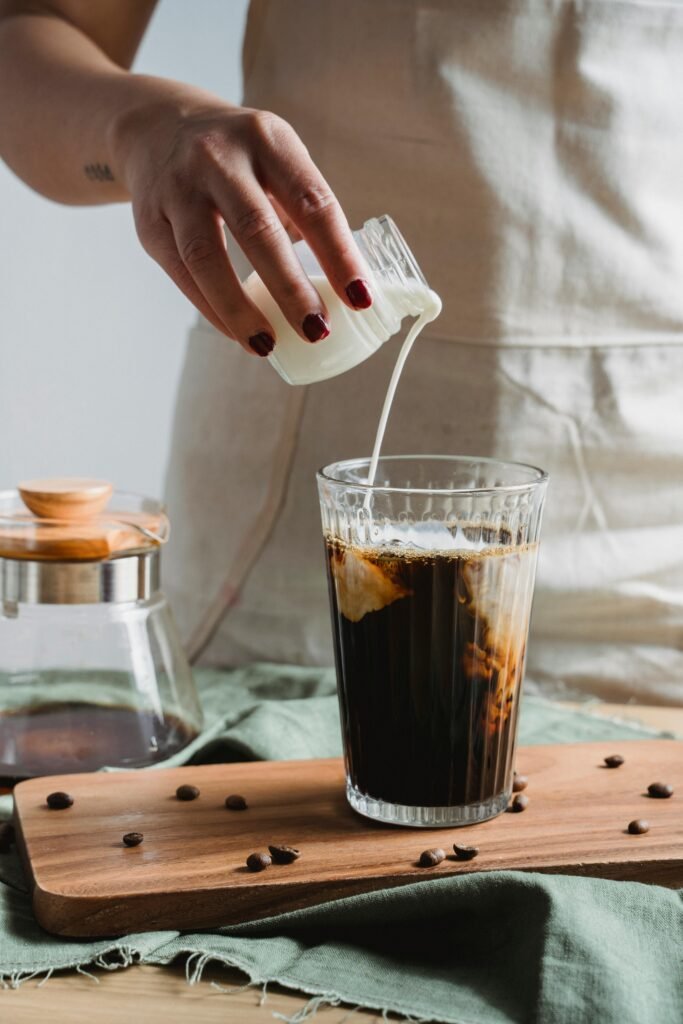
    A person pours milk into a glass of cold brew coffee, surrounded by coffee beans, creating a captivating swirl.

    Tag us on Instagram @the.coffee.collect to share your coffee creations with the coffee community!

    happy cold brewing!

    -the coffee collect.

  • Top 10 Coffee Accessories Every Enthusiast Needs | 2025

    Top 10 Coffee Accessories Every Enthusiast Needs | 2025

    Top 10 Coffee Accessories Every Enthusiast Needs | 2025

    Whether you’re here looking to upgrade your own coffee setup or hunting for the perfect gift for the coffee enthusiast in your life, this list has you covered. The right tools and accessories can elevate your experience, making every sip a masterpiece. Here is a collection of top 10 coffee accessories every enthusiast should have to make their coffee routine exceptional:


    1. Vacuum Sealed Coffee Container

    Freshness is the secret ingredient to a great cup of coffee. Without proper storage, coffee can go bad and loose its flavor, leaving you with an unpleasant taste. A vacuum sealed coffee container prevents oxidization by locking out air. This extends your coffee grounds or coffee beans’ shelf life and also preserves their delicious aroma and flavor. Look for a model with an airtight seal and one-way valve to ensure your coffee stays at peak freshness.


    2. Filter Case

    Keep your coffee filters neat and accessible with a dedicated coffee filter case. These compact cases are designed to store filters securely, protecting them from moisture and damage. There are many styles available that will both elevate and organize your coffee bar.


    3. Ice Tray

    A quality ice tray is the perfect accessory for cold brew and iced coffee lovers who want full-flavored iced coffee every time. These trays allow you to freeze coffee into cubes, so your iced coffee won’t dilute as the ice melts. Ice will also elevate the presentation of your coffee when you consider the ice shape and size. There is a diversity of ice trays available for any occasion, enabling you to make spherical ice, mini ice cubes, or maybe heart-shaped ice for a Valentine’s Day coffee get-together.

    Close-up of a refreshing iced cold brew coffee in a glass with sunlight and shadows.

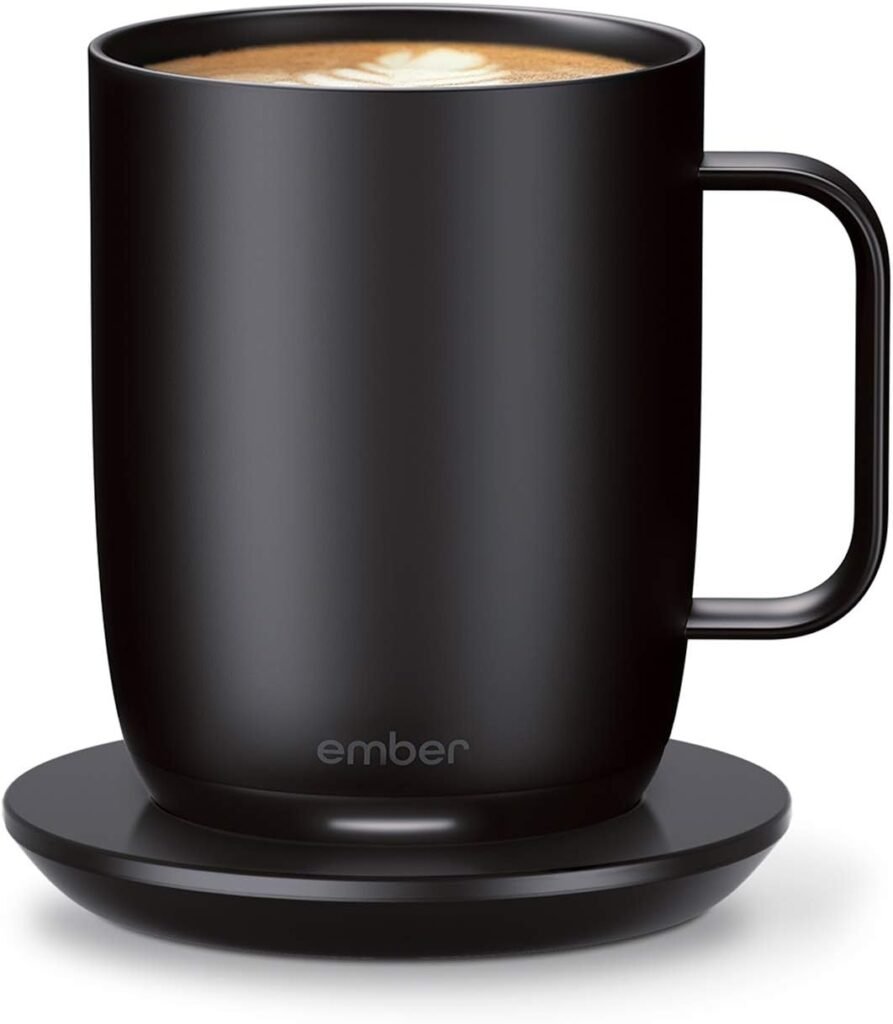
    4. Coffee Mug Warmer

    Coffee going cold is a problem that many of us face. We oftentimes get distracted only to come back to cold coffee before even taking a single sip. Or sometimes we feel the need to rush through a good cup of coffee before it loses its perfect temperature too fast. With a coffee mug warmer, you never have to worry about your coffee going cold again. A coffee mug warmer keeps your brew at the ideal temperature, so you can enjoy it at your own pace. This is perfect for a desktop, ensuring every sip is warm and satisfying, especially during long work sessions.


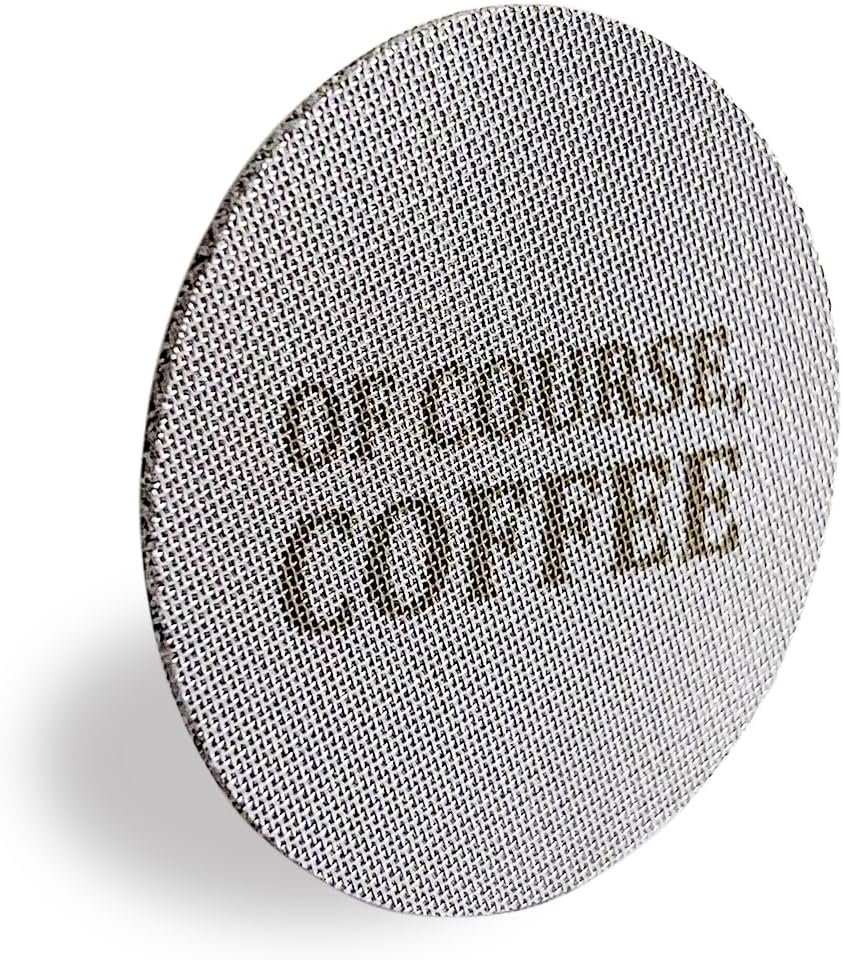
    5. Puck Screen

    For espresso enthusiasts, a coffee puck screen is a simple, yet powerful, game-changer. This small reusable tool evenly distributes water over the coffee grounds, resulting in consistent and rich espresso shots. Puck screens come in many sizes, so you must be sure to purchase one that matches the size of your espresso machine’s puck. Including a puck screen in your espresso routine comes with many delicious benefits without adding extra effort or time.


    6. Bean Caddy

    Instead of weighing out your coffee beans or blends every day, store them in a bean caddy that has beans that are already weighed and read-to-go. Sleek coffee bean caddies combine function and aesthetics to enhance your coffee bar. With the element of an exhaust valve, these containers are designed to protect your beans from gas release, air, and moisture, ensuring they stay fresh and ready for brewing.


    7. Latte Stencils

    Bring out your inner barista with latte stencils. These fun tools allow you to create and experiment with intricate designs on your coffee, turning every cup into a work of art. They are perfect to impress guests and add a personal touch to your coffee creations.


    8. Milk Frothing Wand

    A frothing wand is the secret weapon for baristas. With just a few seconds of frothing, you can create velvety microfoam for your lattes, creamy froth for cappuccinos, or even whip up silky cold foam for your iced coffee creations. Easy to use and compact, a frothing wand is perfect for elevating your coffee artistry without taking up precious counter space. Plus, it opens the door to experimenting with new textures, flavors, and stunning latte art.


    9. Coffee Mug Display

    Show off your favorite mugs with a coffee mug holder or display rack. This accessory adds a touch of charm to your kitchen or coffee nook while keeping your mugs within easy reach. There are many styles available, making it easy to find your perfect fit.


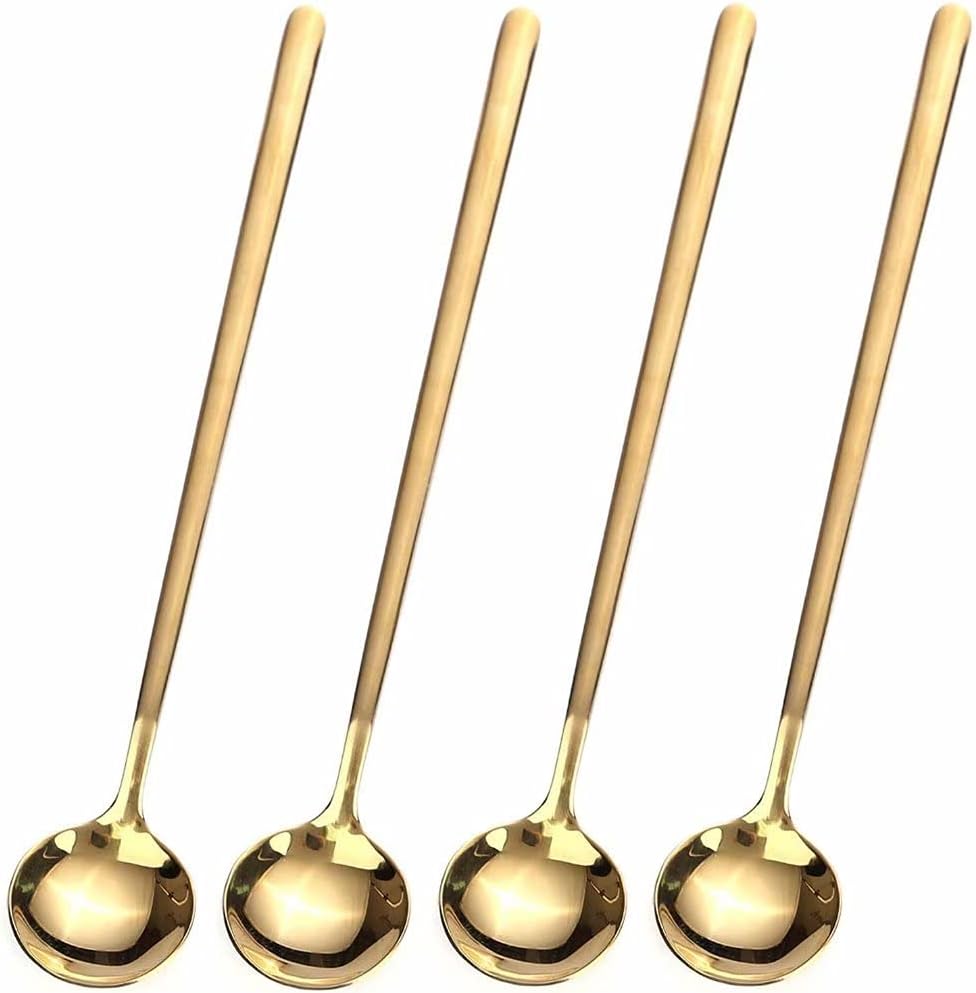
    10. Coffee Stirring Spoons

    Decorative stirring spoons enhance your brewing ritual with a touch of sophistication. These elegantly designed spoons are ideal for mixing milk, sugar, or syrups into your coffee. They are also the perfect touch for coffee and tea parties.


    Click Here to Read: Coffee Products We Are Currently Loving


    Start building your perfect coffee toolkit today!

    -the coffee collect.

  • Coffee Grind Size Guide

    Coffee Grind Size Guide

    Coffee Grind Size Guide

    When it comes to brewing coffee, grind size is one of the most critical factors and understanding how grind size affects your cup can take your coffee game to the next level. In this guide, we’ll break down everything you need to know about coffee grind sizes and how to match them with your preferred brewing method.


    Why Grind Size Matters

    The grind size of your coffee beans influences the extraction process—the way water interacts with coffee grounds to extract flavor. A grind that’s too coarse may result in under-extraction, leading to a sour or weak brew. On the other hand, a grind that’s too fine can cause over-extraction, leaving you with a bitter and unpleasant taste.

    Getting the grind size right ensures that you achieve balanced extraction, unlocking the full flavor potential of your coffee beans.


    The Coffee Grind Size Spectrum

    1. Extra Coarse Grind

    • Texture: Similar to sea salt or peppercorns.
    • Best For: Cold brew, cowboy coffee.
    • Why: Extra coarse grinds require a longer steeping time, making them perfect for methods that need extended brewing periods without over-extracting.
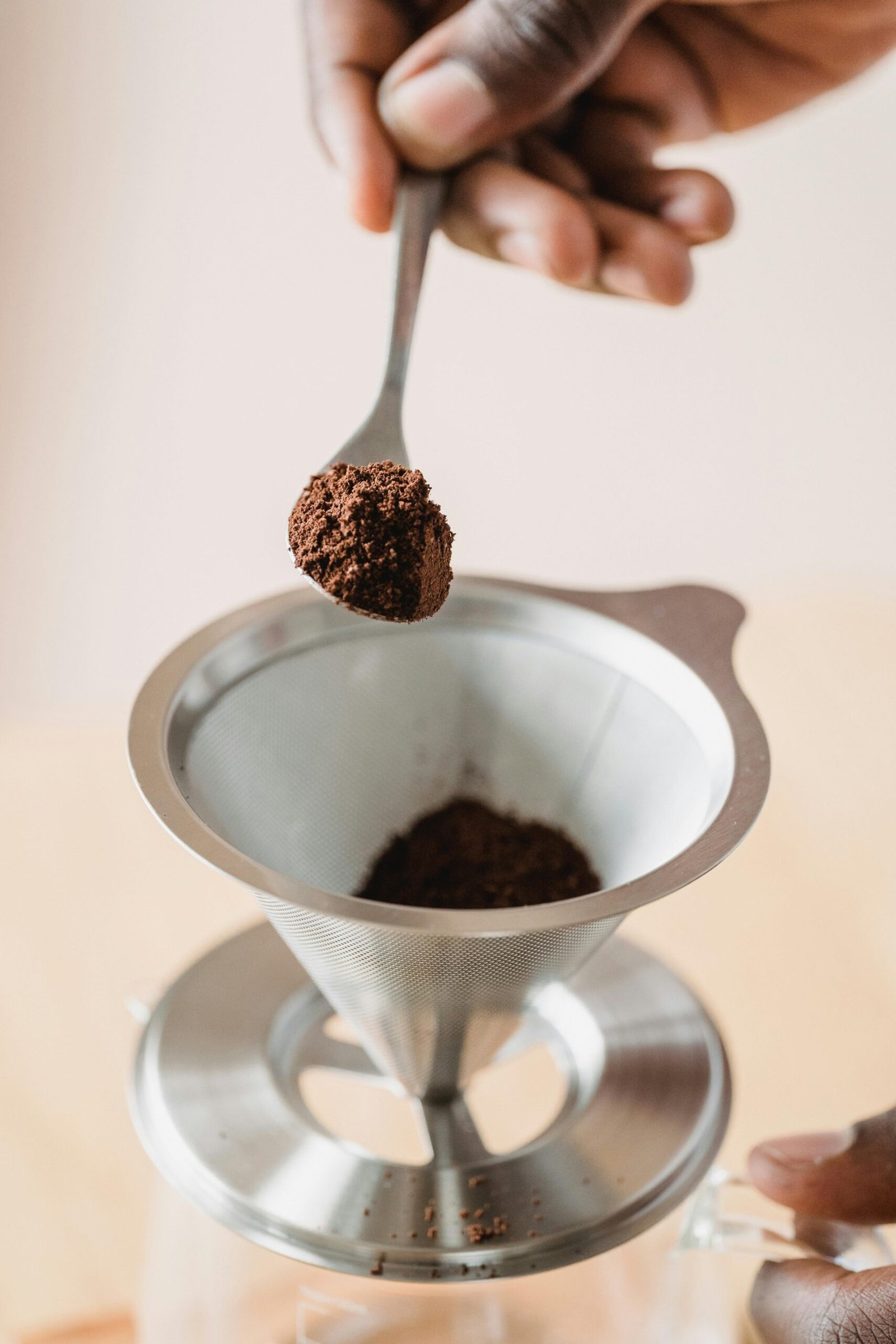
    Detailed close-up of coffee grounds being spooned into a filter by hand, perfect for coffee enthusiasts.

    2. Coarse Grind

    • Texture: Comparable to coarse sea salt.
    • Best For: French press, percolators.
    • Why: The larger particles are suited for immersion brewing methods that involve prolonged contact with water.

    3. Medium-Coarse Grind

    • Texture: Rough sand.
    • Best For: Chemex, Clever Dripper
    • Why: This grind size allows for balanced extraction in slower-drip brewing methods.

    4. Medium Grind

    • Texture: Similar to regular sand.
    • Best For: Drip coffee makers, siphon brewers, AeroPress (with a 3-4 minute brew time).
    • Why: Medium grind works well for methods with moderate brewing times and consistent water flow.

    5. Medium-Fine Grind

    • Texture: Finer than sand but not powdery.
    • Best For: Pour-over methods like Hario V60, Kalita Wave.
    • Why: Allows for precise control over extraction in manual brewing methods.

    6. Fine Grind

    • Texture: Like table salt or powdered sugar.
    • Best For: Espresso, stovetop Moka pots.
    • Why: Fine grinds create the necessary resistance for high-pressure brewing, ensuring a rich and concentrated flavor.

    7. Extra Fine Grind

    • Texture: Similar to flour.
    • Best For: Turkish coffee.
    • Why: Ultra-fine grounds are ideal for methods that fully dissolve coffee particles into the brew.

    Tips for Getting the Perfect Grind

    1. Invest in a Quality Grinder: Burr grinders are superior to blade grinders for achieving consistent grind sizes. Since consistency is key to proper extraction, a quality burr grinder is an investment that will take your coffee routine to a professional level. Here are some highly rated options we found on Amazon: OXO Brew Conical Burr Coffee Grinder | Baratza Encore Conical Burr Coffee Grinder | KitchenAid Burr Coffee Grinder | Capresso Infinity Plus Conical Burr Grinder | Hamilton Beach Electric Burr Coffee Grinder
    2. Match Grind to Brew Time: Shorter brewing times require finer grinds, while longer brewing times need coarser grinds.
    3. Experiment and Adjust: Slight adjustments to grind size can dramatically impact the flavor of your coffee. Don’t hesitate to tweak your settings.
    4. Grind Fresh: Coffee begins to lose its freshness immediately after grinding. Grind your beans just before brewing for the best results.

    Troubleshooting Common Grind Size Issues

    Coffee is an art and science, so don’t be afraid to experiment. If you aren’t getting your preferred results here are some basics outlines to remember:

    • Weak or Sour Coffee: Your coffee grind size might be too coarse, leading to under-extraction. Try a finer grind.
    • Bitter or Overly Strong Coffee: Your coffee grind size might be too fine, causing over-extraction. Adjust to a coarser grind.
    • Clogged Filter: This often happens with overly fine grinds in methods like pour-over. Coarsen the grind slightly to improve flow.

    -the coffee collect.

  • How to Make Your Coffee Routine More Sustainable

    How to Make Your Coffee Routine More Sustainable

    Easy Ways to Make Your Coffee Routine More Sustainable

    Coffee lovers like you have an important opportunity to make a positive impact on the planet. From the beans you choose to the tools you use, a few simple changes can transform your coffee routine into a more sustainable one. Here’s how to enjoy your favorite brew while reducing your environmental footprint, along with some product recommendations to get you started.


    Choose Sustainable Coffee Beans

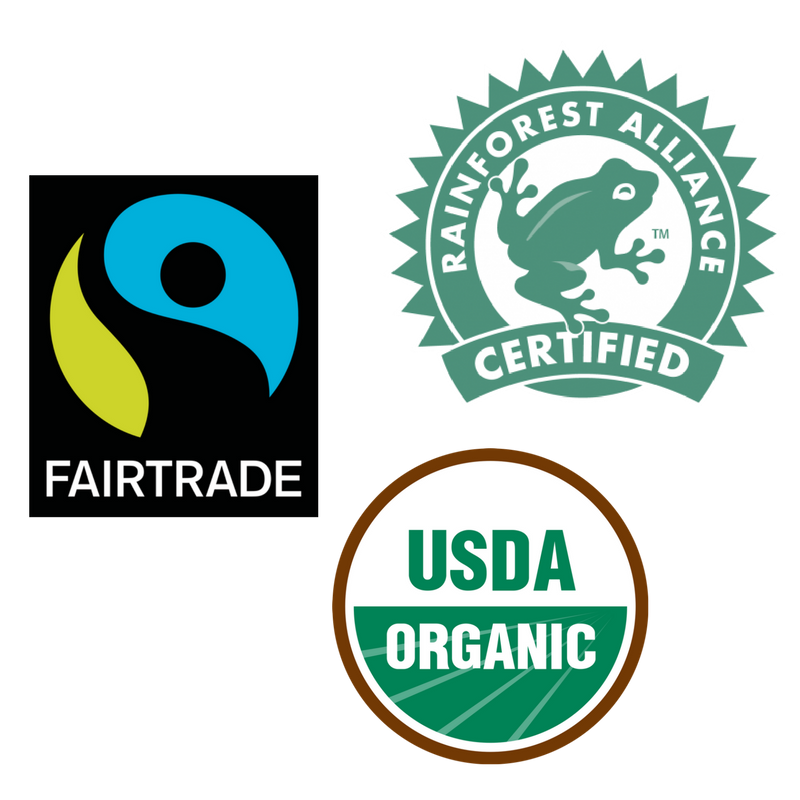
    Opt for coffee that’s ethically sourced and grown with the environment in mind. On packaging, look for certifications like:

    • Fair Trade: The Fair Trade certification means the coffee is certified to have been produced according to trading standards that are ethical, sustainable, and equitable. Try Equal Exchange Organic Coffee for robust coffee blends that are ethically and environmentally sound.
    • Rainforest Alliance: The Rainforest Alliance supports sustainable farming in all aspects. Consider Peet’s Coffee Organic Alma de la Tierra, which delivers a bold, smooth flavor.
    • USDA Organic: Ensures coffee is grown without harmful pesticides. Kicking Horse Coffee’s Smart Ass Blend is a great-tasting organic choice that forgets about the extra preservatives, additives, fillers, and flavoring.

    By choosing brands with these certifications, you’re supporting farmers and the environment.


    Reduce Single-Use Items by Switching to Reusable Gear

    According to sustainability researcher Gunter Pauli, the global coffee industry produces over 23 million tons of waste per year. Single-use coffee pods and filters add up to a lot of waste, as well as disposable cups and stirrers. Pay attention to what you discard and consider investing in reusable gear options like the ones we have collected below:

    • Reusable Coffee Filters: The GoldTone Reusable Filter is a low-cost investment that works perfectly with drip coffee makers and eliminates paper waste.
    • French Press or Pour-Over Brewers: Both the Bodum Chambord French Press and Hario V60 Dripper offer waste-free brewing.
    • Compostable Pods: If you’re tied to a pod system, invest in reusable coffee pod filters, or try San Francisco Bay Compostable Coffee Pods, compatible with Keurig machines.
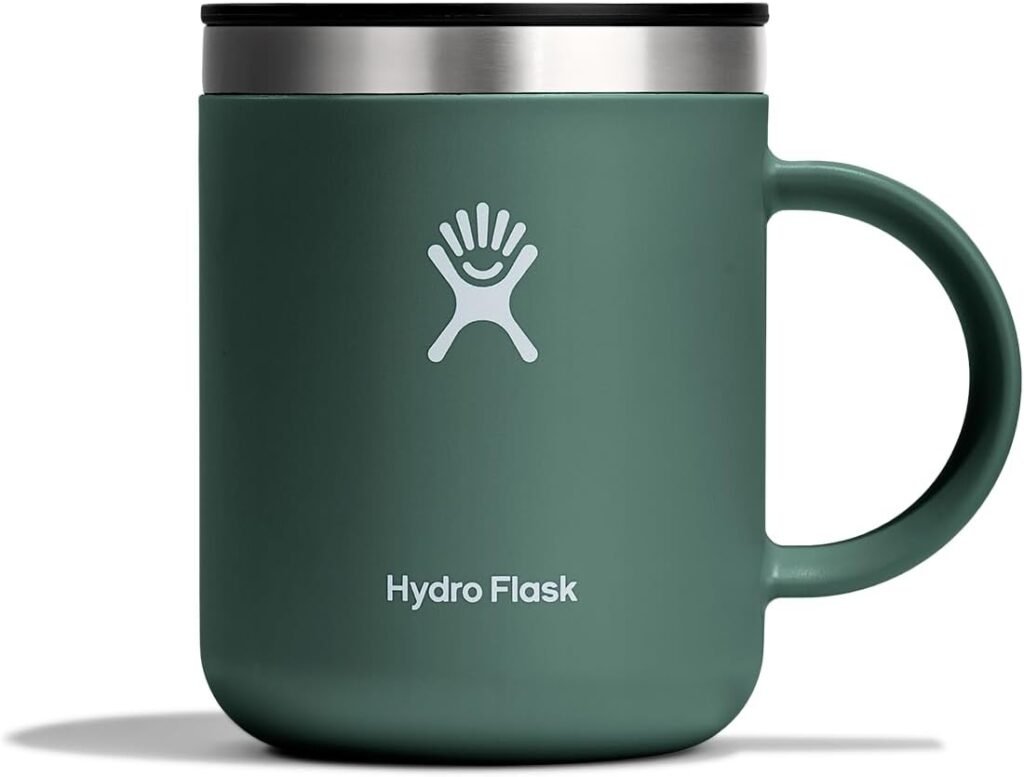
    • Reusable Coffee Cups: There are many long-lasting, reusable coffee cups out there that will keep your drink hot for hours, such as the Hydro Flask Coffee Mug. Consider bringing your own reusable cup whenever you visit your local coffee shop as it allows you to skip the plastic cup, lid, and straw. Often times coffee shops love to give you a discount when you bring your own refillable cup–it helps both the shop and the customer save money while prioritizing the health of the planet.
    • Reusable stirrers: Such as a bamboo stirrer or a stainless-steel spoon instead of plastic.

    Click Here to Read: The Truth About Paper Coffee Cups: A Plastic Lined Reality


    Compost Your Coffee Grounds

    Don’t throw away those used coffee grounds—they’re packed with nutrients! Instead:

    • Add them to your home compost bin. If you don’t have one yet, make your lifestyle more sustainable by investing in one such as the Epica Stainless Steel Compost Bin which makes it easy to collect kitchen scraps, including coffee grounds, without mess or odor.
    • Make your plants happy by using your used coffee grounds as fertilizer. Coffee grounds are especially beneficial for roses and tomatoes.
    • Creating community is something coffee loves to do. Connect and contribute to your community by donating your used coffee grounds to a local community garden or composting program.

    Support Sustainable Coffee Shops

    If you enjoy grabbing coffee on the go, make it a point to support eco-conscious establishments. When you support green businesses, you’re encouraging industry-wide change. Look for coffee shops that:

    • Use compostable cups and lids or allow you to bring your own.
    • Source their beans from sustainable brands and farms.
    • Run recycling programs or initiatives to reduce waste.

    Thrift It!

    There are always great second-hand coffee equipment options at thrift stores, including coffee makers, whisks, and unique mugs. Make sure you inspect everything thoroughly before you buy it and then give it a good clean at home. Thrifting for your coffee set-up is an exciting way to add unique charcter, save money, and practice sustainable purchasing.


    Inspire Others

    Sustainability is a collective effort. Coffee has long been a medium for creating community and culture. By embracing a sustainable coffee routine, we can transform our coffee culture into one that values both community and the planet. Share this blog with friends, family, or on social platforms to inspire others to make greener choices. By collectively rethinking how we source, prepare, and enjoy coffee, we can amplify its role as a unifying and sustainable force.

    Together, let’s make a difference.

    -the coffee collect


  • Best Home Espresso Machines Under $500 | 2025

    Best Home Espresso Machines Under $500 | 2025

    Best Home Espresso Machines Under $500 | 2025

    Imagine waking up to the aroma of fresh espresso, crafted exactly to your liking, without leaving your home. We believe that investing in a home espresso machine will elevate your coffee routine with convenience, quality, and creativity. In 2025, you can enjoy barista-level performance at an affordable price. We’ve rounded up the best home espresso machines under $500 to help you transform your coffee moments into something extraordinary. Here are six exceptional options to get you started.


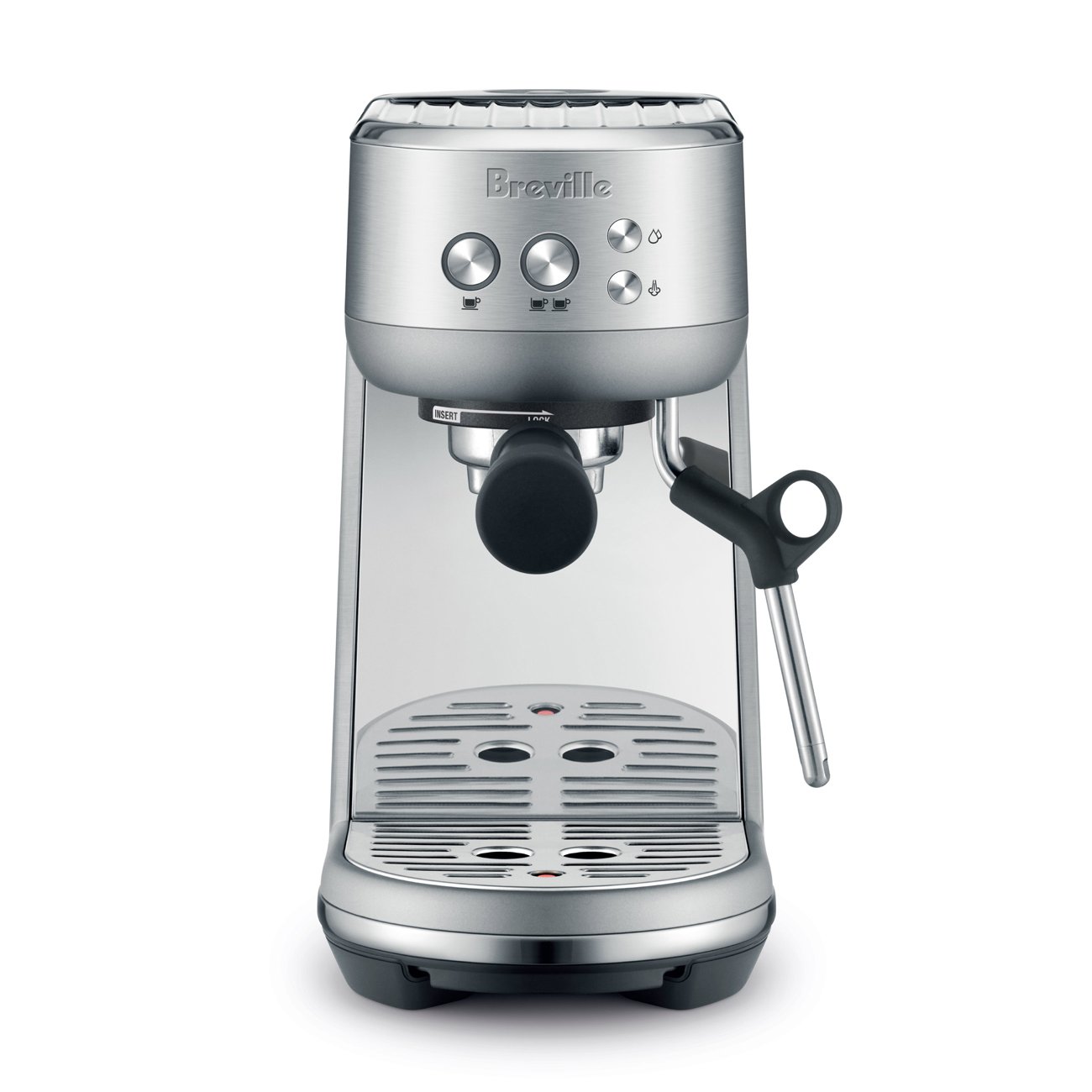
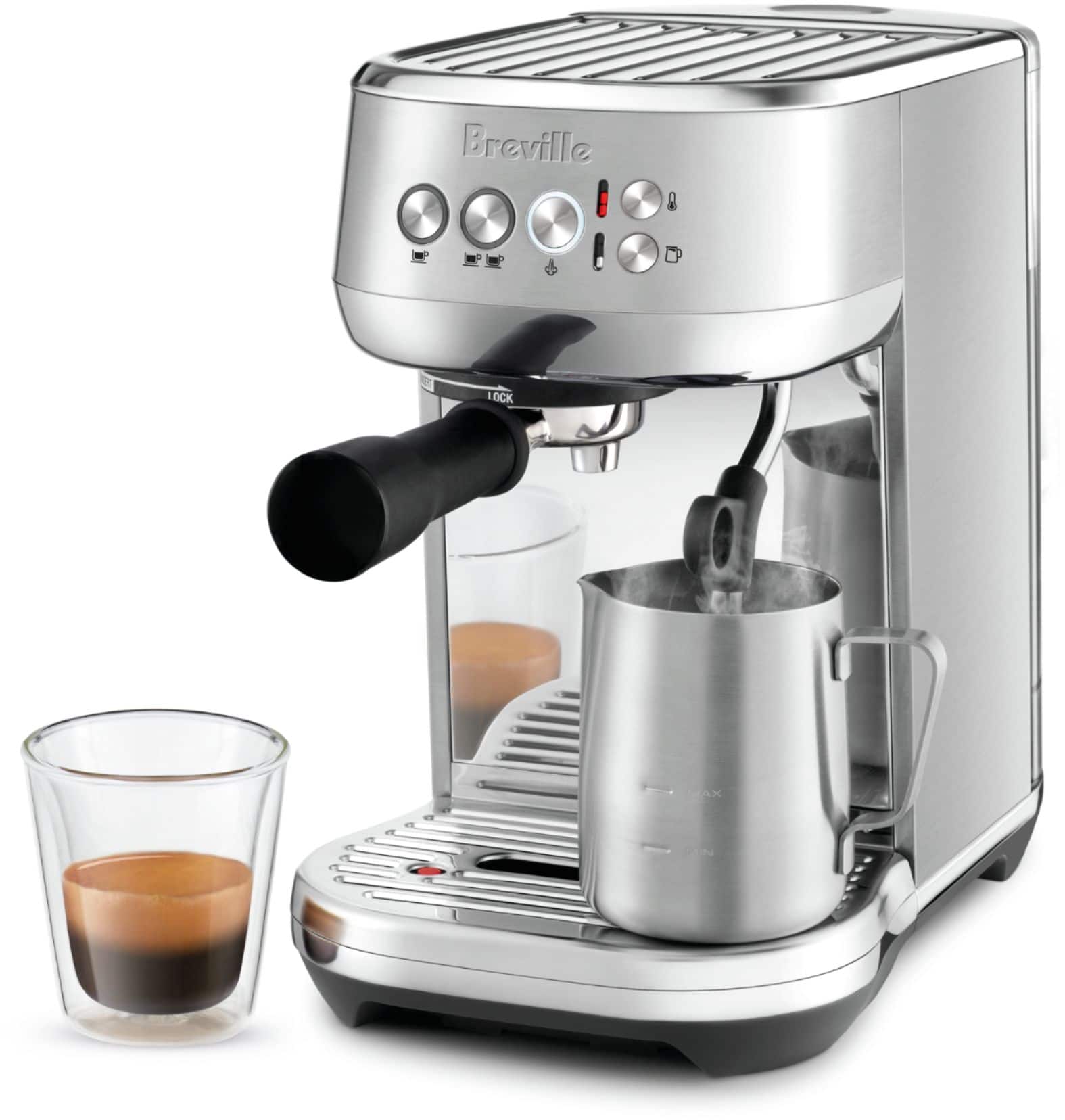
    Breville Bambino Plus

    The Breville Bambino Plus is a compact powerhouse designed for coffee enthusiasts who want barista-quality espresso at home without the hassle. Its standout feature is its rapid 3-second heat-up time, thanks to the ThermoJet heating system, making it perfect for those busy mornings. The automatic steam wand produces velvety microfoam, ideal for creating latte art and enhancing milk-based drinks like cappuccinos and lattes.

    With user-friendly controls and a sleek, modern design, the Bambino Plus is easy to use and fits seamlessly into most kitchens. However, it doesn’t come with a built-in grinder, so pairing it with a quality burr grinder is essential for the best results. The durable build and consistent performance make it a favorite among coffee lovers looking for a balance between convenience and quality.

    Pros:

    • Lightning-fast heat-up time.
    • Automatic steam wand for consistent milk frothing.
    • Compact and stylish design.

    Cons:

    • No built-in grinder.
    • Limited advanced customization for expert users.

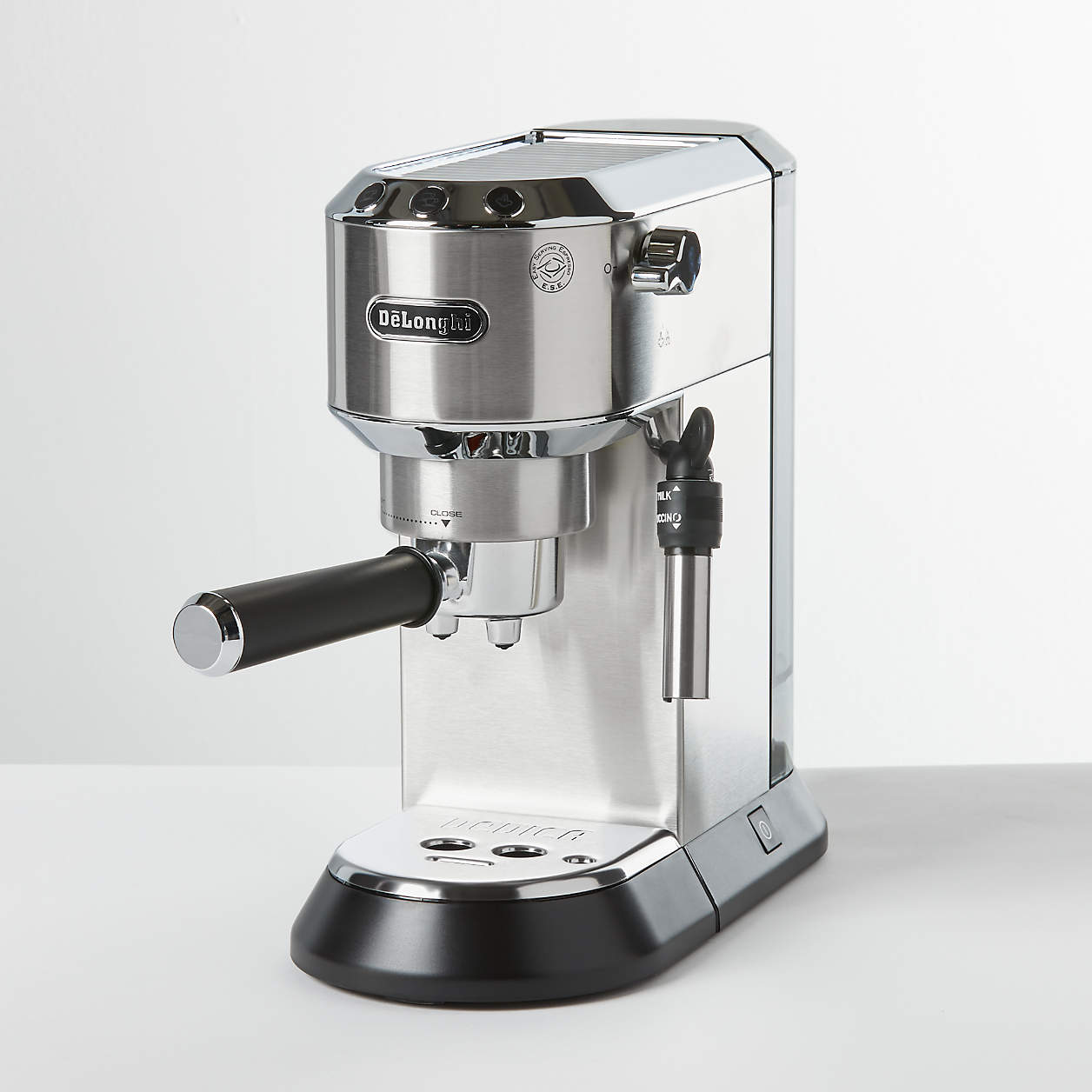
    De’Longhi Dedica Deluxe

    The De’Longhi Dedica Deluxe is a top choice for coffee enthusiasts seeking a compact yet versatile espresso machine. With its slim profile, measuring just 6 inches wide, this machine is perfect for kitchens with limited counter space. The Dedica Deluxe boasts three temperature settings and precise volumetric controls, allowing users to customize their espresso strength to their liking.

    Its adjustable steam wand is ideal for creating creamy, frothy milk for cappuccinos and lattes, making it beginner-friendly for those new to milk frothing. While its smaller water tank may require more frequent refills, this is a minor trade-off for its sleek design and consistent brewing performance.

    Pros:

    • Space-saving design
    • Customizable temperature and espresso strength
    • Easy-to-use steam wand for milk frothing

    Cons:

    • Small water tank capacity
    • Limited to single and double shots

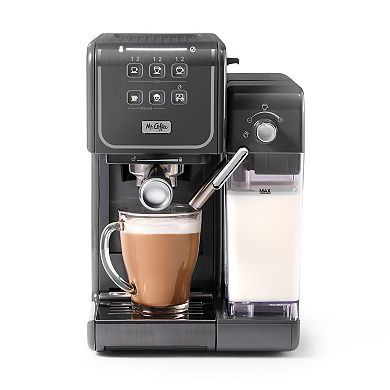
    Mr. Coffee One-Touch CoffeeHouse+

    The Mr. Coffee One-Touch CoffeeHouse+ is an excellent choice for coffee lovers who value simplicity and convenience. Designed with an intuitive one-touch interface, it’s ideal for beginners or those who prefer a hassle-free brewing process. With a 19-bar pump, it delivers rich, flavorful espresso topped with professional-quality crema. The automatic milk frother ensures perfectly frothed milk for lattes and cappuccinos, while its compact design fits well on most kitchen countertops.

    Pros:

    • Beginner-friendly, with simple controls and automated features.
    • Affordable price point compared to other machines with similar capabilities.
    • Consistent performance for a variety of drinks.

    Cons:

    • Limited customization options compared to higher-end machines.
    • Plastic tamper and portafilter may feel less durable

    Nespresso Vertuo Next

    If you’re looking for an espresso machine that delivers café-quality drinks with minimal effort, the Nespresso Vertuo Next is a solid contender. Designed with convenience in mind, this sleek and compact machine is part of the coffee pod family and is perfect for anyone who values great coffee without the steep learning curve of a manual espresso maker.

    Pros:

    • Easy to Use: One-touch brewing with automatic capsule recognition.
    • Versatile: Brews both espresso and coffee
    • Compact Design: Sleek, space-saving, and stylish in white.
    • Eco-Friendly: Made with 54% recycled materials; capsule recycling program available.

    Cons:

    • Ongoing Costs: Capsules can be pricey for frequent coffee drinkers.
    • Capsule Only: Requires Nespresso Vertuo capsules—no fresh grounds.
    • Limited Control: No options to adjust brew strength or temperature.
    • No Frother: A frother must be purchased for additional cost.

    Click Here to Read: Storing Coffee Beans: The Best Coffee Storage Containers


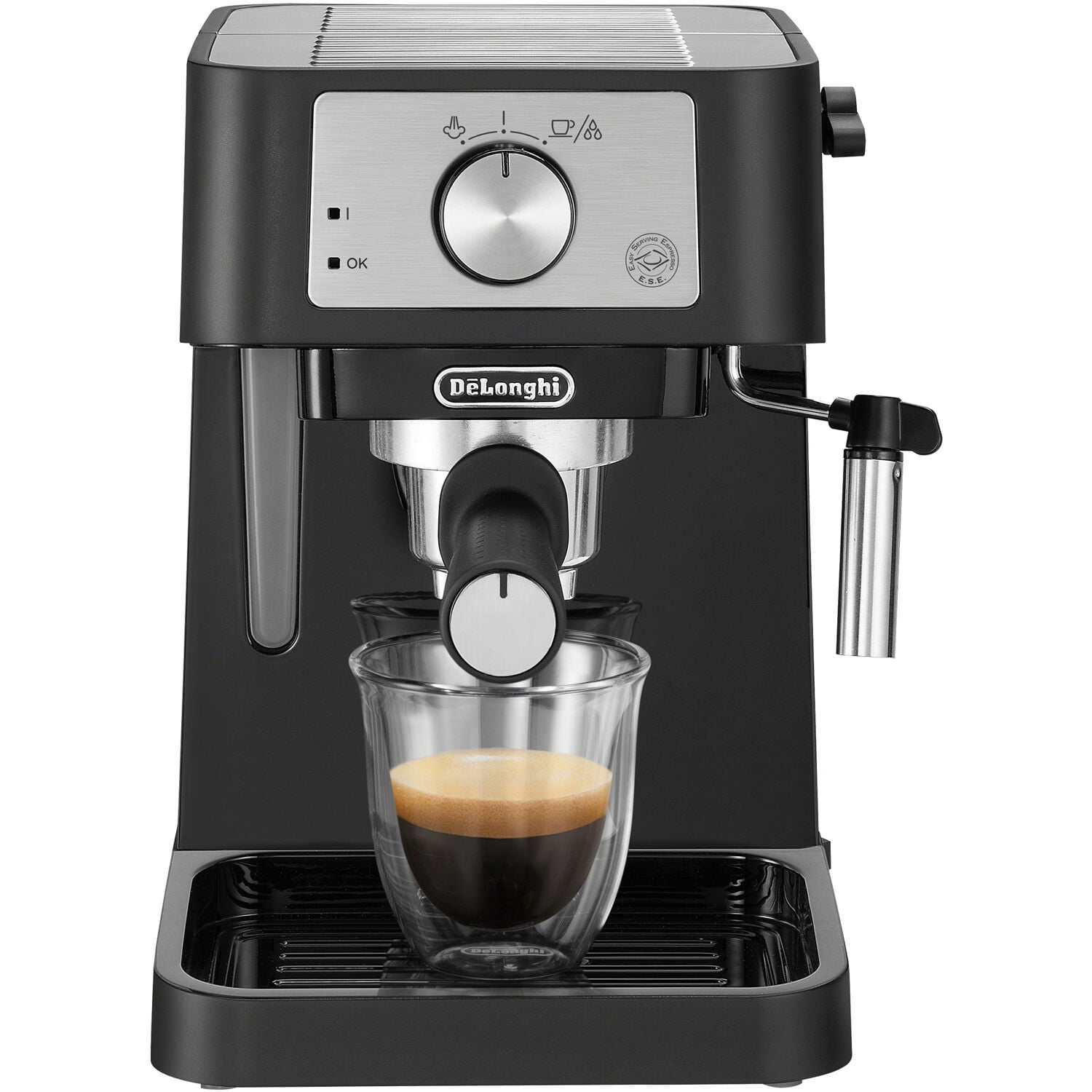
    De’Longhi Stilosa

    The De’Longhi Stilosa is an excellent entry-level espresso machine, perfect for those new to home brewing. It delivers a robust and aromatic espresso comparable to more expensive models, making it a great value for its price. The Stilosa features a stainless steel milk frother, allowing users to create creamy lattes and cappuccinos with ease. Its compact design ensures it fits comfortably in small kitchens, while the straightforward interface makes it accessible for beginners.

    Pros:

    • Affordable and beginner-friendly
    • Compact and space-saving design
    • Produces quality espresso and froths milk effectively

    Cons:

    • Limited advanced features
    • Requires manual effort for tamping and frothing

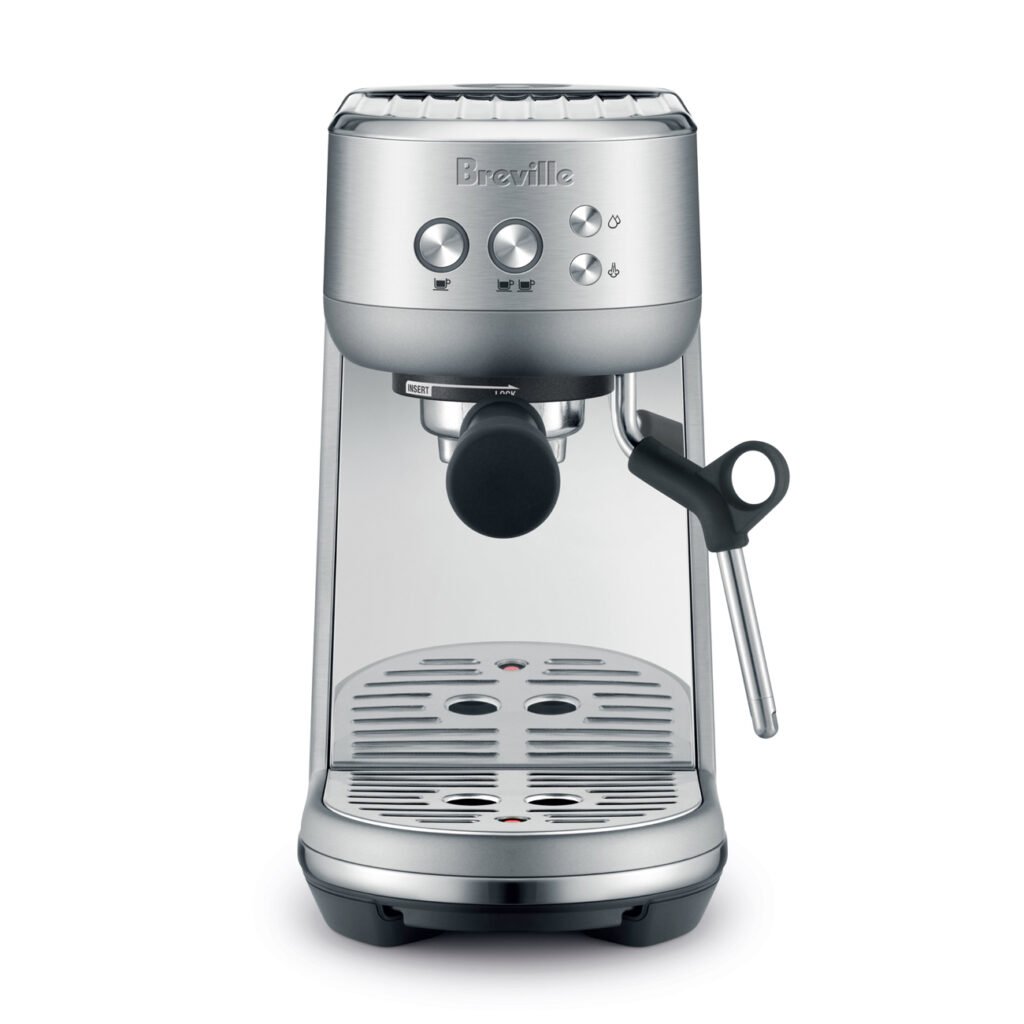
    The Breville Bambino is a compact, beginner-friendly espresso machine designed for those who value simplicity without sacrificing quality. With its ultra-fast heat-up time of just 3 seconds, this machine is perfect for busy mornings or impromptu coffee cravings. The Bambino produces consistent, café-quality espresso thanks to its precise PID temperature control and pre-infusion technology, which evenly saturates coffee grounds for optimal extraction.

    While it lacks a built-in grinder, the Bambino pairs well with a quality burr grinder, giving users full control over their grind size. Its manual steam wand enables you to create silky microfoam for latte art, though it might take some practice for beginners to master.

    Pros:

    • Compact size ideal for small spaces.
    • Ultra-fast heat-up time.
    • Consistent espresso quality with precise temperature control.
    • Durable stainless steel design.

    Cons:

    • No built-in grinder (requires additional purchase).
    • Manual steaming may have a learning curve for some users.

    Keep in Mind

    When selecting the right espresso machine, consider your specific needs:

    • Space Constraints: The De’Longhi Dedica Deluxe’s slim design is ideal for small kitchens.
    • Automation vs. Control: If you prefer automated features, the Mr. Coffee One-Touch CoffeeHouse+ offers convenience, while the De’Longhi Stilosa provides more hands-on control.
    • Additional Equipment: Machines like the Breville Bambino Plus and Bambino lack built-in grinders, so you’ll need to invest in a quality grinder for optimal results.

    It is possible to find good espresso machines under $500. Let us know if you add any of these espresso machines to your home coffee bar, and tag us on Instagram @the.coffee.collect to share with the coffee community!

    -the coffee collect.

  • Coffee Brewing Ratios Explained: Get It Right Every Time

    Coffee Brewing Ratios Explained: Get It Right Every Time

    Coffee Brewing Ratios Explained: Get It Right Every Time

    When it comes to achieving the ability to brew the perfect cup of coffee, one critical factor demands attention: the coffee-to-water ratio. This simple yet powerful concept can elevate your brewing game, ensuring a consistent and flavorful cup of coffee. Understanding brewing ratios is essential to becoming a coffee expert. Let’s dive into the details…

    What Is a Coffee Brewing Ratio?

    A brewing ratio is the proportion of coffee to water used during brewing. It’s often expressed as a weight-based ratio (e.g., 1:15 or 1:16). The first number represents the amount of coffee, while the second denotes the amount of water. For example, a 1:16 ratio means 1 gram of coffee for every 16 grams (or milliliters) of water.

    Why Does the Ratio Matter?

    The brewing ratio significantly impacts the coffee’s strength, flavor balance, and overall quality. Too much coffee relative to water can result in an overly strong and bitter brew. Too little coffee, on the other hand, may yield a weak and watery cup. By mastering your ratios, you can achieve consistency across brewing sessions, control the strength of your brew, and highlight subtle flavor notes.

    “Adventure in life is good; consistency in coffee even better.” – Justina Chen

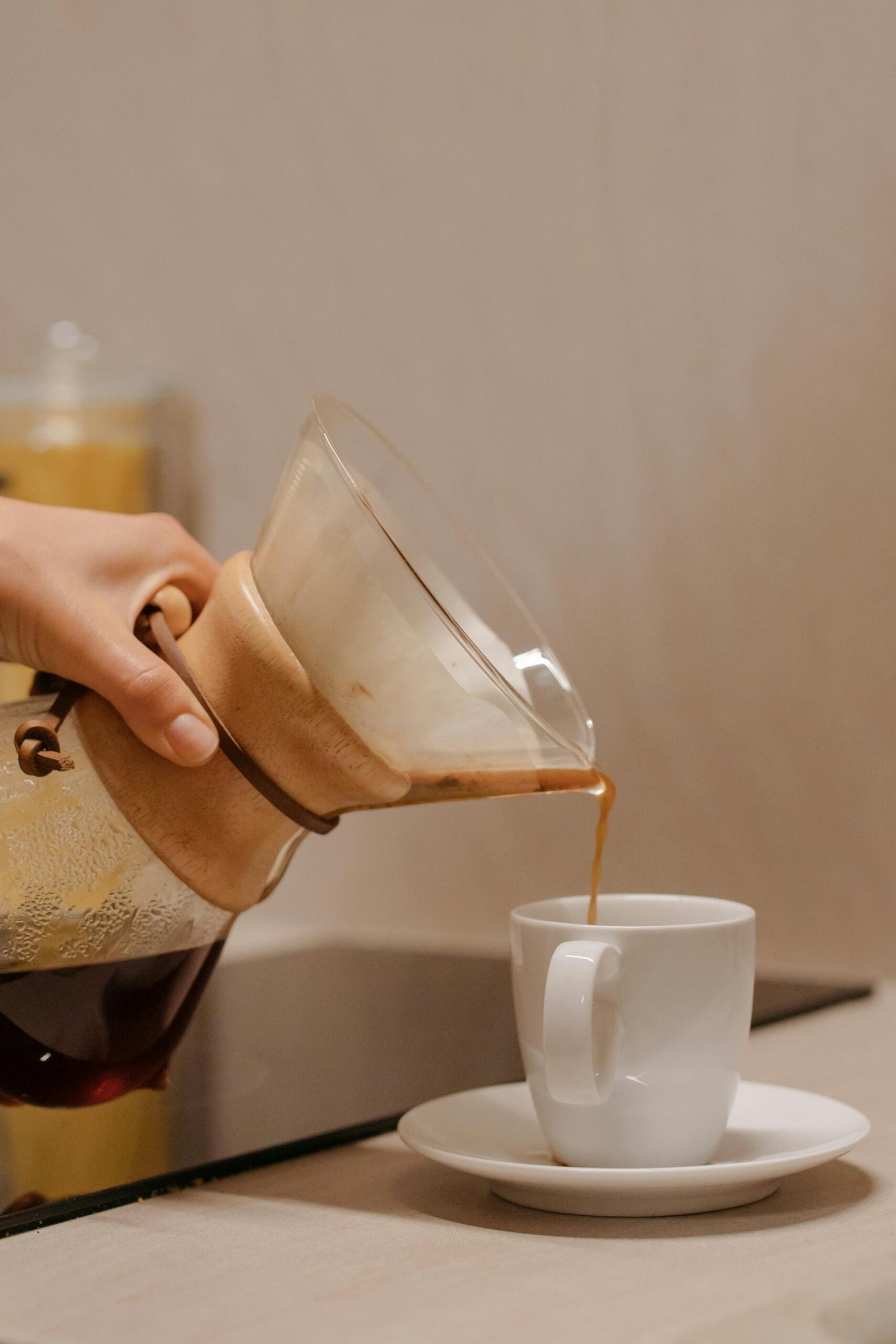
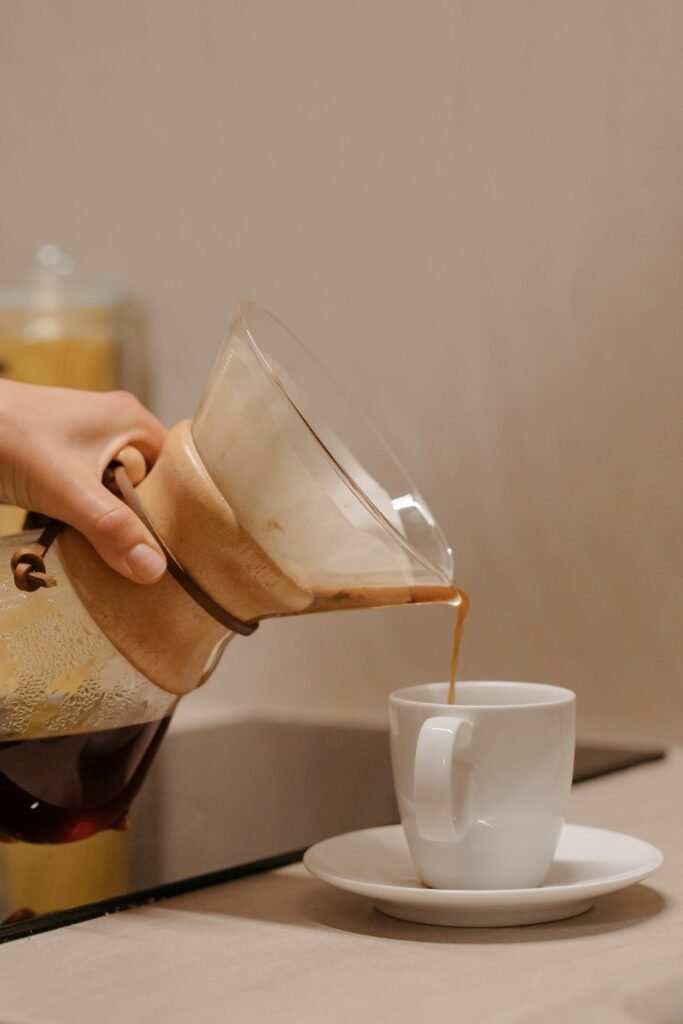
    Close-up of handcrafted coffee being poured into a white ceramic cup indoors.

    Tools You’ll Need

    To achieve accurate brewing ratios, precision is key. Here’s a list of tools that can help:

    1. Digital Coffee Scale: A reliable scale with a precision of 0.1 grams is indispensable for weighing coffee and water accurately.
    2. Burr Grinder: Consistent grind size is essential for the uniform extraction that we desire. Try to stay away from inconsistent blade grinders and invest in a quality manual or electric burr grinder for the best results.
    3. Brewing Device: Whether you use a pour-over dripper, a French press, or an AeroPress, choose a device suited to your preferred brewing style. There is no “right” brewing style, but your style will be the basis for what type of ratio you start with.
    4. Gooseneck Kettle: For pour-over brewing methods, a gooseneck kettle provides better control over water flow.
    5. Timer: Precise timing ensures that your brew doesn’t under- or over-extract.

    Common Coffee Brewing Ratios

    Here are some popular brewing ratios based on brewing methods to get you started. If you aren’t satisfied with your results, have some fun and try experimenting with a slightly different ratio.

    Pour-Over (e.g., V60, Chemex): 1:15 to 1:17

    French Press: 1:12 to 1:15

    Espresso: 1:2 to 1:2.5

    AeroPress: Varies, but typically 1:15 to 1:17

    Cold Brew: 1:4 to 1:8 (concentrate)

    How to Calculate Brewing Ratios

    Here’s a step-by-step guide to calculating your brewing ratio:

    1. Decide on Your Ratio: For a standard pour-over, let’s use a 1:16 ratio.
    2. Determine Your Coffee Weight: Let’s say you’re using 20 grams of coffee.
    3. Calculate Water Weight: Multiply the coffee weight by the ratio. In this case, 20 grams × 16 = 320 grams of water.
    4. Brew Accordingly: Use your tools to measure and brew with precision.

    Tips for Perfecting Your Brew

    1. Experiment and Adjust: Ratios are starting points, not absolutes. That is why we find the world of coffee so exciting because it is both an art and science. Get creative and experiment within a range to find what suits your taste preferences.
    2. Use Fresh, Quality Beans: No matter how perfected your brewing techniques are, they still can’t salvage stale or subpar beans. Invest in freshly roasted, high-quality coffee.
    3. Pay Attention to Grind Size: Different brewing methods require specific grind sizes. Check out our Grind Size Guide and adjust your grinder settings to match your brew method.
    4. Monitor Extraction: Taste your coffee as you go. If it’s too strong or bitter, try a coarser grind or slightly less coffee next time. If it’s weak or sour, try a finer grind or more coffee.

    -the coffee collect