Category: the how-to

brewing, equipment, buying guides, & product reviews

  • The Best Coffee Makers of 2025

    The Best Coffee Makers of 2025

    The Best Coffee Makers of 2025

    More people than ever are switching to home brewing, and for good reason. Brewing coffee at home saves money, allows for greater control over flavor and quality, and brings the joy of crafting the perfect cup right into your kitchen. Whether you’re looking to cut down on café visits or simply want to explore the art of coffee, having the right equipment makes all the difference.

    With so many coffee makers on the market, choosing the best one for your needs can be overwhelming. That’s why we’ve done the research for you. In this guide, we’ve handpicked the best coffee makers available on Amazon in 2025. Whether you’re a casual coffee drinker or an at-home barista, there’s a perfect machine to suit your style and budget. From the gentle hum of an espresso machine to the mesmerizing bloom of a pour-over, each step brings anticipation and aroma into your home.


    1. Best Espresso Machine: Breville Barista Express

    If you love café-quality espresso and want full control over your brew, the Breville Barista Express is a top contender. This all-in-one espresso machine comes with an integrated conical burr grinder, ensuring your beans are freshly ground for each shot. With precise temperature control and a steam wand for microfoam milk texturing, this machine allows you to craft lattes and cappuccinos like a pro.

    Why We Love It:
    ✔ Built-in grinder for the freshest coffee
    ✔ Manual and automatic brewing options
    ✔ Professional-quality steam wand for silky microfoam
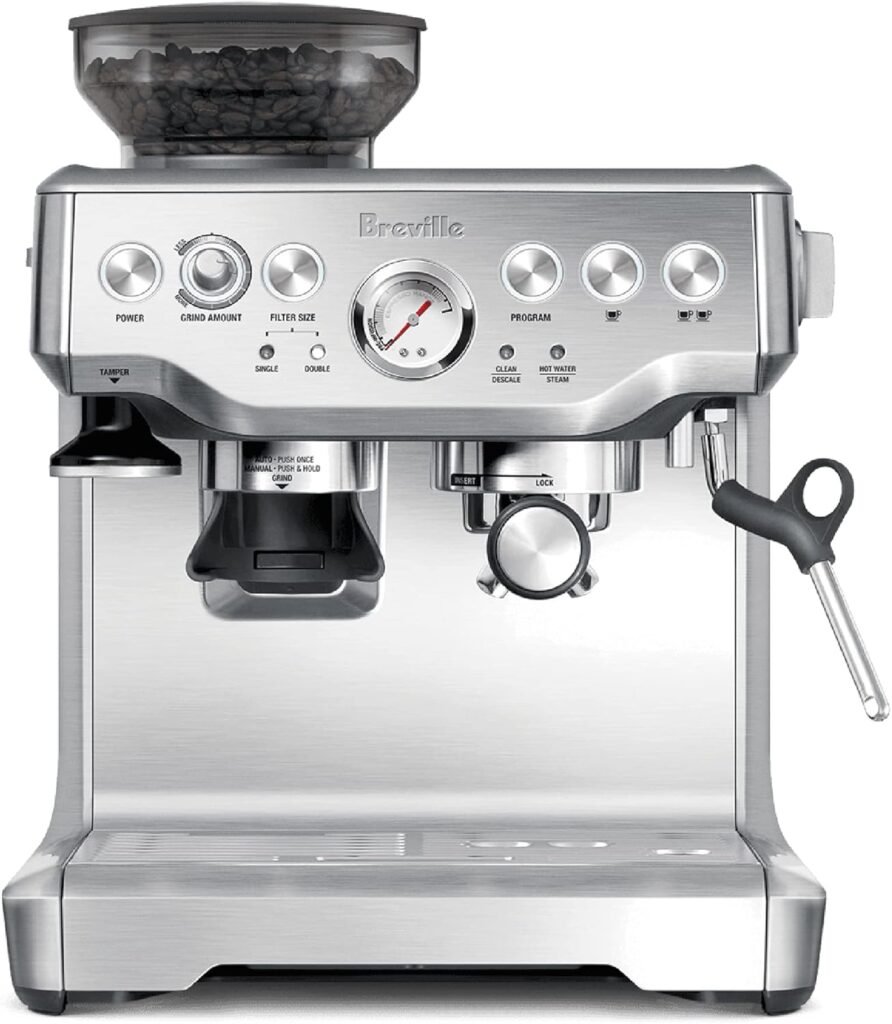
    breville barista express espresso machine

    2. Best Single-Serve Coffee Maker: Nespresso Vertuo Pop+

    For those who love convenience without sacrificing taste, the Nespresso Vertuo Pop+ is a stylish and compact machine that delivers both coffee and espresso at the push of a button. Using Nespresso’s Centrifusion technology, it spins the coffee capsule to extract maximum flavor and crema. Plus, with a variety of pod flavors available, you’ll never get bored.

    Why We Love It:
    ✔ One-touch brewing for espresso or coffee
    ✔ Compact and sleek design
    ✔ Rich crema and consistent flavor
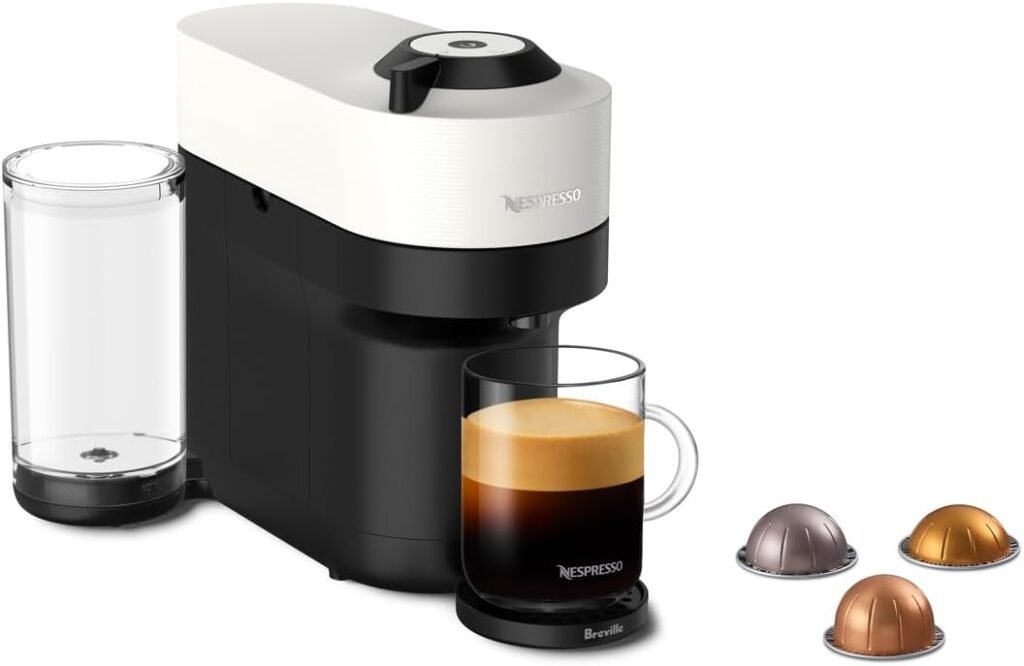
    nespresso vertuo pop

    3. Best High-Tech Coffee Maker: Fellow Aiden Precision Brewer

    If you’re into precision brewing and sleek aesthetics, the Fellow Aiden Precision Brewer is a game-changer. This machine offers built-in brewing guidance, a removable water tank, and smart scheduling via a companion app. It’s designed for coffee enthusiasts who appreciate control over their brew, ensuring perfect extraction every time.

    Why We Love It:
    ✔ Smart technology with app connectivity
    ✔ Customizable brewing options
    ✔ Elegant, minimalist design

    fellow aiden precision brewer

    Click here to Read: The Best Coffee Storage Containers


    4. Best Budget-Friendly Coffee Maker: SHARDOR Single Serve 2.0

    Looking for a versatile, budget-friendly option? The SHARDOR Single Serve 2.0 lets you brew both hot and iced coffee using either ground coffee or K-Cups. It has a bold brew setting, a 50-ounce removable water tank, and accommodates a variety of cup sizes, making it perfect for any household.

    Why We Love It:
    ✔ Compatible with both ground coffee and K-Cups
    ✔ Adjustable brew size (6-14 oz)
    ✔ Affordable without compromising on quality
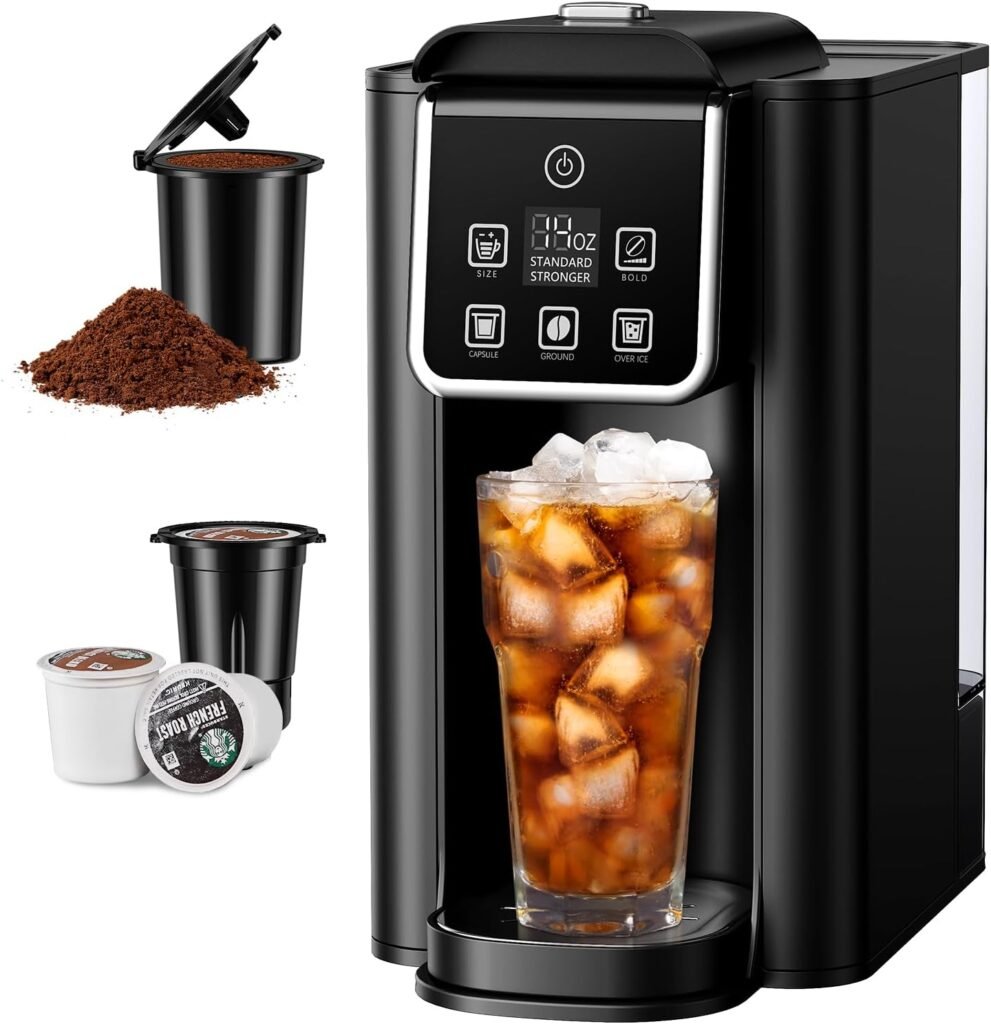
    shardor single serve 2.0

    5. Best Drip Coffee Maker with Grinder: COWSAR 10-Cup Coffee Maker

    If you prefer the convenience of a drip coffee maker but love the taste of freshly ground beans, the COWSAR 10-Cup Coffee Maker is a fantastic option. It features a built-in grinder with adjustable settings, a programmable timer, and a keep-warm plate to ensure your coffee stays hot.

    Why We Love It:
    ✔ Freshly ground coffee at the push of a button
    ✔ Programmable for automatic brewing
    ✔ Large 50.7-ounce water reservoir
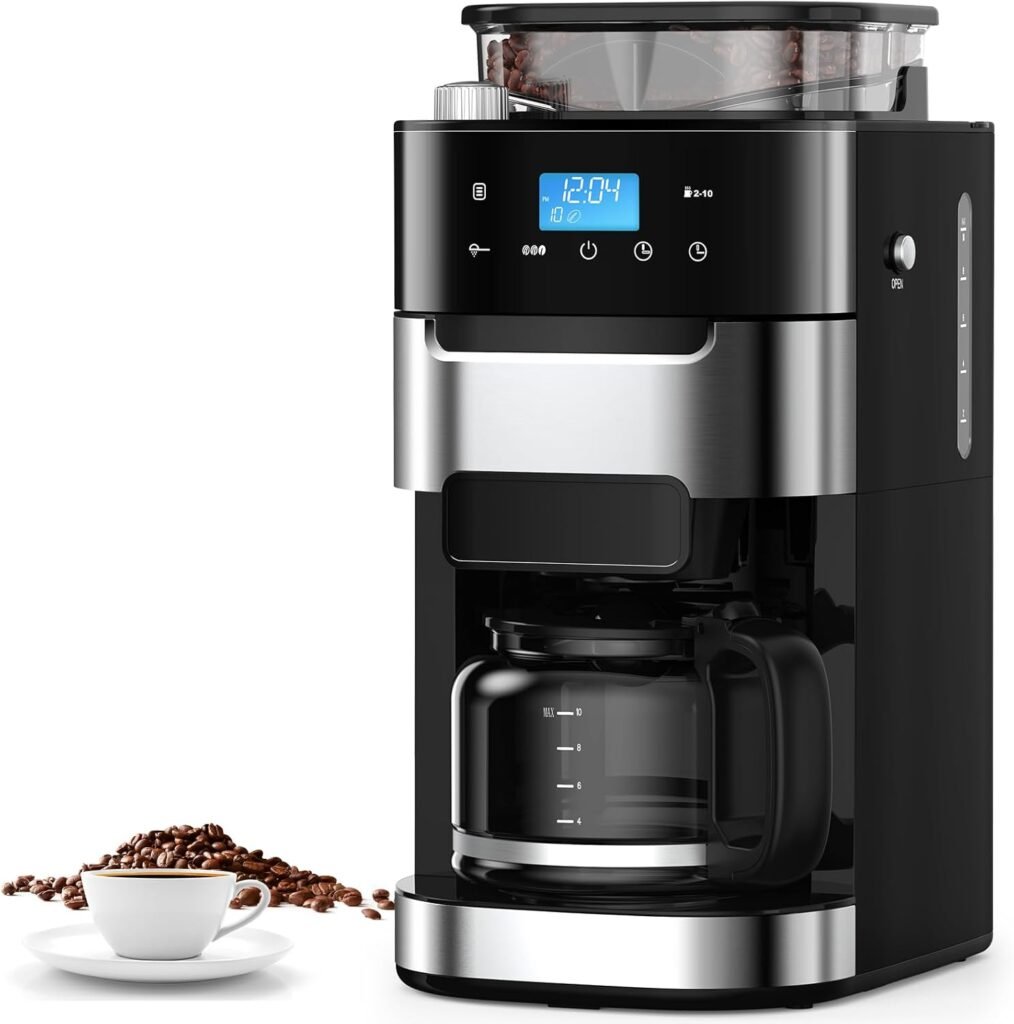
    cowsar 10-cup coffee maker

    No matter your coffee preference, investing in the right coffee maker can transform your morning routine. Whether you want the artistry of an espresso machine, the ease of a pod system, or the precision of a smart brewer, there’s an option here for every coffee lover.

    What’s your go-to coffee maker? Let us know!

    -the coffee collect.
  • Coffee Brewing Equipment Defined (With Pictures)

    Coffee Brewing Equipment Defined (With Pictures)

    Coffee Brewing Equipment Defined (With Pictures)

    Understanding coffee brewing equipment is essential for crafting the perfect cup. Each brewing method has unique tools that impact flavor, aroma, and extraction. Sometimes it can be hard to keep track of all the coffee equipment out there, but in this guide, we’ll break down essential coffee brewing equipment, defining each piece with pictures to help you choose the right gear for your brewing style.


    1. Coffee Grinders

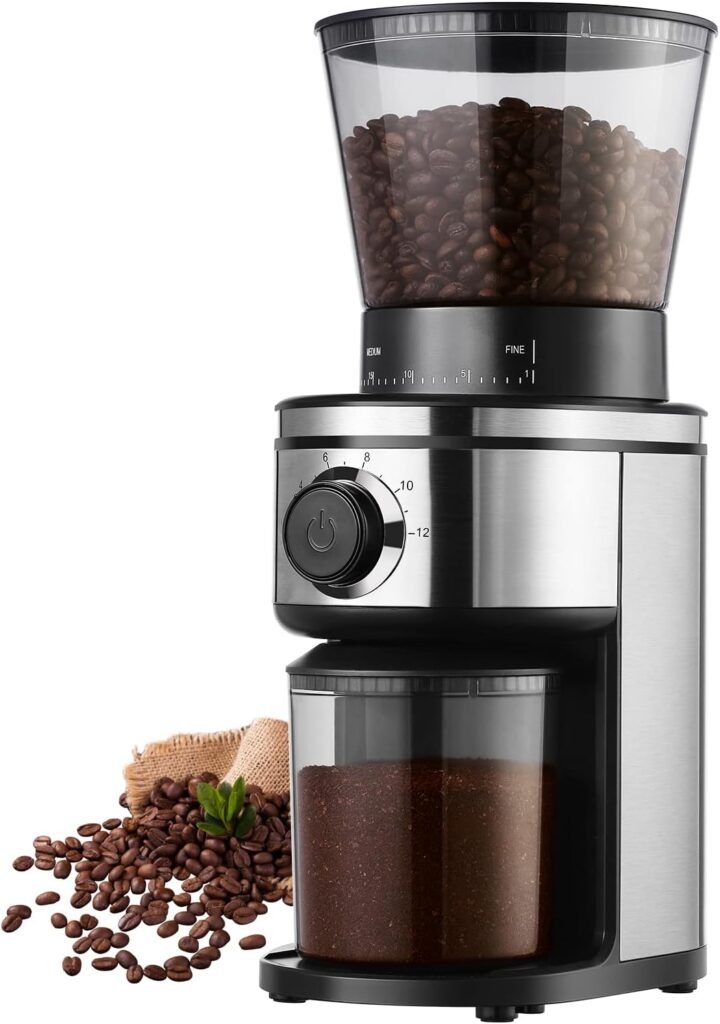
    A high-quality coffee grinder is crucial for achieving consistent grind size, which affects extraction and flavor. There are two main types:

    Burr Grinder

    • Recommended for precision and consistency.
    • Uses two revolving burrs to grind coffee beans evenly.
    • Offers adjustable grind settings for different brewing methods.

    Upgrade your coffee game with a top-rated burr grinder HERE

    Coffee burr grinder

    Blade Grinder

    • More affordable but less precise.
    • Uses rotating blades to chop coffee beans.
    • Inconsistent grind size can affect flavor.

    Find an affordable blade grinder HERE

    Blade Grinder for coffee

    2. Coffee Makers & Brewers

    There are various brewing methods, each requiring specific equipment to extract coffee effectively.

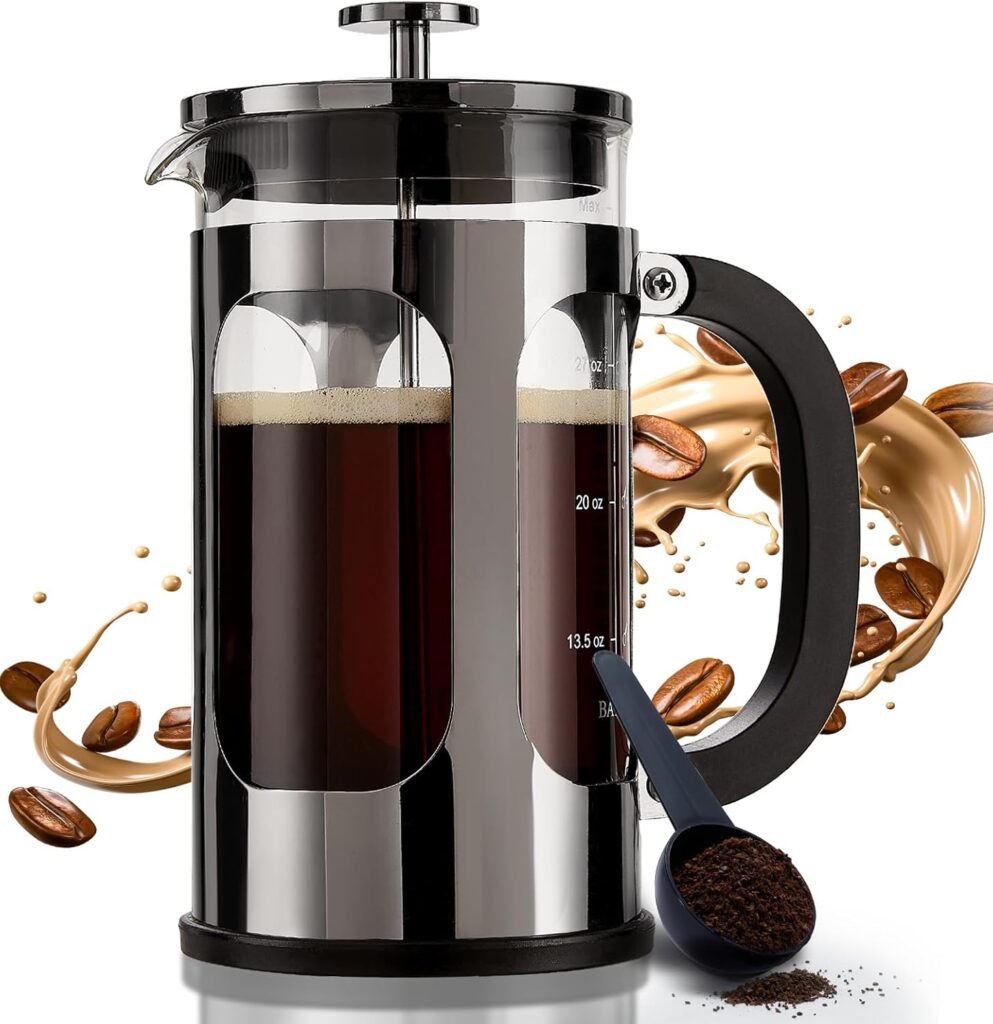
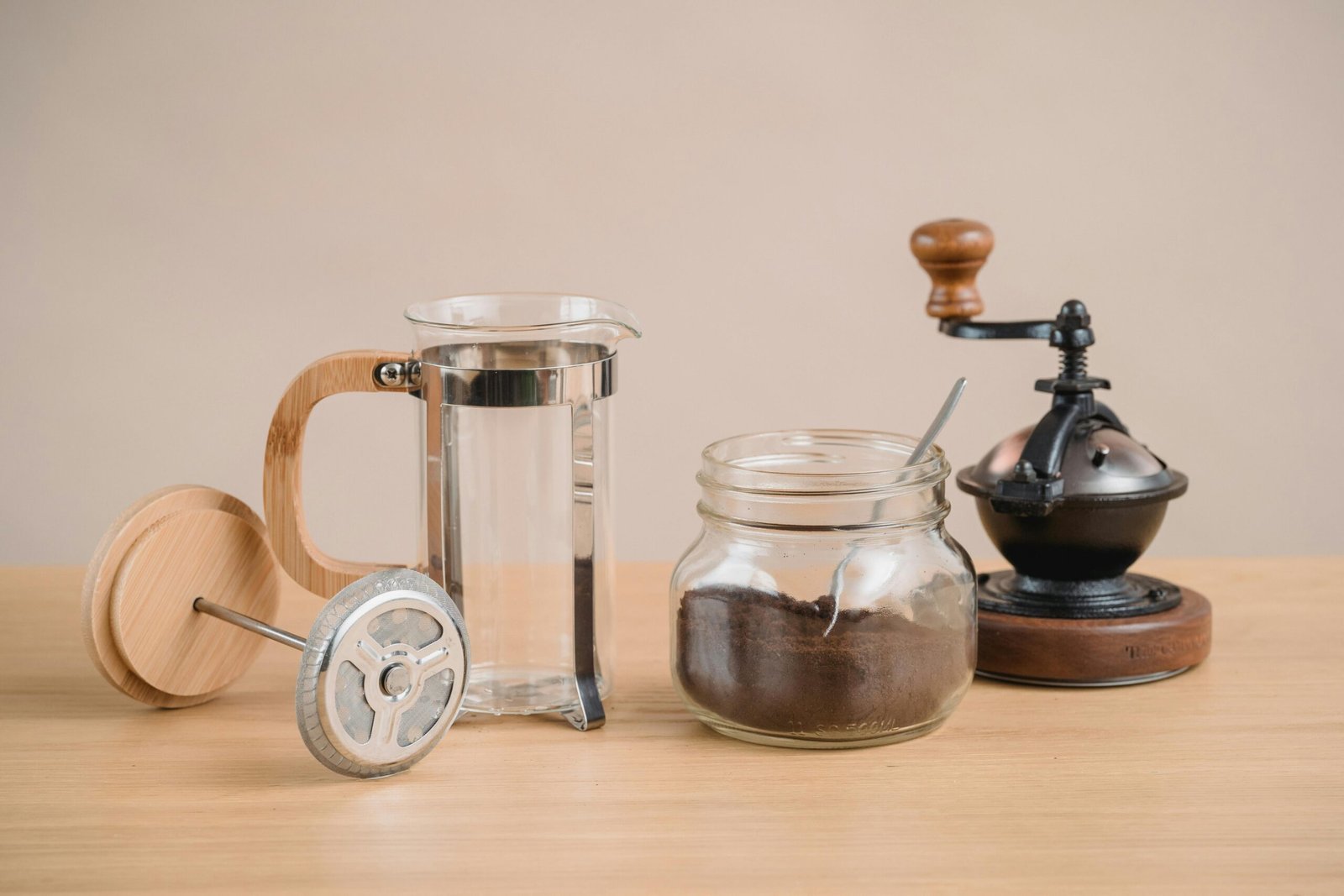
    French Press

    • Uses immersion brewing, where coffee steeps in hot water before being filtered with a plunger.
    • Produces a full-bodied, rich flavor.

    Start your day with a high-quality French Press HERE

    French press for coffee

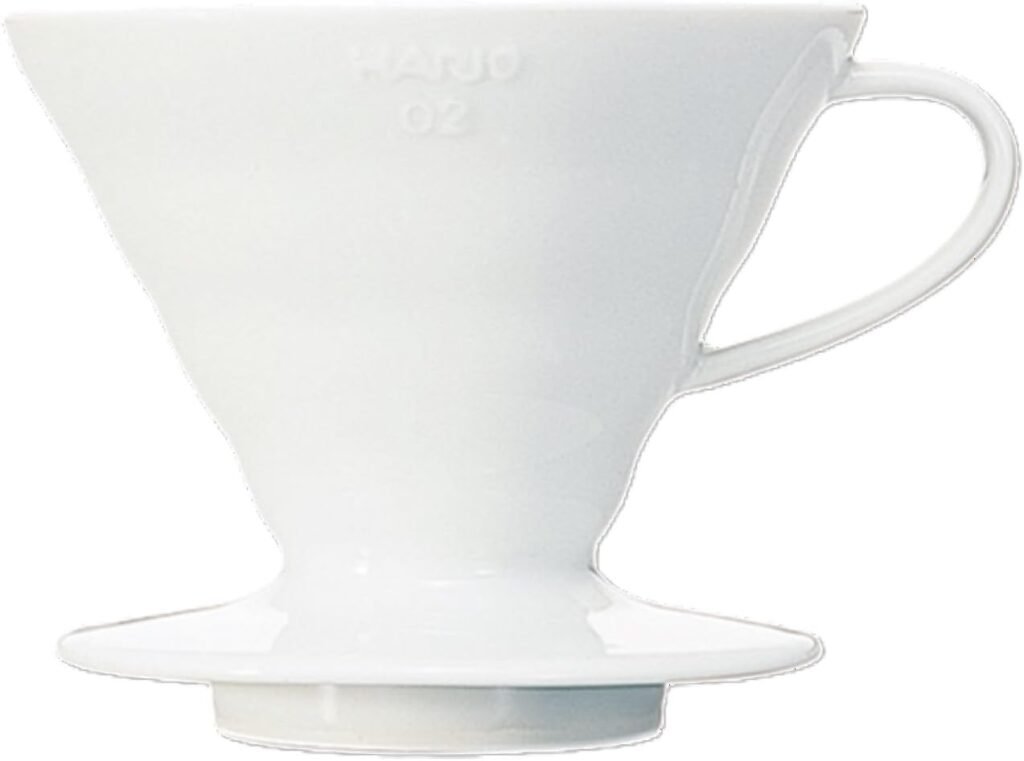
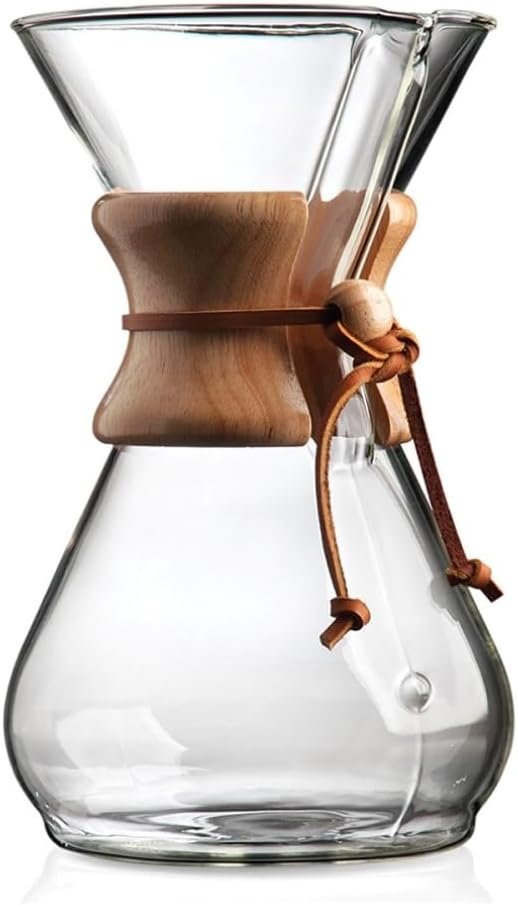
    Pour-Over: Chemex & Hario V60

    • Manual method that involves pouring hot water over coffee grounds in a cone-shaped filter.
    • Enhances clarity and complexity in flavors.

    Hario V60

    Find a V60 HERE

    Hario V60

    Chemex

    Find a Chemex HERE

    Chemex

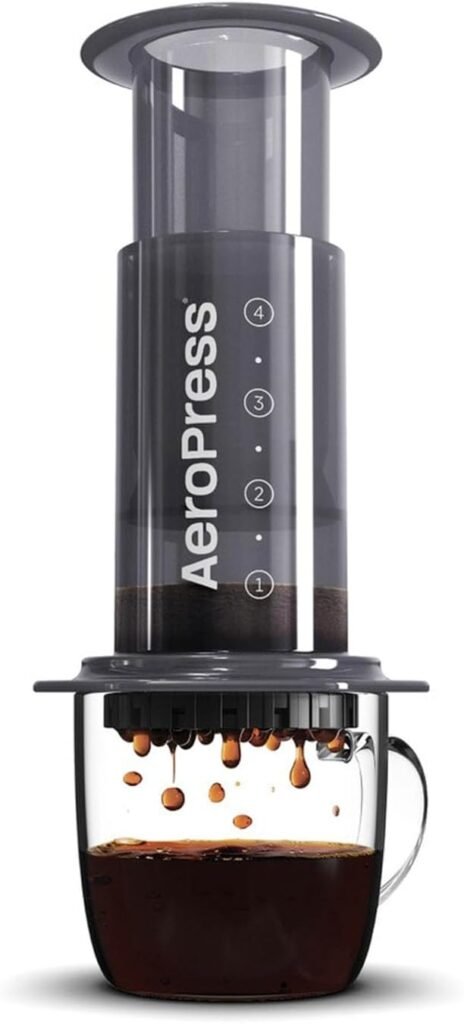
    AeroPress

    • Compact and travel-friendly.
    • Uses pressure to extract coffee quickly, similar to espresso.

    Get an AeroPress for your coffee adventures HERE

    Aeropress

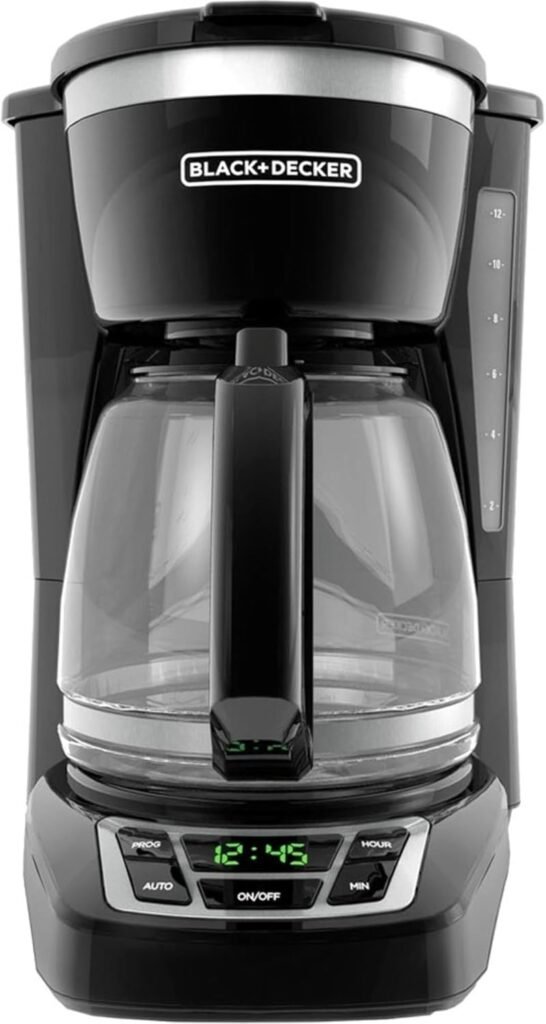
    Drip Coffee Maker

    • Convenient for making multiple cups at once.
    • Automatic coffee machine that brews coffee using a paper or mesh filter.

    A reliable drip coffee maker can be found HERE

    Coffee drip maker

    Espresso Machine

    • Produces concentrated espresso shots with crema.
    • Uses high pressure to force hot water through finely ground coffee.

    Make barista-quality coffee at home with a premium espresso machine HERE

    Espresso machine

    3. Kettles & Water Heating Equipment

    Proper water temperature is key to coffee extraction. Here are the best tools:

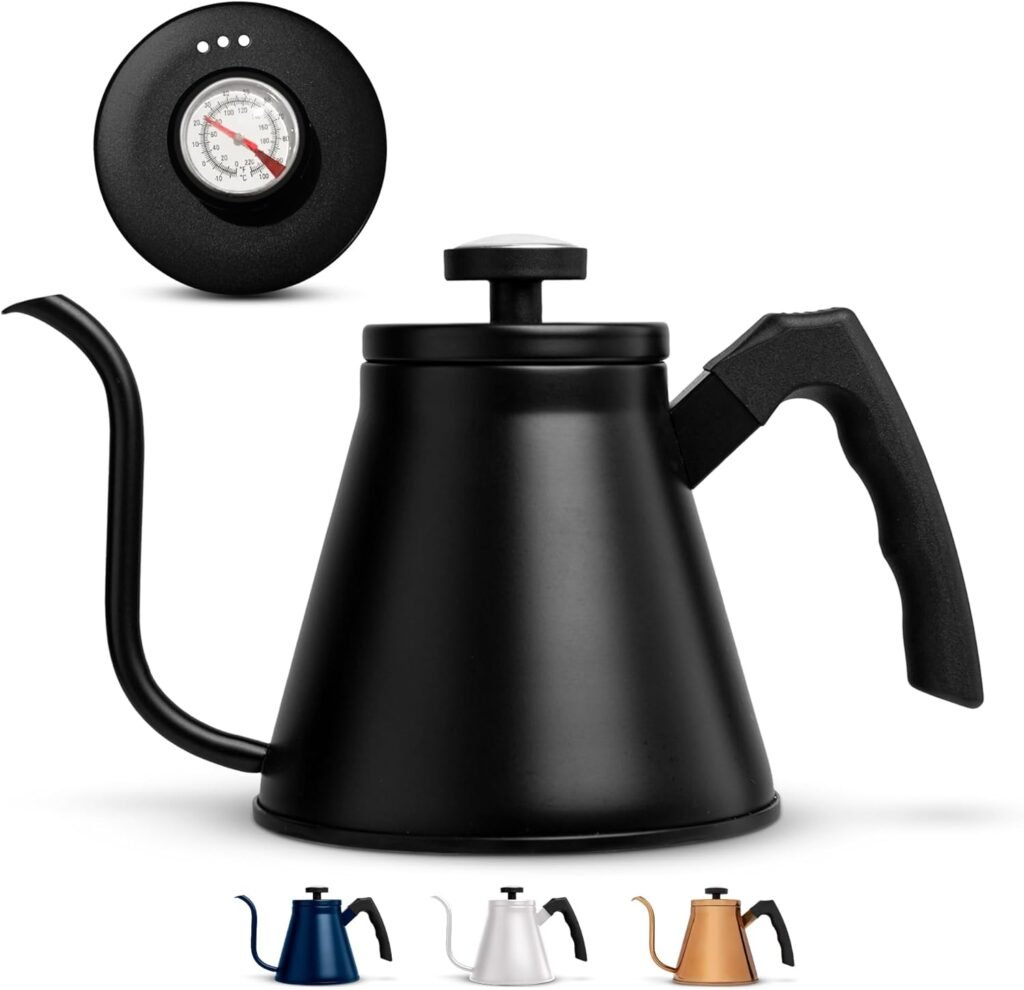
    Gooseneck Kettle

    • Allows precise water flow control.
    • Ideal for pour-over brewing.

    Improve your brewing with a gooseneck kettle HERE

    Gooseneck Kettle

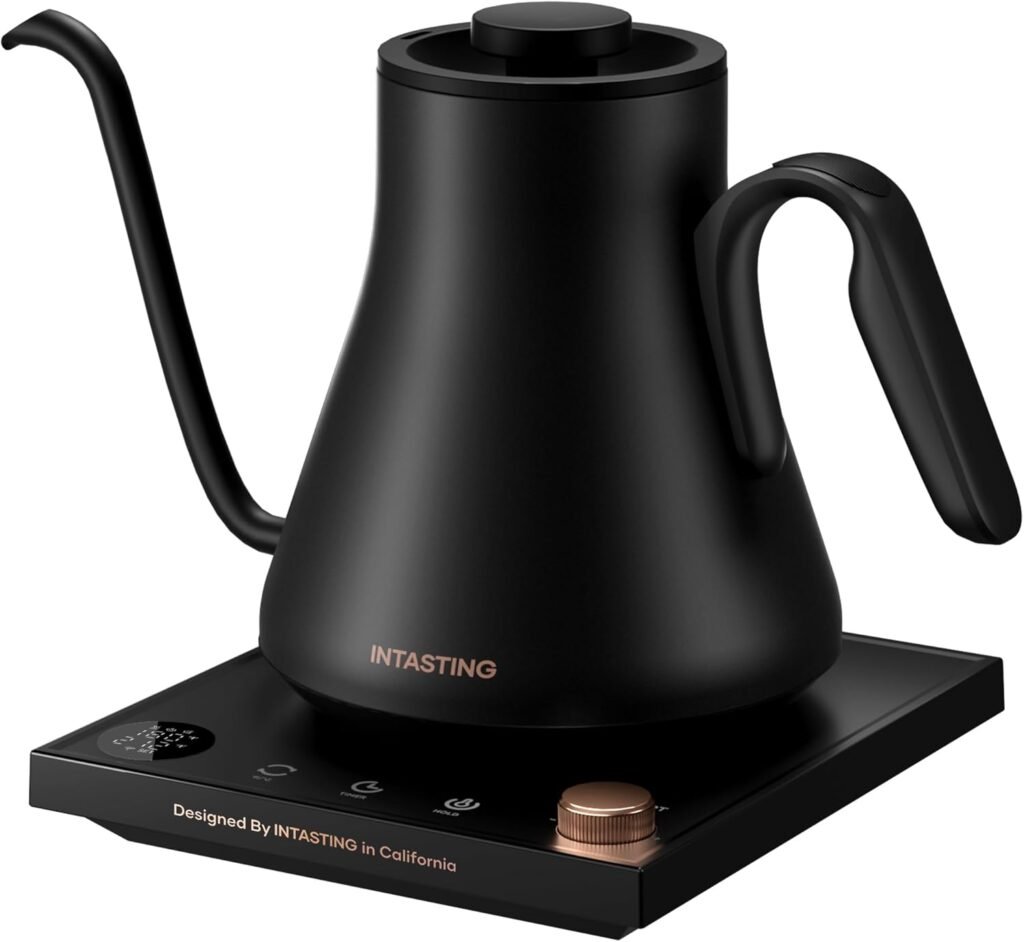
    Electric Kettle with Temperature Control

    • Lets you set the exact temperature for optimal brewing.
    • Useful for different coffee brewing methods.

    Get the best electric kettle with temperature control HERE

    Electric Kettle

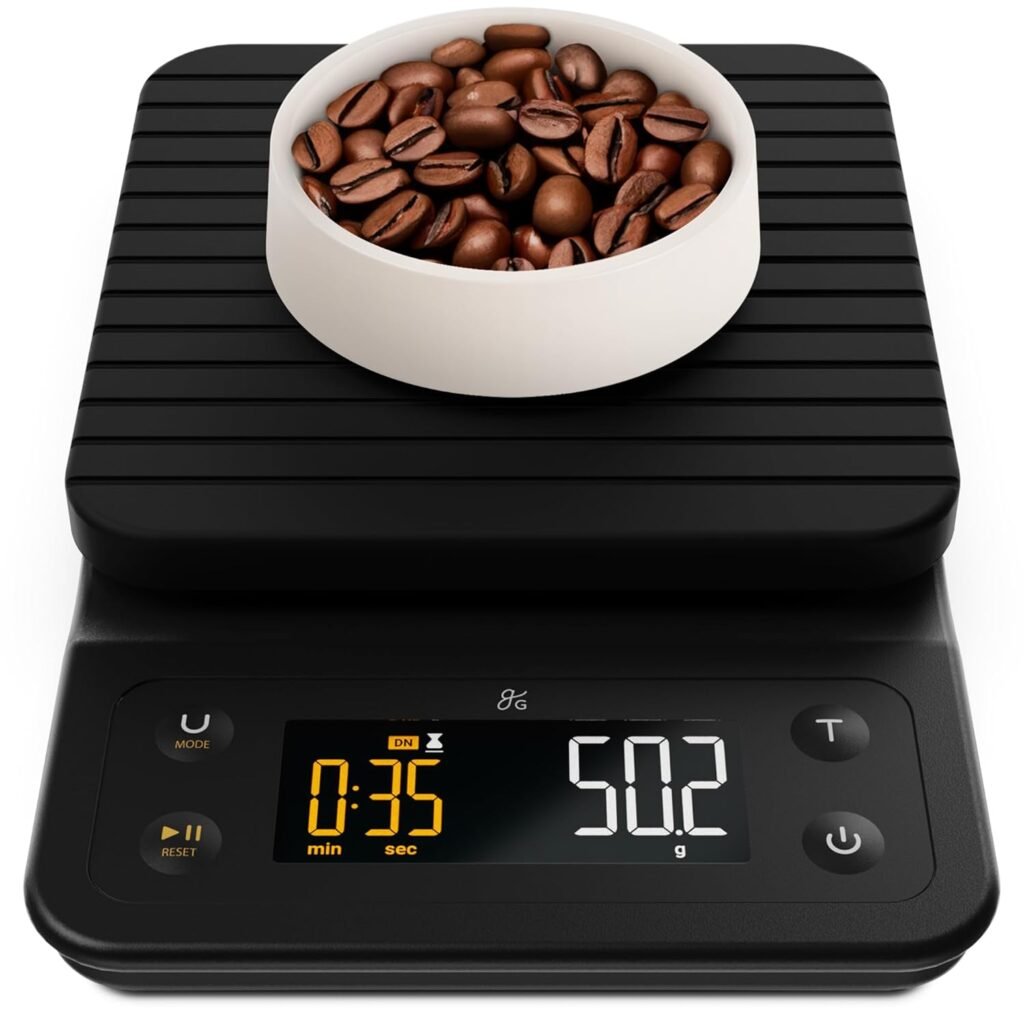
    4. Coffee Scales

    • Essential for consistency and accuracy.
    • Measures coffee and water for precise brewing ratios.

    Get accurate measurements with a top-rated coffee scale HERE

    Coffee scale

    5. Filters

    Filters play a crucial role in coffee brewing by affecting clarity and flavor.

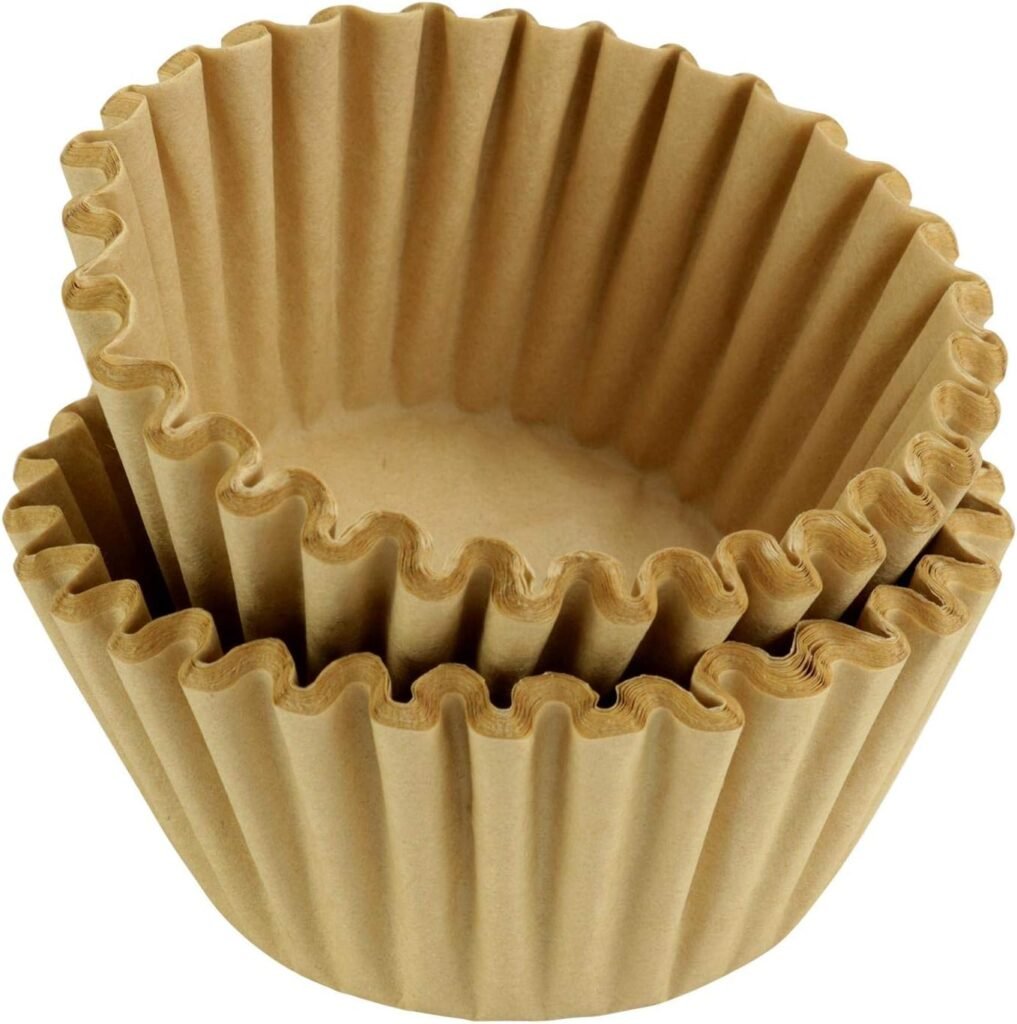
    Paper Filters

    • Remove oils and fine particles, resulting in a clean cup.
    • Used in pour-over and drip machines. (Pour-over filters are more cone shaped than the drip filter pictured)

    Stock up on high-quality paper filters for drip coffee makers HERE

    Paper coffee filters

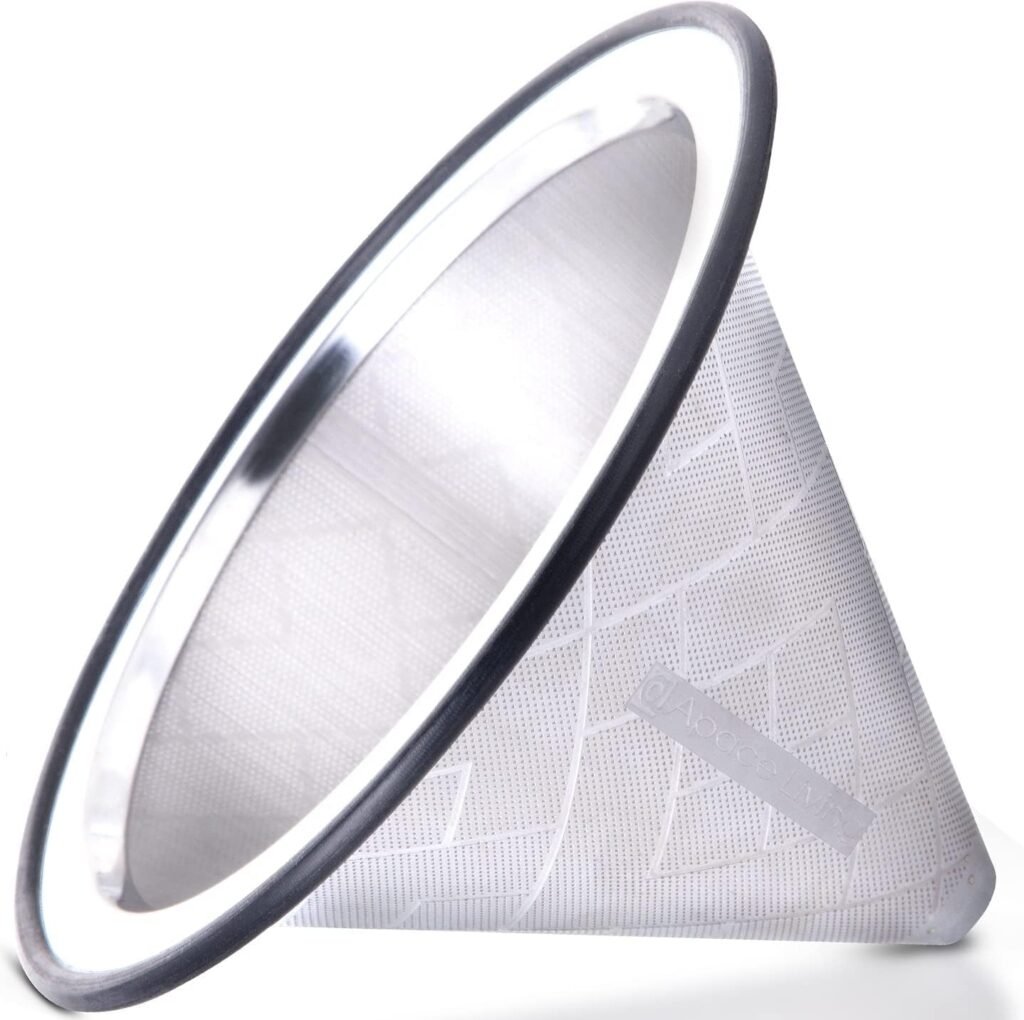
    Metal Filters

    • Common in French press and some pour-over brewers.
    • Allow more oils and micro-grounds, enhancing body and richness.

    Find a durable metal filter for pour-over methods can be found HERE

    metal coffee filters

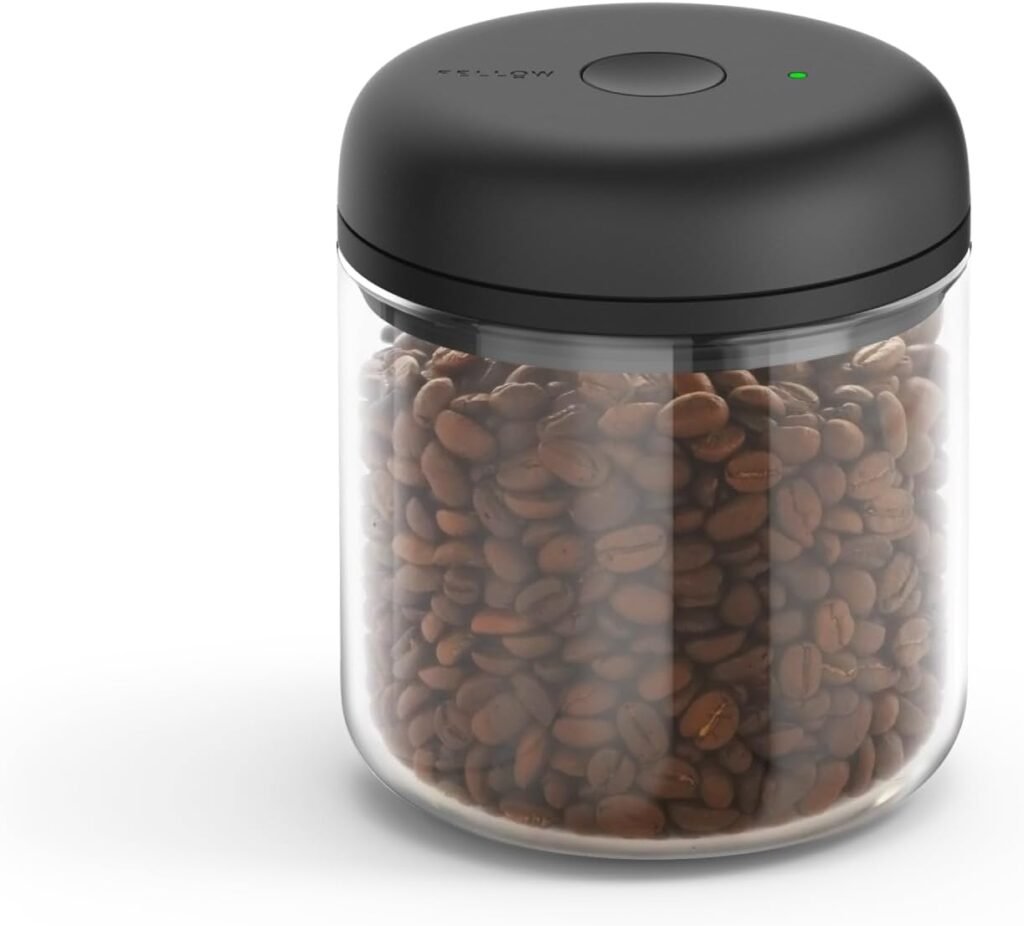
    6. Coffee Storage Containers

    • Airtight containers preserve freshness by reducing exposure to oxygen, moisture, and light.
    • Choose stainless steel or opaque vacuum-sealed containers.

    Click Here to Read: The Best Coffee Storage Containers

    Coffee storage container

    The right coffee equipment transforms your daily brew from ordinary to extraordinary. Whether you’re experimenting with different brewing methods or perfecting your go-to cup, having the right tools ensures a consistently great coffee experience. Investing in quality gear makes a noticeable difference in flavor, aroma, and overall enjoyment.

    Do you have any favorite coffee brewing equipment? Let us know!

    Happy brewing, and may your next cup be your best one yet!

    -the coffee collect.
  • The Best Coffee Storage Containers

    The Best Coffee Storage Containers

    The Best Coffee Storage Containers

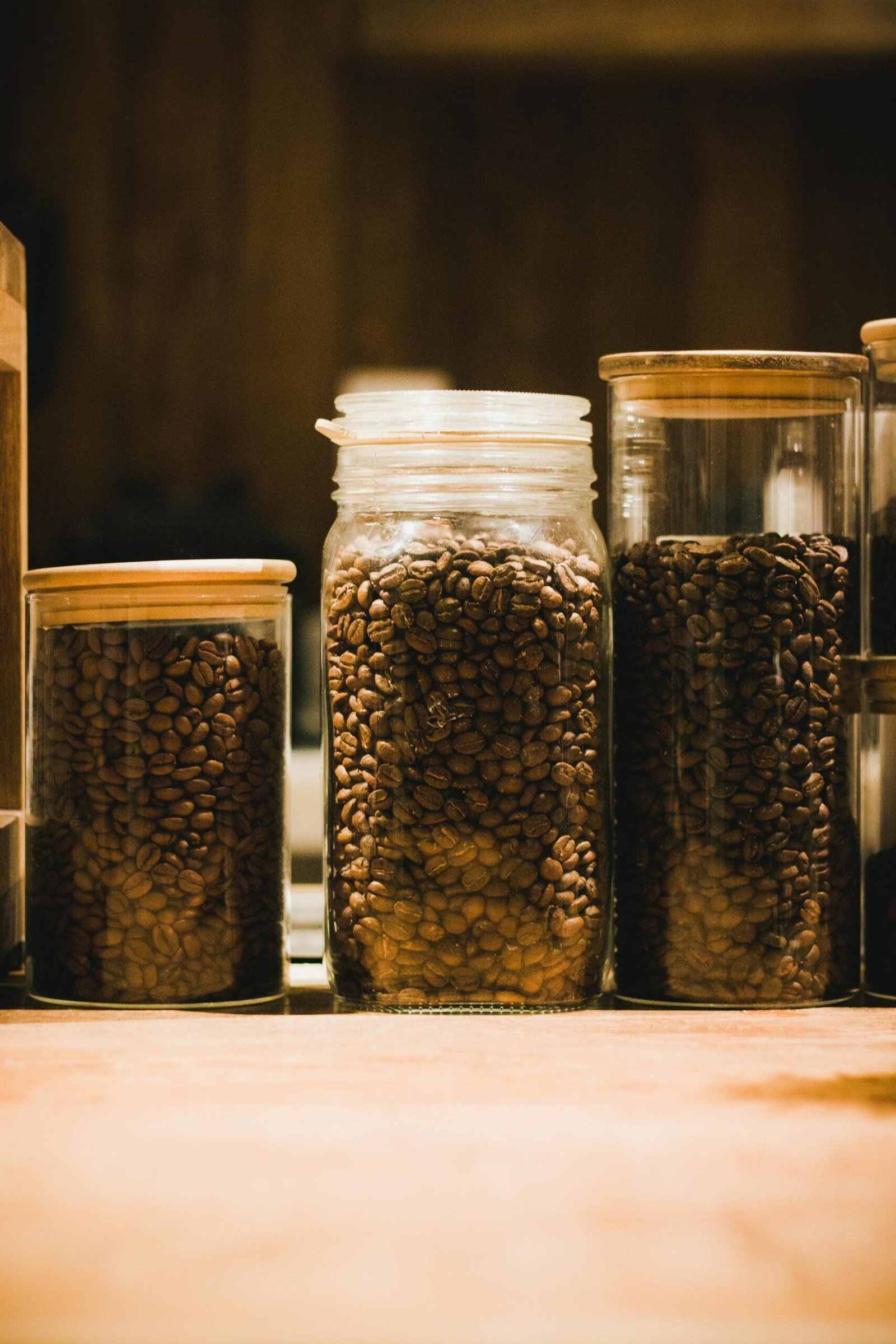
    You might think your coffee beans are fine sitting in the bag they came in, but what if I told you that improper storage is quietly robbing your coffee of its rich aroma and bold flavor? The truth is, exposure to air, moisture, heat, and light can make your beans stale faster than you realize. But don’t worry—there’s a simple fix. By choosing the right storage container, you can keep your coffee fresh and delicious for longer. In this guide, we’ll uncover the best ways to store your beans and review the best coffee storage containers to ensure every cup you brew is as flavorful as possible.


    Why Proper Coffee Storage Matters

    Coffee beans are sensitive to air, moisture, heat, and light. Exposure to these elements can cause them to lose their flavor quickly (AKA coffee beans are a little high maintenance). Here’s why:

    • Air: Oxygen degrades coffee oils and accelerates staleness.
    • Moisture: Beans can absorb moisture, leading to mold and loss of quality.
    • Heat: High temperatures speed up the aging process of coffee.
    • Light: UV rays break down organic compounds in coffee, leading to loss of flavor.

    To keep your beans fresh for as long as possible, they need to be stored in an airtight, cool, dark environment. That’s where a good coffee storage container comes in…


    Best Coffee Storage Containers Reviewed!


    1. Fellow Atmos Vacuum Canister

    Best for Maximum Freshness!

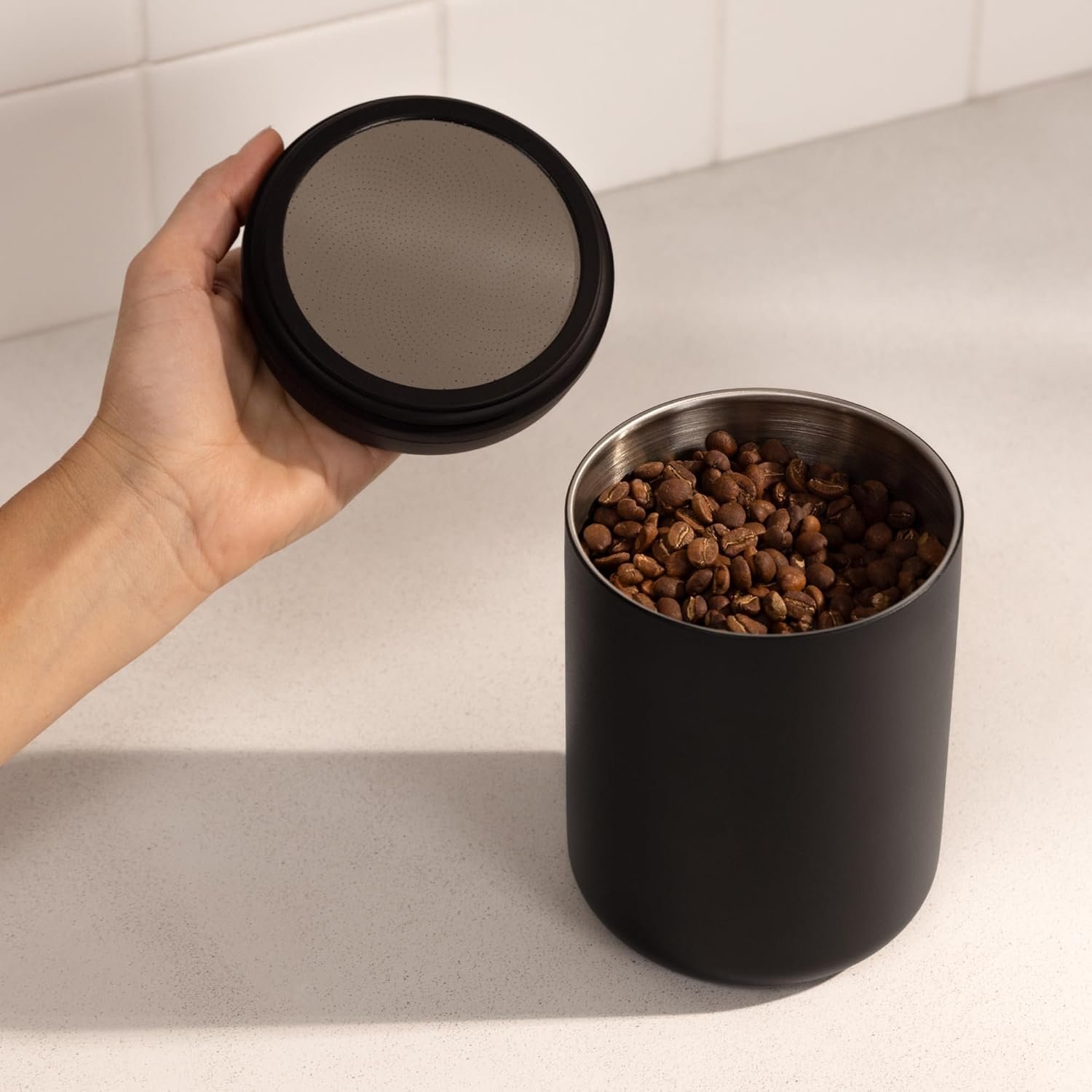
    The Fellow Atmos Vacuum Canister is a favorite among coffee aficionados. It features an integrated vacuum pump that removes oxygen from the container, keeping beans fresher for longer.

    • Pros:
      • Vacuum-sealed to reduce oxygen exposure
      • Available in multiple sizes and colors
      • Durable stainless steel or glass options
    • Cons:
      • More expensive than other options
      • Requires manual vacuuming

    This is a great investment that will upgrade your coffee routine!

    Vacuum sealed coffee canister

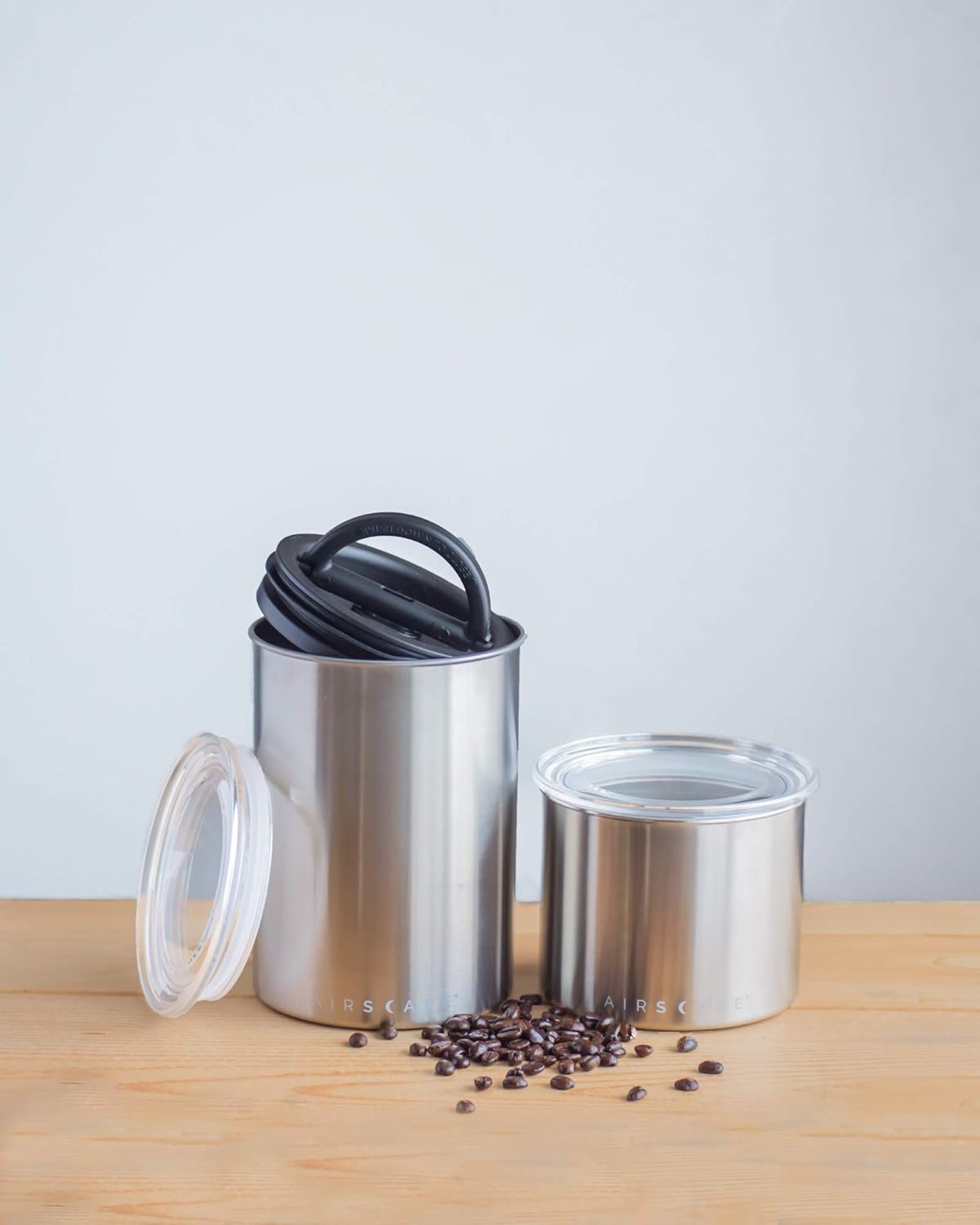
    2. Airscape Coffee Storage Canister

    Best for Design and Functionality!

    The Airscape Canister features a unique inner lid that pushes air out as you close it, ensuring a tight seal.

    • Pros:
      • Strong airtight seal
      • Available in different materials (stainless steel, ceramic, plastic)
      • Available in different colors
      • Sturdy and stackable
      • BPA-free
    • Cons:
      • Inner lid can be tricky to use
      • Bulkier than some other options

    Proving its value, this product has high reviews on Amazon!

    Coffee storage canister

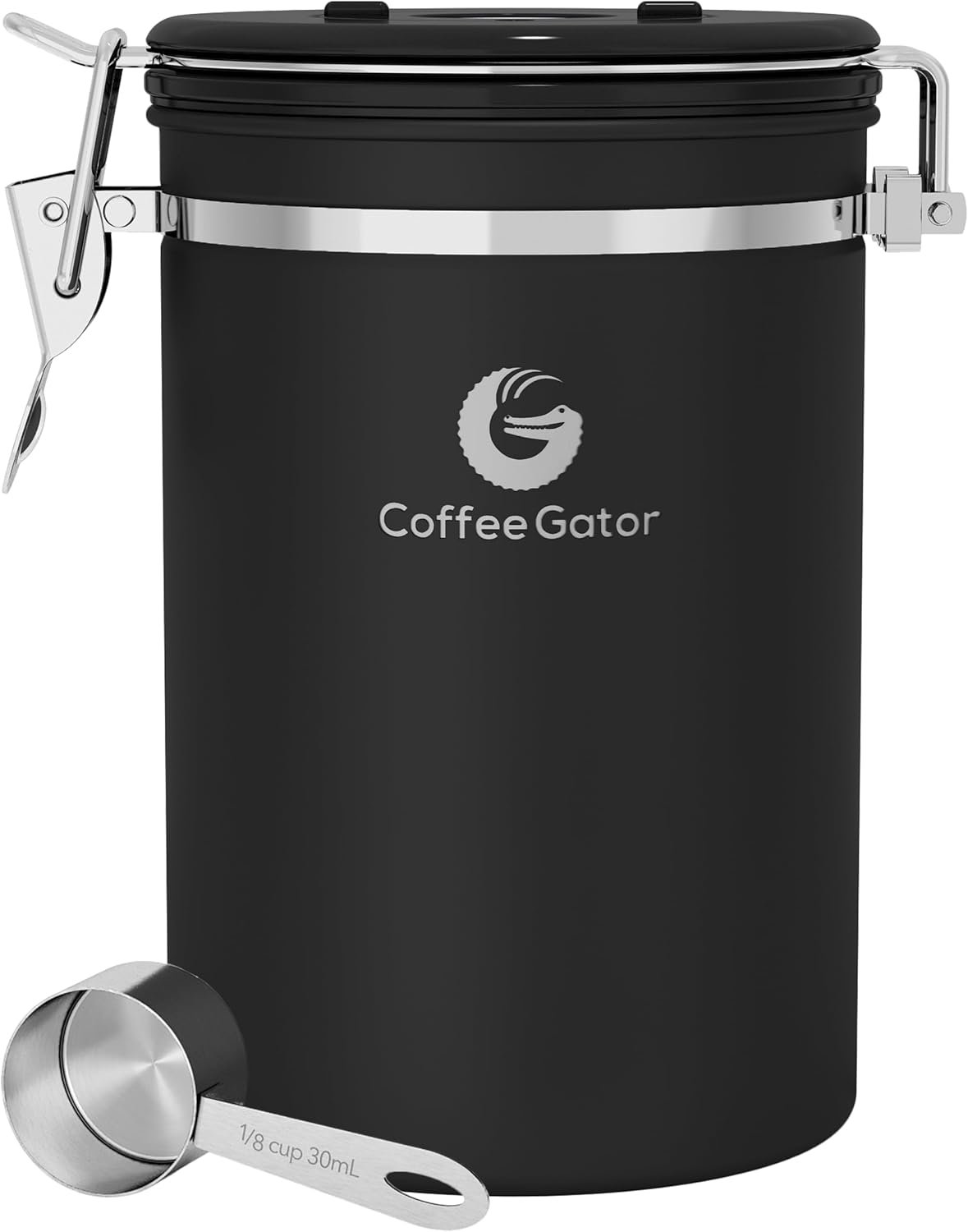
    3. Coffee Gator Stainless Steel Canister

    Best for Budget-Friendly Freshness

    he Coffee Gator Canister includes a CO2 release valve, which helps preserve coffee while preventing unwanted air from entering.

    • Pros:
      • Affordable
      • Date tracker to monitor freshness
      • Built-in CO2 vent
      • You can buy in packs of two (allows you to keep your different kinds of beans separate yet fresh)
    • Cons:
      • Bulkier than glass options
      • Not completely vacuum-sealed

    This investment will surely upgrade your coffee routine!

    Coffee storage canister

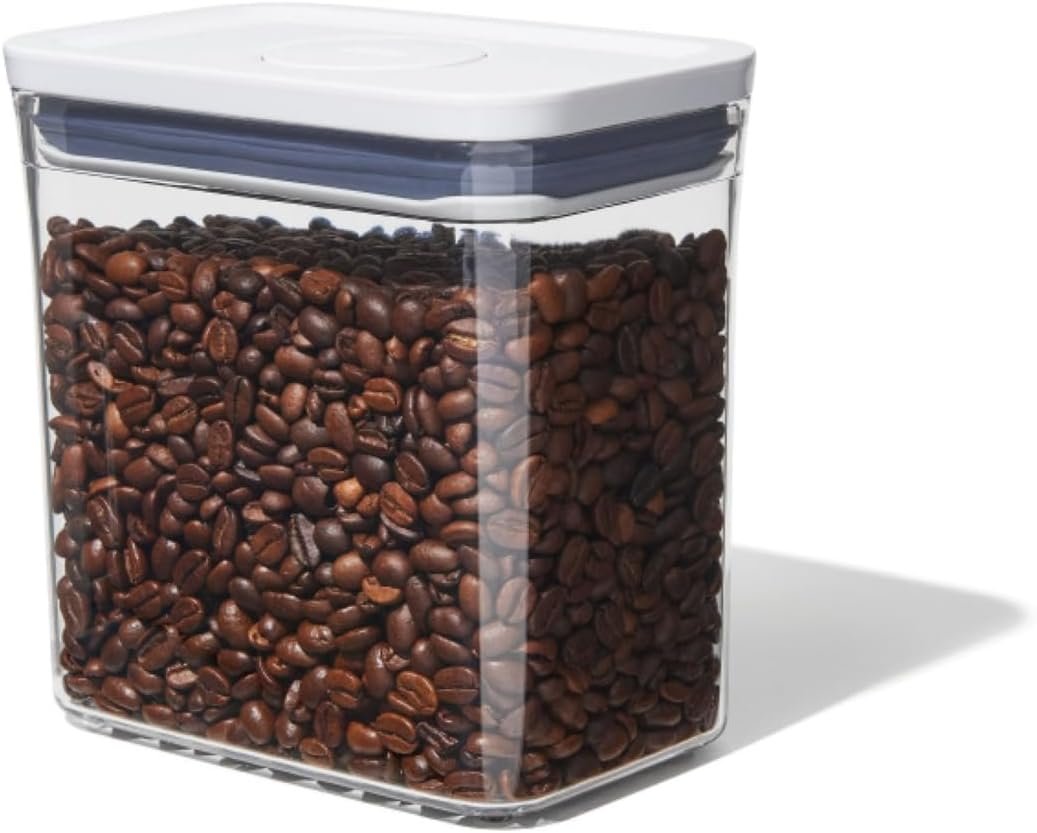
    4. OXO Good Grips POP Container

    Best for Easy Access

    OXO’s POP containers are known for their one-touch airtight seal, making them convenient for daily use.

    • Pros:
      • Easy to use
      • Stackable and space-saving
      • BPA-free plastic
      • Come in many different sizes
    • Cons:
      • Not vacuum-sealed
      • Not as durable as metal or glass containers

    OXO containers are not only great for your coffee beans, but the 10 pack would be perfect for all your coffee bar ingredients!

    Coffee storage canister

    Tips for Storing Coffee Beans at Home

    • Keep beans in an airtight container: Always opt for a sealed storage option to minimize oxygen exposure for both ground coffee and whole coffee beans.
    • Store in a cool, dark place: Avoid direct sunlight and heat sources like the oven.
    • Don’t refrigerate or freeze: While freezing can work for long-term storage, frequent temperature changes can cause condensation, leading to moisture issues.
    • Buy only what you need: Purchasing smaller amounts of fresh coffee more frequently helps maintain peak flavor.

    Coffee beans are a little high maintenance, so choosing the best coffee storage containers can make a huge difference in preserving the flavor and quality of your beans. Whether you opt for the Fellow Atmos for maximum freshness, the budget-friendly Coffee Gator, or the easy-access OXO POP, investing in a quality container is key to enjoying a fresh cup of coffee every time. It is also the perfect gift for your coffee-loving friend!

    What’s your favorite way to store coffee beans? Let us know!

    Tag us on Instagram @the.coffee.collect in order to get featured and show the coffee community your storage set-up!

    -the coffee collect.
  • Home Coffee Bar Ideas for Apartments & Tiny Kitchens

    Home Coffee Bar Ideas for Apartments & Tiny Kitchens

    Home Coffee Bar Ideas for Apartments & Tiny Kitchens

    Many coffee lovers dream of a dedicated coffee station but feel restricted by small spaces. The good news? You don’t need a large space to create a stylish and functional home coffee bar. With a little creativity, the right equipment, and smart organization, you can transform even the tiniest corner into your personal café. Here’s how:


    1. Choose the Right Location

    Even in a small apartment, you can carve out a coffee nook in places like:

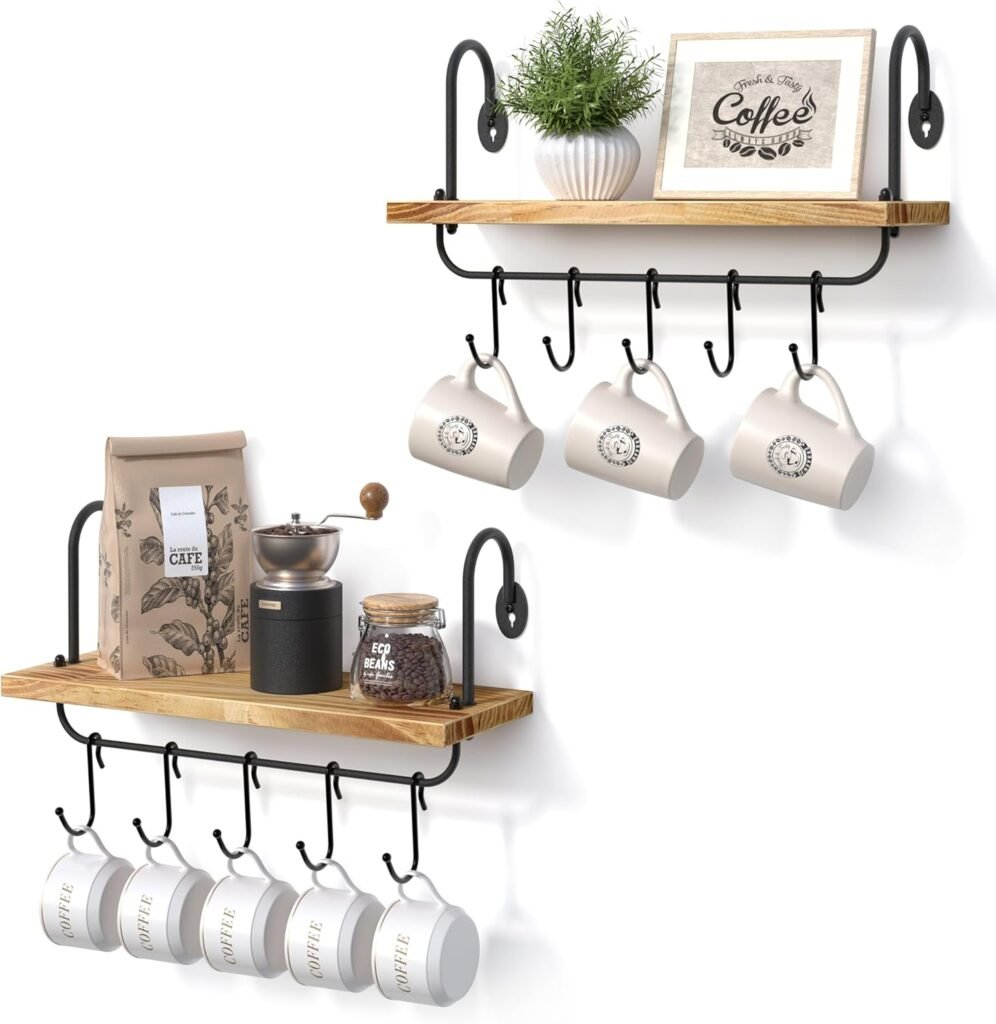
    • A wall-mounted shelf to maximize vertical space
    • A small section of your kitchen counter
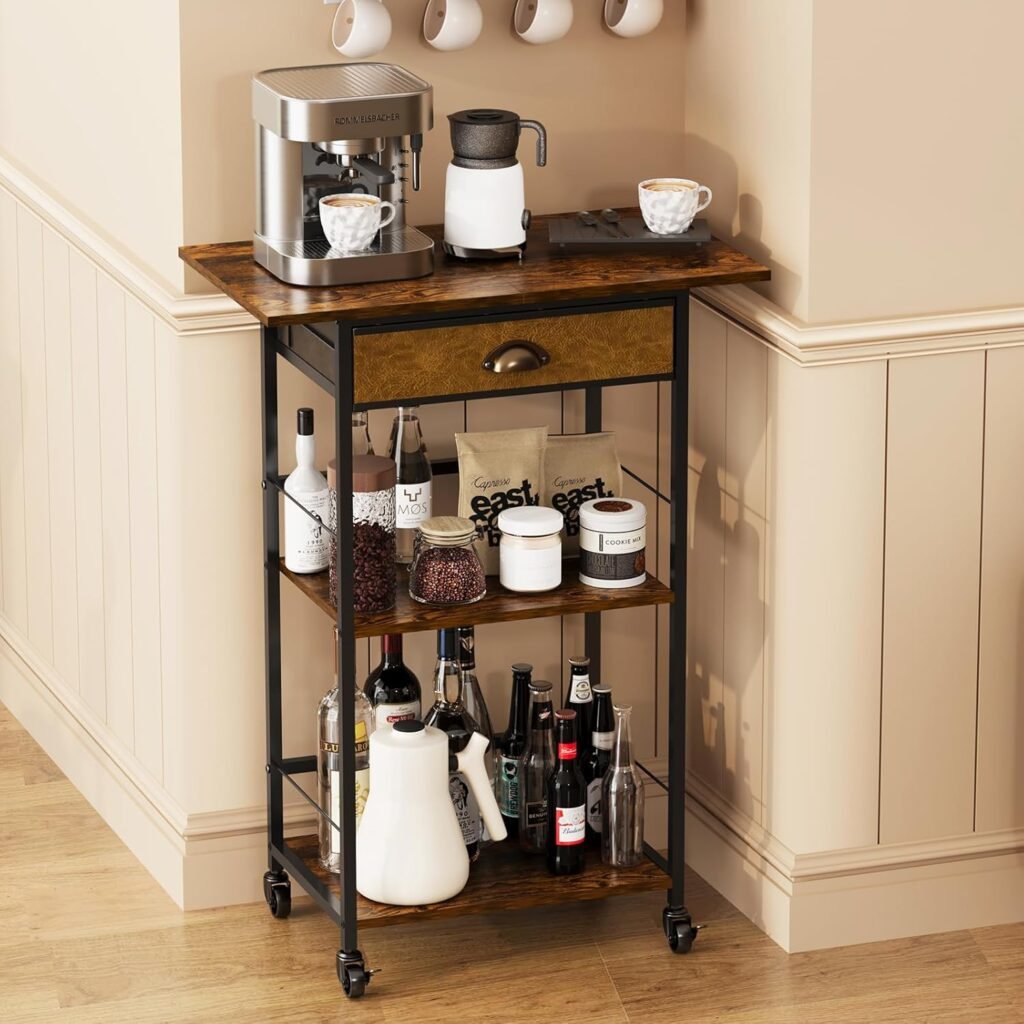
    • If counter space is scarce, a rolling coffee cart is a game-changer! You can move it around as needed, and it can double as a serving station when guests come over.
    • A small stationary stand will work as well. Amazon has many styles to choose from, making it easy to find one that matches your personal style and needs.
    • A repurposed bookshelf

    2. Invest in Space-Saving Coffee Equipment

    When counter space is limited, choose compact and multi-functional coffee makers. Some great options include:


    Click Here to Read: Easy Homemade Cold Brew Coffee Recipe (Step-by-Step Guide)


    3. Optimize Storage with Smart Solutions

    Efficient storage is key to keeping your coffee bar tidy and functional:


    4. Keep It Organized Yet Stylish

    A well-organized coffee bar enhances both function and aesthetics. Try these:


    5. Be Creative!

    Having a small kitchen doesn’t mean you have to compromise on your coffee experience. With these space-saving ideas and your own touch of creativity, you’ll have everything you need to create your favorite drinks in your own home daily.

    Snap a picture of your small home coffee bar ideas and tag us on Instagram @the.coffee.collect in order to get featured and inspire others in the coffee community!

    -the coffee collect.

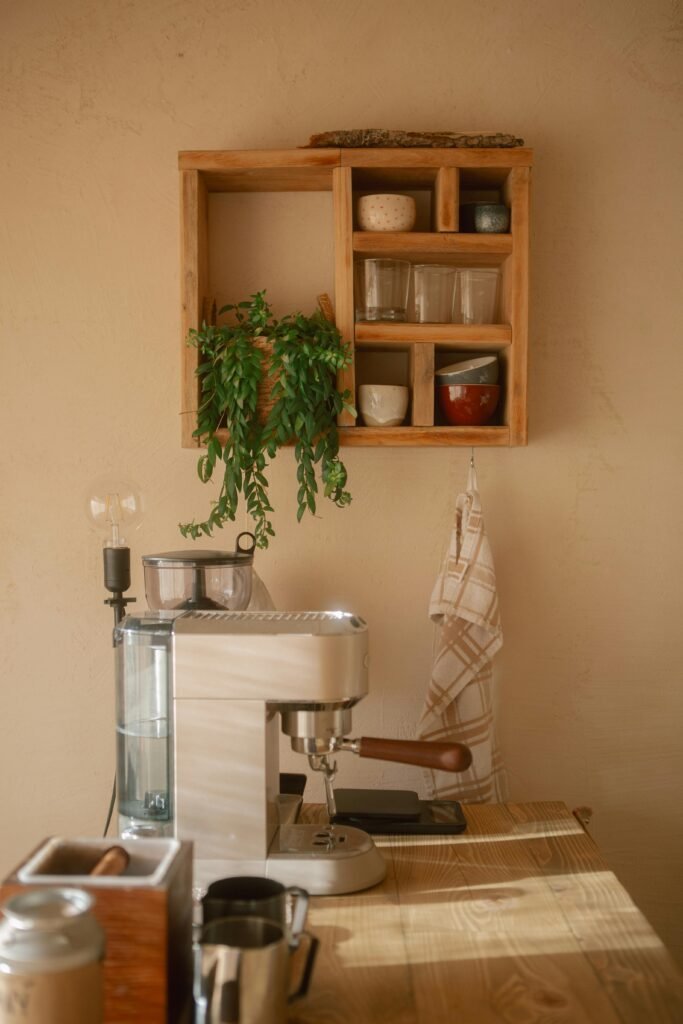
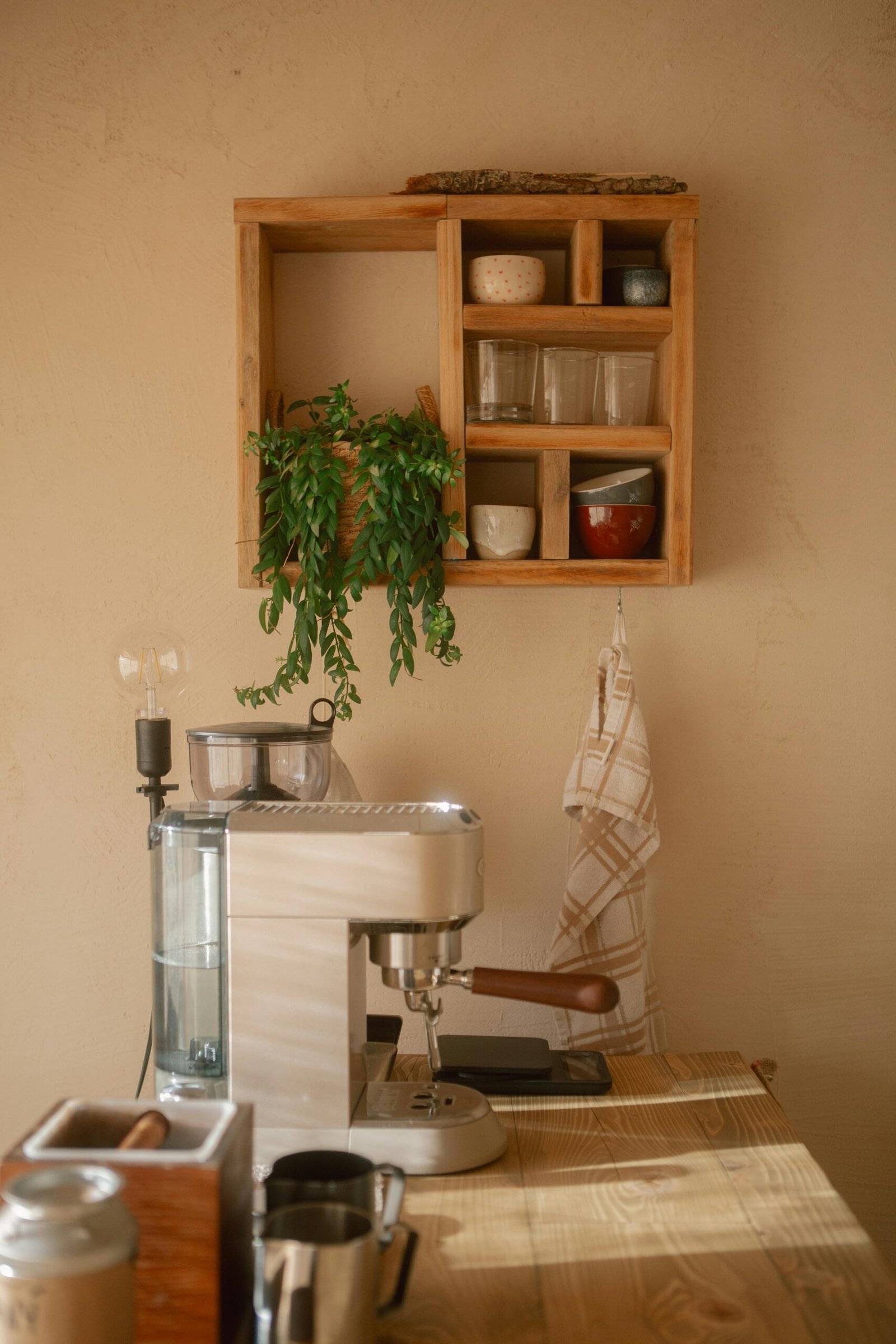
    Elegant coffee setup in a minimalist home kitchen with wooden shelves and greenery.
  • How to Read a Coffee Label: Origin, Roast, and More

    How to Read a Coffee Label: Origin, Roast, and More

    How to Read a Coffee Label: Origin, Roast, and More

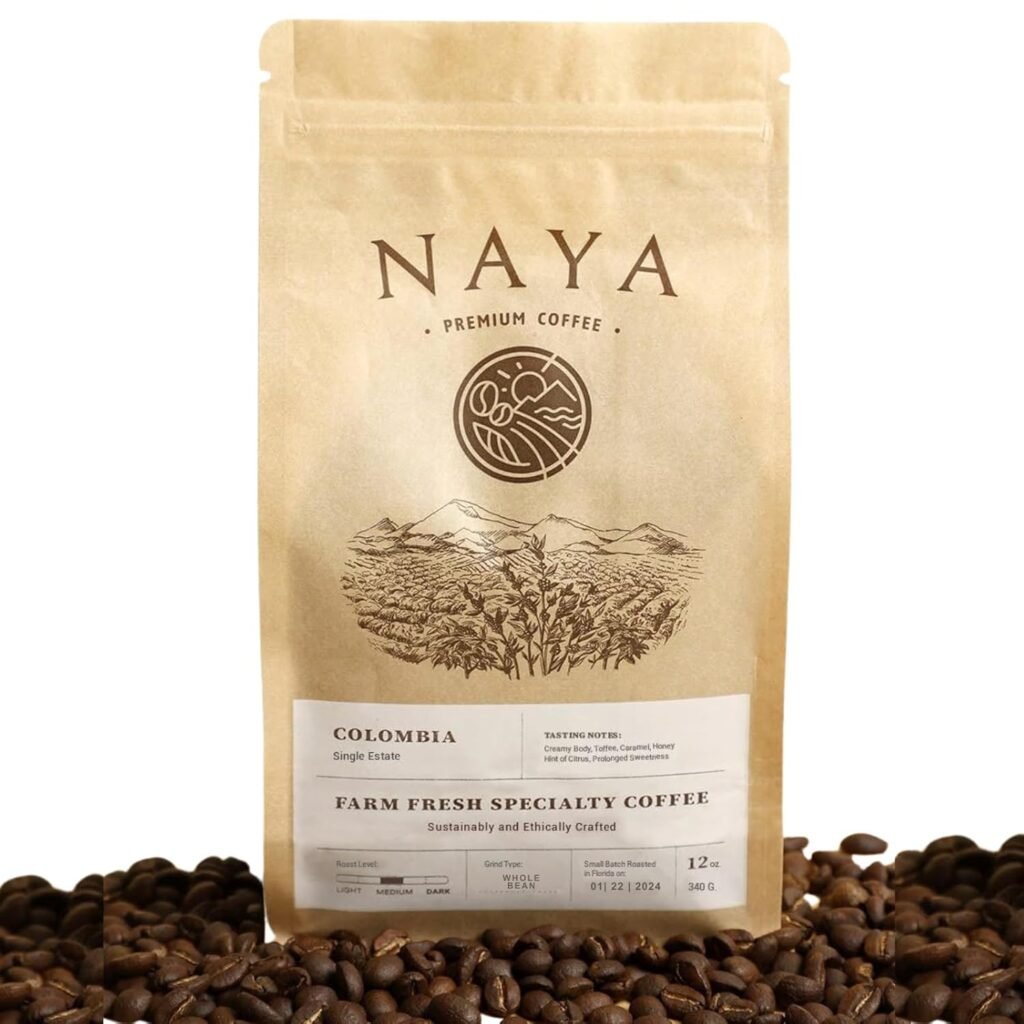
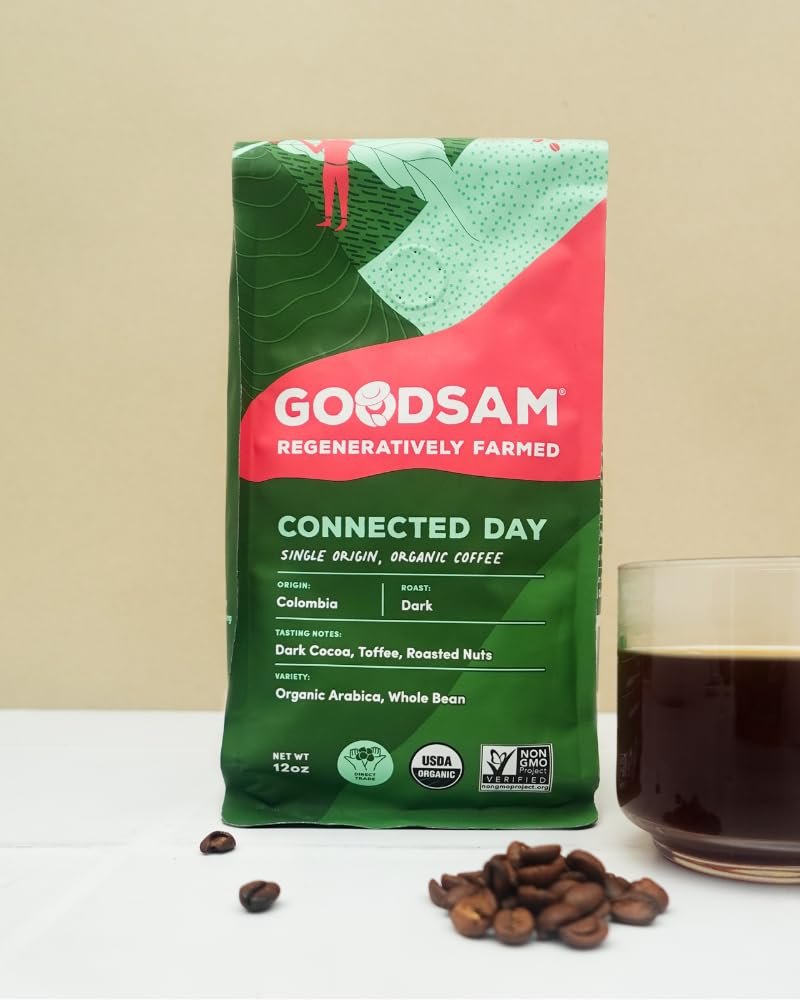
    Learning how to interpret a coffee label ensures you choose a coffee that aligns with your taste preferences and brewing style. A well-detailed label should tell the story behind the coffee and provide insight into the coffee’s flavor profile, origin, processing method, and more. Here’s what you need to know…


    Coffee Origin

    The origin of the coffee significantly impacts its flavor. Labels often indicate the country, region, and even the specific farm where the beans were grown. Coffee roasters will source their coffee from specific origins in order to create blends with specific tastes. Sometimes coffee blends are made up of a compilation of coffee from different origins, in order to create a balanced flavor. Or there are single-origin coffees which highlight the characteristics of a specific region.

    Almost all coffee beans originate from countries in the Coffee Bean Belt, which lies in between the Topic of Cancer and Capricorn. Here are some of the most common origins and what they might mean when it comes to taste:

    • Ethiopia – Fruity, floral, tea-like qualities
    • Colombia – Balanced, nutty, with caramel sweetness
    • Brazil – Chocolatey, nutty, low acidity
    • Kenya – Bright acidity, berry and citrus notes
    • Sumatra – Earthy, full-bodied, low acidity

    Roast Level On a Coffee Label

    A coffee’s “roast level” refers to how long the coffee beans were roasted, which in turn communicates the flavor profile of the coffee. Roast level should always be displayed on a coffee label as it plays a crucial role in the coffee’s taste and aroma. Understanding what the different roast levels mean will guide you to picking the right one according to your flavor profile. Here’s a quick guide:

    • Light Roast – A light roast has a light brown flavor, and the beans appear dry. The flavor profile retains more acidity, fruitiness, and origin flavors.
    • Medium Roast – Medium roasts are a medium brown and may appear dry or slightly oily. The flavor profile has a balanced sweetness, acidity, and body.
    • Dark Roast – Dark roasts appear dark brown to black with oily surfaces. They usually have a bold, smoky, chocolatey, and all-around deeper flavor profile.

    Processing Method

    The way coffee is processed after harvest affects its final taste. Processing methods vary based on factors such as climate and end objectives, and each method creates a unique flavor. Here are some common methods that might be on the coffee label and a simple rundown on what they communicate:

    • Washed (Wet Process) – Beans are fermented and washed to remove fruit before drying | Clean, bright flavors with high clarity
    • Natural (Dry Process) – Whole cherries are dried with the fruit still intact, then hulled | Fruity, sweet, heavier body
    • Honey Process – Some fruit pulp is left on the bean while drying, giving a sticky, honey-like texture | Balanced sweetness, moderate acidity, syrupy body

    Elevation

    Coffee labels sometimes list the elevation at which the beans were grown. The highest altitudes reach around 5,000 ft / 1,500 m and the lowest are around 2,000 ft / 600 m. Generally, the higher the altitude, the slower the coffee cherry matures, leading to denser beans with more complex flavors and acidity. Lower elevations produce heavier-bodied, milder coffees. If you love bright, fruity flavors, go for high-altitude coffee. If you prefer rich, chocolatey notes, try lower-grown beans


    Coffee Grind Size Guide


    Roast Date & Freshness

    Always look for the roast date instead of an expiration date on a coffee label. Freshly roasted coffee (within 2–4 weeks of roasting) delivers the best flavors. However, allowing coffee to rest for a few days post-roast can improve extraction and balance.


    Certifications & Ethical Sourcing

    Coffee labels may include certifications like:

    • Organic – Grown without synthetic pesticides or fertilizers.
    • Fair Trade – Supports fair wages and ethical farming practices.
    • Rainforest Alliance – Promotes sustainability and environmental conservation.
    • Direct Trade – A relationship-focused approach where roasters buy directly from farmers.

    These indicate sustainable and ethical sourcing practices and, while not a direct indicator of quality, these certifications align with responsible coffee lover choices.

    Flavor Notes

    Flavor notes (e.g., “chocolate, citrus, caramel”) describe the perceived flavors, not added ingredients. They give an idea of what to expect but don’t indicate artificial flavoring.


    The next time you pick up a bag of coffee beans, take a moment to decode the label and learn the story behind it all!

    Tag us on Instagram @the.coffee.collect to share your favorite coffee roasts and blends with the coffee community!

    -the coffee collect.
  • The Ultimate Guide to Frothing Milk Without a Machine

    The Ultimate Guide to Frothing Milk Without a Machine

    The Ultimate Guide to Frothing Milk Without a Machine

    A rich, creamy froth can elevate a homemade latte, cappuccino, or flat white to a professional level. But what if you don’t own an espresso machine with a steam wand? Don’t worry—there are several ways to froth milk at home without expensive equipment. This guide will walk you through five simple methods so you can create café-quality froth with tools you likely already have in your kitchen.


    Before You Begin

    Here are some specific tips that will lay the foundation for you.

    • The best milk for frothing depends on the texture and stability you want in your foam. Whole milk (3.25% fat) is ideal for a creamy, rich foam with good stability, making it perfect for lattes and cappuccinos. 2% milk also froths well, producing a slightly lighter texture while maintaining good microfoam. Skim milk creates the largest and airiest foam due to its higher protein content, but it lacks creaminess. For plant-based options, oat milk (barista editions) is one of the best choices due to its ability to produce a smooth, stable foam. Soy milk also froths well but can curdle if not heated properly, while almond milk tends to create a lighter, less stable foam. The key is to use fresh, cold milk and avoid overheating to achieve the best froth.
    • Always start with warm (not boiling) milk for the best results. The perfect temperature will be between 140°F and 155°F. Use a thermometer the first few times and after some practice you will be able to tell when it’s at the right temperature without the thermometer.
    • Start with about 6 to 8 ounces of milk for a standard latte or cappuccino. Milk expands as air is incorporated in the frothing process, so remember to allow enough room for proper aeration.
    • After frothing, swirl and tap the milk container gently on a countertop to break down bubbles before pouring. Large bubbles in frothed milk are undesirable because they create an airy, unstable foam rather than a smooth, creamy texture. Lots of practice and the proper techniques are needed to allow you to control aeration during frothing.
    • Pour frothed milk immediately to maintain texture and consistency.
    • Frothing milk is an art that takes time and experimentation to achieve your personal desired results. Be patient and have fun with the process!
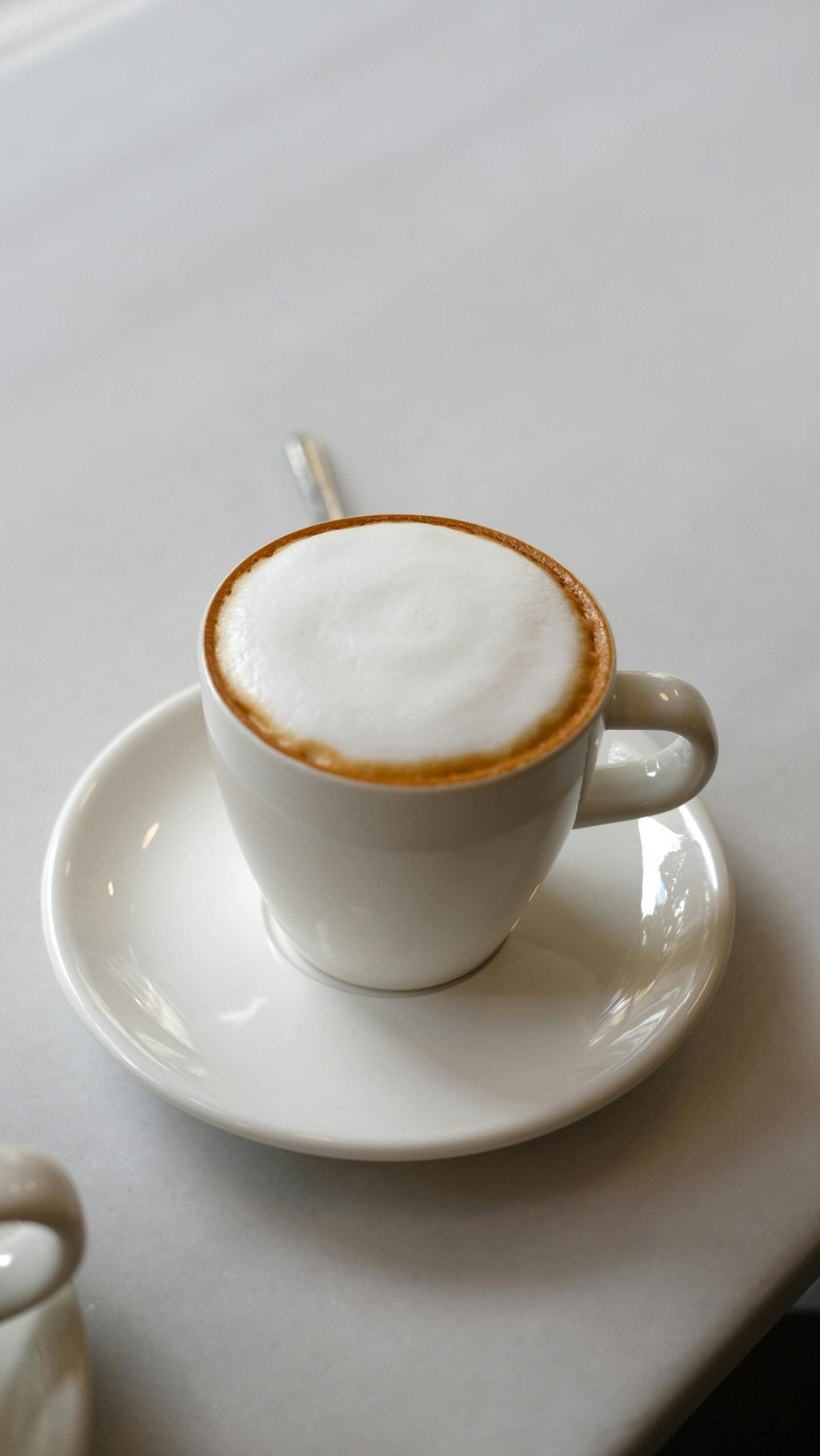
    A steaming cup of cappuccino with frothy milk in a white porcelain cup on a saucer.

    1. Shake It in a Jar

    This is the simplest method and requires only a jar with a lid. A mason jar works perfectly. The downside is that the foam produced by the jar method may not be as silky or stable as other methods.

    • Pour warm milk (not too hot, around 145°F) into a jar, filling it no more than halfway.
    • Secure the lid and shake vigorously for about 30–60 seconds.
    • Let the foam settle for a moment and gently tap the jar on the counter to get rid of any large bubbles. Then pour or spoon it onto your coffee.

    2. Whisk It by Hand

    A simple kitchen whisk can do wonders, and my best guess is that you have one conveniently sitting in your kitchen drawer already. This method produces slightly more refined foam than shaking, but it takes effort and can be inconsistent.

    • Heat your milk to about 145°F.
    • Using a balloon whisk, beat the milk vigorously in a back-and-forth motion until frothy.

    3. Use a French Press

    This method creates a surprisingly fine-textured foam similar to a steam wand. It does require a French press and can be messy.

    • Heat milk to about 145°F.
    • Pour warm milk into a clean French press.
    • Pump the plunger up and down rapidly until the milk doubles in volume and achieves a creamy texture.

    4. Blend It

    An immersion blender or countertop blender can aerate milk effectively and produce stable, thick foam. This method can create large bubbles if over-blended, so you must be careful. Cleanup is more involved and more counterspace is needed.

    • Warm your milk to about 145°F and pour it into a deep container.
    • Blend for 15–30 seconds until foamy.

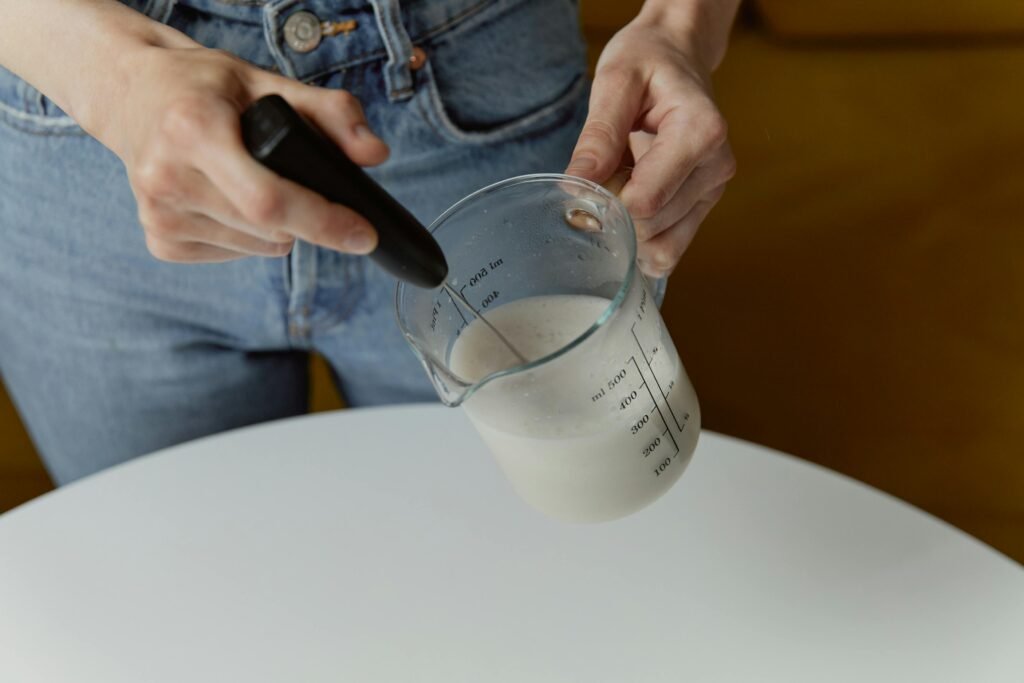
    5. Use a Handheld Milk Frother

    A handheld frother is an affordable and effective tool. It’s easy, efficient, and gives excellent results. This method requires a small investment in a frother.

    • Heat the milk to about 145°F. And pour it into a frothing cup.
    • Insert the frother just below the surface and turn it on, moving it in circles and keeping it under the surface to create a whirlpool.
    • Froth until you achieve the desired consistency.
    A person frothing milk with a handheld whisk in a transparent measuring cup, showcasing food preparation.

    -the coffee collect.