Category: coffee culture

history, industry, & trends

  • SCA Certified Coffee Makers

    SCA Certified Coffee Makers

    SCA Certified Coffee Makers That We’re Loving Right Now

    Brew Like a Pro from the Comfort of Home

    If you’ve ever wondered how to make café-quality coffee at home without the guesswork, you’re in the right place. At the coffee collect, we’re all about celebrating coffee as an art—one that brings people and ideas together, fuels connection, and creates space to slow down.

    One of the best ways to upgrade your home brewing game? Choosing a coffee maker that’s backed by science and crafted for excellence. That’s where SCA Certified coffee makers come in…


    What Does “SCA Certified” Mean and Why Does It Matter?

    The Specialty Coffee Association (SCA) is a global organization that sets the standards for what makes a truly exceptional cup of coffee (though of course, there are many perspectives, traditions, and voices beyond the SCA that also define what makes a cup of coffee exceptional). When a coffee maker is SCA Certified, it means it has passed a series of rigorous tests that evaluate critical brewing elements like:

    • Water temperature consistency
    • Brew time and flow rate
    • Extraction quality and uniformity

    These are the behind-the-scenes factors that dramatically impact flavor, aroma, and balance in your cup. At the heart of this certification is something called the SCA Golden Cup Standard.

    The Golden Cup Standard is the SCA’s definition of an ideal cup of coffee, based on scientifically tested brewing parameters. This includes:

    • Brew Strength: 1.15%–1.35% total dissolved solids (TDS)
    • Extraction Yield: 18%–22%
    • Water Temperature: Between 195°F and 205°F
    • Brew Time: 4–8 minutes
    • Coffee-to-Water Ratio: About 55g of coffee per 1 liter of water (or roughly 1:18)

    When a brewer meets these specs, it means it consistently produces coffee that’s balanced, flavorful, and brewed to professional café standards. In other words, the SCA Certified label isn’t just a nice-to-have—it’s a mark of brew excellence.

    Don’t let your equipment hold you back. Investing in an SCA Certified machine ensures your coffee is being brewed exactly how it should be.


    Top-Rated SCA Certified Coffee Makers

    1. Technivorm Moccamaster KBGV Select

    This Dutch-made beauty is as much a countertop statement as it is a brewing powerhouse. It heats water to the perfect temperature and brews a full pot in 4–6 minutes. What we especially love? The switch between half and full carafe, so no coffee gets wasted.

    • Comes in a rainbow of colors to match your vibe
    • Handmade in the Netherlands
    • All plastics are BPA, BPS, BPF, and phthalate-free
    • Fast brew time without sacrificing flavor
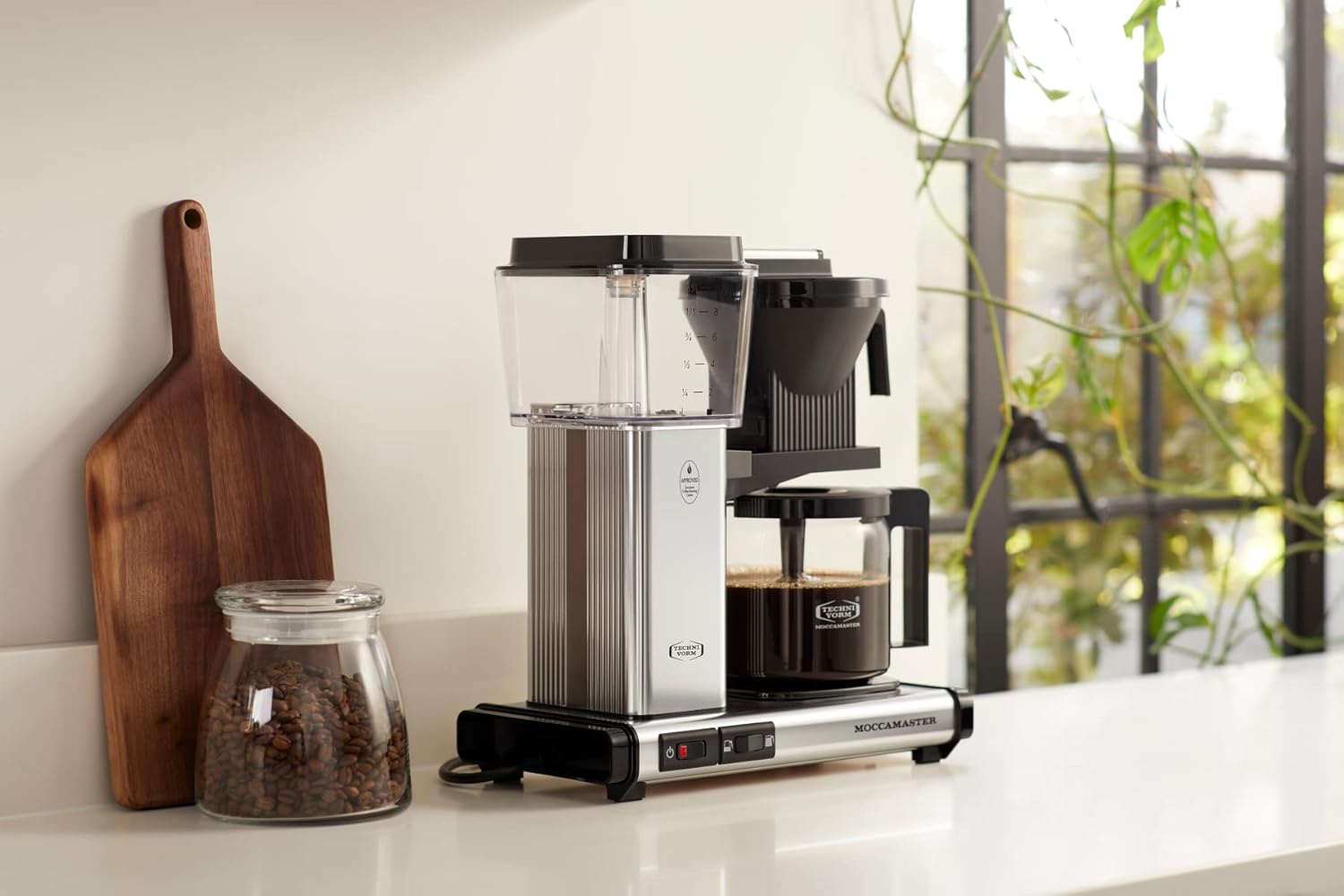
    Technivorm Moccamaster KBGV Select | SCA certified coffee maker

    2. Breville Precision Brewer

    This one’s for the home brewer who likes to dial things in. The Precision Brewer lives up to its name with six unique brewing modes, including Gold Cup (SCA standard), Over Ice, and My Brew for custom settings.

    • Perfect for coffee nerds who love experimenting
    • Customizable temperature, bloom time, and flow rate
    • Thermal carafe keeps coffee hot without burning it
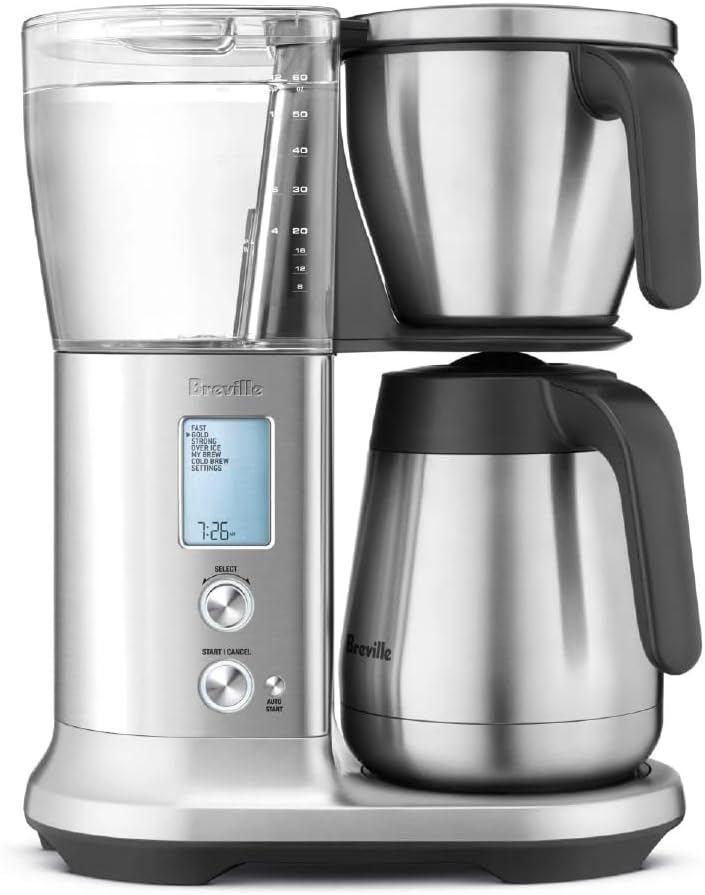
    Breville Precision Brewer | SCA certified coffee maker

    3. OXO Brew 8-Cup Coffee Maker

    Compact, stylish, and SCA Certified, the OXO Brew 8-Cup Coffee Maker offers precise, pour-over-style brewing with the convenience of an automatic machine. Whether you’re brewing a single cup or a full carafe, it delivers consistent flavor every time.

    • Thermal carafe keeps coffee hot without overheating
    • Certified for both single-serve and batch brewing
    • Rainmaker showerhead ensures even water distribution
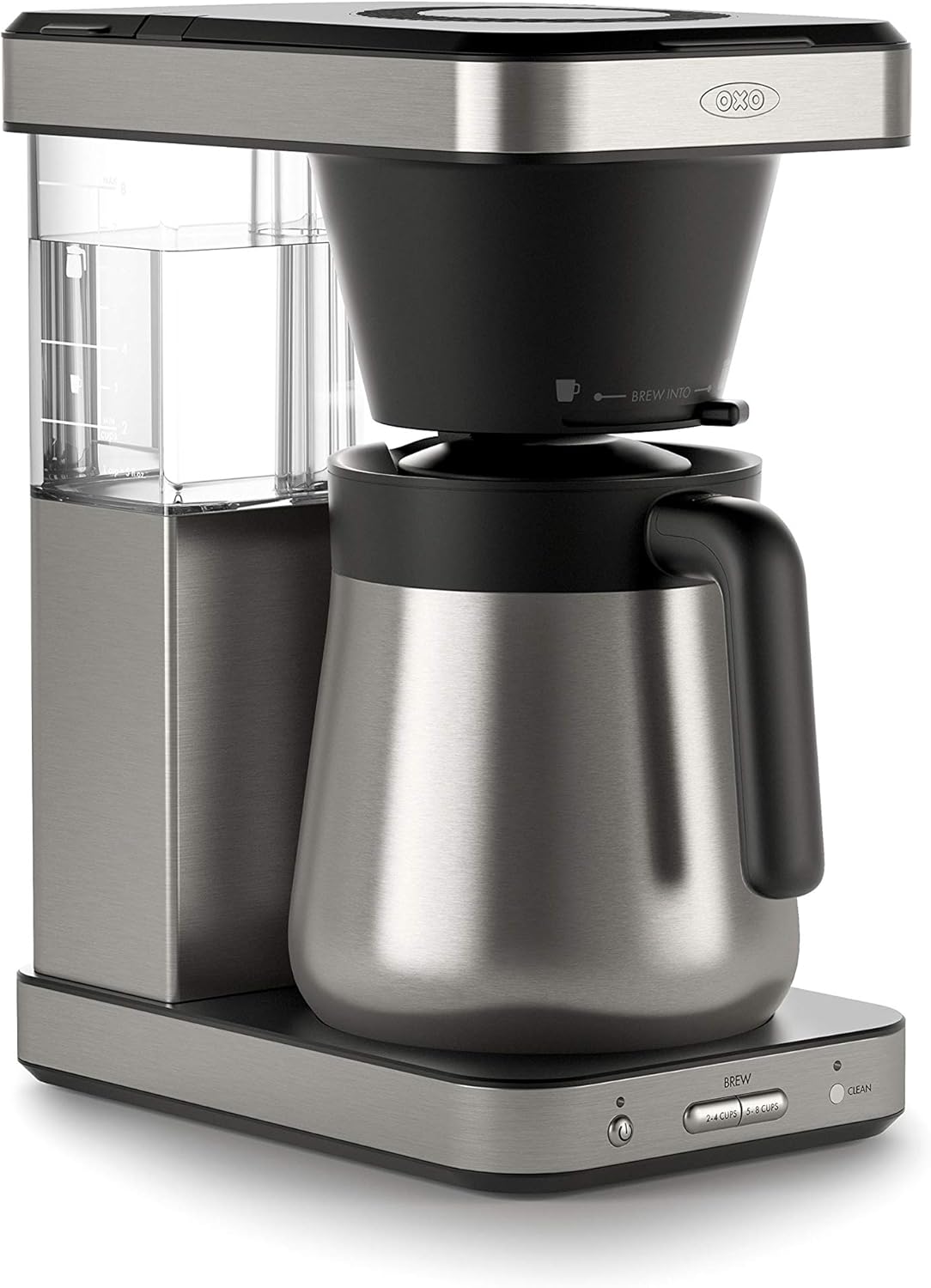
    oxo brew 8-cup coffee maker | sca certified

    Best Home Espresso Machines Under $500 | 2025


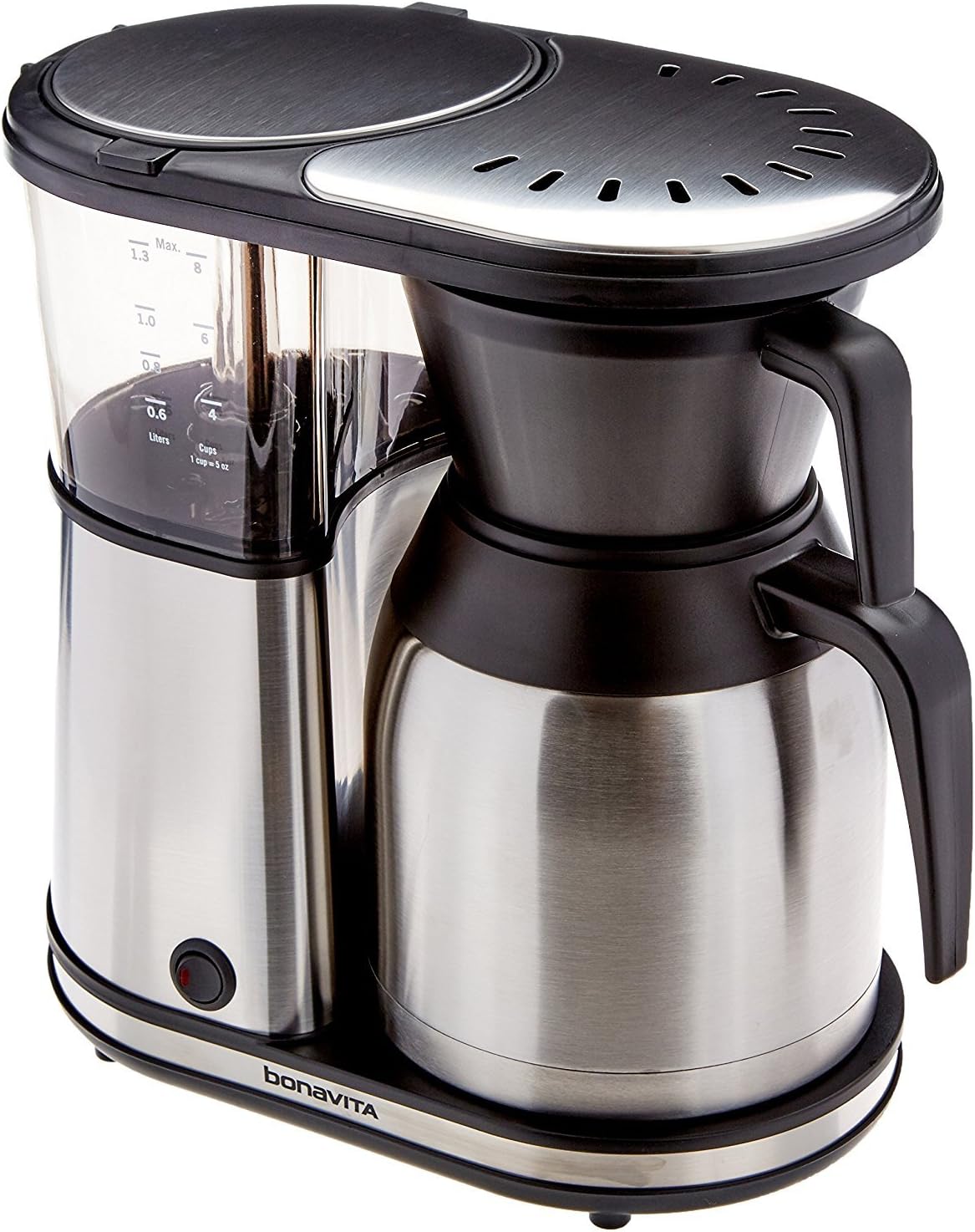
    4. Bonavita One-Touch Coffee Brewer

    Affordable and compact, this brewer doesn’t mess around. It features a powerful 1500-watt heater and pre-infusion mode to bloom your grounds like the pros do.

    • Small footprint, great for cozy spaces
    • Straightforward, one-touch operation
    • Pre-infusion for a richer cup
    bonavita one-touch coffee maker | SCA certified

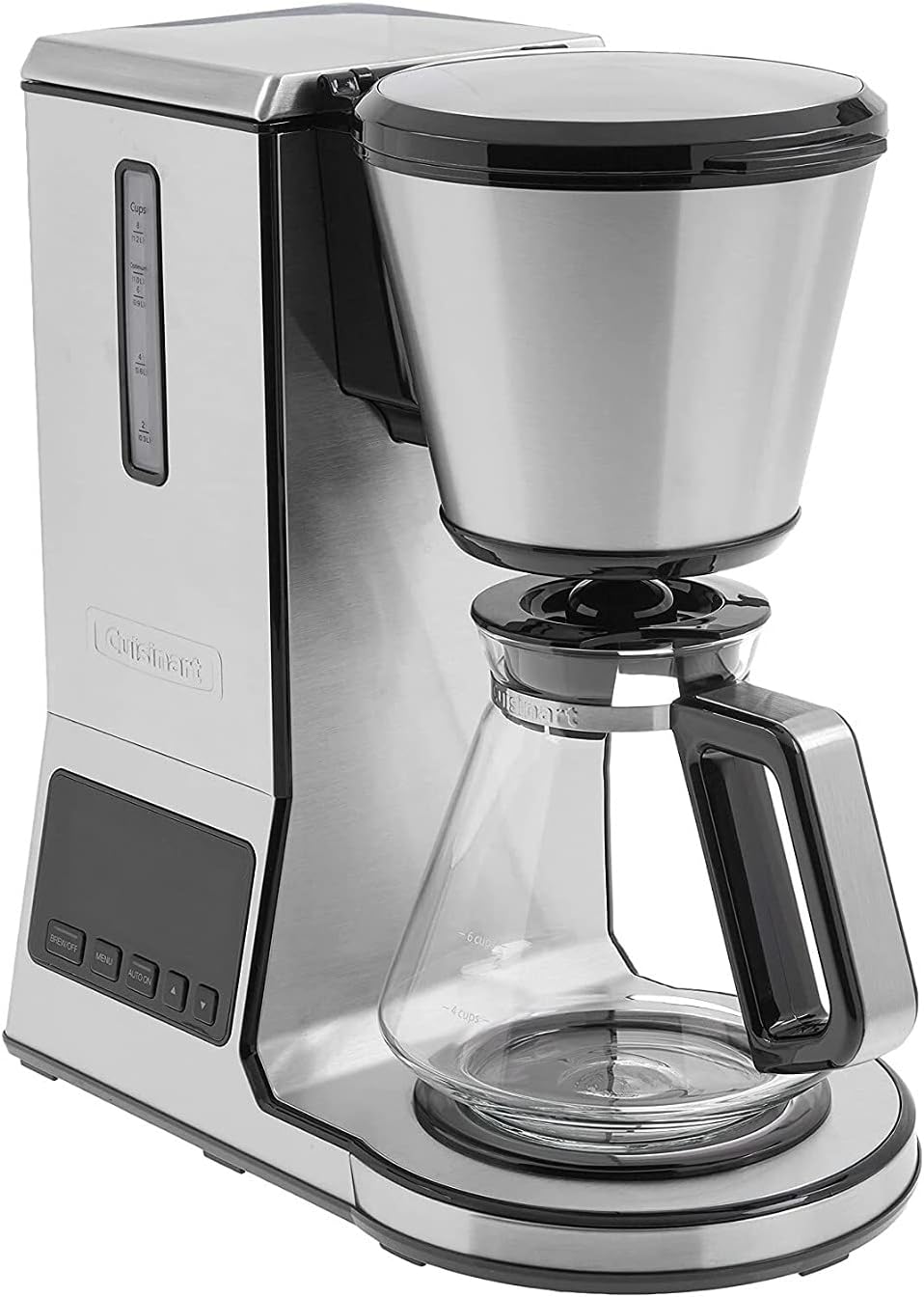
    5. Cuisinart PurePrecision 8 Cup Pour-Over Brewer

    Cuisinart’s certified brewer brings pour-over quality with a little more polish. It offers temperature and strength control while still delivering that clean, balanced cup the SCA demands.

    • Glass or thermal carafe options
    • Adjustable flavor strength (mild, medium, bold)
    • Great value for the price
    cuisinart pureprecision 8 cup pour-over brewer | sca certified coffee maker

    6. KRUPS Essential Brewer 8-Cup Drip Coffee Maker

    The KRUPS Essential Brewer is a compact and affordable option that doesn’t sacrifice quality. As an SCA Certified machine, it meets the standards for exceptional brewing while offering a sleek design that fits easily on your countertop.

    • Simple one-touch operation with a modern look
    • Brews up to 8 cups of balanced, flavorful coffee
    • Precise temperature and flow control for optimal extraction
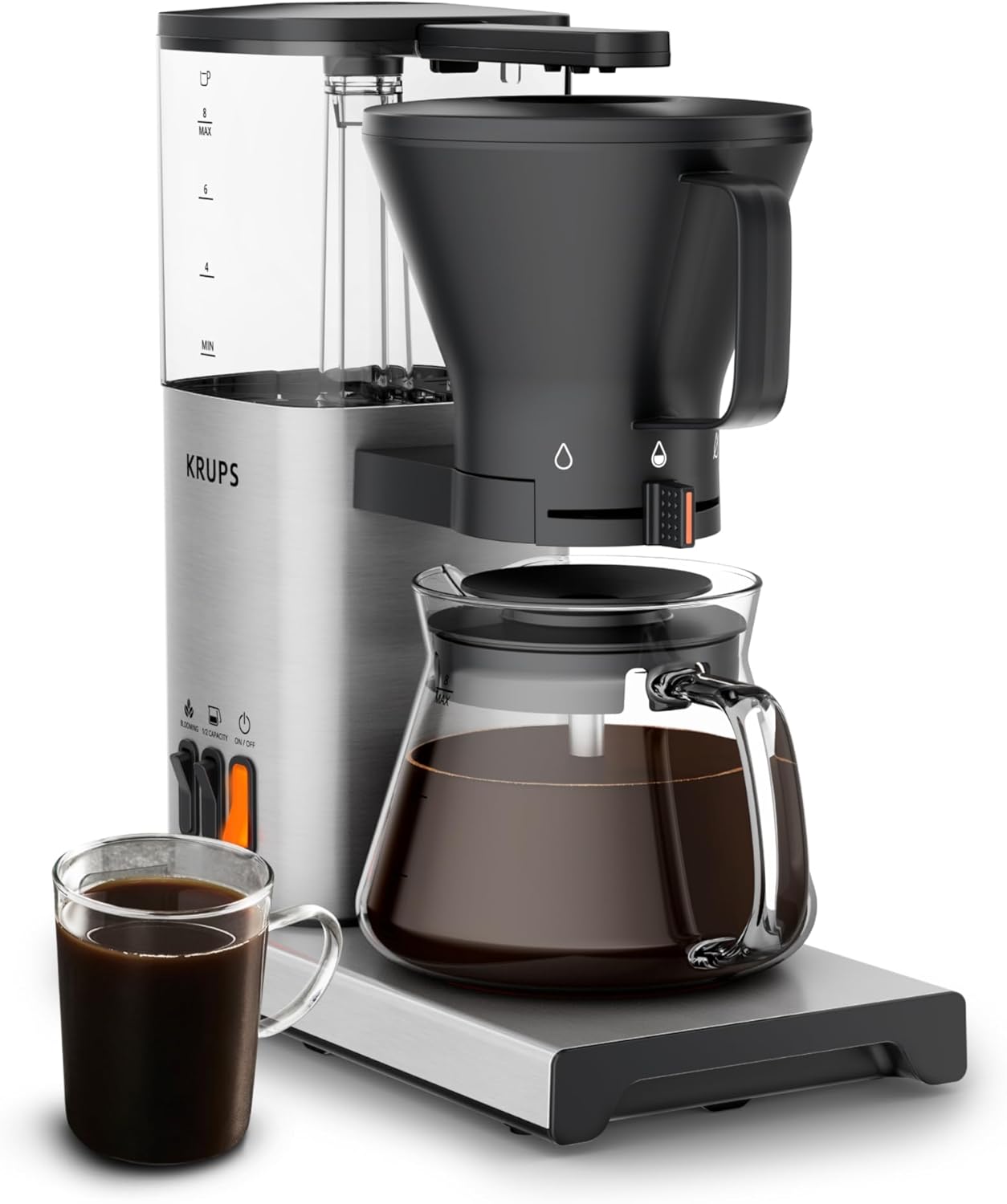
    KRUPS Essential Brewer 8-Cup Drip Coffee Maker | SCA certified

    These machines are designed to meet the highest industry standards, which means they consistently deliver rich, balanced, and flavorful coffee every time.

    From compact 8-cup models to advanced brewers that serve a full house, these certified machines take the guesswork out of making great coffee. You’re not just getting convenience—you’re getting craftsmanship in every cup.

    Want to dive deeper into what makes a brewer SCA Certified? Check out the full list of approved machines from the Specialty Coffee Association.

    And as always, we’d love to hear from you! Got a favorite SCA Certified brewer or a question about one we mentioned? Let us know! We’re always up for a coffee chat.

    -the coffee collect.

  • AI in the Coffee World: Revolutionizing the Industry

    AI in the Coffee World: Revolutionizing the Industry

    AI in the Coffee World: Revolutionizing the Industry

    How artificial intelligence is reshaping everything from the farm to your favorite café


    There’s a new force stirring things up in the coffee world—and it’s not a new roast or brewing method. It’s artificial intelligence.

    AI is quietly transforming the coffee industry, from precision-driven farms to algorithm-enhanced espresso machines. Far from being just a flashy novelty, it’s becoming the unseen hand that helps farmers, roasters, and baristas deliver better, more sustainable coffee with remarkable consistency.

    Here’s an overview of how AI is brewing big change in the coffee industry…

    A robot arm assists a professional with a book and coffee in a modern office setup. Technology meets innovation.

    Smarter Farming with AI-Powered Precision

    Coffee farming is notoriously delicate. Crops are vulnerable to climate change, pests, and diseases that can wipe out entire harvests. Enter AI.

    Companies like Demetria are using artificial intelligence to predict bean quality before harvest. Their artificial intelligence platform uses sensors and machine learning to analyze green coffee beans—no cupping required. Farmers get real-time data about ripeness, defects, and flavor potential, helping them make better decisions, generate consistent outcomes, and get fairer prices.

    Another AI innovation, IBM’s AgroPad, allows coffee farmers to test soil health using AI and a smartphone—instantly providing data on nutrients and pH levels. This helps growers fine-tune their farming practices, reduce waste, and improve yields.


    Consistently Roasting to Perfection

    Roasting coffee is a mix of art and science. Slight variations in time or temperature can drastically change the flavor profile. That’s why some roasters are turning to AI to dial in the perfect roast.

    Companies like Cropster have developed AI-based roasting software that analyzes roast curves, predicts bean behavior, and even suggests adjustments in real-time. The result? More consistent flavor and less trial-and-error for coffee roasters.

    Some roasters are experimenting with full automation. Bellwether Coffee, for instance, created an electric ventless roaster powered by machine learning, designed to create café-quality roasts without a master roaster on-site.


    Smarter Supply Chains, Fresher Beans

    AI is also contributing in part by optimizing the entire journey of your beans. By using predictive algorithms, AI can streamline logistics, anticipate demand, and reduce waste across the supply chain.

    Take Connecterra, an AI startup originally built for dairy farms but now expanding into coffee. Their system uses machine learning to monitor operations and predict outcomes, helping stakeholders make more sustainable decisions.

    For consumers, that means beans arrive fresher and faster, with a smaller environmental footprint.


    Best Non-Toxic (Plastic Free!) Espresso Machines | 2025


    Personalized Cups and AI-Enhanced Cafés

    Ever wonder how your favorite coffee app knows just when to suggest your go-to order? That’s AI at work too.

    Some smart coffee machines, like those developed by Briggo (now part of Coca-Cola’s Costa Coffee), use machine learning to remember preferences and deliver perfectly personalized drinks. AI also helps with staffing predictions, ordering trends, and even café layouts.

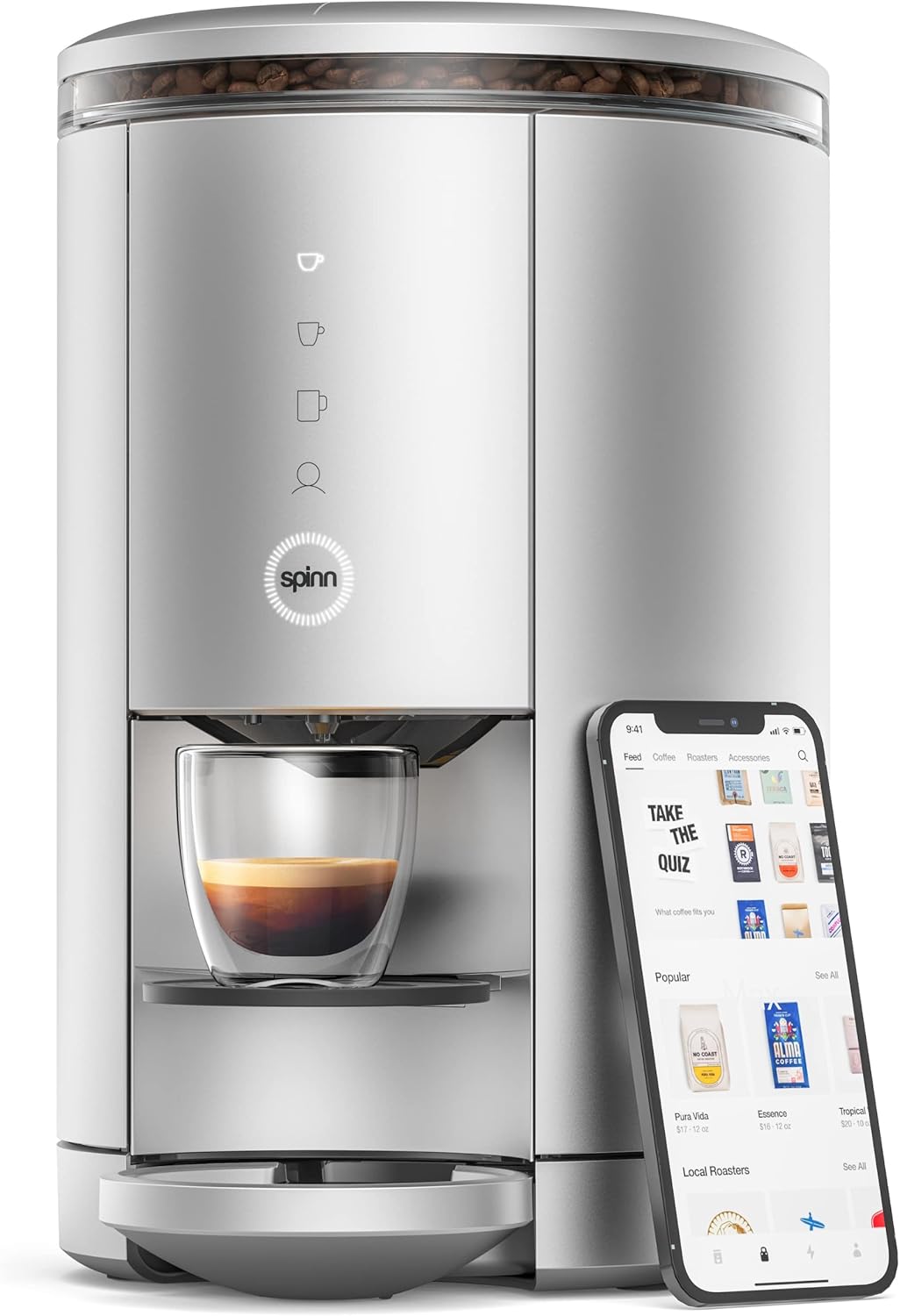
    And for those experimenting at home, AI apps like Spinn use sensors and machine learning to guide users through brewing with near-barista precision. You can even try it yourself with the Spinn Espresso & Coffee Machine—a WiFi-enabled device that makes espresso, cold brew, and more with smart app controls.

    Prefer a machine that plays nicely with your smart home? The Hamilton Beach Works with Alexa Smart Coffee Maker lets you start brewing with voice commands for the ultimate hands-free experience.

    Or go high-end with the beautifully designed Fellow Aiden Precision Drip Coffee Maker—perfect for those who appreciate both form and function.

    spinn espresso and coffee machine

    Real-Life Cafés Using AI Today

    • Artly Coffee: Robotic baristas use AI to make consistently perfect drinks. Operating in multiple locations in the Pacific Northwest.
    • Crown Coffee (Singapore): Features “Ella,” an autonomous robot barista using Intel’s AI tech for precision brewing.
    • Starbucks (Global): Uses “Deep Brew” to personalize recommendations, optimize supply chains, and manage store workflows.
    • Preface Coffee (Hong Kong): AI-generated coffee experiences with storytelling and personalized drink suggestions.

    What This Means for the Future of Coffee

    At The Coffee Collect, we’re always curious about how technology intersects with culture and tradition. While AI might sound futuristic (and even a bit intimidating), its role in the coffee world is stirring up some important conversations (important conversations that you should have while drinking coffee, of course😉).

    Yes, AI can help your barista make a more consistent pour-over or assist farmers in making smarter, more sustainable decisions. But what happens when machines start replacing human interactions at the café counter? Robot baristas like those at Artly Coffee or Crown Coffee can craft the perfect latte, but they can’t ask how your day is going or remember “the usual” of their regular customers.

    There’s a growing conversation in the coffee community, as well as the whole world, about balancing innovation with the human element. Can we embrace AI for its benefits without losing the warm, communal spirit that cafés are built on?

    At its best, AI empowers people in the coffee industry—it doesn’t replace them. It’s a tool to enhance our craft, not erase our connection. And isn’t that what great coffee is all about? Connection. Community. Innovation. Discovery.


    Let’s Chat Over Coffee

    Have you come across any AI-powered coffee gear or cafés? Would you try a robot-made cappuccino? Or do you believe some things should always stay human?

    AI is a currently one of the most highly discussed topics and we’d love to hear what you think!

    -the coffee collect.


  • Best Non-Toxic (Plastic Free!) Espresso Machines | (2026 Update)

    Best Non-Toxic (Plastic Free!) Espresso Machines | (2026 Update)

    okay, so this post has been one of the most-read things on the coffee collect, which tells me a lot of you are asking the same question I was: can you make espresso at home without hot water running through plastic?

    the answer is yes, but it asks a little more of you. and I think that is kind of the point.

    nearly every espresso machine, even the best ones, uses a few food-safe silicone or rubber seals. so here is the standard I used for this update: metal (or glass) everywhere the water flows, except for those seals. machines that meet it are on the main list. machines that come close are in their own section, so you can decide for yourself.

    quick heads up: most of these will not look like the shiny push-button machines all over instagram. those usually hide plastic water tanks and tubing inside. the truly plastic-free options are mostly manual. you heat the water, you pull the shot, you rinse the parts by hand. it is slower. it is also the part people end up loving. if you already read labels, swapped your containers for glass, or make your syrups from scratch, you know this trade already: a little extra effort for something you actually feel good about.

    I also took several machines off since the last version, either because they were discontinued or because, when I looked closer, they did not actually meet the standard. you deserve a list you can trust.


    why go plastic-free?

    for a lot of us, it comes down to peace of mind. hot water running through plastic every single morning is something many people would simply rather avoid, especially when metal options exist. metal parts also tend to last longer, and a machine you keep for decades means less waste. and some people say they can taste the difference.


      Best Home Espresso Machines Under $500 | 2025


      the main list: plastic-free brew path

      1. flair 49 pro (best for beginners going plastic-free)

      a fully manual lever espresso maker, and flair redesigned it specifically to remove all plastic from the brew path. it comes with two baskets: a pressurized one that is forgiving while you learn (or if you use pre-ground coffee), and a bottomless one for when you are ready to level up. it also has a built-in pressure gauge, so you can see what is happening during each shot.

      • made of: stainless steel brew path, aluminum frame, and a redwood handle
      • good to know: you will need hot water from a kettle, and a burr grinder once you move to the bottomless basket.

      2. la pavoni europiccola

      a beautiful italian lever machine that has been around for decades. it plugs in and heats its own water, and the water tank is the boiler, so your water only touches metal on its way to your cup, plus a rubber gasket.

      • made of: chrome-plated brass and metal
      • heads up: this is not the easiest machine for beginners. it has a real learning curve, which can be fun, just be patient with yourself and expect a few sour or bitter shots while you experiment and figure it out.

      3. bincoo s3

      a heavy, dual-lever manual espresso maker with a pressure gauge and a full 58mm portafilter, the same size cafés use. bincoo says it has no plastic parts at all. it is newer, so I have not found independent reviews of it yet, and its listings describe the build as aluminum in one place and stainless steel in another. if materials matter most to you, check the listing before you buy.


      The Best Burr Coffee Grinders


      close, but not perfect

      the bialetti moka pot (espresso-style, not true espresso)

      okay, honesty moment:

      a moka pot makes strong espresso-style coffee, not real espresso. but it costs a fraction of the price of everything above, and there is a reason I see people all over instagram using one to make their daily coffee. it’s simple, it’s cute, it sits right on your stove, and there is no plastic in the brew path. there is a rubber gasket inside, and the handle and knob never touch your coffee.


      how to choose

      • new to espresso? start with the flair 49 pro.
      • want a classic that lasts for decades? go for the la pavoni, and be patient with it.
      • ready to level up with a café-size portafilter? look at the bincoo s3, knowing it is newer and less proven.
      • stay simple & within the budget? try the bialetti moka pot
      • whatever you choose, a good burr grinder matters more than almost anything else!

      a plastic-free espresso setup is not the fast way to make coffee. it is the intentional way. a few extra minutes rinsing a brew head, a little patience pulling the shot, and a morning that starts on purpose instead of in a rush. if you ask me, that is worth it.

      do you own one of these, or are you saving up for one? tell me in the comments. I would love to know what is on your counter.

      -the coffee collect.
      “God saw everything that he had made, and indeed, it was very good.” Genesis 1:31

    • The History of Espresso: Invention to Icon

      The History of Espresso: Invention to Icon

      The History of Espresso: Invention to Icon

      From the lively cafés of Italy to modern specialty coffee shops around the world, espresso has shaped the way we experience coffee. But how did this concentrated shot of caffeine rise to such iconic status? Its history is filled with innovation, passion, and a constant push for the perfect brew. Let’s take a journey through the origins of espresso and uncover how it became the heart of modern coffee culture.


      The Birth of Espresso: Late 19th to Early 20th Century

      Italy has long been at the forefront of coffee culture, and espresso was born out of a desire for efficiency without compromising flavor. In the late 19th century, traditional brewing methods were slow, making it difficult for cafés to serve customers quickly. This demand for speed led to groundbreaking innovation—because let’s be honest, who likes waiting too long for their coffee?


      1884: Angelo Moriondo’s First Espresso Machine

      The first known patent for an espresso machine was granted in 1884 to Angelo Moriondo of Turin, Italy. His steam-powered machine was designed to brew coffee faster than traditional methods. While Moriondo’s invention never saw mass production, it planted the seed for what would become the espresso revolution.

      graphic of angelo moriondo's espresso machine

      1901: Luigi Bezzera and the Birth of Modern Espresso

      Fast forward a few years, and along comes Luigi Bezzera, a Milanese engineer with a need for speed. He took Moriondo’s concept and gave it a serious upgrade. His design forced hot water through coffee grounds under pressure, resulting in a concentrated, bold shot of coffee—what we now recognize as espresso. Unfortunately, Bezzera’s genius in engineering didn’t extend to marketing, so his invention needed a little help reaching the masses…


      1903-1905: Desiderio Pavoni Brings Espresso to the Masses

      Enter Desiderio Pavoni, a businessman with an eye for opportunity. He purchased Bezzera’s patents and turned the espresso machine into a commercial success. In 1905, he founded La Pavoni, producing machines that soon became staples in Italian cafés. The espresso culture we know and love today was officially brewing.

      vintage la pavoni espresso machine


      The Evolution of Espresso: Mid-20th Century Innovations

      As espresso gained popularity, so did the demand for a smoother, less bitter shot. The early machines were revolutionary but still had their flaws. The next wave of innovation would take espresso from good to great.


      1938: Achille Gaggia and the Birth of Crema

      Enter Achille Gaggia, a man on a mission to elevate espresso. In 1938, he introduced a lever-operated machine that used high pressure (instead of steam) to extract coffee. This breakthrough marked a turning point in the history of espresso, producing a richer, smoother shot with a golden layer of crema on top. That velvety crema wasn’t just a pretty touch—it became the signature of a well-pulled espresso and a defining feature of modern espresso brewing.


      1961: The Rise of Pump-Driven Espresso Machines

      Just when espresso couldn’t get any better, along came the pump-driven espresso machine. In 1961, Faema changed the game with the E61 model, which used an electric pump to ensure consistent water pressure. This advancement made espresso brewing more reliable, more efficient, and ultimately, more delicious. It set the standard for modern espresso machines, paving the way for coffee perfection.


      The History of Espresso: From Italian Tradition to Global Icon

      By the mid-20th century, espresso had taken over Italy—and it wasn’t stopping there. Italian immigrants carried their love for espresso across the world, introducing this small but mighty shot to new audiences. Soon, it wasn’t just an Italian tradition; it was a global sensation.


      1980s-1990s: The Specialty Coffee Movement

      As coffee culture evolved, so did espresso’s role in it. The 1980s and 1990s saw the rise of specialty coffee, with a focus on high-quality beans and better brewing techniques. Espresso became the backbone of trendy drinks like lattes, cappuccinos, and macchiatos. Big-name coffeehouse chains—yes, looking at you, Starbucks—helped bring espresso to the mainstream, turning it into a daily ritual for millions.


      The Third Wave Coffee Movement and Espresso Innovation

      Just when it seemed espresso had reached its peak, the third wave coffee movement came along to refine it even further. Today, baristas use cutting-edge technology, pressure profiling, and ethically sourced beans to craft the perfect shot. Espresso is no longer just a drink—it’s an art form, a science, and a worldwide passion.


      The Rise of Home Espresso

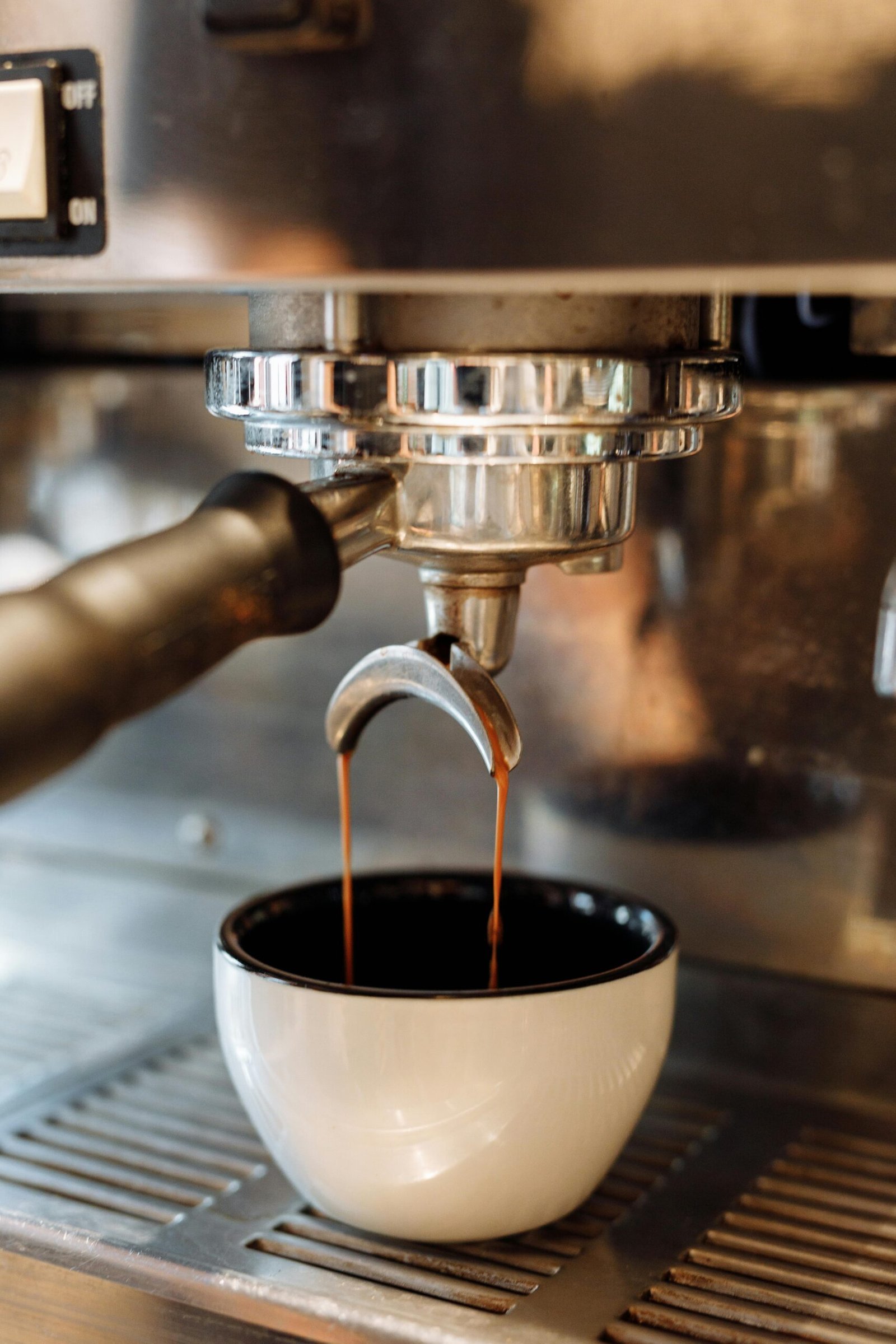
      While espresso was once the domain of cafés and baristas, the last couple of decades have seen a major shift—espresso has moved into the home. The rise of home espresso machines has given coffee lovers the ability to pull their own shots, experiment with latte art, and perfect their brewing skills from the comfort of their kitchens. From entry-level pod machines to high-end, fully manual espresso setups, coffee enthusiasts now have endless options for crafting café-quality espresso at home. Brands like Breville, De’Longhi, and La Marzocco have fueled this trend, making high-quality espresso more accessible than ever. So, what about you? Do you have a home espresso setup, or are you thinking about taking the plunge into home brewing? Check out our list below on the Best Home Espresso Machines for Under $500!


      BEST HOME ESPRESSO MACHINES UNDER $500 | 2025


      From its humble beginnings in Italy to its status as a global coffee staple, espresso has come a long way. It has been shaped by generations of innovators, from Moriondo’s early steam machines to Gaggia’s crema revolution and the modern specialty coffee movement. Every shot of espresso carries this rich history—one of craftsmanship, passion, and a shared love for coffee.

      One thing’s for sure: espresso isn’t going anywhere.

      How do you like your espresso? Let us know!

      Follow us on Instagram @the.coffee.collect to join the coffee community!

      -the coffee collect.

    • St. Patrick’s Day Coffee Recipes

      St. Patrick’s Day Coffee Recipes

      St. Patrick’s Day Coffee Recipes

      St. Patrick’s Day is a time to gather with friends, embrace Irish traditions, and, of course, enjoy a delicious Irish coffee! Whether you love the classic combination of bold coffee, smooth whiskey, and creamy sweetness or want to try a creative twist, these St. Patrick’s Day coffee recipes will bring warmth and cheer to your celebration. Get ready to sip, savor, and raise a festive toast to the luck of the Irish!


      St. Patrick’s Day Coffee Station

      Bring the festive spirit of St. Patrick’s Day into your coffee bar, or Clover Café as we like to call it! We made a fun collection of themed mugs, decorations, and accessories that are essential for every St. Patrick’s Day coffee bar!

      • “Clover Café, Leprechauns Welcome” cute coffee bar sign | click HERE
      • Shamrock paper cups | click HERE
      • St. Patrick’s Day Irish Cream Coffee Beans (a great purchase for the recipes below!) | click HERE
      • Irish Cream Gourmet Coffee Blend – Crafted in Door County, Wisconsin (also great for the recipes below!) | click HERE
      • Festive St. Patrick’s Day Mug Set | click HERE
      • Shamrock Napkins | click HERE
      • Shamrock Stir Sticks | click HERE
      • Green Shamrock Sprinkles for Garnish | click HERE
      • Irish Cream Coffee Syrup | click HERE

      With these fun additions, your coffee station will be ready for festive St. Patrick’s Day parties!

      Now on to the delicious recipes that are bound to make you lucky…

      Clover Cafe sign for coffee bar

      1. Classic Irish Coffee

      Ingredients:

      • 1 cup hot brewed coffee or 2 shots of espresso
      • 1 1/2 oz Irish whiskey
      • 1 tsp brown sugar
      • Heavy cream, lightly whipped

      Instructions:

      • Brew a strong cup of coffee or your espresso and pour it into a warm mug.
      • Stir in the brown sugar until dissolved.
      • Add the Irish whiskey and stir gently.
      • Slowly pour the lightly whipped cream over the back of a spoon to float on top.

      Enjoy the rich flavors by sipping the coffee through the cream!

      A sign that says "Whiskey in your coffee because it's Ireland somewhere"

      2. Irish Cream Coffee

      Ingredients:

      • 1 cup hot brewed coffee or 2 shots of espresso
      • 1 oz Irish whiskey
      • 1 oz Baileys Irish Cream
      • Whipped cream for topping

      Instructions:

      1. Pour the hot coffee into a mug.
      2. Stir in the whiskey and Baileys Irish Cream.
      3. Top with a generous dollop of whipped cream.
      4. Optional: Garnish with a dusting of chocolate shavings or shamrock sprinkles for extra indulgence.

      Click Here to Read: 10 Unique Flavored Coffees to Try in 2025


      3. Minty Shamrock Irish Coffee

      Ingredients:

      • Green sprinkles or mint leaves for garnish
      • 1 cup hot brewed coffee or 2 shots of espresso
      • 1 oz Irish whiskey
      • 1/2 oz Crème de Menthe
      • 1 tsp brown sugar
      • Whipped cream

      Instructions:

      1. Brew your coffee and pour it into a mug.
      2. Stir in the brown sugar until dissolved.
      3. Add the whiskey and Crème de Menthe, stirring gently.
      4. Top with whipped cream and garnish with green sprinkles or a fresh mint leaf for a festive touch.
      Festive St. Patrick's Day mug with whipped cream and shamrock cookies on a green plate, perfect for themed celebrations.

      4. Irish Honey Cinnamon Coffee

      Ingredients:

      • 1 cup hot brewed coffee
      • 1 1/2 oz Irish whiskey
      • 1 tbsp honey
      • 1/4 tsp cinnamon
      • Whipped cream for topping
      • Cinnamon stick for garnish

      Instructions:

      1. Brew a strong cup of coffee and pour it into a mug.
      2. Stir in the honey and cinnamon until well combined.
      3. Add the Irish whiskey and stir gently.
      4. Top with whipped cream and garnish with a cinnamon stick.
      5. Enjoy the warm and spiced flavors for a cozy St. Patrick’s Day treat!

      5. St. Paddy’s Espresso Martini

      Ingredients:

      Instructions:

      1. Fill a cocktail shaker with ice and add the espresso, whiskey, coffee liqueur, and simple syrup.
      2. Shake well until chilled.
      3. Strain into a martini glass.
      4. Garnish with three coffee beans for an elegant finish.

      6. Lucky Charms Latte

      Ingredients:

      Instructions:

      1. Brew your espresso or strong coffee and set aside.
      2. Heat the milk until warm and frothy.
      3. Stir in the syrup.
      4. Pour the espresso or coffee into a mug and add the steamed milk.
      5. Top with whipped cream and sprinkle Lucky Charms cereal on top for a fun and festive touch!

      Celebrate St. Patrick’s Day!

      No matter how you choose to celebrate, these Irish coffee recipes will bring warmth and festivity to your St. Patrick’s Day. Raise your mug, toast to good times, and enjoy the luck of the Irish!

      We would love to see your festive coffee stations and drinks! Tag us on Instagram @the.coffee.collect to share with the coffee community!

      -the coffee collect.

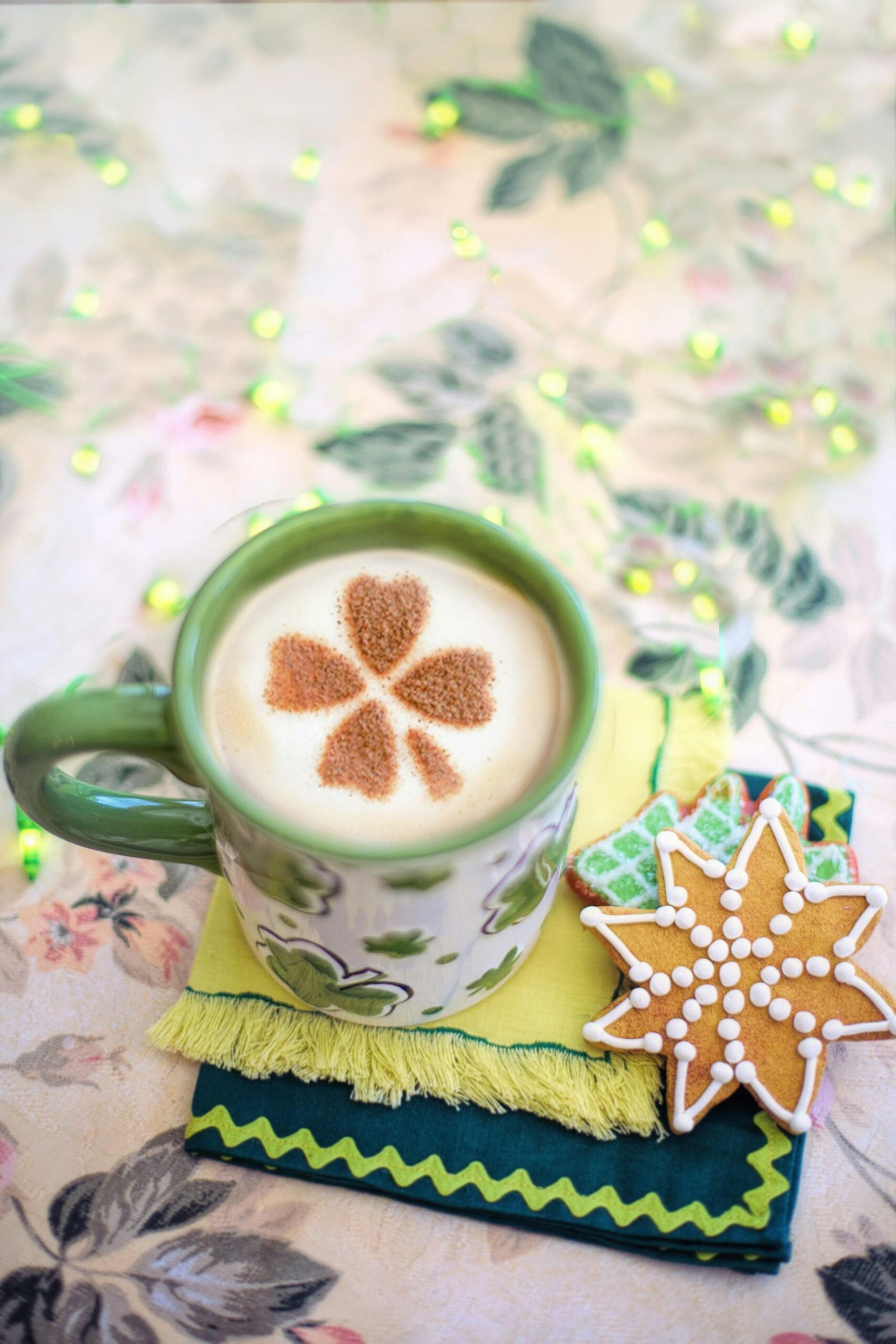
      Top-down view of a festive shamrock latte art in a green mug with a decorative cookie.

      “Let us walk in the light of Christ, for His love will guide us.”

      -St. Patrick
    • How to Read a Coffee Label: Origin, Roast, and More

      How to Read a Coffee Label: Origin, Roast, and More

      How to Read a Coffee Label: Origin, Roast, and More

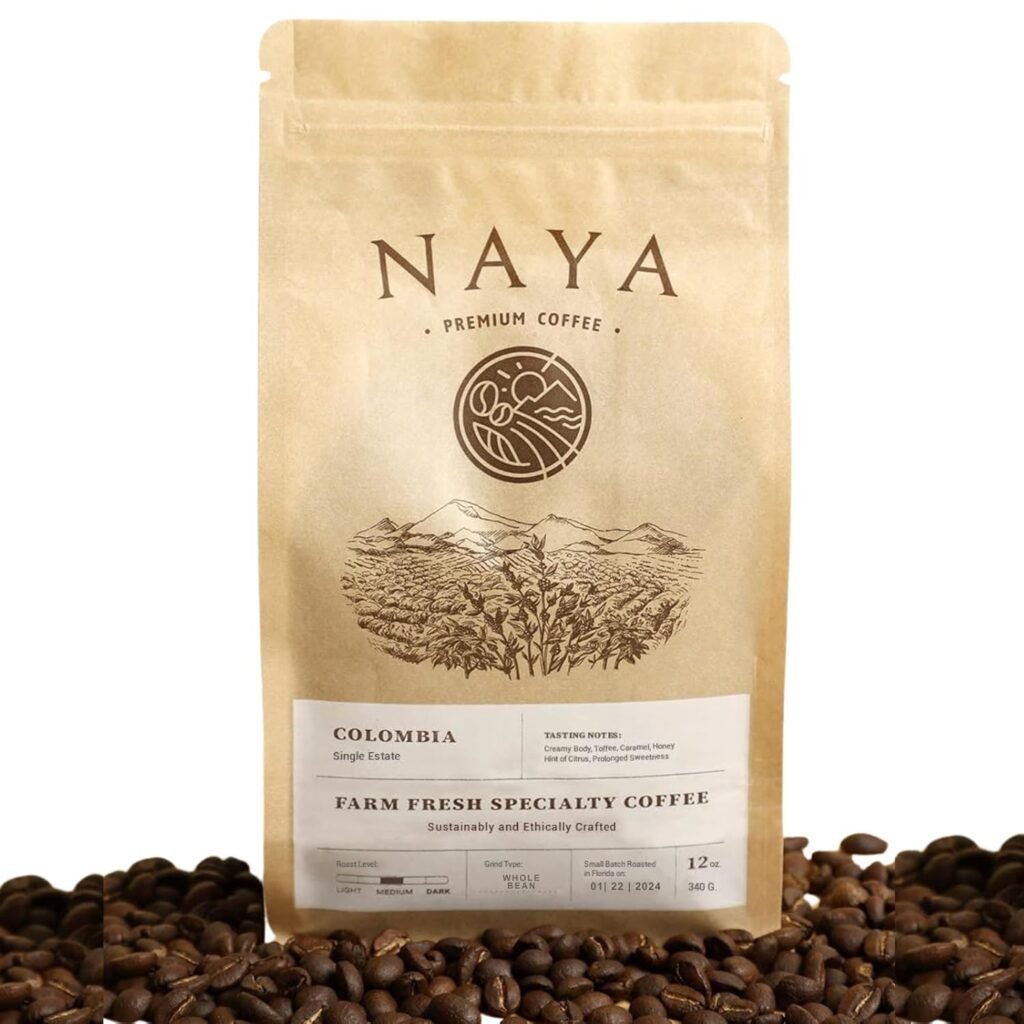
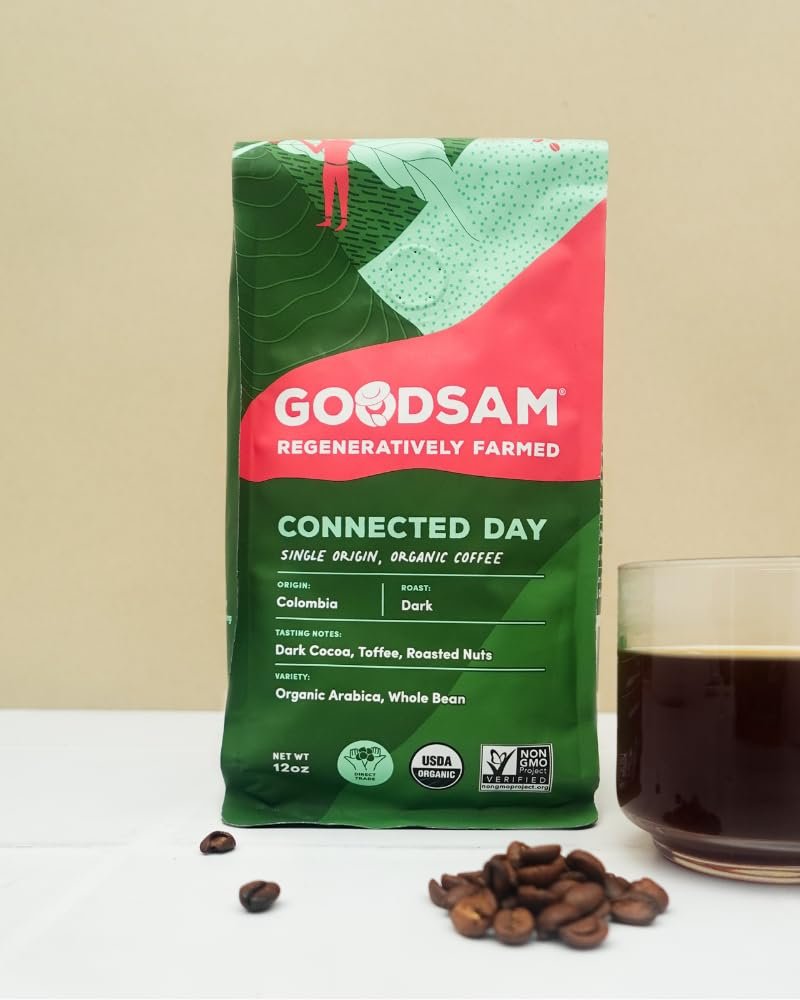
      Learning how to interpret a coffee label ensures you choose a coffee that aligns with your taste preferences and brewing style. A well-detailed label should tell the story behind the coffee and provide insight into the coffee’s flavor profile, origin, processing method, and more. Here’s what you need to know…


      Coffee Origin

      The origin of the coffee significantly impacts its flavor. Labels often indicate the country, region, and even the specific farm where the beans were grown. Coffee roasters will source their coffee from specific origins in order to create blends with specific tastes. Sometimes coffee blends are made up of a compilation of coffee from different origins, in order to create a balanced flavor. Or there are single-origin coffees which highlight the characteristics of a specific region.

      Almost all coffee beans originate from countries in the Coffee Bean Belt, which lies in between the Topic of Cancer and Capricorn. Here are some of the most common origins and what they might mean when it comes to taste:

      • Ethiopia – Fruity, floral, tea-like qualities
      • Colombia – Balanced, nutty, with caramel sweetness
      • Brazil – Chocolatey, nutty, low acidity
      • Kenya – Bright acidity, berry and citrus notes
      • Sumatra – Earthy, full-bodied, low acidity

      Roast Level On a Coffee Label

      A coffee’s “roast level” refers to how long the coffee beans were roasted, which in turn communicates the flavor profile of the coffee. Roast level should always be displayed on a coffee label as it plays a crucial role in the coffee’s taste and aroma. Understanding what the different roast levels mean will guide you to picking the right one according to your flavor profile. Here’s a quick guide:

      • Light Roast – A light roast has a light brown flavor, and the beans appear dry. The flavor profile retains more acidity, fruitiness, and origin flavors.
      • Medium Roast – Medium roasts are a medium brown and may appear dry or slightly oily. The flavor profile has a balanced sweetness, acidity, and body.
      • Dark Roast – Dark roasts appear dark brown to black with oily surfaces. They usually have a bold, smoky, chocolatey, and all-around deeper flavor profile.

      Processing Method

      The way coffee is processed after harvest affects its final taste. Processing methods vary based on factors such as climate and end objectives, and each method creates a unique flavor. Here are some common methods that might be on the coffee label and a simple rundown on what they communicate:

      • Washed (Wet Process) – Beans are fermented and washed to remove fruit before drying | Clean, bright flavors with high clarity
      • Natural (Dry Process) – Whole cherries are dried with the fruit still intact, then hulled | Fruity, sweet, heavier body
      • Honey Process – Some fruit pulp is left on the bean while drying, giving a sticky, honey-like texture | Balanced sweetness, moderate acidity, syrupy body

      Elevation

      Coffee labels sometimes list the elevation at which the beans were grown. The highest altitudes reach around 5,000 ft / 1,500 m and the lowest are around 2,000 ft / 600 m. Generally, the higher the altitude, the slower the coffee cherry matures, leading to denser beans with more complex flavors and acidity. Lower elevations produce heavier-bodied, milder coffees. If you love bright, fruity flavors, go for high-altitude coffee. If you prefer rich, chocolatey notes, try lower-grown beans


      Coffee Grind Size Guide


      Roast Date & Freshness

      Always look for the roast date instead of an expiration date on a coffee label. Freshly roasted coffee (within 2–4 weeks of roasting) delivers the best flavors. However, allowing coffee to rest for a few days post-roast can improve extraction and balance.


      Certifications & Ethical Sourcing

      Coffee labels may include certifications like:

      • Organic – Grown without synthetic pesticides or fertilizers.
      • Fair Trade – Supports fair wages and ethical farming practices.
      • Rainforest Alliance – Promotes sustainability and environmental conservation.
      • Direct Trade – A relationship-focused approach where roasters buy directly from farmers.

      These indicate sustainable and ethical sourcing practices and, while not a direct indicator of quality, these certifications align with responsible coffee lover choices.

      Flavor Notes

      Flavor notes (e.g., “chocolate, citrus, caramel”) describe the perceived flavors, not added ingredients. They give an idea of what to expect but don’t indicate artificial flavoring.


      The next time you pick up a bag of coffee beans, take a moment to decode the label and learn the story behind it all!

      Tag us on Instagram @the.coffee.collect to share your favorite coffee roasts and blends with the coffee community!

      -the coffee collect.