Category: coffee culture

history, industry, & trends

  • Aerocano | A Tasty Twist on Your Favorite Coffee Drink

    Aerocano | A Tasty Twist on Your Favorite Coffee Drink

    Say hello to the Aerocano—the buzzy new coffee trend that’s winning over baristas, home brewers, and coffee lovers everywhere. It’s smooth. It’s refreshing. It’s unlike anything you’ve sipped before. And it’s about to be your new favorite order.


    What Exactly Is an Aerocano?

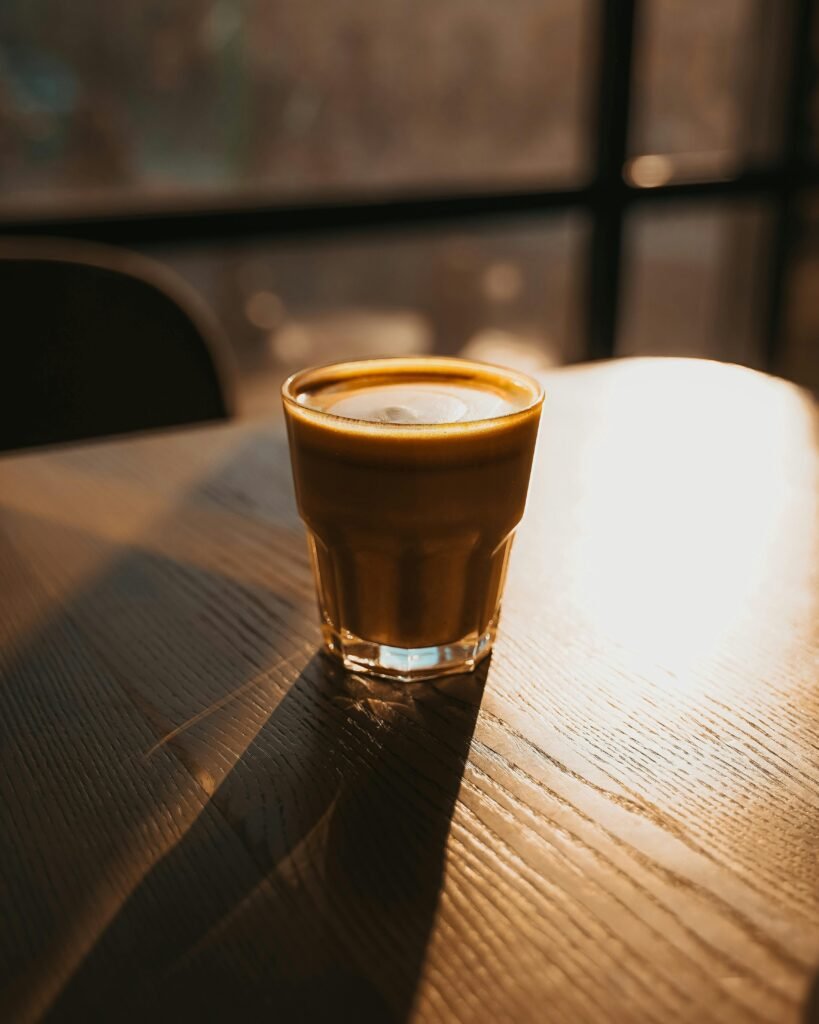
    Forget your standard Americano. The Aerocano takes espresso to the next level. Instead of watering it down or topping it with milk, you toss ice cubes straight into a steaming pitcher with fresh espresso and a splash of water and then steam the two together. The result? A drink that’s cold yet creamy, foamy on top, and bursting with flavor. It’s kinda the sweet spot between a nitro coffee and iced americano.
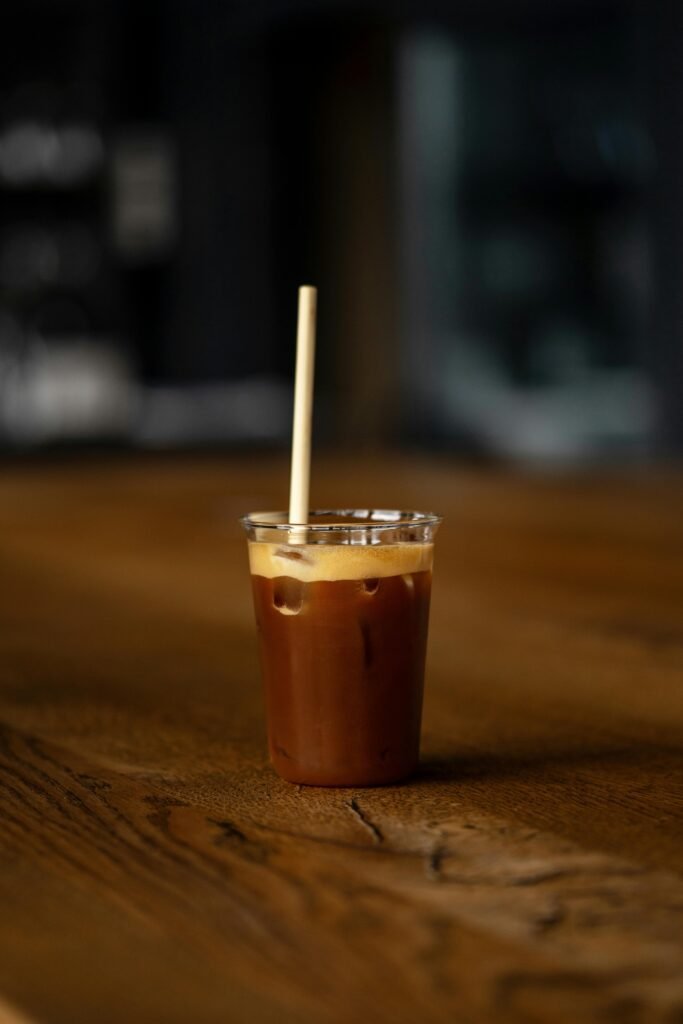
    An inviting iced coffee in a clear cup on a wooden table, indoors.

    Why Everyone’s Obsessed with the Aerocano

    The Aerocano is the perfect party of taste, texture, and Instagram-worthy vibes. Here’s why people can’t stop talking about it:

    • Silky-smooth texture – The steam wand aerates the espresso while cooling it, giving you that frothy, velvety sip.
    • Cool without compromise – You get the chill of iced coffee without the watered-down taste.
    • Fun to make – Tossing ice in the steaming pitcher feels a little rebellious…and totally satisfying. It’s also a reminder that coffee is an art, and experimenting with new methods is part of the creative joy that we find all over the coffee industry 🙂
    • Picture-perfect – That foamy top with a dark, rich base makes the Aerocano a star on your feed.
    • Milk free — It’s another great cup of coffee that doesn’t require any sort of milk or milk alternative

    How to Make an Aerocano at Home

    Want to join the trend without leaving your kitchen? Here’s how:

    What You’ll Need:

    • An espresso machine with a steaming wand (we love and recommend the Breville Barista Express for its quality and ease of use)
    • 2 shots of freshly brewed espresso
    • 3–4 regular ice cubes (as well as a few ice cubes to pour the drink over when done steaming)
    • Milk frothing pitcher

    Step-by-Step:

    1. Brew your espresso and pour it into a milk frothing pitcher.
    2. Drop in 3–4 ice cubes—don’t worry, they won’t ruin it.
    3. Add just a splash of water to the pitcher
    4. Place your steam wand into the pitcher and steam just like you would milk. (aerate for a few seconds and then create a vortex) The ice cools it while creating that signature frothy texture.
    5. Stop steaming as soon as you notice the ice cubes have melted
    6. Pour over ice into a glass, admire the layers and creamy top, and take that first glorious sip.

    Black Ivory Coffee: The World’s Rarest (and Weirdest) Brew


    Barista Tips for the Best Aerocano

    • Pick the right beans – Medium roast beans are a great place to start since they bring out a balanced, slightly sweet flavor that shines when chilled. But don’t limit yourself—experiment with light or dark roasts too and discover which flavors you love best in an Aerocano.
    • Steam correctly – You’re aiming for chilled and foamy, not melted ice soup. Make sure you aerate the espresso ice mixture for about 4-5 seconds in order to result in a smooth and foamy drink.
    • Get creative – A splash of vanilla, caramel, or even a citrus twist can add a whole new dimension. Coffee is an art; be an artist.
    • Make it creamy – Adding a splash of cream, milk, or milk alternative can bring this drink to a whole other level.

    The Aerocano isn’t just a passing TikTok trend. I think this one might find a permanent spot on coffee shop menus across the world. With its bold flavor, cool body, and velvety texture, this drink is made for anyone who wants more fun in their daily coffee routine.

    So next time you’re staring down your espresso machine, toss in some ice, grab that steam wand, and whip up an Aerocano.

    – the coffee collect.
  • What Is Blonde Espresso? A Simple Explanation

    What Is Blonde Espresso? A Simple Explanation

    Have you ever spotted “blonde espresso” on a café menu and thought, Wait… is this coffee trying to go platinum blonde? Jokes aside, it does sound a little mysterious. Does it taste different? Does it have less caffeine? Is it just another trendy buzzword? The good news is that blonde espresso is less complicated than it sounds—it’s simply a fun twist on the espresso you already know and love. Let’s break it down so you’ll feel like the most informed coffee friend in the group chat.

    First things first: espresso describes a brewing method—high-pressure, quick extraction—but it’s still coffee. All espressos are coffee, but not all coffee is espresso. Meanwhile, “blonde” refers to the roast level of the beans used—not a special category but usually a lighter, golden‑brown roast with brighter, sweeter flavor.


    Roast Categories & Why They Matter

    Here are the four most-common roast categories:

    • Light roast – the bubbly extrovert; golden brown, bright, and acidic.
    • Medium roast – the balanced friend; steady, approachable, easy to love.
    • Medium-dark roast – the one with a little sass; deeper color, fuller body, bold.
    • Dark roast – the mysterious one in the corner; shiny, smoky, and strong.

    Blonde espresso is espresso made from the lighter‑roast personality. That means instead of the brooding, smoky flavor of dark espresso, you get something smoother, sweeter, and a little more playful.

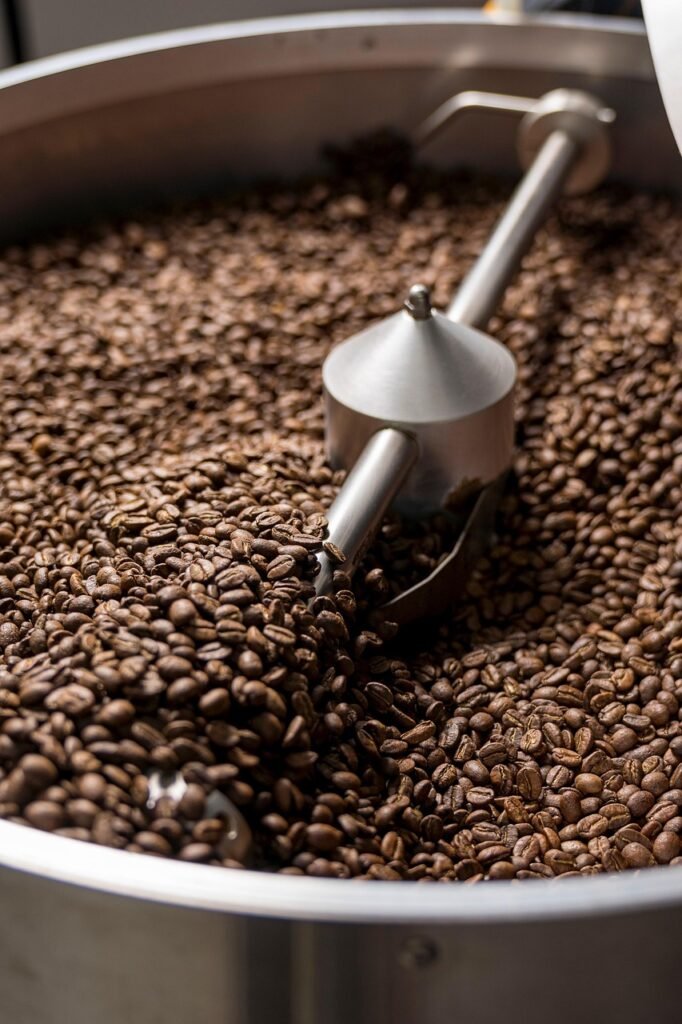
    coffee, coffee roasting, coffee roaster, roasted coffee, coffee beans, coffee roasting machine, process, closeup, coffee, coffee, coffee, coffee, coffee, coffee roasting, coffee roasting, coffee roaster, coffee beans, coffee beans, coffee beans

    So, What Is Blonde Espresso… Really?

    In simple terms: a blonde espresso is a marketing label for espresso pulled from lightly roasted beans. It’s not a new brewing method—just a different roast profile that gives you a brighter, slightly sweeter experience.


    Where, Why, and When Did Blonde Espresso Become Popular?

    Blonde espresso hit the big stage in the late 2010s when Starbucks introduced it as a gentler, smoother option for everyday drinkers. The timing was perfect: coffee culture was shifting toward lighter roasts, highlighting more of the bean’s natural flavors. Suddenly, those who thought espresso was “too strong” had a friendlier entry point, and blonde espresso became the star of iced lattes everywhere.


    Brewing at Home: How to Make Blonde Espresso

    Brewing a blonde espresso at home isn’t rocket science—it’s just as simple (and fun!) as brewing regular espresso:

    A cozy cappuccino glows in the warm sunset light on a wooden table, inviting relaxation.

    Take Note

    Don’t let the word “light” fool you—light roasts often have more caffeine than dark roasts. So blonde espresso is smooth in flavor but mighty in energy. Your morning wake‑up call just got an upgrade.


    Quick Comparison

    FeatureBlonde Espresso (Light Roast)Traditional Espresso (Dark Roast)
    Flavor ProfileBright, smooth, subtly sweetBold, smoky, rich and often more bitter
    Caffeine ContentOften slightly higherSlightly lower
    Aroma & AcidityMore origin flavor, higher acidityDeep, roast-forward, lower acidity

    Blonde espresso isn’t some secret, intimidating coffee code. It’s just espresso—made lighter, brighter, and a little sweeter. If you’ve been curious, now’s the perfect time to order it on your next café run or brew it at home. Who knows? It might just become your new coffee crush.

    Let us know your thoughts on blonde espresso!

    Don’t forget to follow us on Instagram @the.coffee.collect!

    -the coffee collect.
  • Black Ivory Coffee: The World’s Rarest (and Weirdest) Brew

    Black Ivory Coffee: The World’s Rarest (and Weirdest) Brew

    Black Ivory Coffee: The World’s Rarest (and Weirdest) Brew

    Coffee lovers are always chasing that next extraordinary sip—but have you ever considered trying a brew that’s been digested by elephants? No, seriously.

    Black Ivory Coffee is one of the most luxurious (and unusual) coffees in the world. Grown in Thailand and processed through the digestive systems of elephants, it’s definitely something that stirs curiosity and conversation. Today, we’re diving into what makes this coffee so rare, how it’s made, and whether it’s worth the hype.


    What Is Black Ivory Coffee?

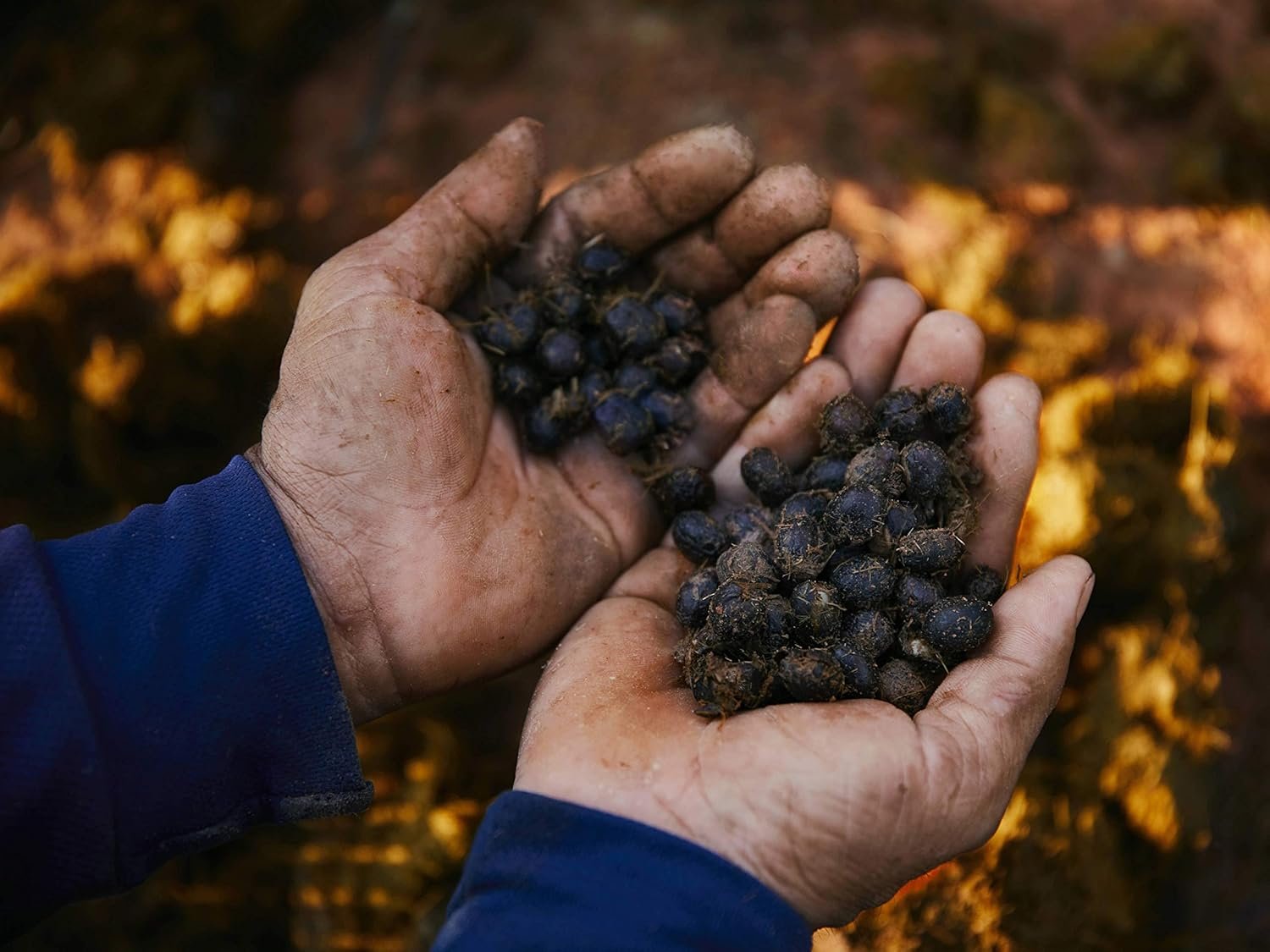
    Black Ivory Coffee is made using a unique and natural process where Thai elephants eat ripe Arabica coffee cherries. After passing through the elephant’s digestive tract, the beans are carefully collected from the dung, washed, dried in the sun, and roasted to perfection.

    Sounds wild? It is. But coffee made this way results in a flavor profile that’s incredibly smooth, low in bitterness, and rich with unique tasting notes like malt, spice, chocolate, and tamarind.

    Rescued Thai Elephant within a Sanctuary

    How Did Black Ivory Coffee Begin?

    The idea behind Black Ivory Coffee was born out of a desire to create something truly rare and meaningful—not just a novelty. It was developed by Canadian entrepreneur Blake Dinkin, who spent over a decade researching and experimenting with the concept of animal-assisted coffee fermentation before partnering with elephant sanctuaries in Thailand.

    Inspired by the unique flavor transformation that occurs during natural fermentation, Dinkin explored the possibility of using the elephant’s digestive system to break down proteins that cause bitterness in coffee. After years of trial and error, he discovered that elephants—herbivores with long, gentle digestion—could impart a remarkably smooth, complex flavor to the beans.

    In 2012, Black Ivory Coffee was officially launched, with production centered at the Golden Triangle Asian Elephant Foundation in northern Thailand. What began as a bold idea quickly turned into one of the world’s most exclusive and talked-about coffee experiences—crafted with care, sustainability, and elephant welfare at its core.


    Why Would Anyone Drink Coffee from Elephant Dung?

    It’s all about the science behind digestion. As the elephants break down the cherries, their natural enzymes reduce the bitter proteins typically found in coffee beans. This fermentation process softens the flavor, creating a smoother, more mellow cup—one that’s often described as earthy, delicate, and tea-like.

    And don’t worry: every bean is thoroughly cleaned, sun-dried, and roasted at high temperatures before it ever makes it into your cup.

    black ivory coffee

    How Much Does Black Ivory Coffee Cost?

    Here’s the catch—this coffee is rare and pricey. A single cup can cost over $50 USD, and a pound of beans can run upwards of $1,000.

    Why so expensive?

    • It takes 33 pounds of coffee cherries to make just 1 pound of Black Ivory beans.
    • Not all beans survive the digestion process.
    • The coffee is only produced in small batches each year at the Golden Triangle Asian Elephant Foundation in northern Thailand.

    This isn’t your everyday brew—it’s a once-in-a-lifetime kind of sip.


    Siphon Coffee Makers


    Is Black Ivory Coffee Ethical?

    Yes! One of the best parts about this exotic coffee is that it’s made with care—for the elephants, the environment, and the people. Black Ivory Coffee partners with ethical elephant sanctuaries, ensuring that the elephants are not forced to eat coffee cherries. The animals roam freely, and only what they choose to eat naturally is used.

    Even better: a portion of each purchase supports elephant healthcare and local education in Thailand.


    What Does It Taste Like?

    According to those lucky enough to try it, this exclusive coffee is:

    • Silky smooth
    • Low in acidity
    • Free of harsh bitterness
    • Full of intriguing tasting notes: chocolate, spice, malt, and even hints of red fruit

    It’s more like a refined experience than a caffeine hit. Think of it as the fine wine of the coffee world.


    Where to Buy Black Ivory Coffee

    Because it’s so rare, you won’t find it at your local grocery store. But it is available online through select retailers. You can also experience it in a few five-star hotels and resorts around the world.

    black ivory coffee

    Would You Try Elephant Poop Coffee?

    We know this one’s not for everyone. But if you love coffee, stories, and unforgettable experiences, Black Ivory Coffee might be worth a spot on your bucket list.

    We’d love to hear your thoughts:
    Would you try a $50 cup of coffee that came from an elephant’s digestive tract? Let us know!

    -the coffee collect.

  • Third Wave, Fourth Wave? Defining These Coffee Movements

    Third Wave, Fourth Wave? Defining These Coffee Movements

    Third Wave, Fourth Wave? Defining These Coffee Movements

    Over the years, coffee culture has transformed through multiple “waves,” each one reflecting how we grow, brew, and experience coffee. But what exactly do “Third Wave” and “Fourth Wave” mean? And how are they impacting your coffee experience?

    Whether you’re new to specialty coffee or just curious about what wave we’re riding now, here’s a simple breakdown of the coffee movements, and why they matter.


    What Are the Waves of Coffee?

    The term “waves” refers to major shifts in the coffee industry, from production to preparation to consumer experience. Each wave builds on the one before it, redefining how we value and interact with coffee.

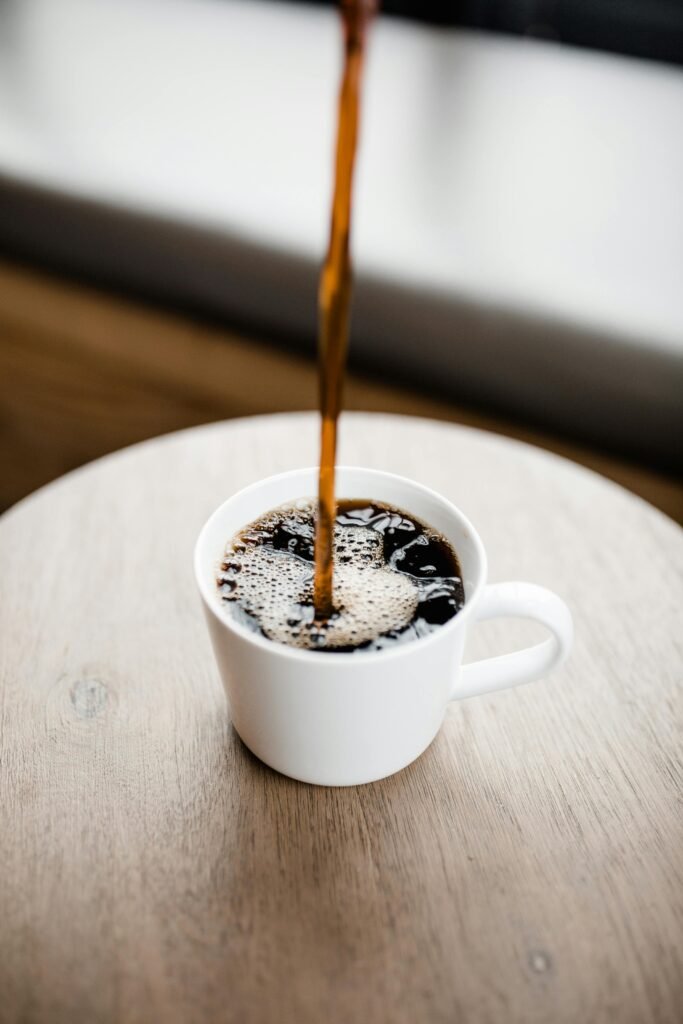
    Steaming black coffee being poured into a white ceramic mug on a wooden table.

    The First Wave: Convenience Rules (1800s–Mid-1900s)

    The First Wave was all about accessibility. This era brought us instant coffee, canned grounds, and supermarket blends. Brands like Folgers and Maxwell House became household names, making it easier than ever to brew a cup at home.

    Key characteristics:

    • Coffee as a commodity
    • Emphasis on convenience over quality
    • Mass production and distribution

    It was the era of “good to the last drop”—but not necessarily good by today’s standards (think big percolators and styrofoam cups after church on Sunday).


    The Second Wave: Coffee as an Experience (1970s–1990s)

    Enter Starbucks and the rise of the coffeehouse experience. The Second Wave shifted focus to the origins of coffee and introduced us to espresso drinks, lattes, and café culture.

    Key characteristics:

    • More attention to coffee origins (but not yet single origin)
    • Rise of coffee shops as social hubs
    • Barista-crafted beverages and espresso machines

    This wave gave us a taste of what coffee could be—flavorful, social, and elevated beyond your kitchen counter.


    The Third Wave: Coffee as a Craft (Early 2000s–Present)

    The Third Wave is where coffee becomes an art form. Think: single-origin beans, direct trade, pour-overs, and flavor notes like “blueberry” or “toasted almond mocha.”

    Coffee roasters and baristas in this movement treat coffee like fine wine or craft beer, emphasizing transparency, ethics, and skill.

    Key characteristics:

    • Farm-to-cup traceability
    • Light roasts and manual brewing methods
    • Focus on the producer and terroir
    • Specialty coffee shops and micro-roasters

    This wave celebrates quality, not convenience. It invites you to slow down and taste.

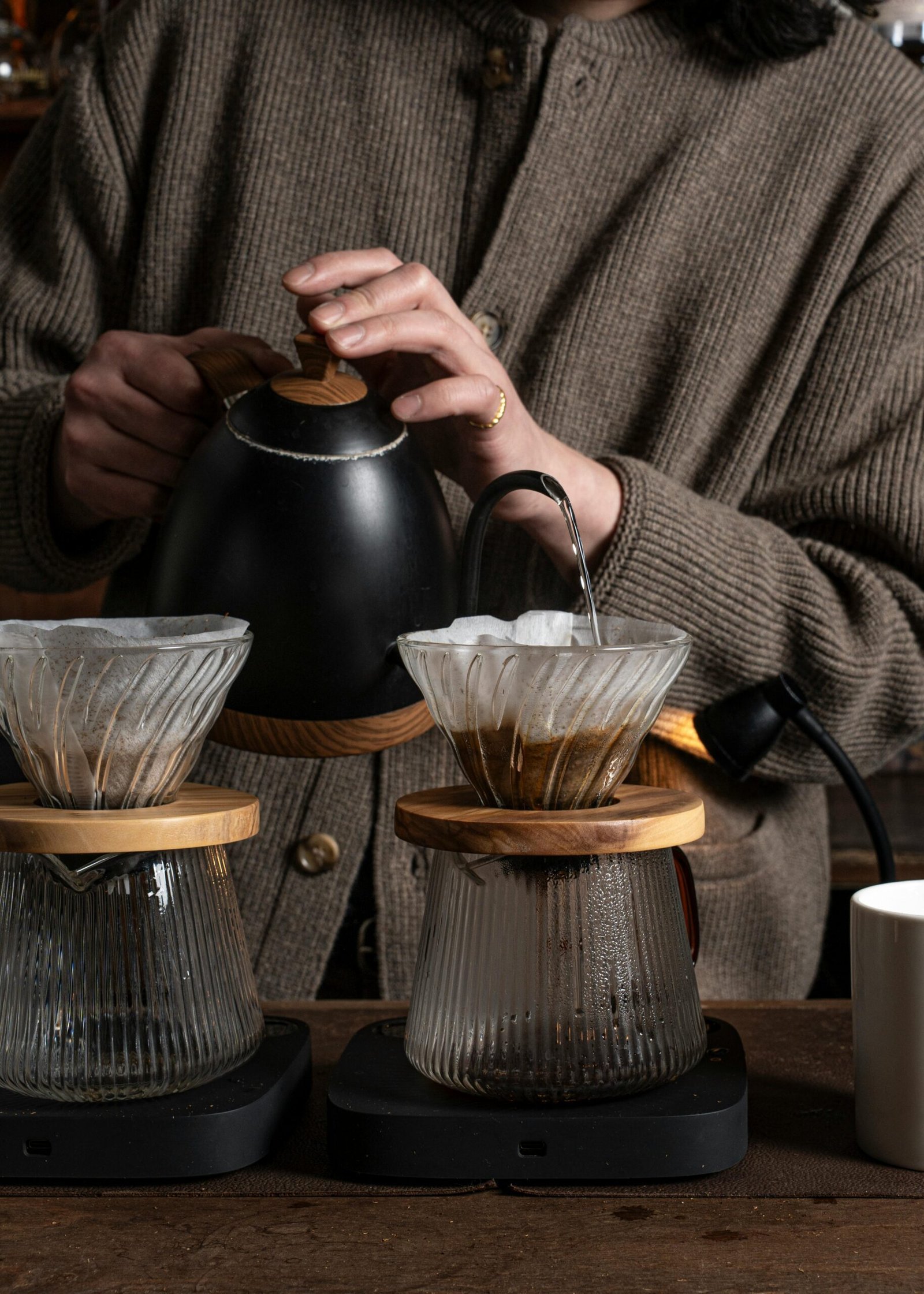
    Close-up of artisan brewing process using pour-over technique indoors.

    The Fourth Wave: Science Meets Specialty (Emerging)

    The Fourth Wave builds on the third but leans into technology, data, and sustainability. It’s about refining the craft through innovation—precision brewing, experimental processing methods, and even AI-powered espresso machines.

    Key characteristics:

    • Use of tech and data for consistency and quality
    • Advanced brewing equipment and techniques
    • Emphasis on sustainability and climate resilience
    • Deeper customer education and transparency

    While some argue we’re still riding the Third Wave, others see the Fourth as an inevitable evolution—bringing science and sustainability to the forefront of coffee culture.


    SCA Certified Coffee Makers


    So… What Wave Are You In?

    The truth? You don’t have to pick a side. You can appreciate the speed of a drip machine while savoring a hand-poured Ethiopian. These movements simply show how far coffee has come—and how much potential still brews ahead.


    Why It Matters for Coffee Lovers Like You

    Understanding the coffee waves helps you become a more intentional coffee drinker. It encourages:

    • Supporting ethical sourcing and local roasters
    • Exploring different brewing methods at home
    • Celebrating the hands that grow your beans

    There’s always more to sip and discover!


    Coffee continues to shape our mornings and our communities. As these movements grow and transform, so does the culture and community that surrounds coffee. Keep exploring, tasting, and connecting. That’s what The Coffee Collect is all about.

    -the coffee collect.

  • Siphon Coffee Makers

    Siphon Coffee Makers

    Siphon Coffee Makers

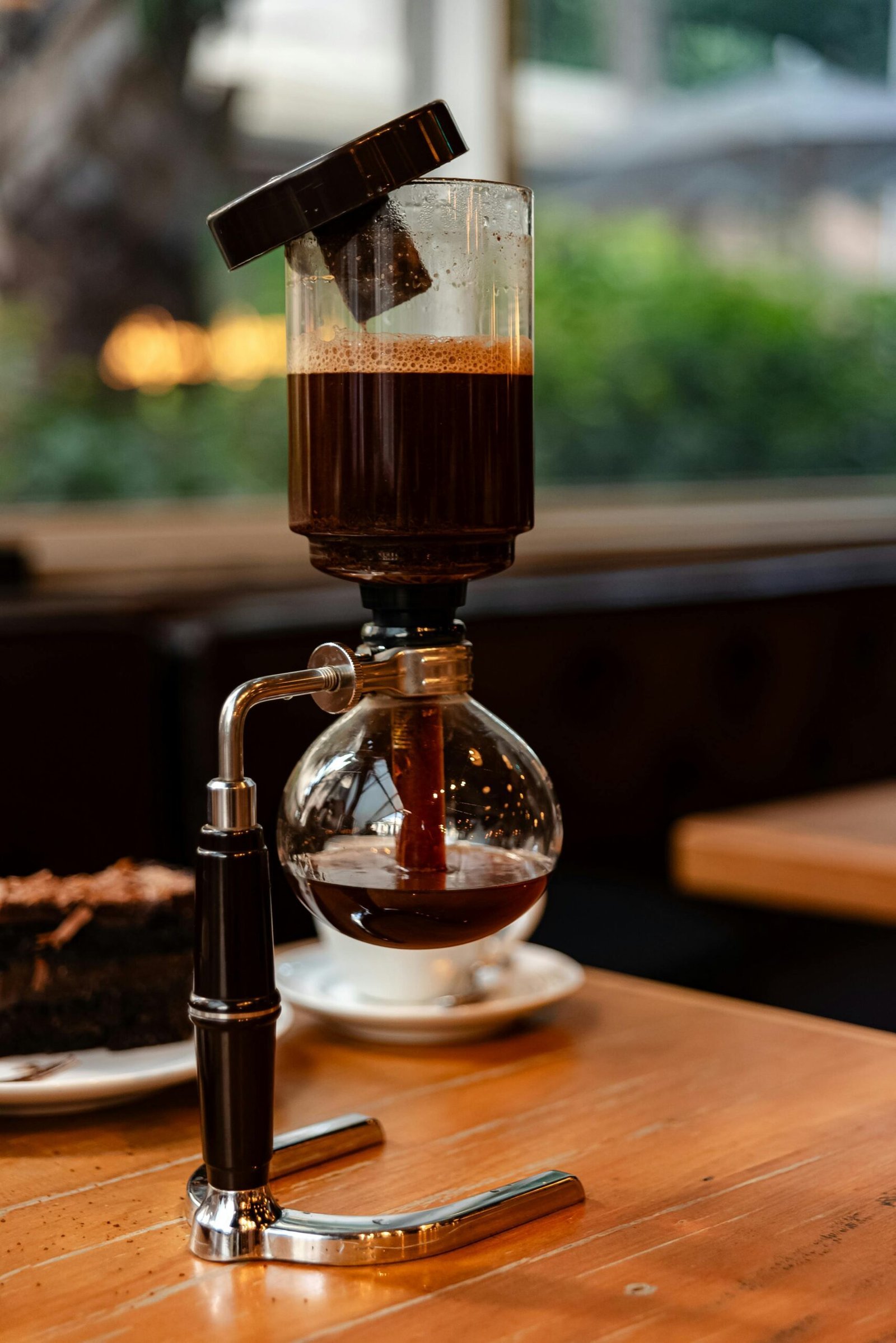
    There’s something mesmerizing about a siphon coffee maker. The swirling water, the rising vapor, the alchemy of precision and heat. It looks more like a science experiment than your typical morning coffee routine—and maybe that’s part of the magic.

    The coffee world has so many unique techniques to explore. And when it comes to turning your daily brew into something captivating, few methods compare to siphon brewing.


    What Is a Siphon Coffee Maker?

    Before it became a coffee-lover’s spectacle, the siphon coffee maker had roots in 19th-century Europe. Invented in the 1830s, this brewing method was born out of a desire to improve coffee clarity and extract flavor more precisely. Early models were ornate, often made of glass and metal, and became symbols of refinement in cafés and homes across France and Germany. Over time, the siphon made its way to Japan, where it was embraced not just as a brewing method but as a craft. Today, it’s having a global resurgence among specialty coffee enthusiasts for its perfect blend of science, tradition, and elegance.

    Now, time to get all science-y…

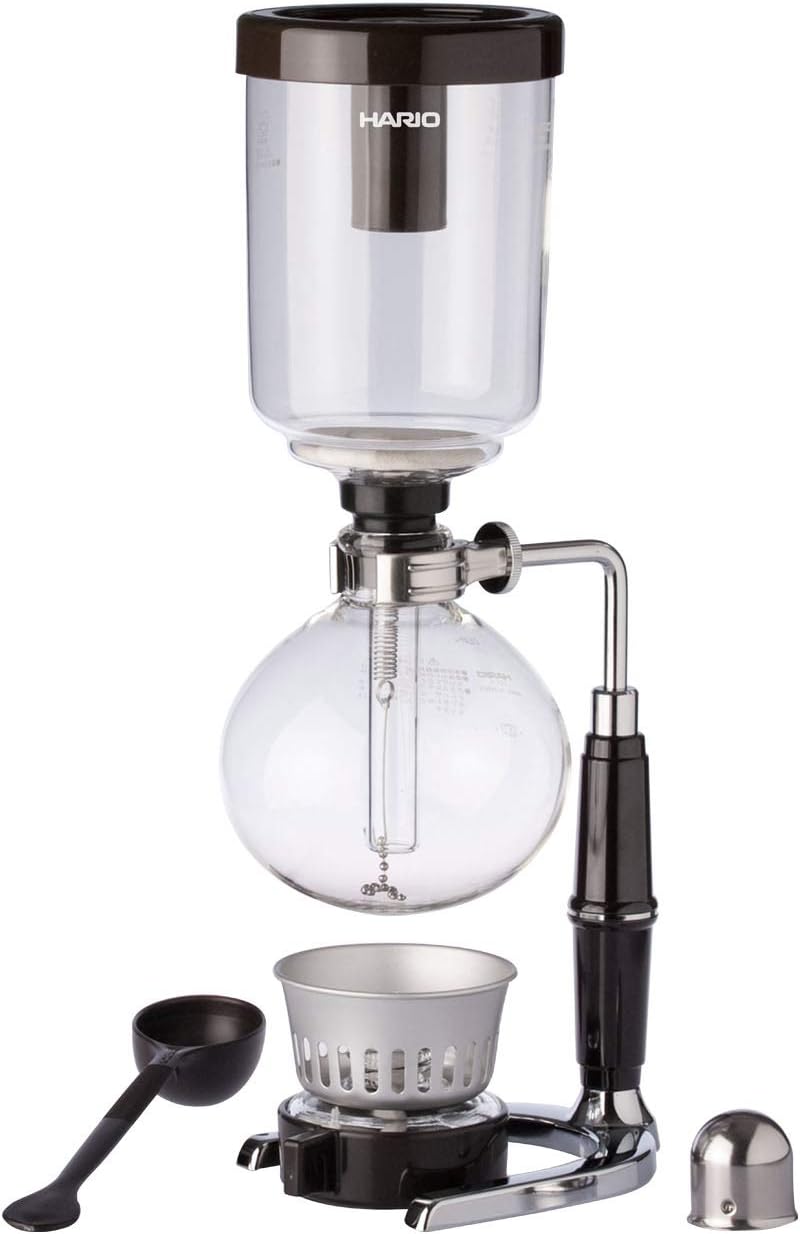
    Also known as a vacuum pot, a siphon coffee maker uses vapor pressure and vacuum suction to brew a clean, aromatic cup. The system includes two chambers (top and bottom), a heat source (usually an alcohol or butane burner), and a filter that helps separate grounds from the liquid.

    As the water heats in the lower chamber, vapor pressure forces it upward into the upper chamber, where it mixes with coffee grounds. Once the heat source is removed, gravity and vacuum pull the brewed coffee back down, leaving the spent grounds above. The result is a smooth, complex cup that highlights delicate flavor notes.

    siphon coffee maker

    SCA Certified Coffee Makers


    People Love Siphon Brewing Because…

    • Show-Stopping Presentation: This is brewing with flair. Whether it’s for your guests or just your own morning joy, siphon coffee is a delight to watch. Many coffee shops are now having these on display.
    • Flavor Clarity: Thanks to full immersion and a cloth or metal filter, you get a clean cup that brings out nuanced flavors.
    • Control: You have a say in temperature, brew time, and grind size, making it ideal for coffee lovers who enjoy fine-tuning their method.

    Our Favorite Siphon Brewers on Amazon

    Looking to add one to your collection? Here are a few great options we love:

    siphon coffee maker

    Tips for Brewing with Siphon Coffee Makers

    • Use a consistent grind (slightly finer than drip)
    • Weigh your coffee and water for precision
    • Pre-wet the filter to avoid unwanted flavors
    • Don’t rush the process — the beauty of siphon brewing is in the journey

    If you love coffee that brings together art and science, the siphon method might just become your new favorite ritual.

    Let us know what you think about siphon brewing!

    Don’t forget to join the coffee community on Instagram @the.coffee.collect

    -the coffee collect.

  • Exploring Global Coffee Cultures: How the World Drinks Coffee

    Exploring Global Coffee Cultures: How the World Drinks Coffee

    Exploring Global Coffee Cultures: How the World Drinks Coffee

    Every corner of the world brings its own flair to coffee. At The Coffee Collect, we believe there’s something meaningful about discovering how others enjoy their brew. 

    Today, we’re taking you on a journey through global coffee cultures to explore how the world drinks coffee.

    Who knows, maybe you’ll find a new coffee ritual that you’ll fall in love with…


    Italy: The Land of the Espresso

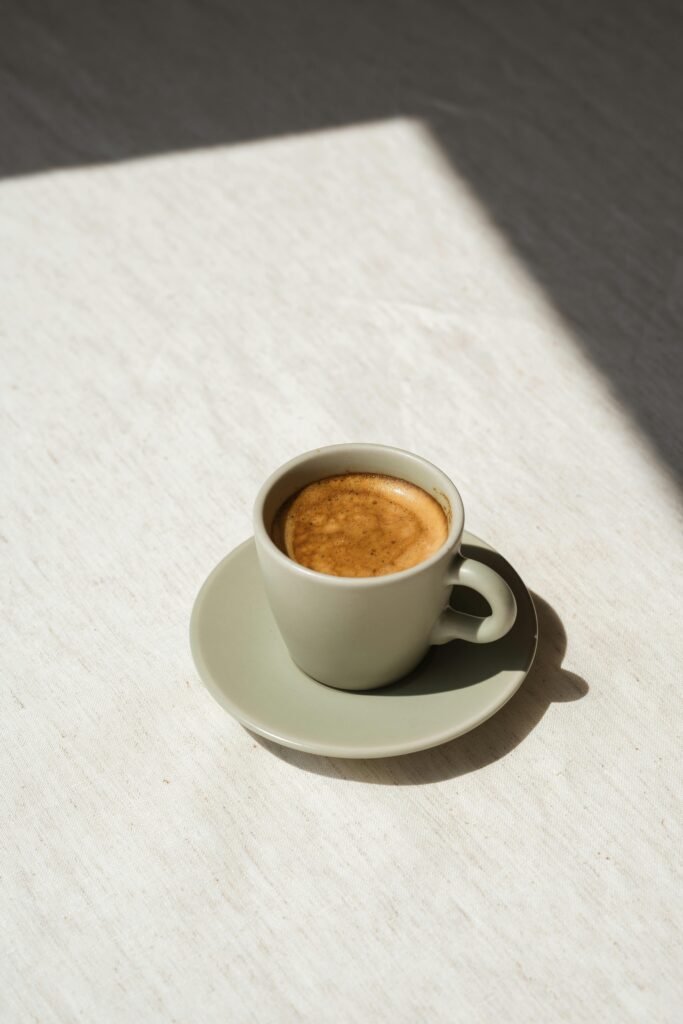
    In Italy, coffee is all about simplicity and speed. Locals often stop by their neighborhood café multiple times a day, sipping tiny cups of espresso at the bar, rarely sitting down. The espresso is served short and strong, often consumed in under a minute. Milk-based drinks, like cappuccinos, are reserved for the mornings (ordering one after noon might get you a raised eyebrow).

    Try this at home! Brew a short single shot of espresso and enjoy it with a small glass of sparkling water to cleanse your palate before and after. Embrace the Italian way—quick, quality coffee, enjoyed in the moment.

    A stylish coffee cup filled with espresso on a sunlit table, perfect for cafe-themed designs.

    Ethiopia: Coffee as a Ceremony

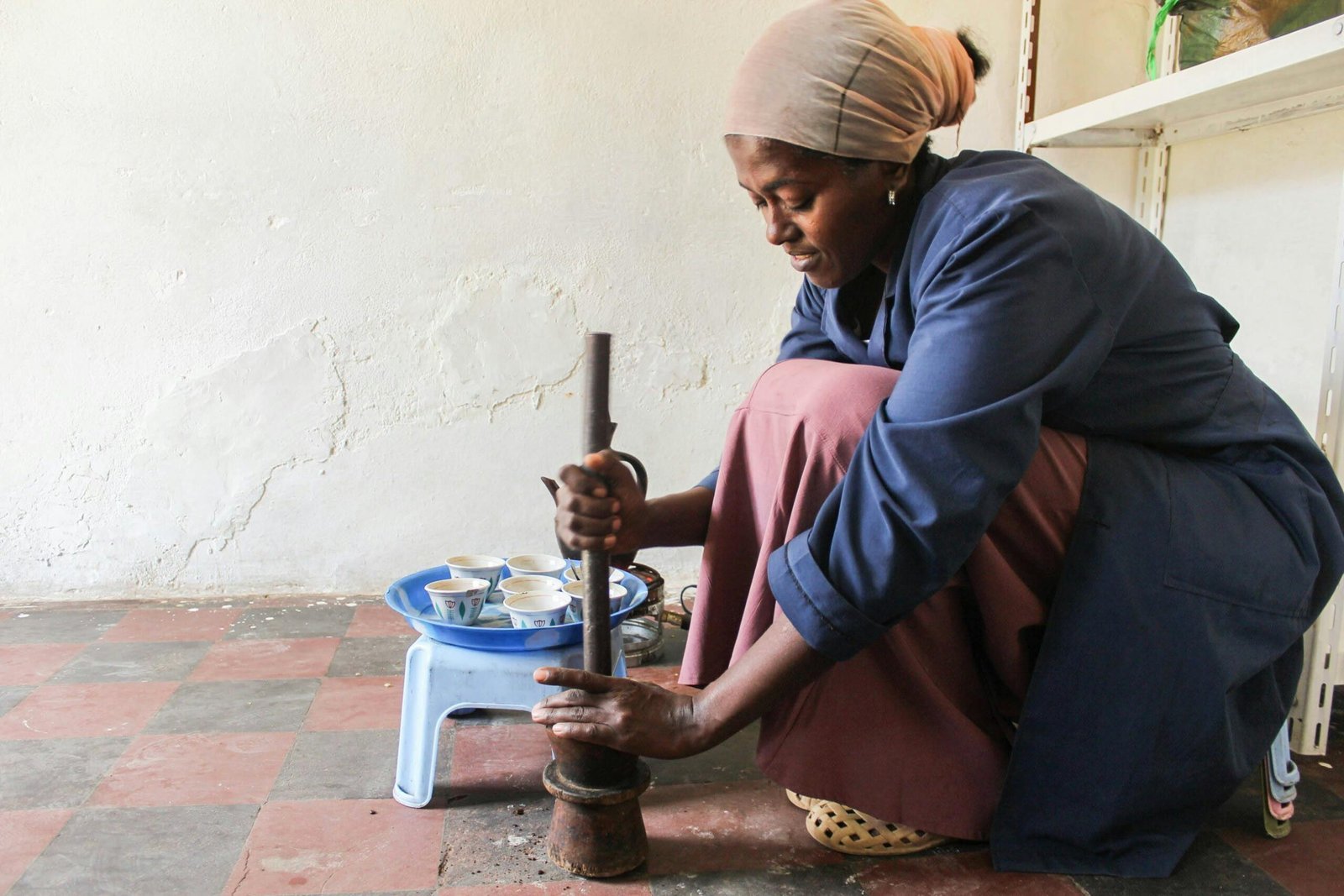
    The birthplace of coffee, Ethiopia treats coffee drinking as a deeply communal and cultural experience. The traditional Ethiopian coffee ceremony involves roasting green coffee beans over a fire, grinding them with a mortar and pestle, and brewing them in a jebena, a round-bottomed clay pot. The coffee is served in three rounds: abol, tona, and baraka, symbolizing transformation and blessing.

    Woman preparing coffee using traditional methods in Addis Ababa, Ethiopia.

    Japan: Precision and Pour Over

    Japanese coffee culture blends traditional tea ceremony influences with modern science. Cafés often feature baristas who treat coffee-making like a craft, especially when using pour-over methods like the Hario V60, Kalita Wave, or siphon brewers. There’s deep attention to water temperature, grind size, and pour speed.

    Inspired? Try a Hario V60 at home. Weigh your beans, heat your water to around 200°F, and pour slowly in circles. Notice how each step affects flavor. It’s mindfulness in motion.

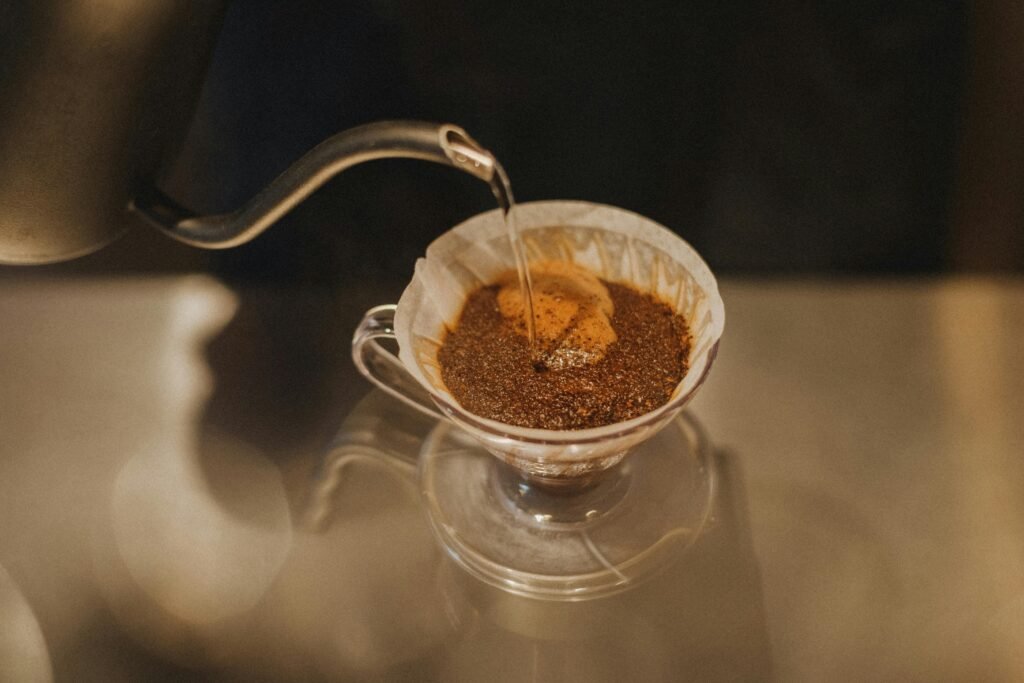
    Experience the art of pour-over coffee brewing with this detailed shot from a Tokyo café.

    Sweden: Fika, the Coffee Break with Heart

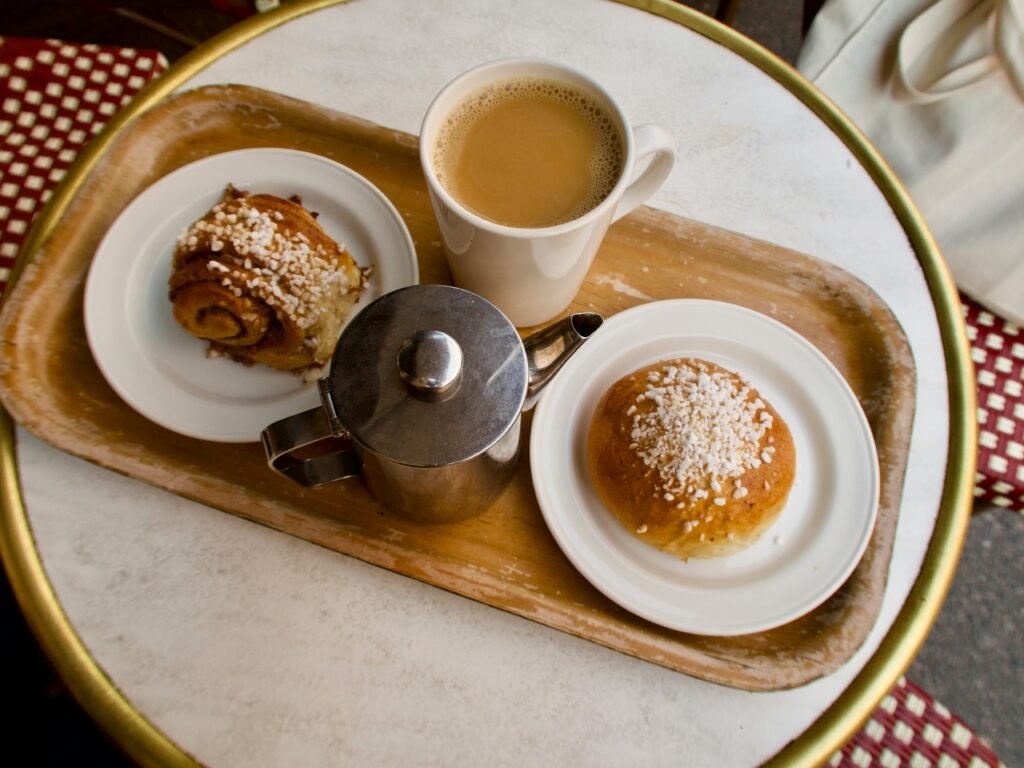
    In Sweden, fika is part of the lifestyle. Fika is a term that refers to a practice of taking the time to slow down, sip coffee, and enjoy conversation and pastries with others. It’s often practiced twice a day, both at home and in workplaces. The coffee is often served with kanelbullar (cinnamon buns).

    At The Coffee Collect, we love fika because it reminds us that coffee can anchor meaningful moments of rest and relationship. Create your own fika moment with a cozy brew and a baked treat!

    Enjoy a warm cup of coffee with cinnamon roll and bun on a cozy Helsinki café table.

    Vietnam: Sweet, Strong, and Iced

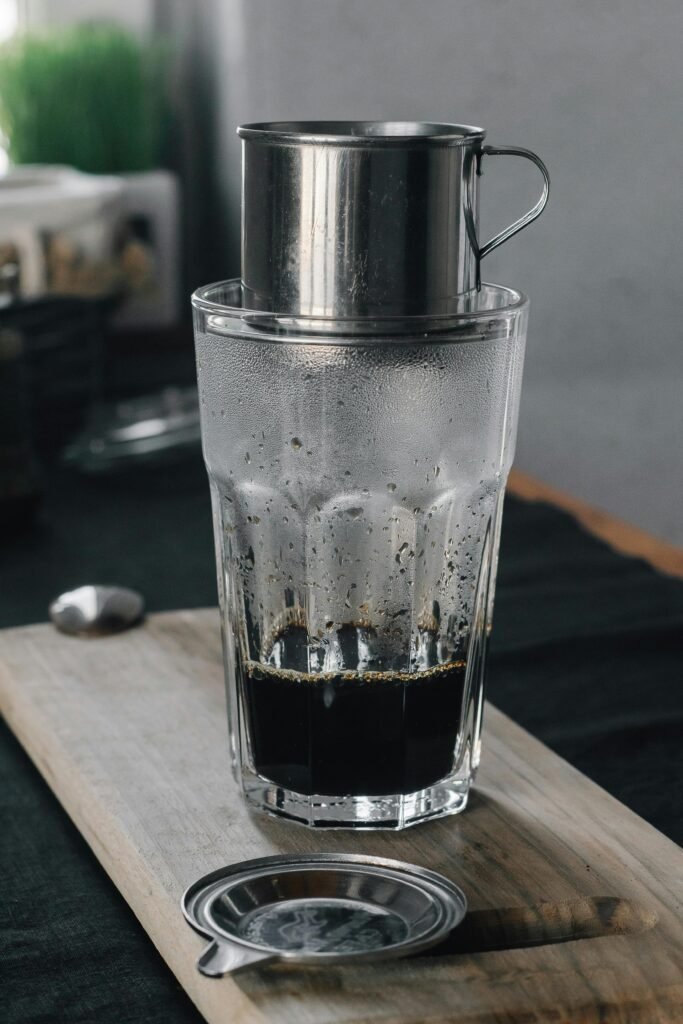
    Vietnamese coffee is all about bold flavor and layered texture. Using a phin filter, coarsely ground robusta beans are slowly brewed directly over a glass of condensed milk. The result? A rich, chocolatey coffee that’s both strong and sweet. It’s typically poured over ice, making it a refreshing favorite in Vietnam’s tropical climate.

    Bonus: Try egg coffee (cà phê trứng) from Hanoi—a decadent treat made by whipping egg yolk with sugar and layering it over hot coffee. It’s like tiramisu in a cup.

    Glass of Vietnamese coffee brewed with a stainless steel phin filter.

    Mexico: Café de Olla

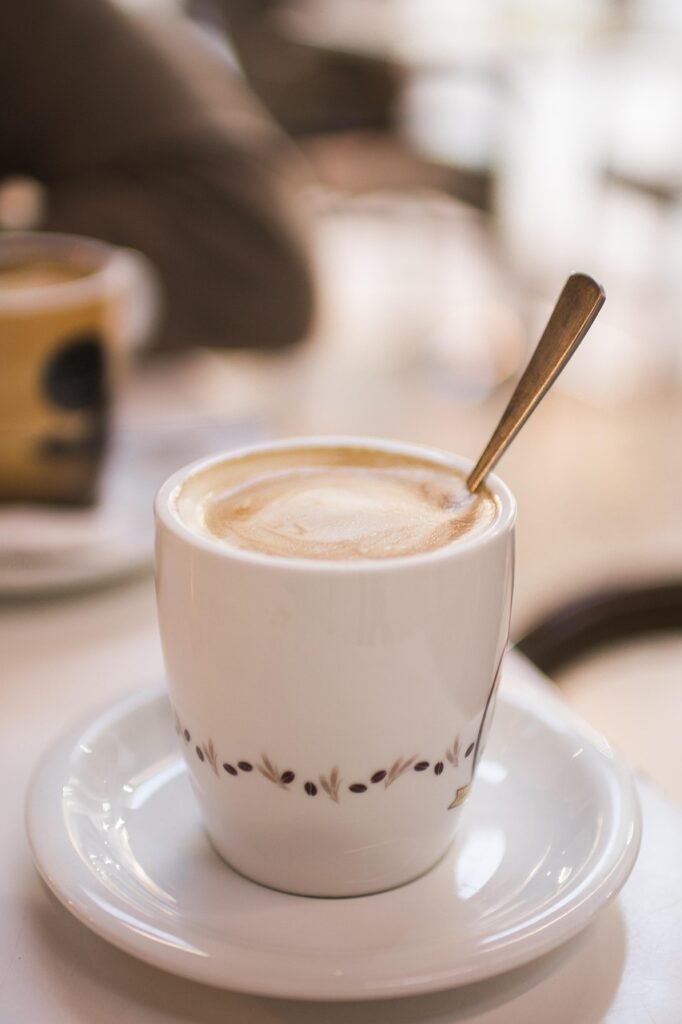
    Café de olla is a traditional Mexican spiced coffee, brewed in an earthen clay pot that imparts a distinctive flavor. The coffee is steeped with cinnamon sticks, cloves, and piloncillo, a raw, caramel-like cane sugar. Café de olla is comforting and often enjoyed during Día de los Muertos, or shared around family tables.

    coffee, cappuccino, cafe, espresso, brown coffee, brown cafe

    Turkey: Tradition in Every Sip

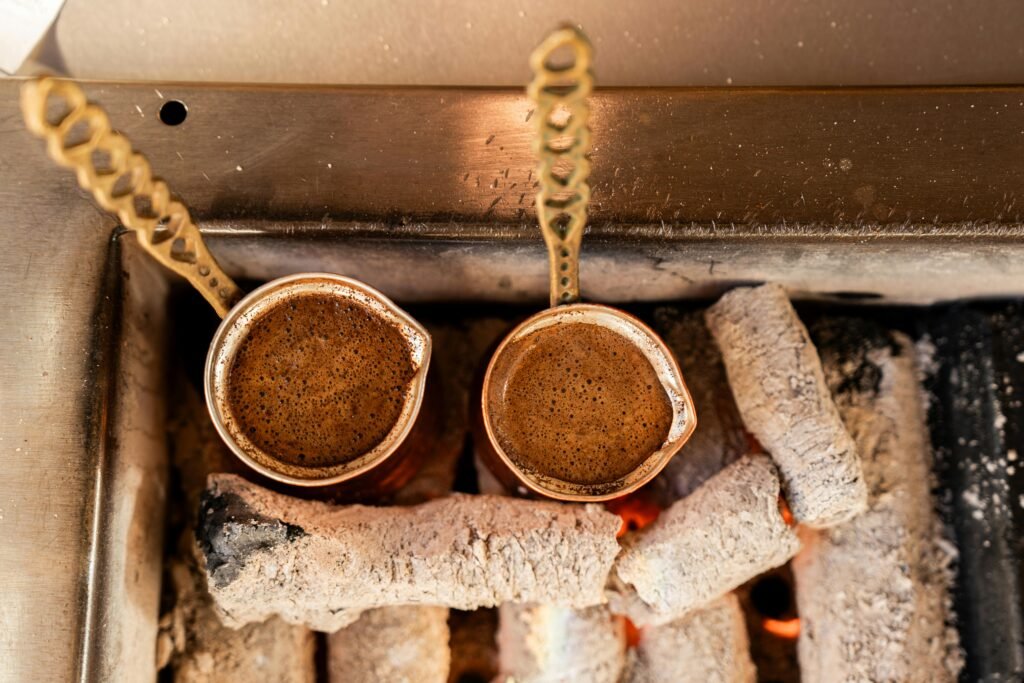
    Turkish coffee is made by boiling ultra-fine coffee grounds in a cezve, a long-handled copper pot. The coffee is heated slowly over low flame until it foams, then removed just before boiling. It’s unfiltered, served in tiny porcelain cups, and often enjoyed alongside water and lokum (Turkish delight).

    Turkish coffee isn’t stirred after pouring and should be sipped slowly, allowing the grounds to settle. At the end, some flip the cup over for a little fortune-telling from the leftover grounds.

    Two copper pots brewing Turkish coffee over hot coals, showcasing authentic preparation.

    How to Make Authentic Turkish Coffee


    United States: Coffee on the Move

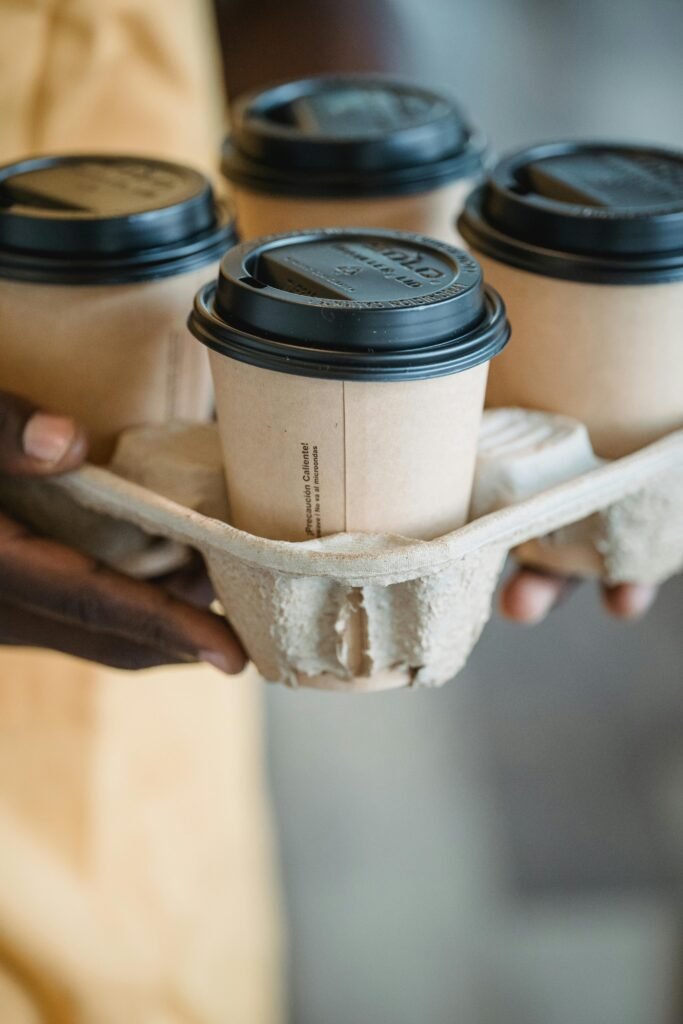
    In the U.S., coffee is fast, diverse, and deeply personal. From the classic drip pot in a diner to cold brew on tap at third-wave cafés, American coffee culture reflects convenience and customization. Specialty drinks—pumpkin spice lattes, oat milk macchiatos, nitro cold brews—are as varied as the people who order them.

    While grab-and-go reigns, the third-wave movement encourages slowing down and savoring single-origin beans and barista-quality craftsmanship. 

    Close-up of four disposable coffee cups in a holder, perfect for on-the-go caffeine lovers.

    Explore Global Coffee Cultures at Home

    Want to bring global coffee culture into your daily brew? Here are some things to get you started!


    Coffee Connects Us

    Across cultures, one theme remains: coffee brings people together. It’s a symbol of friendship, warmth, and presence, and there’s beauty in every tradition.

    We invite you to explore the world through coffee—one cup, one culture, one person at a time.

    Which coffee culture do you come from? Have you ever tried brewing in a new way or picked up a ritual from another part of the world? Let us know! Tag us on Instagram @the.coffee.collect—we’d love to share your story!

    -the coffee collect.