
Beginner Espresso Setup: What to Buy First
Getting into espresso can feel overwhelming. Between shiny machines, endless grinders, and conflicting advice online, it’s easy to think you need thousands of dollars just to pull a decent shot. The truth? You don’t.
If you’re just starting out, the key is buying the right things in the right order. This beginner espresso setup guide breaks down what actually matters first—so you can make great espresso at home without overspending or upgrading too soon.
The Coffee Collect is reader supported. When you purchase through links on our site, we may earn an affiliate commission—at no extra cost to you. Your support helps us continue sharing coffee inspiration, tips, and discoveries with this community. Thank you for being a part of our coffee journey!
What You Actually Need for Espresso at Home
A beginner espresso setup comes down to four essentials:
- A capable espresso machine
- A quality burr grinder
- A few basic tools (that usually come with an espresso machine)
- Fresh coffee beans
Everything else is optional (at least for now).
Let’s walk through what to buy first—and why.
1. A Burr Grinder (Yes, Before the Espresso Machine)
If there’s one mistake beginners make, it’s spending most of their budget on an espresso machine while ignoring the grinder.
Your grinder matters more than your machine.
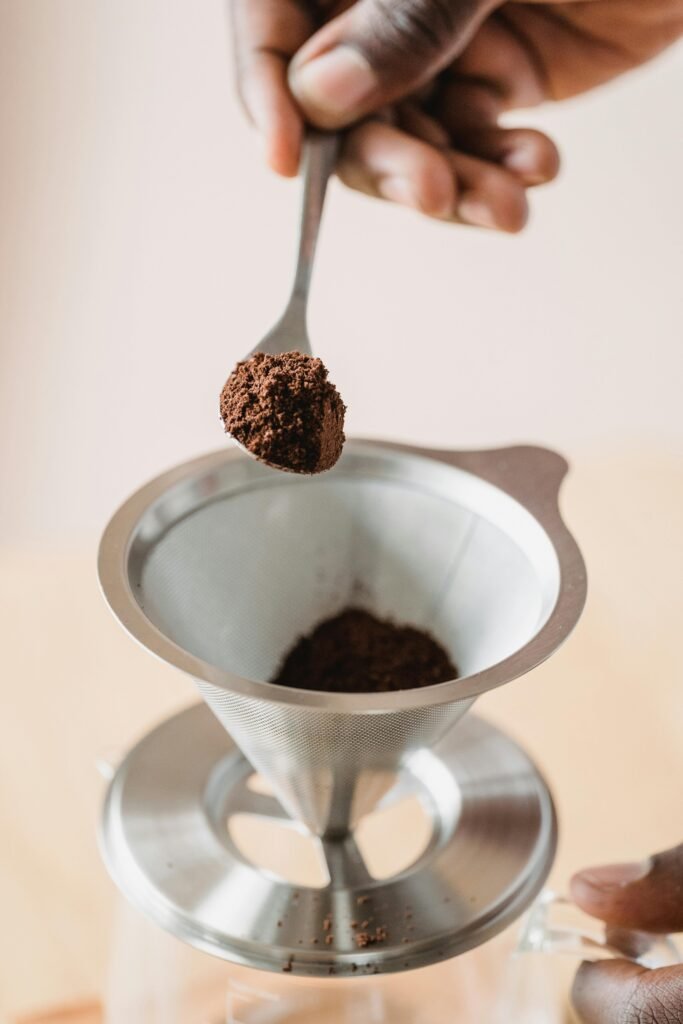
Espresso requires very fine, very consistent grounds. Blade grinders won’t cut it, and cheap burr grinders often can’t grind fine enough or consistently enough for espresso.
What to Look for in a Grinder
- Burr grinder (not blade)
- Espresso-capable grind range
- Consistent particle size
- Stepless or micro-adjustments (a bonus)
💡 If your espresso tastes sour, bitter, or inconsistent—your grinder is often the reason.
A good grinder will grow with you, even if you upgrade your espresso machine later.
I’ll link some great burr grinders below so it’s easy for you to see if they’re the right fit for you!
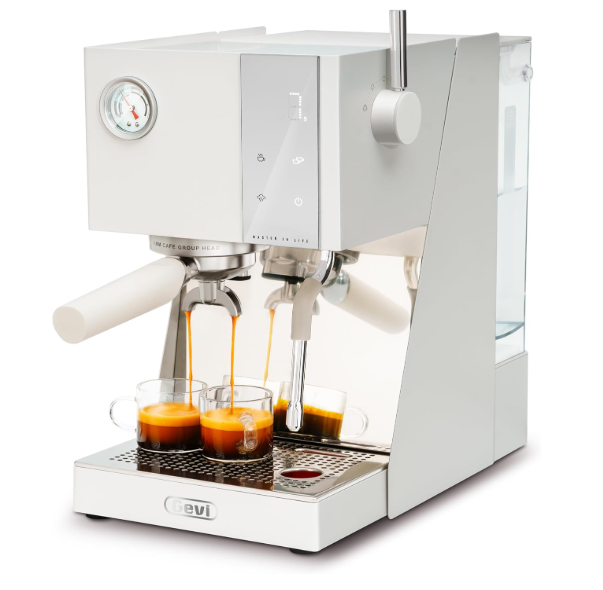
2. An Espresso Machine That Fits Your Skill Level
Once you have a capable grinder, it’s time to choose your espresso machine. As a beginner, you don’t need a commercial-level machine—but you do want something reliable and forgiving.
Beginner-Friendly Espresso Machine Features
- Stable brewing temperature
- Semi-automatic machines for consistency and control
- Easy workflow
- Good community support and tutorials
Here are some of my recommended espresso machines for beginner home baristas (all budget-friendly!) :
3. Essential Espresso Tools (Keep It Simple)
You don’t need a drawer full of tools to start—just a few basics that make a big difference. Oftentimes these tools will conveniently come with your espresso machine.
Must-Have Espresso Accessories
- Tamper – this is often included with your espresso machine but make sure to get the correct size if you need to buy one!
- Digital scale / Regular Kitchen Scale (for dosing and shot timing)
- Milk pitcher (if you plan to make lattes or cappuccinos)
Start small. Master the basics first. You can always add tools as your skills improve.
4. Fresh Coffee Beans (This One’s Non-Negotiable)
Even the best espresso setup can’t fix stale coffee.
What Beans Are Best for Beginners?
- Freshly roasted (within 2–4 weeks)
- Medium to medium-dark roast
- Espresso-friendly blends or single origins labeled for espresso
Buying from a local roaster—or a trusted online roaster—will instantly improve your results more than any upgrade.
What You Don’t Need (Yet)
It’s tempting to buy everything at once, but beginners can skip:
- Dual-boiler machines
- Pressure profiling
- Ultra-premium accessories
- Complex modifications
Learn the fundamentals first. Mastering grind size, dose, and yield will take you further than expensive gear.
This approach gives you better espresso now and saves money long-term by reducing unnecessary upgrades.
Start Simple, Brew Better
Espresso doesn’t have to be intimidating—or expensive. A thoughtful beginner espresso setup focuses on quality, consistency, and learning, not perfection.
Start with a solid grinder, choose a machine that fits your lifestyle, keep your tools simple, and always use fresh coffee. From there, your skills—and setup—will naturally grow.
If you’re just beginning your espresso journey, welcome. You’re exactly where you should be ☕
-the coffee collect.
Pingback: Gevi Commercial Espresso Machine Review - The Coffee Collect.
Pingback: How to Create an Elevated Home Coffee Ritual - The Coffee Collect.
Pingback: The Ultimate College Dorm Room Coffee Bar Setup (Barista & College Student Approved!) - The Coffee Collect.