Tag: sustainable coffee

  • The Truth About Paper Coffee Cups: A Plastic Lined Reality

    The Truth About Paper Coffee Cups: A Plastic Lined Reality

    The Truth About Paper Coffee Cups: A Plastic Lined Reality

    At first glance, paper coffee cups appear to be a great eco-friendly choice. However, the reality is more complex and rather alarming. Due to greenwashing campaigns, much of the world has fallen victim to the belief that paper cups are eco-friendly alternatives, but what remains hidden is that most disposable paper cups are lined with a type of plastic that have led scientists to pose environmental and health concerns.


    The Hidden Plastic in Paper Cups

    By nature, paper is not waterproof and contact with a liquid should eventually cause paper to lose its form. Because of this, we know that something has to be added to paper coffee cups in order for them to fulfill their job of being a cup. This “something” is a thin layer of plastic called polyethylene plastic, which is added to make paper cups waterproof and able to retain their shape.

    While this design seems practical, it complicates health implications and recycling efforts.
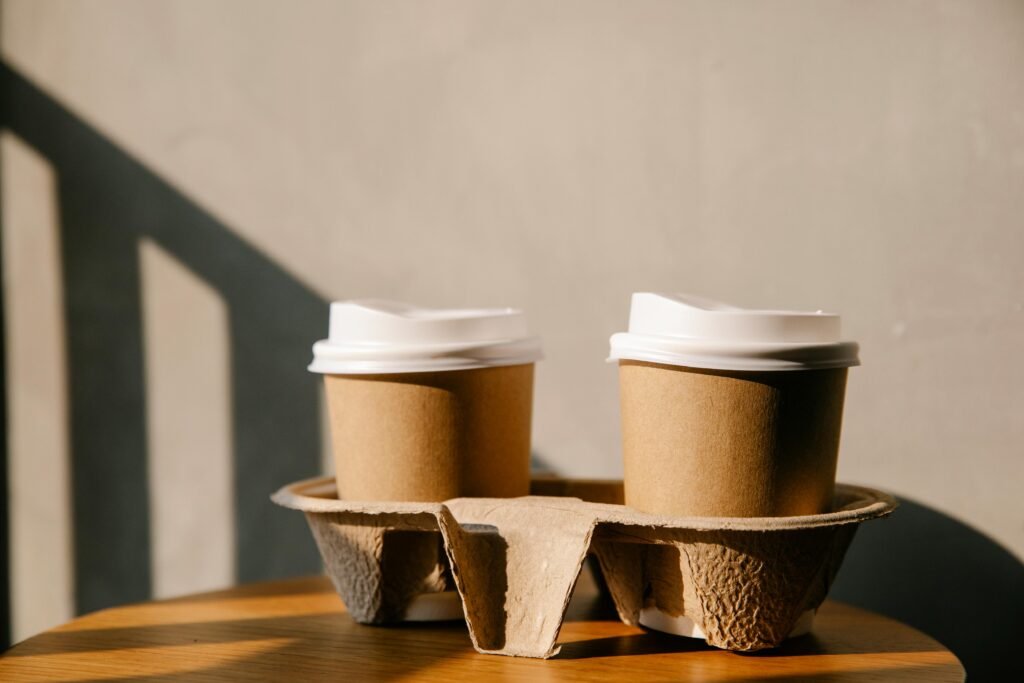
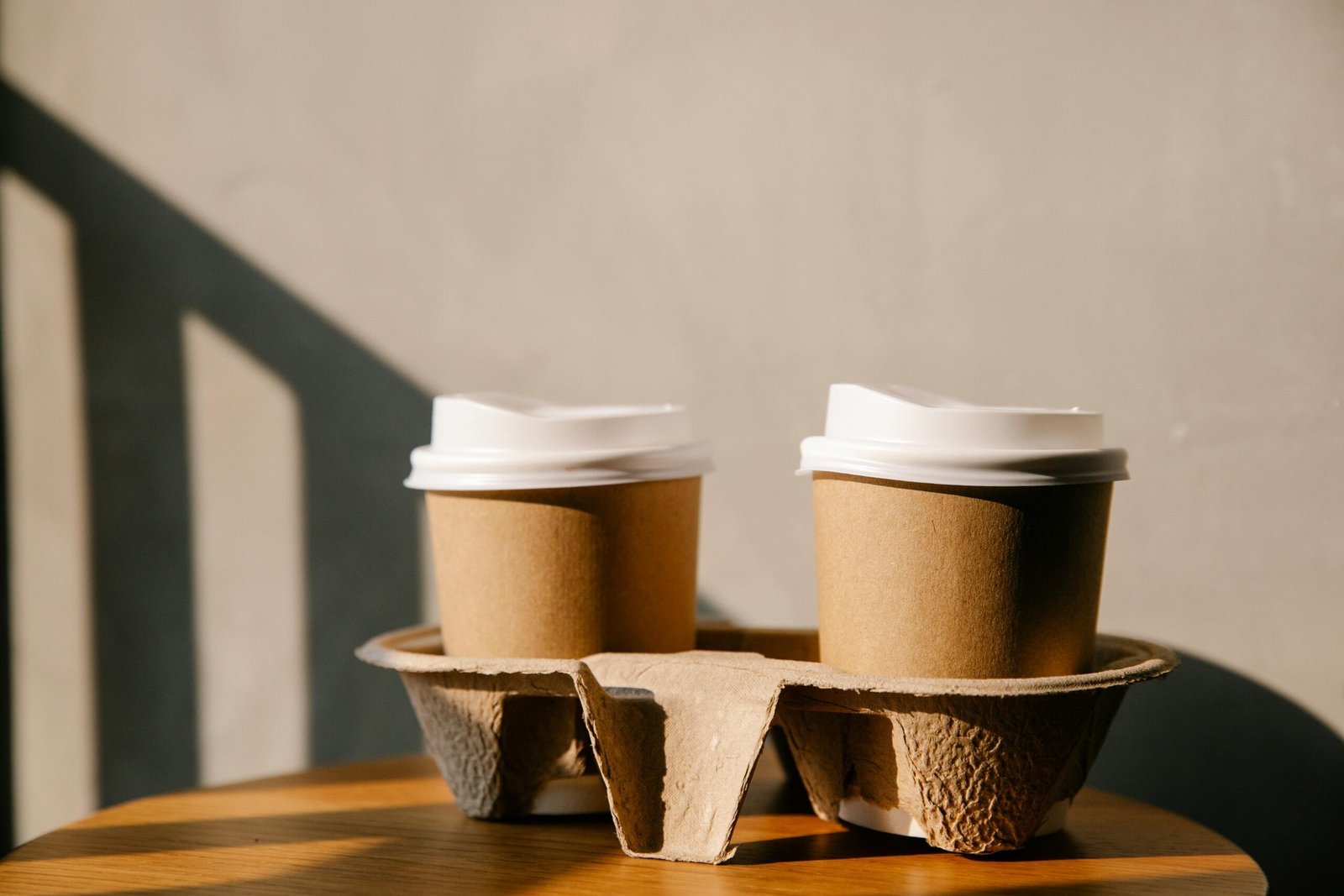
    Two disposable coffee cups on a table with soft sunlight creating shadows, emphasizing eco-friendly packaging.

    Health Implications

    Recent studies have raised concerns about the health effects of polyethylene-lined cups. When exposed to hot liquids, these linings start degrading instantly, releasing microplastics and other harmful substances into the beverage. Research published in Environmental Science & Technology found that common single-use consumer plastic products, including polyethylene-lined paper coffee cups, can release trillions of sub-100 nm nanoparticles per liter into water during normal use. If you compare the number of these particles to the number of cells in the human body, the ratio is about one plastic particle for every seven cells in your body.

    These particles are small enough that your cells could potentially absorb them, which raises concerns about their impact on human health. The results of ingesting microplastics and nanoplastics—like those released from polyethylene-lined paper cups—is still being studied, but researchers have identified several potential health risks including Cellular Damage & Inflammation, Chemical Exposure, Digestive & Gut Health Issues, Potential for Long-Term Accumulation, and Links to Chronic Diseases.


    Recycling Efforts for Paper Coffee Cups

    Although paper cups are often marketed as recyclable, the reality is more complicated. The polyethylene lining is tightly bonded to the paper, making it difficult to separate the materials. Most standard recycling facilities aren’t equipped to process these mixed materials, meaning the majority of paper cups end up in landfills or incinerators instead of being properly recycled.

    Even in places where specialized recycling facilities exist, the process is expensive and inefficient. A 2017 study by the UK-based Paper Cup Recovery and Recycling Group (PCRRG) found that while 2.5 billion paper cups were used in the UK each year, only 1 in 400 were being properly recycled due to these technical challenges. Because most paper coffee cups don’t get recycled, they often break down in landfills or the environment, where they release microplastics and chemical pollutants over time and can contaminate the natural ecosystem.

    Always Recycle

    Although the recycling process for paper coffee cups is complicated, it is still doable. In fact, the technology and infrastructure to expand paper cup recycling is evolving rapidly and there are approximately 40 mills in North America that properly recycle paper cups. However, even if a paper cup is recyclable after use, it is still important to be aware of the possible health effects to your body that we previously discussed.


    Industry Responses

    The coffee industry is actively seeking solutions to this issue.

    For instance, Starbucks has reintroduced ceramic mugs and glassware for in-store orders and is offering free refills for certain beverages to encourage reusable options.

    Additionally, some cities are implementing reusable cup programs. Petaluma, California, launched a city-wide initiative where customers can use and return reusable cups at participating cafes, aiming to reduce single-use cup waste.


    The Answer is Reusable Cups

    Reusable coffee cups are a powerful solution to the polyethylene plastic that threatens our health and our planet. Using a personal reusable cup made from safe materials eliminates the risk of ingesting microplastics and harmful chemicals that can leach from disposable cup linings. By investing in a reusable cup, you reduce the demand for wasteful, plastic-lined cups and help decrease the amount of plastic waste entering our landfills and oceans. Additionally, many coffee shops offer discounts to customers who bring their own cups, leading to savings that build up over time.

    Click Here to Read: Easy Ways to Make Your Coffee Routine More Sustainable


    We value the health of the coffee-loving community and the health of the earth where we grow our coffee.

    Let’s be a community of stewards.

    -the coffee collect.
  • How to Make Your Coffee Routine More Sustainable

    How to Make Your Coffee Routine More Sustainable

    Easy Ways to Make Your Coffee Routine More Sustainable

    Coffee lovers like you have an important opportunity to make a positive impact on the planet. From the beans you choose to the tools you use, a few simple changes can transform your coffee routine into a more sustainable one. Here’s how to enjoy your favorite brew while reducing your environmental footprint, along with some product recommendations to get you started.


    Choose Sustainable Coffee Beans

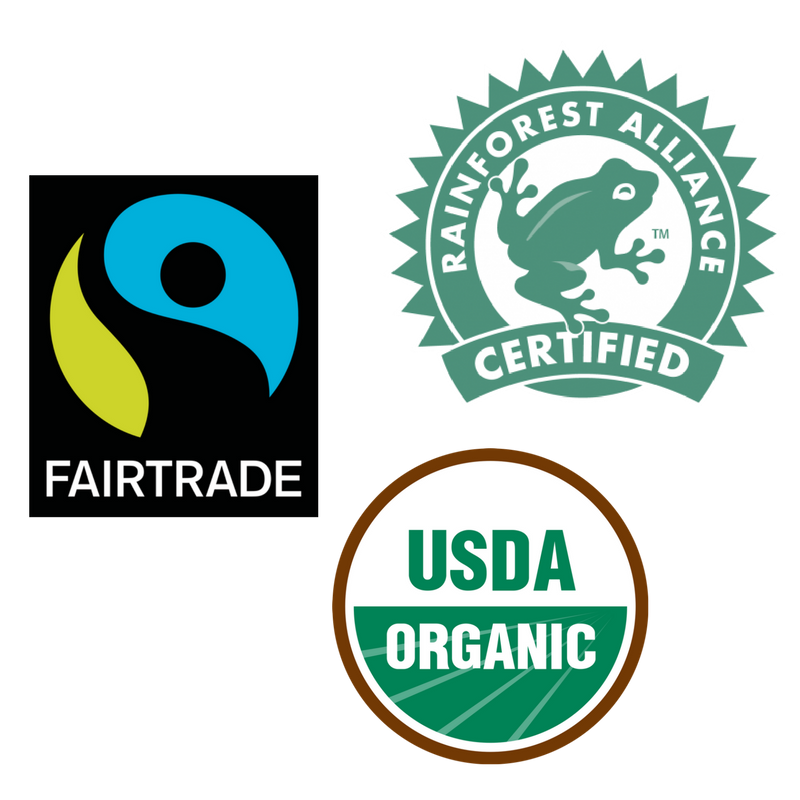
    Opt for coffee that’s ethically sourced and grown with the environment in mind. On packaging, look for certifications like:

    • Fair Trade: The Fair Trade certification means the coffee is certified to have been produced according to trading standards that are ethical, sustainable, and equitable. Try Equal Exchange Organic Coffee for robust coffee blends that are ethically and environmentally sound.
    • Rainforest Alliance: The Rainforest Alliance supports sustainable farming in all aspects. Consider Peet’s Coffee Organic Alma de la Tierra, which delivers a bold, smooth flavor.
    • USDA Organic: Ensures coffee is grown without harmful pesticides. Kicking Horse Coffee’s Smart Ass Blend is a great-tasting organic choice that forgets about the extra preservatives, additives, fillers, and flavoring.

    By choosing brands with these certifications, you’re supporting farmers and the environment.


    Reduce Single-Use Items by Switching to Reusable Gear

    According to sustainability researcher Gunter Pauli, the global coffee industry produces over 23 million tons of waste per year. Single-use coffee pods and filters add up to a lot of waste, as well as disposable cups and stirrers. Pay attention to what you discard and consider investing in reusable gear options like the ones we have collected below:

    • Reusable Coffee Filters: The GoldTone Reusable Filter is a low-cost investment that works perfectly with drip coffee makers and eliminates paper waste.
    • French Press or Pour-Over Brewers: Both the Bodum Chambord French Press and Hario V60 Dripper offer waste-free brewing.
    • Compostable Pods: If you’re tied to a pod system, invest in reusable coffee pod filters, or try San Francisco Bay Compostable Coffee Pods, compatible with Keurig machines.
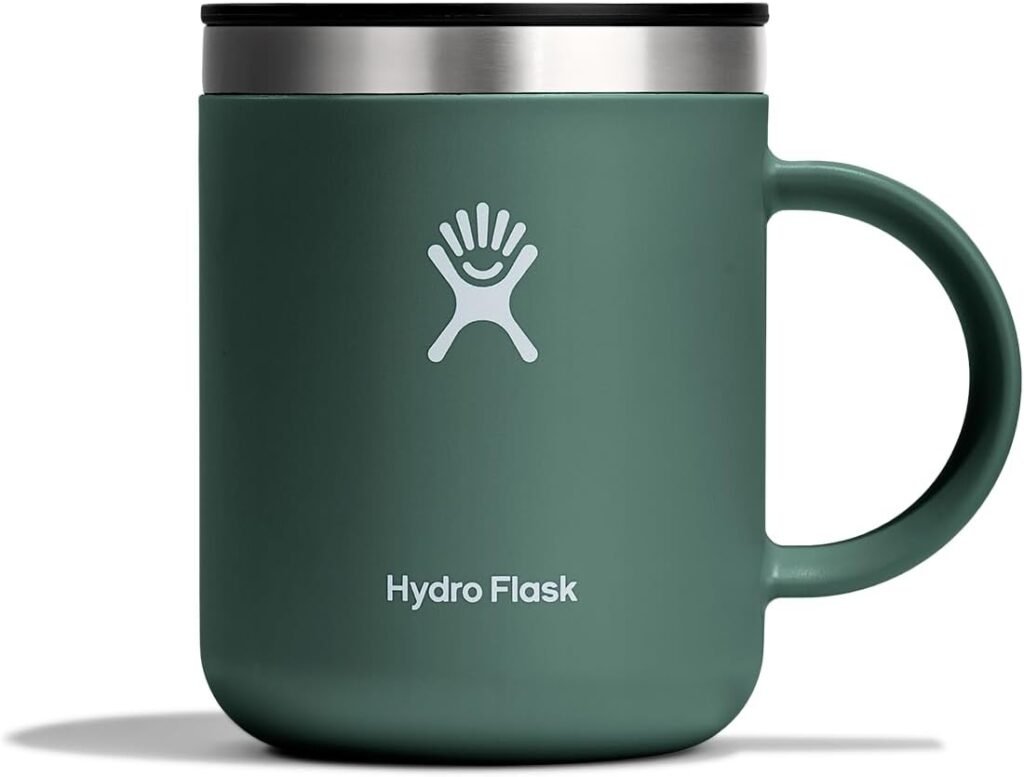
    • Reusable Coffee Cups: There are many long-lasting, reusable coffee cups out there that will keep your drink hot for hours, such as the Hydro Flask Coffee Mug. Consider bringing your own reusable cup whenever you visit your local coffee shop as it allows you to skip the plastic cup, lid, and straw. Often times coffee shops love to give you a discount when you bring your own refillable cup–it helps both the shop and the customer save money while prioritizing the health of the planet.
    • Reusable stirrers: Such as a bamboo stirrer or a stainless-steel spoon instead of plastic.

    Click Here to Read: The Truth About Paper Coffee Cups: A Plastic Lined Reality


    Compost Your Coffee Grounds

    Don’t throw away those used coffee grounds—they’re packed with nutrients! Instead:

    • Add them to your home compost bin. If you don’t have one yet, make your lifestyle more sustainable by investing in one such as the Epica Stainless Steel Compost Bin which makes it easy to collect kitchen scraps, including coffee grounds, without mess or odor.
    • Make your plants happy by using your used coffee grounds as fertilizer. Coffee grounds are especially beneficial for roses and tomatoes.
    • Creating community is something coffee loves to do. Connect and contribute to your community by donating your used coffee grounds to a local community garden or composting program.

    Support Sustainable Coffee Shops

    If you enjoy grabbing coffee on the go, make it a point to support eco-conscious establishments. When you support green businesses, you’re encouraging industry-wide change. Look for coffee shops that:

    • Use compostable cups and lids or allow you to bring your own.
    • Source their beans from sustainable brands and farms.
    • Run recycling programs or initiatives to reduce waste.

    Thrift It!

    There are always great second-hand coffee equipment options at thrift stores, including coffee makers, whisks, and unique mugs. Make sure you inspect everything thoroughly before you buy it and then give it a good clean at home. Thrifting for your coffee set-up is an exciting way to add unique charcter, save money, and practice sustainable purchasing.


    Inspire Others

    Sustainability is a collective effort. Coffee has long been a medium for creating community and culture. By embracing a sustainable coffee routine, we can transform our coffee culture into one that values both community and the planet. Share this blog with friends, family, or on social platforms to inspire others to make greener choices. By collectively rethinking how we source, prepare, and enjoy coffee, we can amplify its role as a unifying and sustainable force.

    Together, let’s make a difference.

    -the coffee collect