Tag: coffee knowledge

  • Understanding Coffee Acidity | A Simple Explanation

    Understanding Coffee Acidity | A Simple Explanation


    What Is Coffee Acidity?

    In coffee terms, “acidity” is about the bright, lively flavors that make a coffee taste vibrant. Think of it like the crispness in a fresh apple or the tang in a ripe berry.

    Acidity is essentially the personality of your coffee. It adds depth, balance, and character. Without it, coffee can taste flat or dull. Specialty coffees love to show off their acidity because it turns every cup into a mini adventure.


    Different Types of Acidity in Coffee:

    Common types you might taste as you develop your coffee palate:

    • Phosphoric – tropical fruit sweetness
    • Citric – lemon, orange, grapefruit
    • Malic – green apple, pear
    • Tartaric – grape, wine-like
    • Acetic – light vinegar-like tang (can be pleasant in small amounts)
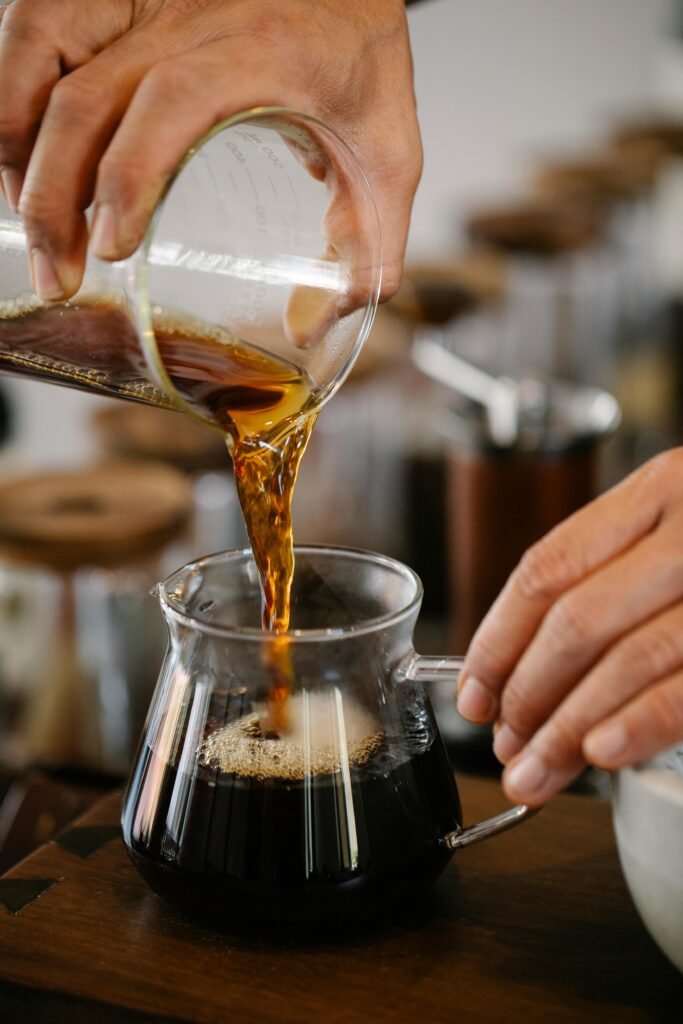
    Crop unrecognizable male barista pouring freshly brewed aromatic coffee from glass measuring pitcher into hot at counter

    What Affects Coffee’s Acidity?

    • Origin: Ethiopian coffees tend to be bright and floral; Brazilian coffees often have lower acidity and more chocolate notes.
    • Processing Method: Washed coffees often have higher perceived acidity; natural processed coffees can have softer, fruitier acidity.
    • Roast Level: Light roasts usually preserve acidity; darker roasts mellow it out.
    • Brew Method: Pour-over can highlight acidity, while French press tends to smooth it.

    Siphon Coffee Makers


    How to Choose the Right Level of Acidity for You

    Love fruity, lively coffee? Go for light-roast African beans. Prefer smooth and mellow? Medium or dark roasts from Latin America or Asia will make you happy. Want a little bit of both? Blends that combine different origins are your best friend.


    Is Coffee Acidity Bad for You?

    In most cases, coffee’s acidity is a positive flavor trait and not harmful. However, for people with sensitive stomachs, acid reflux, or digestive conditions, it can sometimes cause discomfort.

    Coffee’s pH is usually around 4.5–6, which makes it mildly acidic compared to water. If you find coffee irritating, try:

    • Choosing low-acid coffees from origins like Brazil or Sumatra. Lucy Jo’s Coffee Organic Mellow Belly Low Acid Blend is our recommendation, its smooth, flavorful, and gentle on the tummy.
    • Opting for cold brew, which is naturally less acidic.
    • Adding milk or a dairy alternative to help neutralize acidity.
    • Using immersion brewing methods like French press instead of methods that highlight acidity, such as certain pour-over techniques (like V60 or Chemex) or bright espresso extractions.

    Just like people, coffee has its own unique personality. Some are bright and lively, others are calm and mellow — and that’s what makes sharing coffee such a joy.

    Don’t forget to join our coffee community on Instagram @the.coffee.collect!

    -the coffee collect.
  • How to Read a Coffee Label: Origin, Roast, and More

    How to Read a Coffee Label: Origin, Roast, and More

    How to Read a Coffee Label: Origin, Roast, and More

    Learning how to interpret a coffee label ensures you choose a coffee that aligns with your taste preferences and brewing style. A well-detailed label should tell the story behind the coffee and provide insight into the coffee’s flavor profile, origin, processing method, and more. Here’s what you need to know…


    Coffee Origin

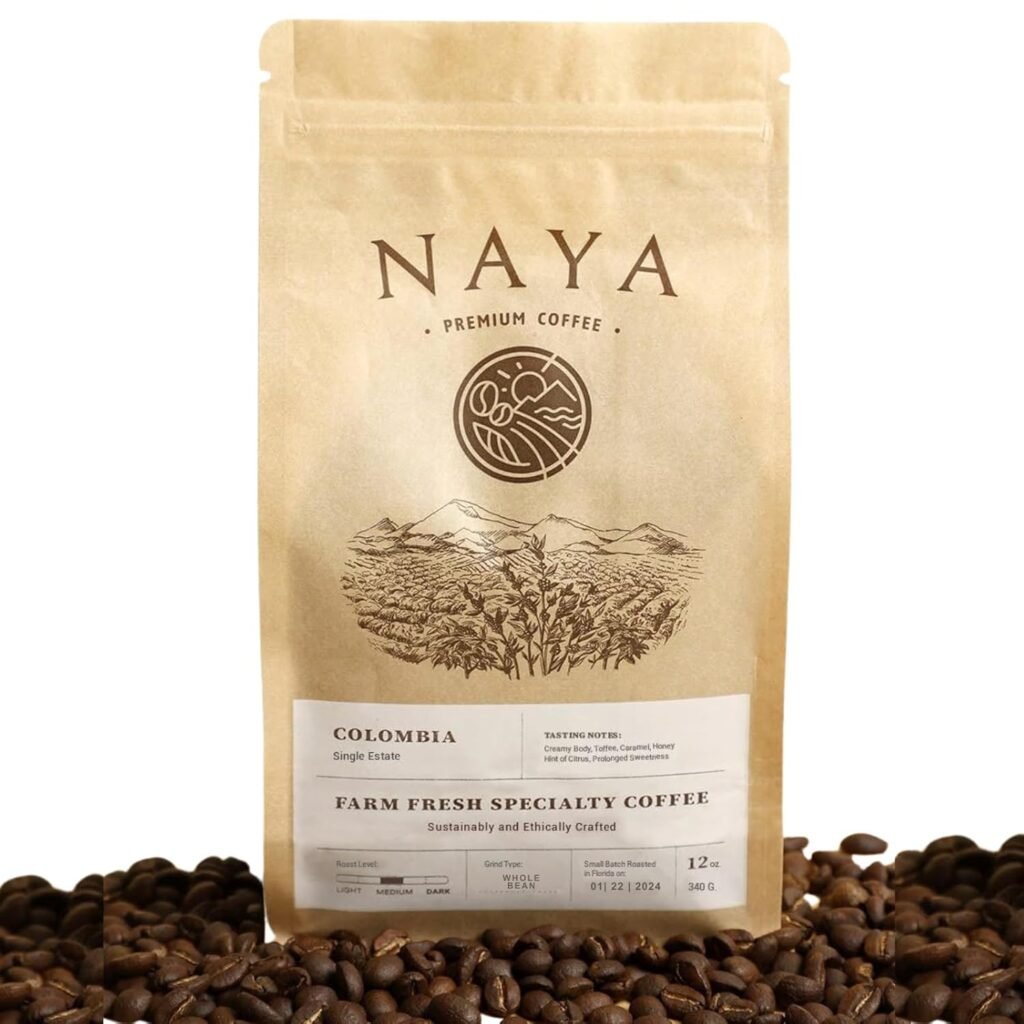
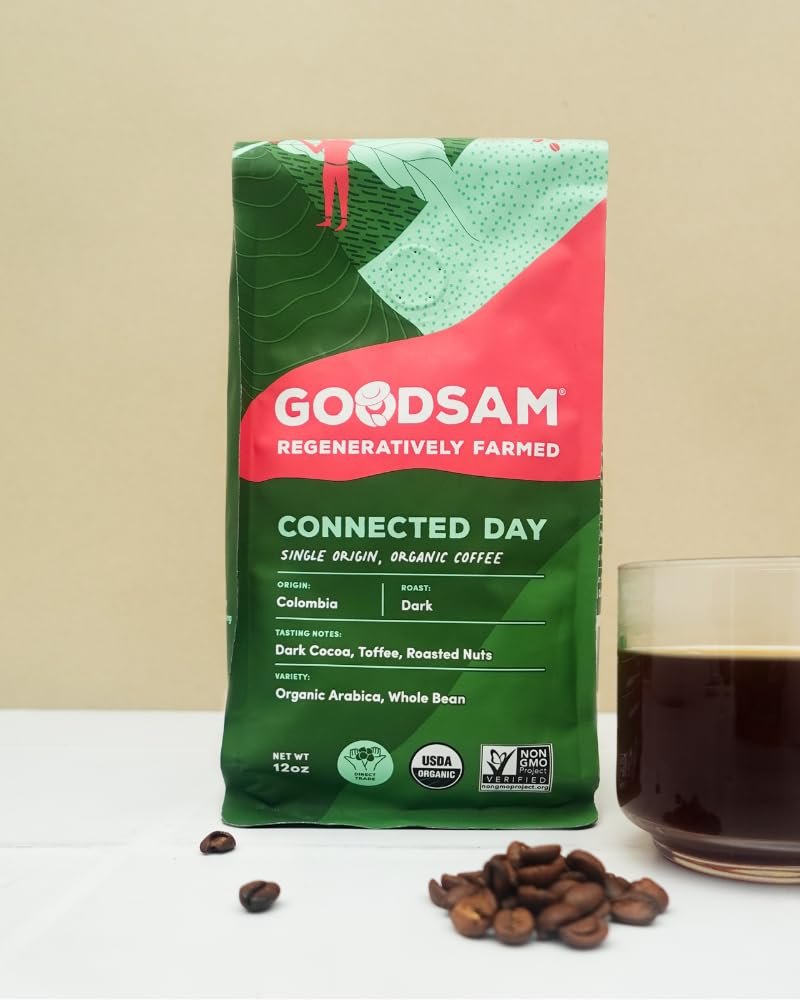
    The origin of the coffee significantly impacts its flavor. Labels often indicate the country, region, and even the specific farm where the beans were grown. Coffee roasters will source their coffee from specific origins in order to create blends with specific tastes. Sometimes coffee blends are made up of a compilation of coffee from different origins, in order to create a balanced flavor. Or there are single-origin coffees which highlight the characteristics of a specific region.

    Almost all coffee beans originate from countries in the Coffee Bean Belt, which lies in between the Topic of Cancer and Capricorn. Here are some of the most common origins and what they might mean when it comes to taste:

    • Ethiopia – Fruity, floral, tea-like qualities
    • Colombia – Balanced, nutty, with caramel sweetness
    • Brazil – Chocolatey, nutty, low acidity
    • Kenya – Bright acidity, berry and citrus notes
    • Sumatra – Earthy, full-bodied, low acidity

    Roast Level On a Coffee Label

    A coffee’s “roast level” refers to how long the coffee beans were roasted, which in turn communicates the flavor profile of the coffee. Roast level should always be displayed on a coffee label as it plays a crucial role in the coffee’s taste and aroma. Understanding what the different roast levels mean will guide you to picking the right one according to your flavor profile. Here’s a quick guide:

    • Light Roast – A light roast has a light brown flavor, and the beans appear dry. The flavor profile retains more acidity, fruitiness, and origin flavors.
    • Medium Roast – Medium roasts are a medium brown and may appear dry or slightly oily. The flavor profile has a balanced sweetness, acidity, and body.
    • Dark Roast – Dark roasts appear dark brown to black with oily surfaces. They usually have a bold, smoky, chocolatey, and all-around deeper flavor profile.

    Processing Method

    The way coffee is processed after harvest affects its final taste. Processing methods vary based on factors such as climate and end objectives, and each method creates a unique flavor. Here are some common methods that might be on the coffee label and a simple rundown on what they communicate:

    • Washed (Wet Process) – Beans are fermented and washed to remove fruit before drying | Clean, bright flavors with high clarity
    • Natural (Dry Process) – Whole cherries are dried with the fruit still intact, then hulled | Fruity, sweet, heavier body
    • Honey Process – Some fruit pulp is left on the bean while drying, giving a sticky, honey-like texture | Balanced sweetness, moderate acidity, syrupy body

    Elevation

    Coffee labels sometimes list the elevation at which the beans were grown. The highest altitudes reach around 5,000 ft / 1,500 m and the lowest are around 2,000 ft / 600 m. Generally, the higher the altitude, the slower the coffee cherry matures, leading to denser beans with more complex flavors and acidity. Lower elevations produce heavier-bodied, milder coffees. If you love bright, fruity flavors, go for high-altitude coffee. If you prefer rich, chocolatey notes, try lower-grown beans


    Coffee Grind Size Guide


    Roast Date & Freshness

    Always look for the roast date instead of an expiration date on a coffee label. Freshly roasted coffee (within 2–4 weeks of roasting) delivers the best flavors. However, allowing coffee to rest for a few days post-roast can improve extraction and balance.


    Certifications & Ethical Sourcing

    Coffee labels may include certifications like:

    • Organic – Grown without synthetic pesticides or fertilizers.
    • Fair Trade – Supports fair wages and ethical farming practices.
    • Rainforest Alliance – Promotes sustainability and environmental conservation.
    • Direct Trade – A relationship-focused approach where roasters buy directly from farmers.

    These indicate sustainable and ethical sourcing practices and, while not a direct indicator of quality, these certifications align with responsible coffee lover choices.

    Flavor Notes

    Flavor notes (e.g., “chocolate, citrus, caramel”) describe the perceived flavors, not added ingredients. They give an idea of what to expect but don’t indicate artificial flavoring.


    The next time you pick up a bag of coffee beans, take a moment to decode the label and learn the story behind it all!

    Tag us on Instagram @the.coffee.collect to share your favorite coffee roasts and blends with the coffee community!

    -the coffee collect.