Tag: coffee beans

  • How to Create an Elevated Home Coffee Ritual

    How to Create an Elevated Home Coffee Ritual

    There is no shortage of advice online about how to make better coffee at home. Buy the burr grinder. Upgrade the kettle. Dial in your brew ratio. Invest in the machine.

    While equipment certainly plays a role, elevated home coffee culture is ultimately about far more than gear.

    The best cafés have never simply sold coffee—they’ve created atmosphere, ritual, and the feeling that, for a few quiet moments, the day slows down. More and more coffee drinkers are learning that this same experience can be cultivated at home, not through expensive equipment alone, but through greater intention.

    An elevated home coffee ritual begins with slowing down, paying attention, and choosing coffee worth savoring.

    That philosophy is part of what drew me to Lavender Coffee Boutique, a Denver-based specialty coffee roaster and café focused on thoughtfully sourced coffees, low-and-slow roast development, and creating a more intentional coffee experience both at home and in their cafés.


    Elevated Coffee Culture Starts With Intention

    At its core, elevated home coffee culture is not about replicating every detail of a professional café setup. It is about transforming a rushed habit into something more deliberate.

    It is the difference between absentmindedly drinking coffee while scrolling emails and actually taking five minutes to prepare and enjoy a cup that feels restorative.

    That may look like grinding your beans fresh instead of using pre-ground coffee. It may mean brewing a pour-over instead of pressing a button on autopilot. It may simply mean drinking your first cup somewhere other than behind your laptop.

    Whatever form it takes, the goal is the same: to make your daily coffee feel less transactional and more restorative.
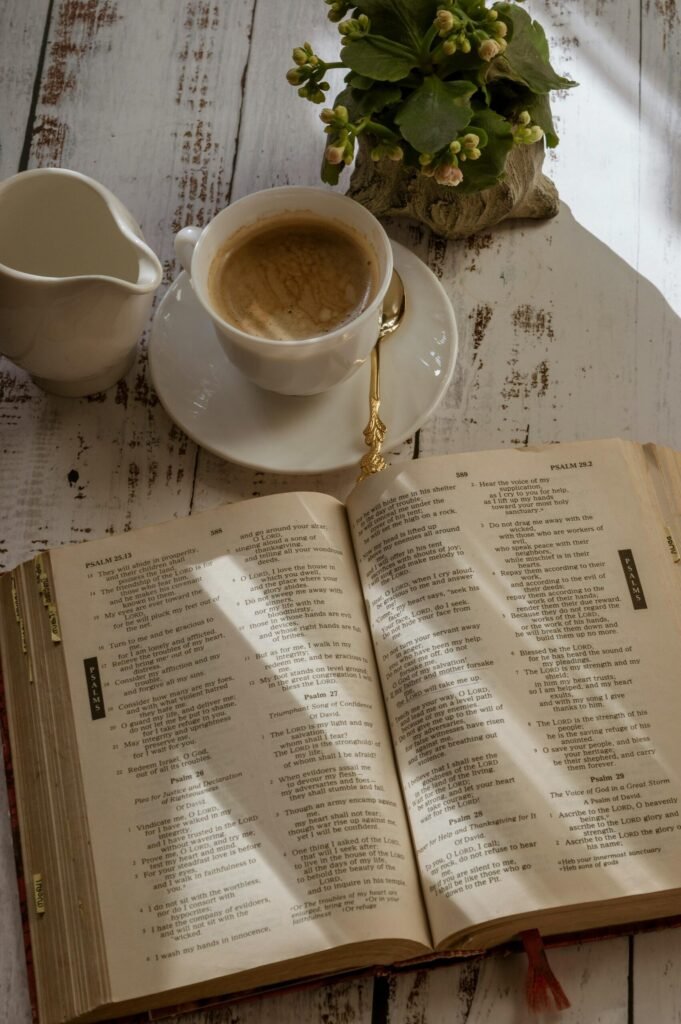
    A serene setting featuring an open Bible, coffee cup, and flowers on a wooden table, perfect for introspection.

    Better Beans Make a Bigger Difference Than Better Equipment

    One of the most common misconceptions in home coffee is that upgrading your setup requires buying more gear.

    In reality, one of the fastest ways to improve your cup is by improving what goes into it.

    Thoughtfully sourced, freshly roasted coffee can transform even a simple brewing setup. Great beans offer more balance, and more complexity before technique ever enters the picture.

    That is part of what makes specialty roasters like Lavender Coffee Boutique stand out within the growing movement toward slower, more thoughtful coffee culture. Based in Denver, Colorado, Lavender operates both a roastery and café spaces designed around the idea that coffee can be both approachable and deeply intentional.

    Their coffees are sourced from producing partners with transparency in mind, roasted in small batches, and developed with a low-and-slow approach designed to produce a smooth, balanced cup.

    For daily drinkers especially, that kind of thoughtful roasting can make a noticeable difference—not only in flavor, but in how the coffee fits into a slower, more restorative morning routine.


    Beginner Espresso Setup: What to Buy First


    Why More Coffee Drinkers Are Paying Attention to What’s in Their Cup

    As home coffee culture evolves, many drinkers are becoming more selective not just about flavor, but about sourcing and processing.

    Questions around freshness, roast development, acidity, and even mold testing are becoming increasingly common—particularly among those searching for cleaner, mold free coffee options that feel as good as they taste.

    For many daily coffee drinkers, finding a coffee that feels smooth, balanced, and easier on the body has become just as important as tasting notes or brewing methods. That growing interest is part of why mold free coffee and low-acid roasting practices have become such an important conversation within specialty coffee.

    Lavender’s coffees are third-party mold tested and roasted specifically for balance and drinkability, reflecting a broader shift toward cleaner, more intentionally sourced coffee. Their approach to roasting prioritizes sweetness, smoothness, and gentle acidity, creating coffees that feel approachable enough for everyday drinking while still offering the depth and quality specialty coffee lovers appreciate.

    Of course, none of that matters if the coffee itself is not enjoyable. Fortunately, these blends deliver on both experience and flavor.


    Three Coffees for Three Different Kinds of Morning

    One of the joys of building a more elevated home coffee routine is learning that different coffees suit different moods, seasons, and rhythms. Rather than treating every bag as interchangeable, the ritual becomes richer when you choose coffees intentionally.

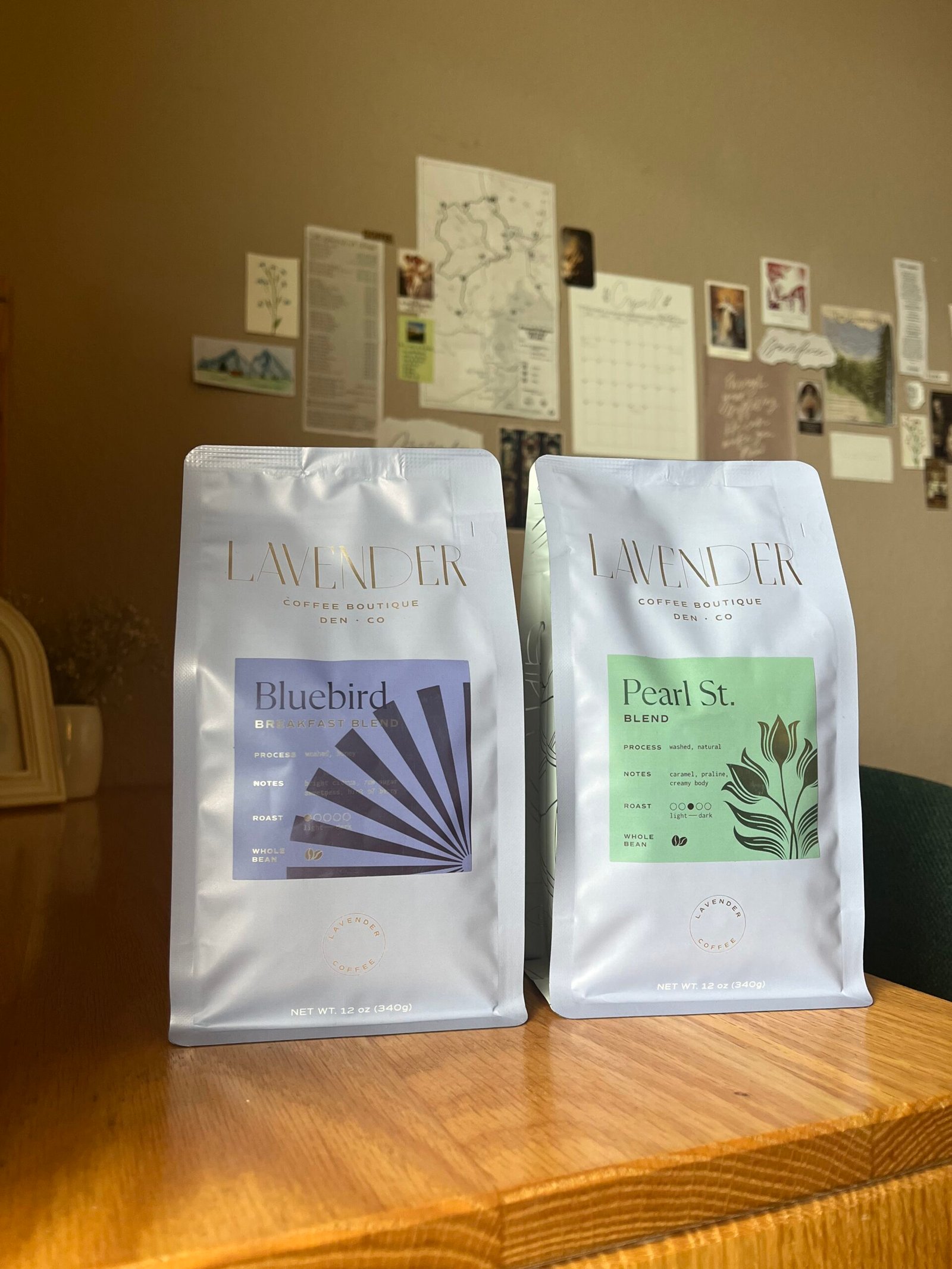
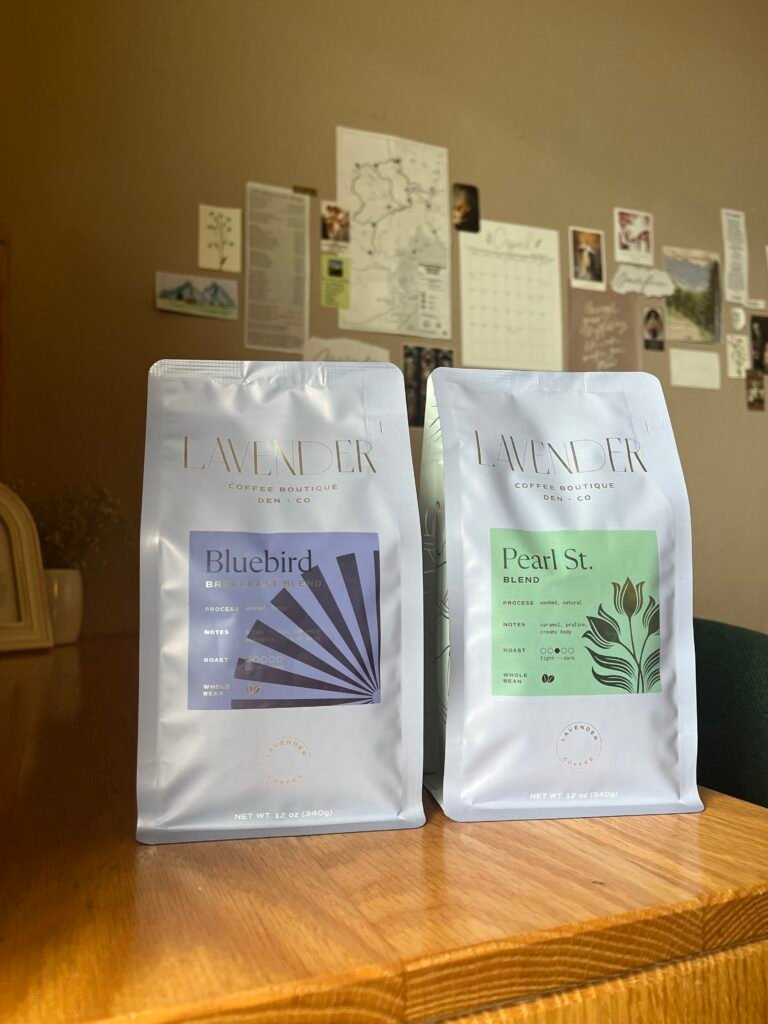
    Pearl St Blend: The Everyday Comfort Cup

    If your ideal morning coffee is comforting, balanced, and quietly complex, Pearl St Blend is an easy daily staple.

    Crafted from South and Central American coffees sourced through producing partners Guatlab and the Women’s Project coffee from the Lima Co-Op in Peru, this medium roast is developed low and slow to maximize sweetness while preserving a smooth, approachable cup.

    The result is a profile that feels familiar yet refined: creamy and balanced, with notes of brown sugar, milk cocoa, and subtle stone fruit.

    It is the kind of coffee that makes an ordinary weekday morning feel a bit more deliberate.

    Bluebird Breakfast Blend: For Bright, Energetic Mornings

    Some coffees feel built for slow, rainy mornings. Others feel made for sunlight.

    Bluebird Breakfast Blend belongs firmly in the latter category 😉

    As a lighter roast, it brings notes of bright citrus, raw sugar, and berry—creating a lively, uplifting cup especially suited to spring and summer mornings or any day that calls for a little extra brightness.

    Its inspiration comes from the clear, crisp “bluebird” mornings of Colorado, and that sense of freshness carries through in the cup. It is vibrant without being sharp, cheerful without sacrificing balance.

    For those who prefer a brighter breakfast coffee or slower brewing methods like the pour-over, this blend makes the morning feel a little more awake.

    Rwanda Abadatezuka: When Coffee Becomes the Occasion

    Then there are coffees that ask for your full attention.

    Lavender’s Rwanda Abadatezuka Single Origin is one of them.

    Sourced from the Abadatezuka Cooperative near Rwanda’s Nyungwe Forest, this naturally processed lot offers the kind of layered complexity that turns coffee from routine into experience.

    Berry jam sweetness, wine-like acidity, and a heavy, aromatic body create a cup that lingers long after the first sip.

    Its unique story only adds to the experience: high-elevation cultivation at 2,200 meters, pollination from native honeybees in the surrounding forest, and farming practices free from synthetic inputs all contribute to a coffee that feels deeply tied to its environment.

    This is the kind of coffee reserved for unhurried weekend mornings—the kind you brew when the coffee itself becomes the occasion. I’d recommend using a pour-over method for Rwanda Abadatezuka and then taking your time as you sip it.


    How to Make Your Home Coffee Ritual Feel More Elevated

    Creating a better home coffee experience does not require a dramatic overhaul. Often, it is the small intentional choices that change the feel of the routine most.

    A few simple ways to elevate your ritual:

    • Grind your beans fresh before brewing
    • Start with thoughtfully roasted coffee, like Lavender Coffee Boutique’s low-and-slow developed blends
    • Use a brewing method that encourages slower preparation
    • Drink from a mug you genuinely enjoy using
    • Create a calm environment: gentle music, natural light, a cleared counter, a blank page for journaling, and your favorite chair
    • Resist multitasking

    These details may seem small, but together they shift coffee from fuel to ritual.


    Final Thoughts

    Elevated home coffee culture is not about chasing perfection or building the most expensive setup. It is about approaching your daily cup with greater care—choosing better coffee, slowing the process down, and creating space to actually enjoy it.

    The difference between an ordinary morning and a restorative one begins with something as simple as a thoughtfully brewed cup of coffee.

    And when the beans themselves are sourced, roasted, and crafted with that same intentionality, the ritual becomes all the more worthwhile.

    Shop Lavender Coffee

    If you’re looking to create a more thoughtful home coffee routine, Lavender Coffee Boutique’s carefully sourced blends are a beautiful place to begin. Readers of The Coffee Collect can use code COFFEECOLLECT for 15% off if you’d like to explore their coffees for yourself <3
    Wishing you mornings filled with intentionality and beautifully brewed coffee,

    -the coffee collect.
  • The Best Coffee Storage Containers

    The Best Coffee Storage Containers

    The Best Coffee Storage Containers

    You might think your coffee beans are fine sitting in the bag they came in, but what if I told you that improper storage is quietly robbing your coffee of its rich aroma and bold flavor? The truth is, exposure to air, moisture, heat, and light can make your beans stale faster than you realize. But don’t worry—there’s a simple fix. By choosing the right storage container, you can keep your coffee fresh and delicious for longer. In this guide, we’ll uncover the best ways to store your beans and review the best coffee storage containers to ensure every cup you brew is as flavorful as possible.


    Why Proper Coffee Storage Matters

    Coffee beans are sensitive to air, moisture, heat, and light. Exposure to these elements can cause them to lose their flavor quickly (AKA coffee beans are a little high maintenance). Here’s why:

    • Air: Oxygen degrades coffee oils and accelerates staleness.
    • Moisture: Beans can absorb moisture, leading to mold and loss of quality.
    • Heat: High temperatures speed up the aging process of coffee.
    • Light: UV rays break down organic compounds in coffee, leading to loss of flavor.

    To keep your beans fresh for as long as possible, they need to be stored in an airtight, cool, dark environment. That’s where a good coffee storage container comes in…


    Best Coffee Storage Containers Reviewed!


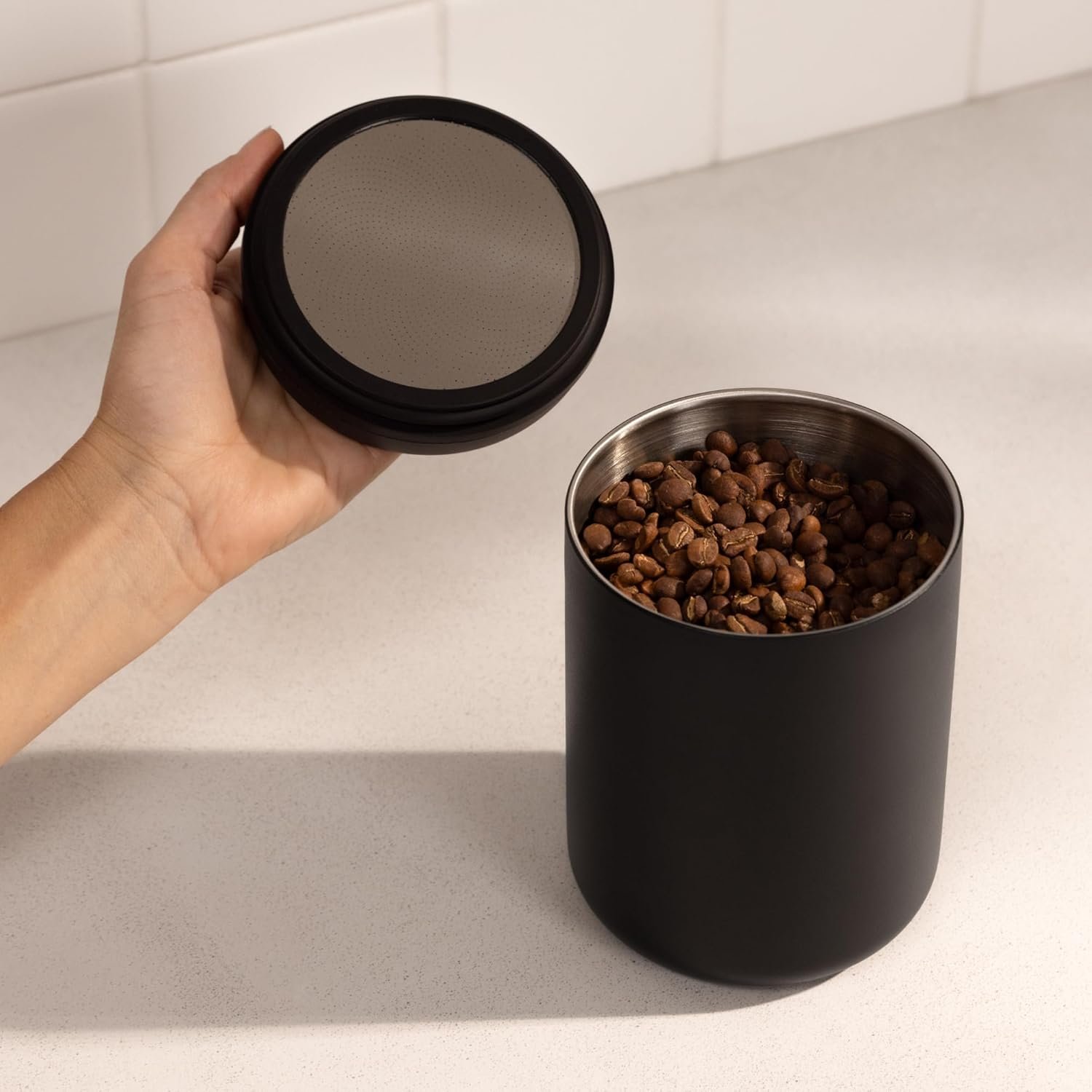
    1. Fellow Atmos Vacuum Canister

    Best for Maximum Freshness!

    The Fellow Atmos Vacuum Canister is a favorite among coffee aficionados. It features an integrated vacuum pump that removes oxygen from the container, keeping beans fresher for longer.

    • Pros:
      • Vacuum-sealed to reduce oxygen exposure
      • Available in multiple sizes and colors
      • Durable stainless steel or glass options
    • Cons:
      • More expensive than other options
      • Requires manual vacuuming

    This is a great investment that will upgrade your coffee routine!

    Vacuum sealed coffee canister

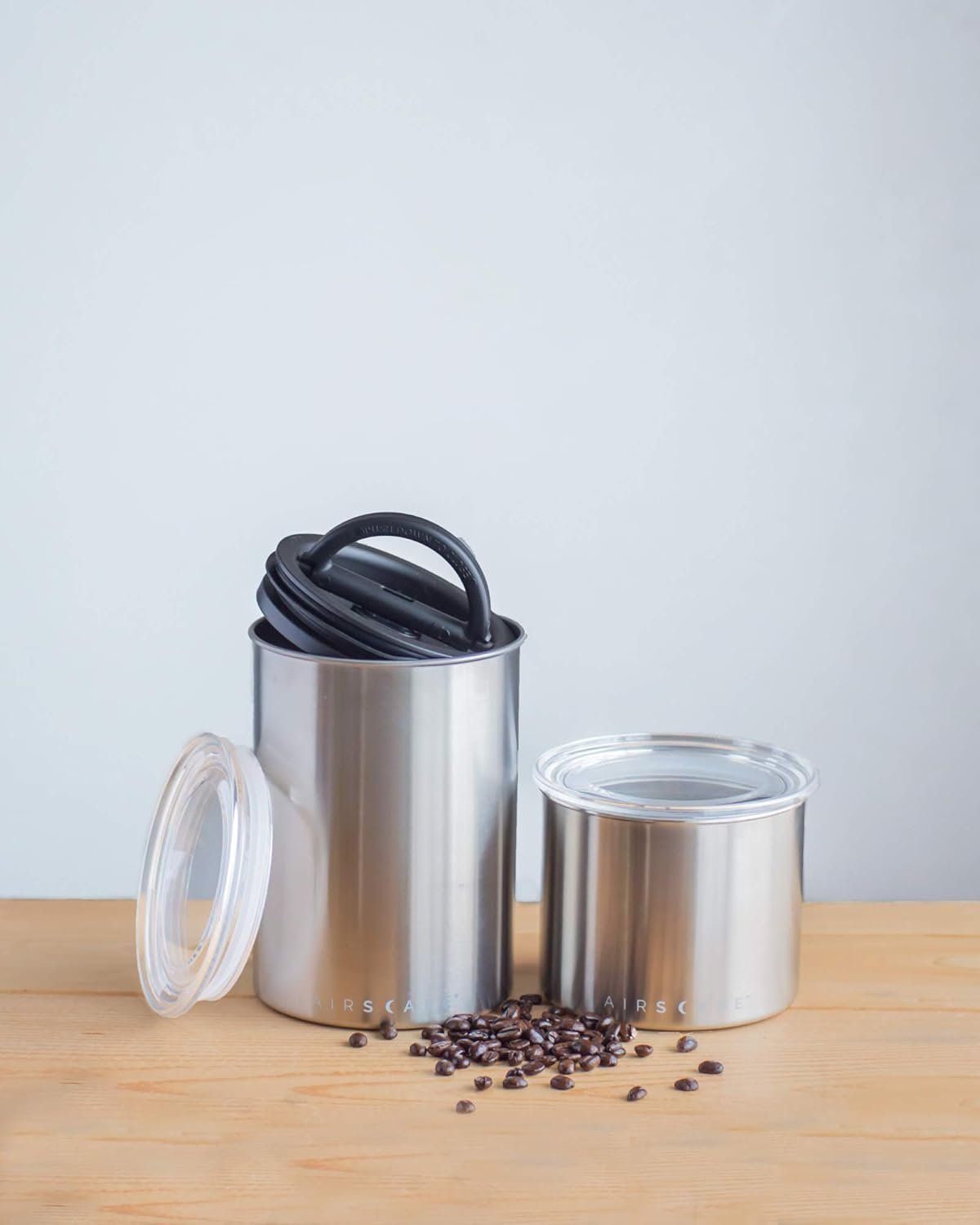
    2. Airscape Coffee Storage Canister

    Best for Design and Functionality!

    The Airscape Canister features a unique inner lid that pushes air out as you close it, ensuring a tight seal.

    • Pros:
      • Strong airtight seal
      • Available in different materials (stainless steel, ceramic, plastic)
      • Available in different colors
      • Sturdy and stackable
      • BPA-free
    • Cons:
      • Inner lid can be tricky to use
      • Bulkier than some other options

    Proving its value, this product has high reviews on Amazon!

    Coffee storage canister

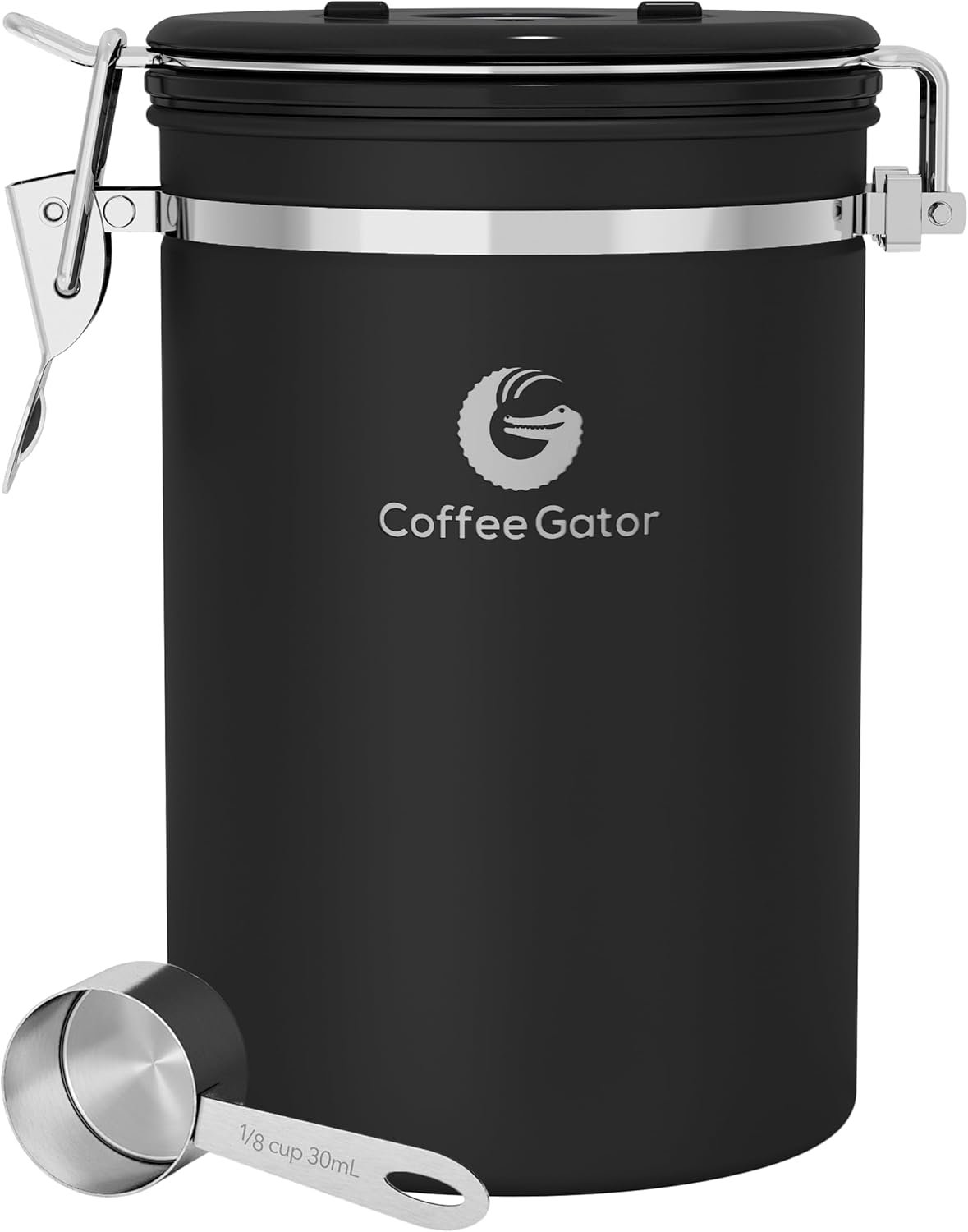
    3. Coffee Gator Stainless Steel Canister

    Best for Budget-Friendly Freshness

    he Coffee Gator Canister includes a CO2 release valve, which helps preserve coffee while preventing unwanted air from entering.

    • Pros:
      • Affordable
      • Date tracker to monitor freshness
      • Built-in CO2 vent
      • You can buy in packs of two (allows you to keep your different kinds of beans separate yet fresh)
    • Cons:
      • Bulkier than glass options
      • Not completely vacuum-sealed

    This investment will surely upgrade your coffee routine!

    Coffee storage canister

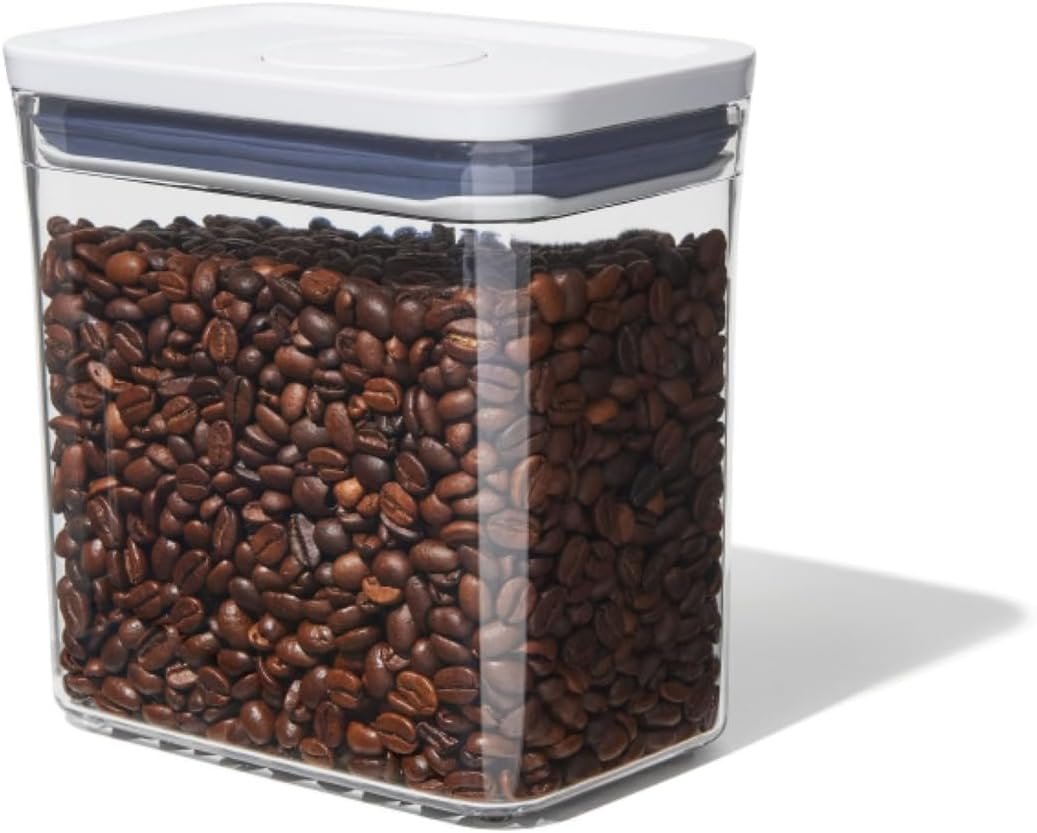
    4. OXO Good Grips POP Container

    Best for Easy Access

    OXO’s POP containers are known for their one-touch airtight seal, making them convenient for daily use.

    • Pros:
      • Easy to use
      • Stackable and space-saving
      • BPA-free plastic
      • Come in many different sizes
    • Cons:
      • Not vacuum-sealed
      • Not as durable as metal or glass containers

    OXO containers are not only great for your coffee beans, but the 10 pack would be perfect for all your coffee bar ingredients!

    Coffee storage canister

    Tips for Storing Coffee Beans at Home

    • Keep beans in an airtight container: Always opt for a sealed storage option to minimize oxygen exposure for both ground coffee and whole coffee beans.
    • Store in a cool, dark place: Avoid direct sunlight and heat sources like the oven.
    • Don’t refrigerate or freeze: While freezing can work for long-term storage, frequent temperature changes can cause condensation, leading to moisture issues.
    • Buy only what you need: Purchasing smaller amounts of fresh coffee more frequently helps maintain peak flavor.

    Coffee beans are a little high maintenance, so choosing the best coffee storage containers can make a huge difference in preserving the flavor and quality of your beans. Whether you opt for the Fellow Atmos for maximum freshness, the budget-friendly Coffee Gator, or the easy-access OXO POP, investing in a quality container is key to enjoying a fresh cup of coffee every time. It is also the perfect gift for your coffee-loving friend!

    What’s your favorite way to store coffee beans? Let us know!

    Tag us on Instagram @the.coffee.collect in order to get featured and show the coffee community your storage set-up!

    -the coffee collect.

  • 10 Unique Flavored Coffees to Try in 2025

    10 Unique Flavored Coffees to Try in 2025

    10 Unique Flavored Coffees to Try in 2025

    Coffee lovers, rejoice! 2025 is shaping up to be an exciting year for adventurous palates. We’ve collected 10 unique flavored coffees that deserve a spot on your menu or your must-try list this year. Explore these flavors at local coffee shops or DIY them at home.


    1. Maple Bacon Coffee

    Sweet and savory lovers, unite! Maple bacon coffee blends the comforting sweetness of maple syrup with the smoky, salty essence of bacon. Perfect for a morning pick-me-up that feels like breakfast in a cup, this flavor pairs wonderfully with a hearty breakfast or a maple-glazed doughnut.


    2. Lavender Latte

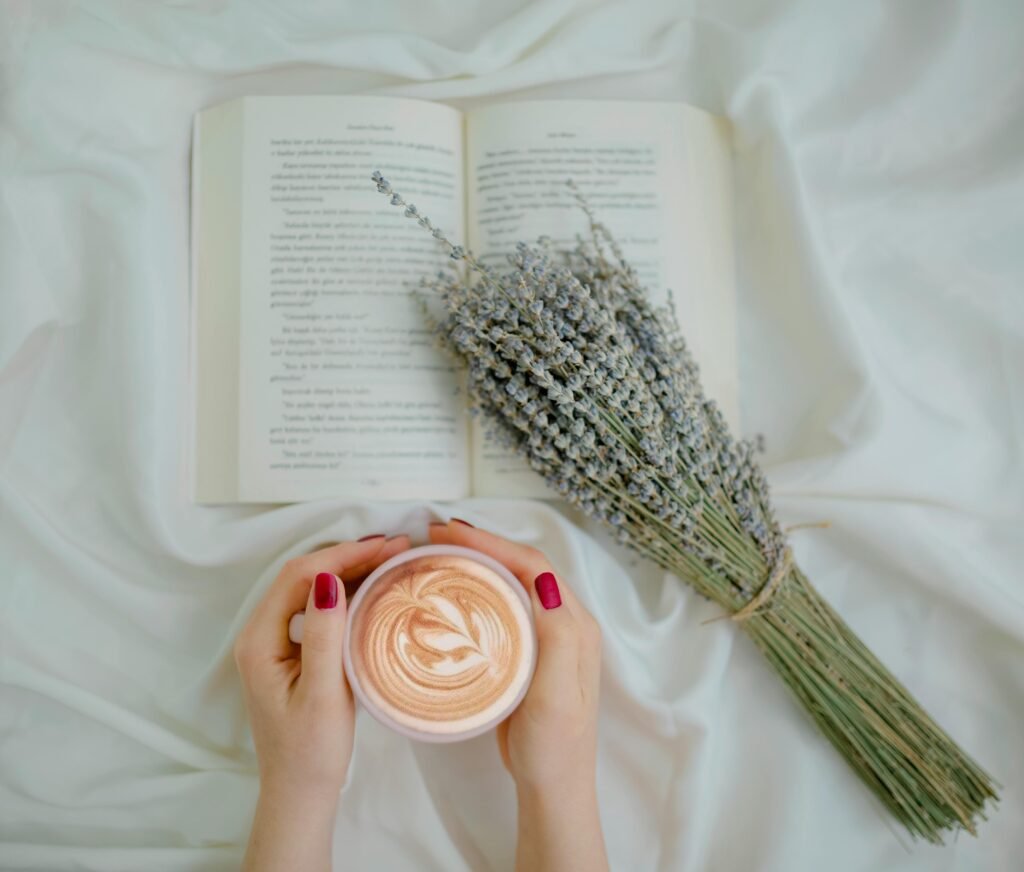
    Floral, aromatic, and soothing, the lavender latte is a sensory delight. Lavender’s calming properties make this a fantastic option for those looking to unwind while still enjoying their caffeine fix. Add a splash of honey or vanilla for extra sweetness and a hint of decadence. If you’d like extra presentation points, add a few dried lavender flowers on top of your latte for the finishing touch.

    Hands holding a latte with lavender and an open book. Perfect cozy setting for relaxation.

    3. Whiskey Barrel-Aged Coffee

    This robust and complex coffee is crafted by aging beans in whiskey barrels, imparting subtle notes of oak, vanilla, and caramel. It’s non-alcoholic but carries the essence of a fine whiskey, making it an ideal treat for those who enjoy a little sophistication in their cup. You can source whiskey barrel-aged coffees from artisan roasting companies like Cooper’s Cask Coffee.


    4. Orange Blossom Honey Coffee

    Infused with the delicate sweetness of orange blossom and honey, this coffee is a delightful blend of citrusy floral notes and rich, smooth coffee. It’s perfect for those who crave a light, fragrant twist to their daily brew.


    5. Rose Cardamom Latte

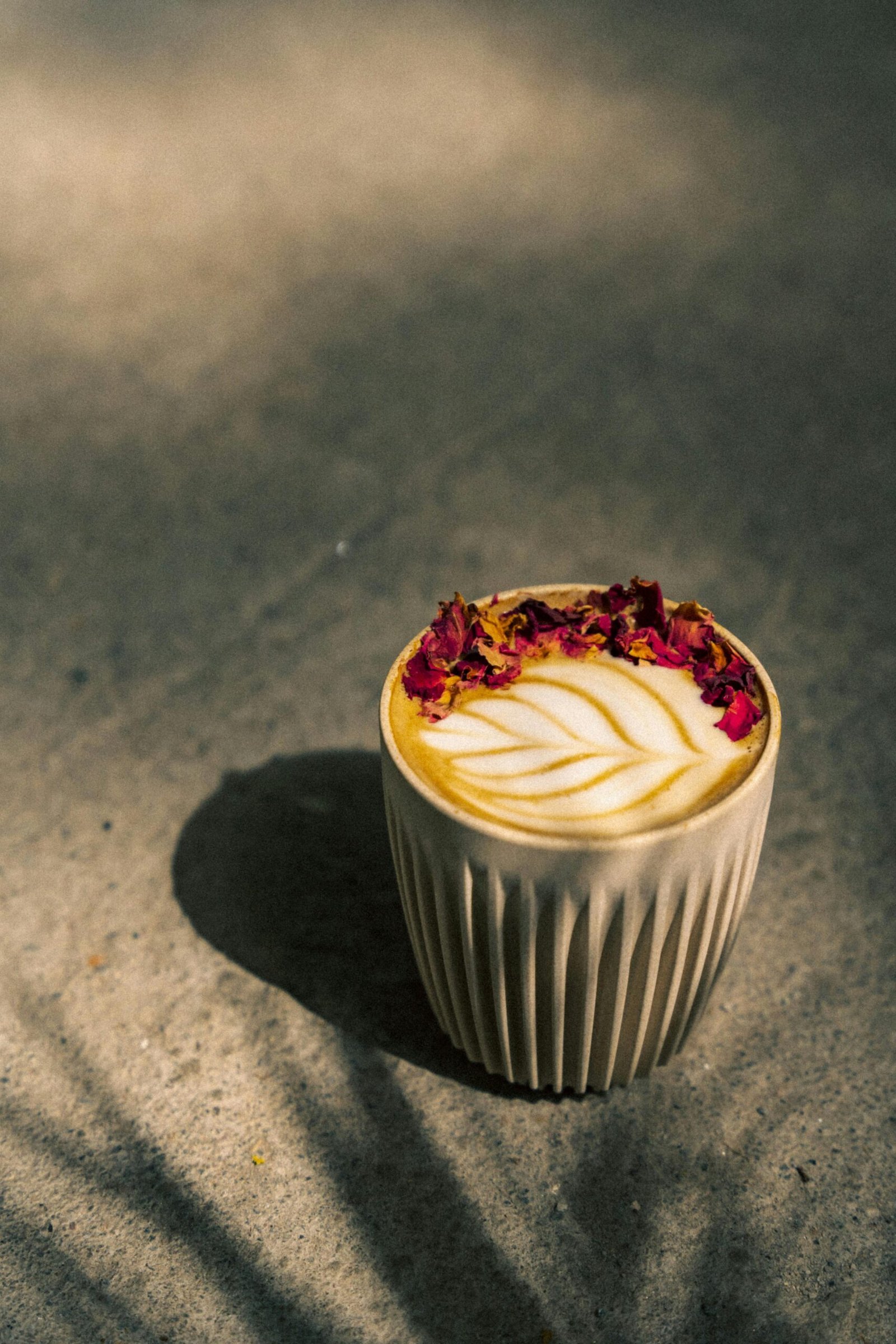
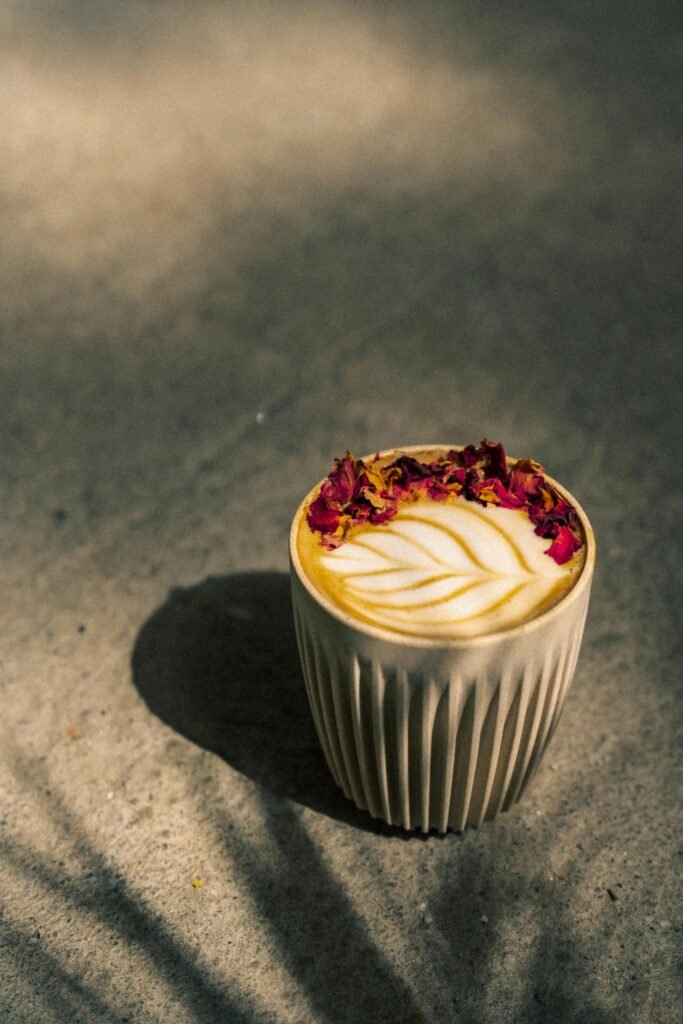
    Elegant and refreshing, rose cardamom lattes balance floral notes with the warm, slightly citrusy spice of cardamom. This unique pairing is ideal for cold weather or as an afternoon indulgence. Add a few dried rose petals on top of your latte art for a finishing touch.

    A latte with latte art and rose petals set on a textured surface, captured in natural light.

    6. Smoked Butterscotch Coffee

    Rich and decadent, smoked butterscotch coffee combines the sweet, buttery flavor of butterscotch with a hint of smokiness. It’s perfect for those chilly mornings when you want something cozy and indulgent in your mug.


    7. Chili Chocolate Espresso

    This sounds like an interesting combination, doesn’t it? Spice things up with chili chocolate espresso! This daring blend combines the boldness of espresso with the rich sweetness of chocolate and a kick of chili heat. It’s an excellent choice for those who like a little adventure in their coffee experience.


    8. Pistachio Vanilla Cappuccino

    Nutty, creamy, and subtly sweet, pistachio vanilla cappuccino offers a delightful twist on a classic cappuccino. The pistachio adds a unique richness, while the vanilla provides a comforting sweetness. Enjoy it hot or iced and paired with a flaky croissant to make the perfect morning treat.


    9. Blueberry Cobbler Latte

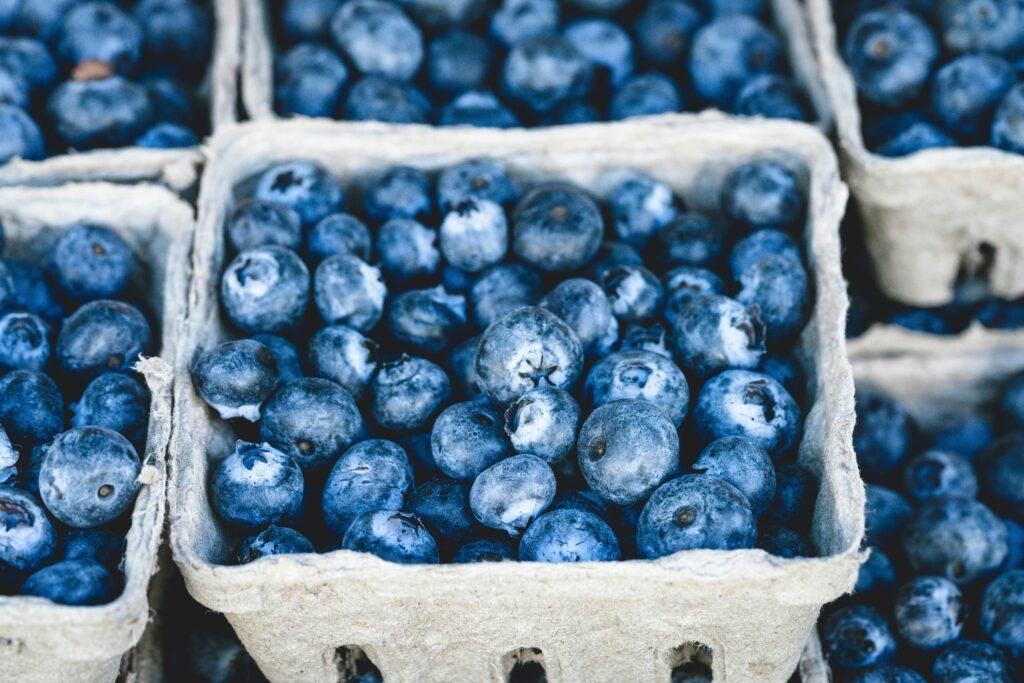
    Enjoy the taste of dessert in your cup with a blueberry cobbler latte. This blend captures the essence of juicy home-grown blueberries and a buttery crumble topping. It’s a delightful way to satisfy your sweet tooth and add some fun creativity to your coffee routine.

    Close-up of fresh organic blueberries in cardboard trays at a market, showcasing their vibrant blue color and ripe appearance.

    10. Black Sesame Latte

    Earthy and nutty, the black sesame latte is a rising star in the coffee world. This unique flavor offers a creamy texture with a slightly savory profile, making it a great option for those who prefer less sugary drinks. It’s a taste of elegance with an Asian-inspired twist.


    Go ahead, step out of your coffee comfort zone, and discover a world of unique flavors!

    Tag us on Instagram @the.coffee.collect to share your thoughts and recipes with the coffee community!

    -the coffee collect.

  • Arabica vs. Robusta Coffee Beans: What’s the Difference?

    Arabica vs. Robusta Coffee Beans: What’s the Difference?

    Arabica vs. Robusta Coffee Beans: What’s the Difference?

    For true coffee enthusiasts, understanding the nuances between different coffee beans is essential. At the heart of every cup lies a choice between two primary species of coffee: Arabica and Robusta. These beans dominate the coffee world, each bringing its unique characteristics to the table. But what sets them apart? Let’s dive into the details.

    Origin and Growing Conditions

    Arabica coffee, scientifically known as Coffea arabica, is the most popular type of coffee, accounting for about 60-70% of global production. It originated in the highlands of Ethiopia and thrives in cool, subtropical climates at altitudes of 2,000 to 6,000 feet. Arabica plants are delicate and require careful cultivation, as they are more susceptible to pests, diseases, and frost.

    Robusta coffee, or Coffea canephora, is native to sub-Saharan Africa and grows at lower altitudes, often below 2,000 feet. Robusta plants are hardier and more resilient, capable of withstanding higher temperatures and more challenging environmental conditions. This durability makes them easier and cheaper to cultivate, particularly in regions like Vietnam, Brazil, and Indonesia.

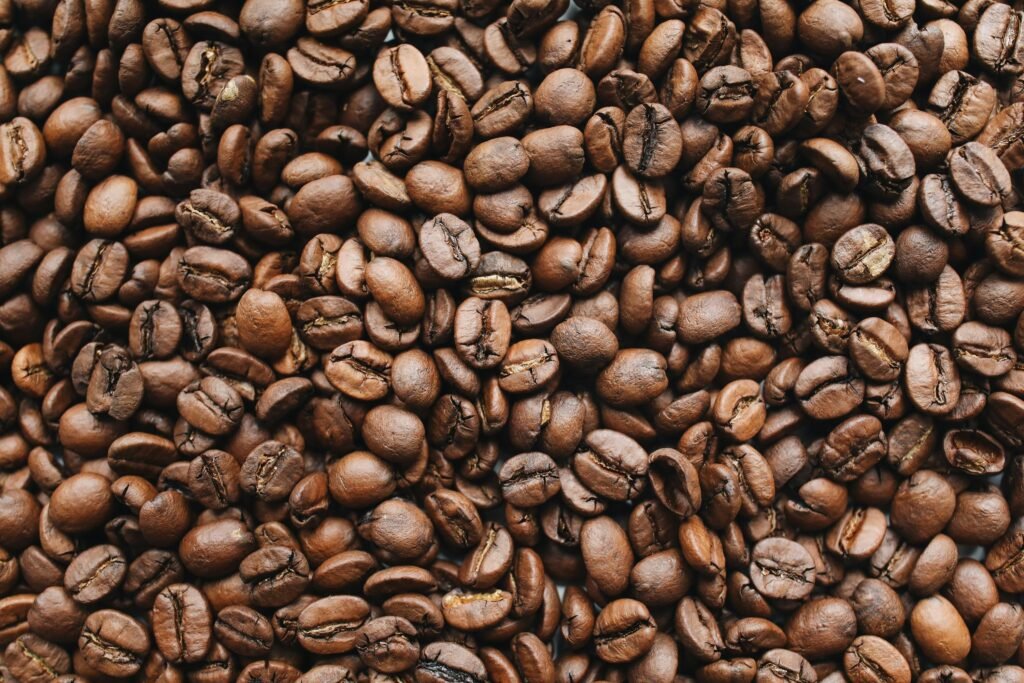
    A high-resolution close-up photo of rich, aromatic roasted coffee beans.

    Flavor Profiles

    One of the most significant differences between Arabica and Robusta lies in their flavor profiles, and learning the difference between the two can significantly upgrade your coffee expertise. Arabica beans are celebrated for their nuanced flavors, which often include hints of fruit, berries, nuts, and chocolate. They have a higher acidity, which lends a bright and vibrant quality to the cup. Robusta beans, on the other hand, are known for their bold and robust taste. They often have earthy, woody, or even rubbery notes, with a stronger bitterness and lower acidity. By understanding these flavors and developing your taste profile, you’ll be able to detect what kind of bean your coffee came from in the first few sips alone.

    Understanding coffee bean flavor profiles will also benefit your artistic ability in coffee curation by enabling you to understand what bean to use according to your desired outcome. Arabica coffee is typically smoother and less bitter, making it the preferred choice for specialty coffee. Robusta coffee’s flavor is less complex, but its intense profile is ideal for espresso blends, where a thick crema and punchy flavor are desired.

    Caffeine Content

    Caffeine lovers take note: Robusta beans pack a more potent punch. They contain nearly twice the caffeine of Arabica beans—about 2.2-2.7% compared to Arabica’s 1.2-1.5%. For this reason, espresso is commonly made from Robusta beans while Arabica beans make up a large portion of specialty coffee. This higher caffeine content not only contributes to Robusta’s stronger flavor but also acts as a natural pest deterrent, making the plants more resistant to diseases.

    Appearance and Bean Shape

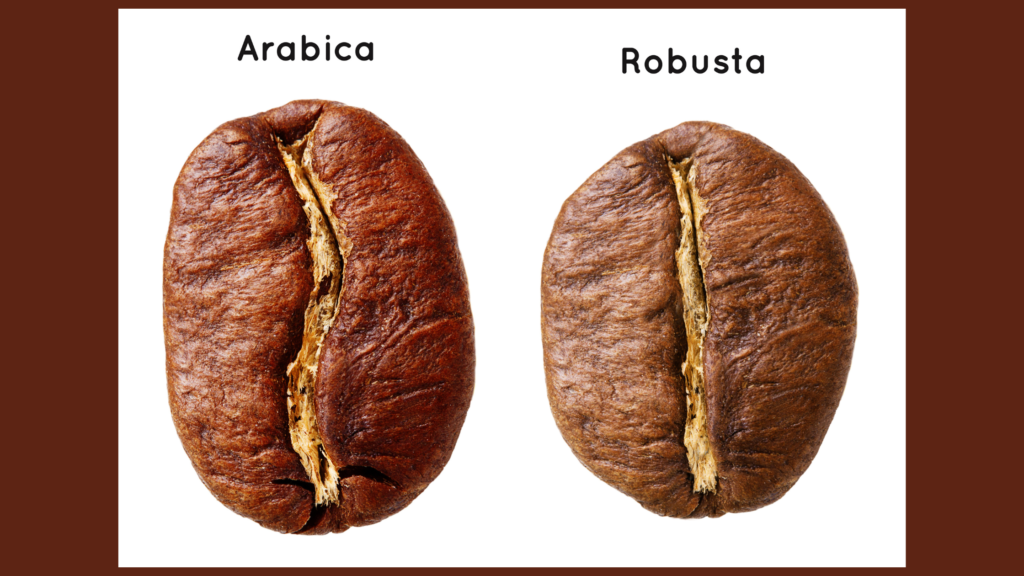
    The physical differences between Arabica and Robusta beans are subtle but noticeable:

    • Arabica beans are oval-shaped with a curved crease down the center.
    • Robusta beans are smaller, rounder, and have a straighter crease.

    Price and Availability

    Arabica coffee is generally more expensive than Robusta due to its higher cultivation costs, susceptibility to pests, and lower yields. Its superior flavor and widespread demand among specialty coffee roasters further drive up its price.

    Robusta coffee, being easier to grow and harvest, is more affordable and widely used in instant coffee, espresso blends, and commercial coffee products. Its affordability doesn’t diminish its value, especially in blends where its robust nature shines.

    Which Should You Choose?

    Your choice between Arabica and Robusta depends largely on your taste preferences and how you enjoy your coffee; If you savor complex, fruity, and aromatic flavors, Arabica is your go-to bean; If you prefer a strong, bold coffee with a caffeine kick, or if you’re crafting an espresso, Robusta might be the better option. Additionally, many coffee blends combine Arabica and Robusta to create a harmonious balance—pairing Arabica’s sweetness and complexity with Robusta’s strength and crema-producing qualities.

    Remember, coffee is an art and science. A higher knowledge of coffee broadens your range of experimentation and artistry and allows you to curate unique and professional outcomes.

    -the coffee collect.